
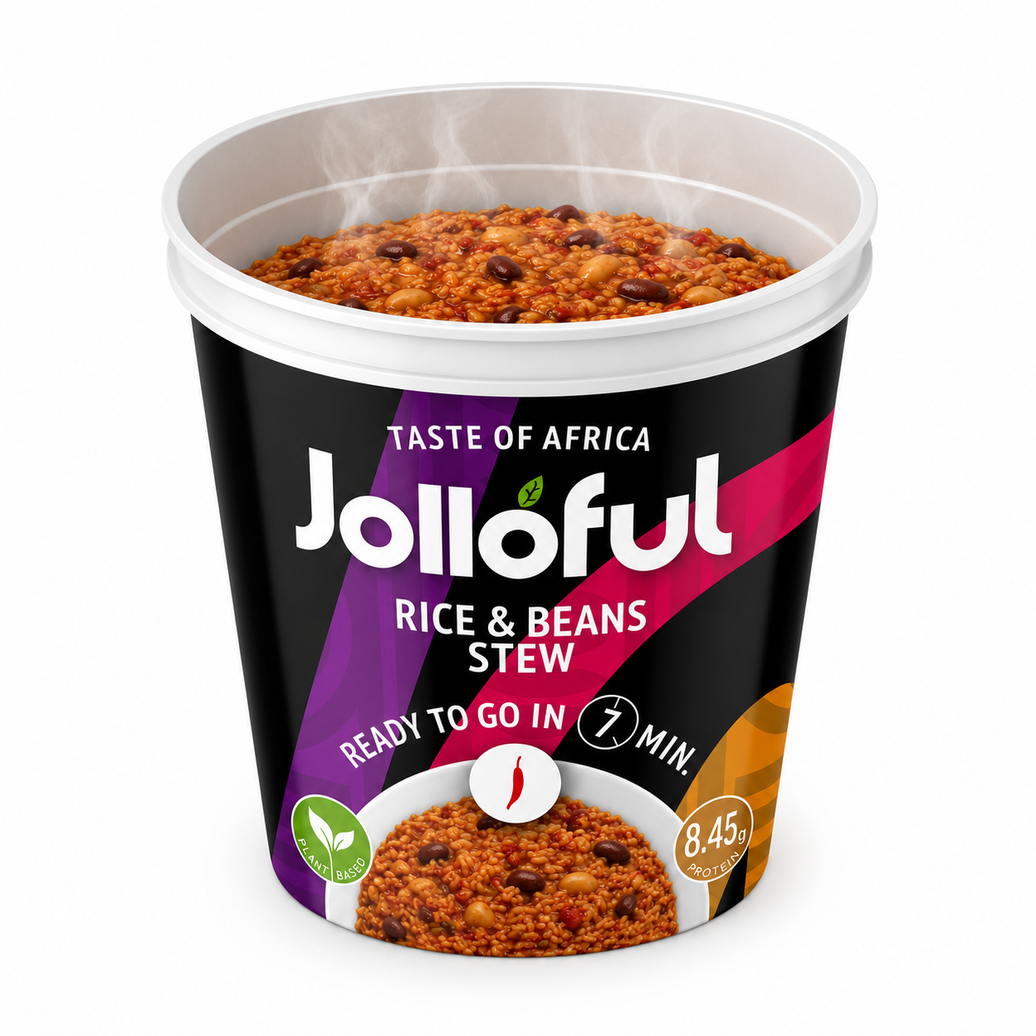
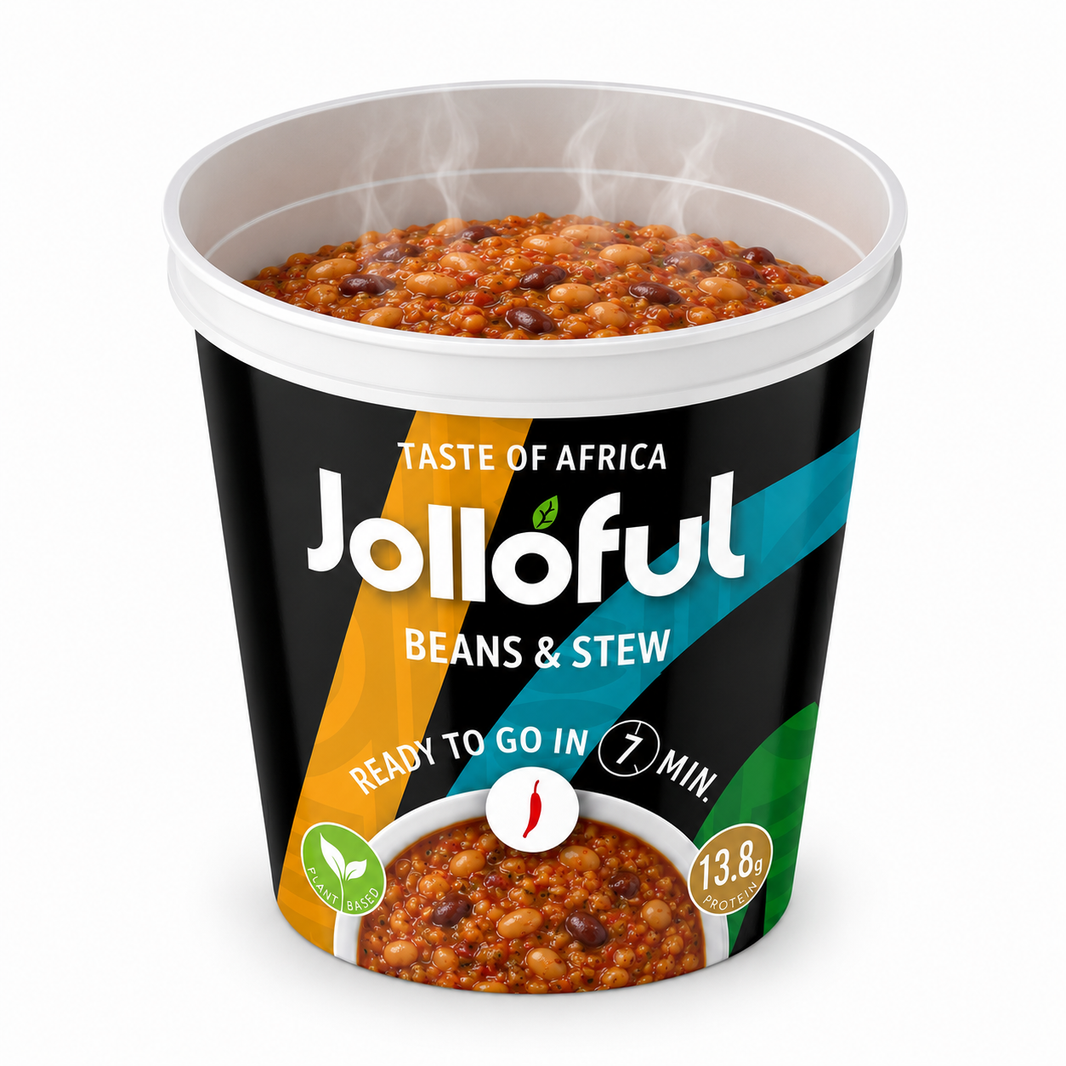
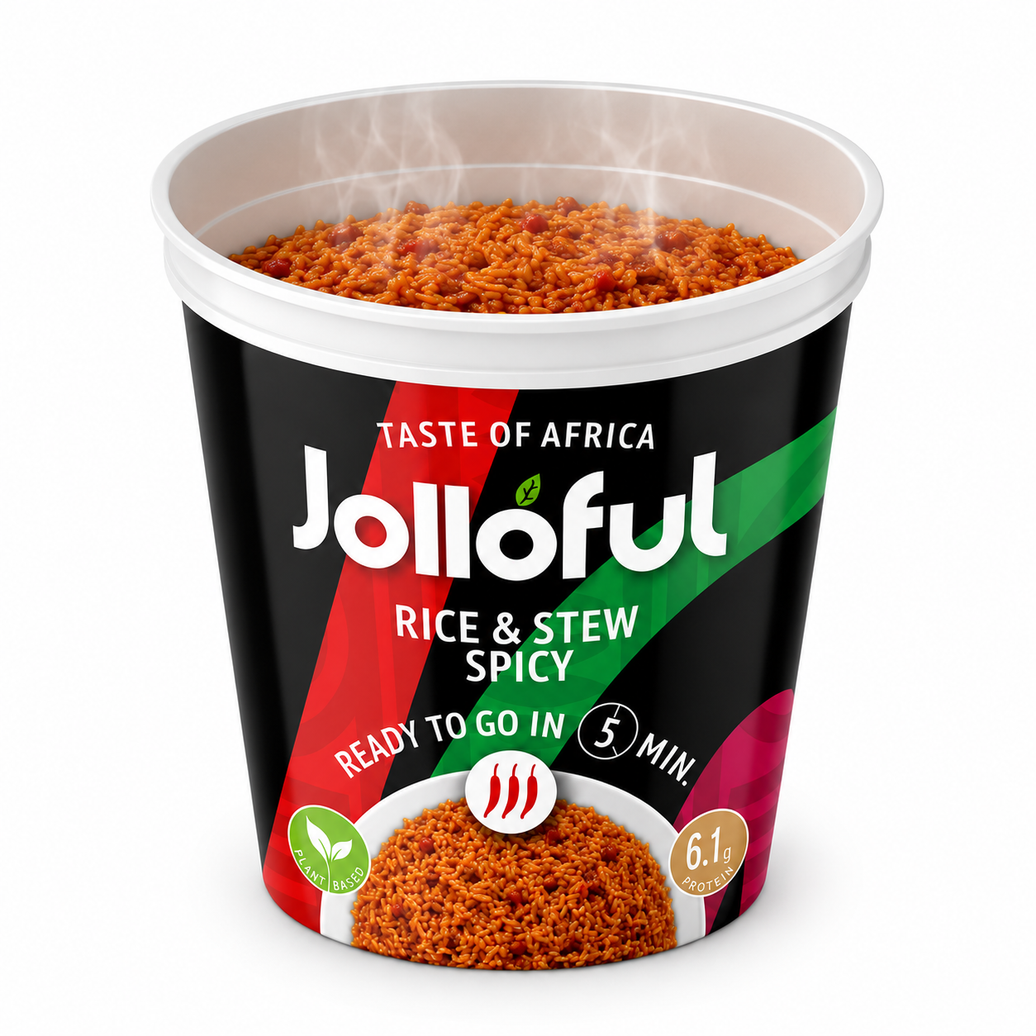
A late meeting, a packed train home, nothing fresh in the fridge - this is exactly when people buy African food online. Not because they want a compromise meal, but because they want proper flavour without spending an hour cooking from scratch. African food belongs in everyday routines: at your desk, after the gym, between school pick-ups, or whenever bland convenience food is the only other option.
The best online options make that choice feel easy. They bring familiar flavours closer for diaspora households and give first-time buyers a confident way to try something new. The goal is not food that merely fills you up. It is real food, rooted in culture, ready when life gets busy.
Why buy African food online?
For years, finding African ingredients often meant planning a specific trip, carrying heavy bags home and hoping your local shop had what you needed. Those shops remain vital to communities and deserve support. But online shopping fills a different gap: it gives you access when time, distance or a limited local selection gets in the way.
It also makes discovery less intimidating. A well-made online range should explain what you are buying, what it tastes like and how to prepare it. That matters if you grew up with these flavours and want a fast route back to something comforting. It matters just as much if you are curious about West African food but do not know where to begin.
The trade-off is simple. Buying online cannot replace the joy of browsing a lively food shop or cooking a big family meal from scratch. What it can do is make African flavour a realistic option on an ordinary Wednesday night.
What to look for when buying African food online
Not every shelf-stable meal earns a place in your cupboard. Packaging may promise convenience, but flavour, ingredients and cultural care are what decide whether you will order again.
Start with the ingredient list
Read beyond the front of the pack. Look for recognisable ingredients and recipes built around the herbs, spices, grains, vegetables and sauces that give African cooking its depth. A shorter, clearer ingredient list is often a good sign, although simple does not have to mean mild.
Avoid assuming shelf-stable means heavily processed. A long shelf life can be practical without relying on artificial colour or added preservatives. The key is whether the food still tastes considered - layered, warming, spicy where it should be, and satisfying enough to stand alone.
Check what fast really means
Convenience should remove pressure, not pleasure. Preparation instructions ought to be straightforward: hot water, a few minutes, and a meal that feels complete. Five to seven minutes is a useful benchmark for a work lunch, a quick supper or the moment you realise you need to eat before joining another call.
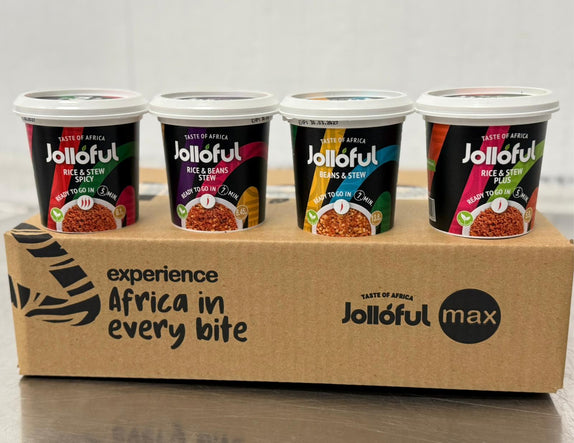
Think about portion size too. A meal cup may be ideal when you are eating solo, while a variety pack gives you more freedom to try different flavours or stock the kitchen for hectic weeks. Neither is better in every situation. It depends on whether you are shopping for discovery, routine or a shared household.
Be honest about heat
Spice is part of the pleasure in many African dishes, not a gimmick. Still, people experience heat differently. Clear flavour notes are more useful than vague claims about being hot. If you are new to African food, begin with a flavour that sounds familiar to you, then work your way towards bolder options.
If you already know your way around chilli, do not settle for something flattened into a generic, sweet-and-mild version. Good convenience food should respect the character of the recipe.
Shelf-stable does not mean second best
There is a persistent idea that a quick meal must be dull, salty or forgettable. That is an old convenience-food rule, and African food does not need to play by it.
A useful cupboard meal earns its space because it solves a real problem. It stays ready for the nights when you have no plan, travels well for a weekend away, and saves you from ordering the same takeaway again. For students, it can be a reliable break from repetitive meals. For working parents, it can be a practical answer to the question of what is for lunch when time has disappeared.
The best part is choice. You can keep your freezer and fresh veg for the meals you want to cook slowly, while having culturally rich, quick options on hand for everything else. Convenience and care can sit in the same cupboard.
How to build a better online order
Your first order does not need to be huge. Start with a variety pack or a small selection of flavours, then pay attention to what you reach for first. Do you prefer smoky notes, bright tomato richness, gentle warmth or a fuller chilli kick? Your favourites will tell you more than any product description can.
Give the meals a role in your week. Keep one at work for the lunch you forgot to prepare. Put a few in the kitchen for late-night study sessions. Take them travelling when you know the food options may be uninspiring. Once you stop treating shelf-stable meals as an emergency-only purchase, they become a smart part of your food routine.
A few simple additions can turn a quick bowl into a fuller plate. Add sliced avocado, a fried egg, grilled chicken, salad leaves or leftover roasted vegetables, depending on the flavour and the time you have. There is no need to overcomplicate it. The meal should already carry the main event.
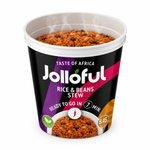
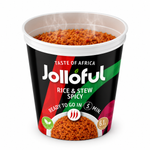
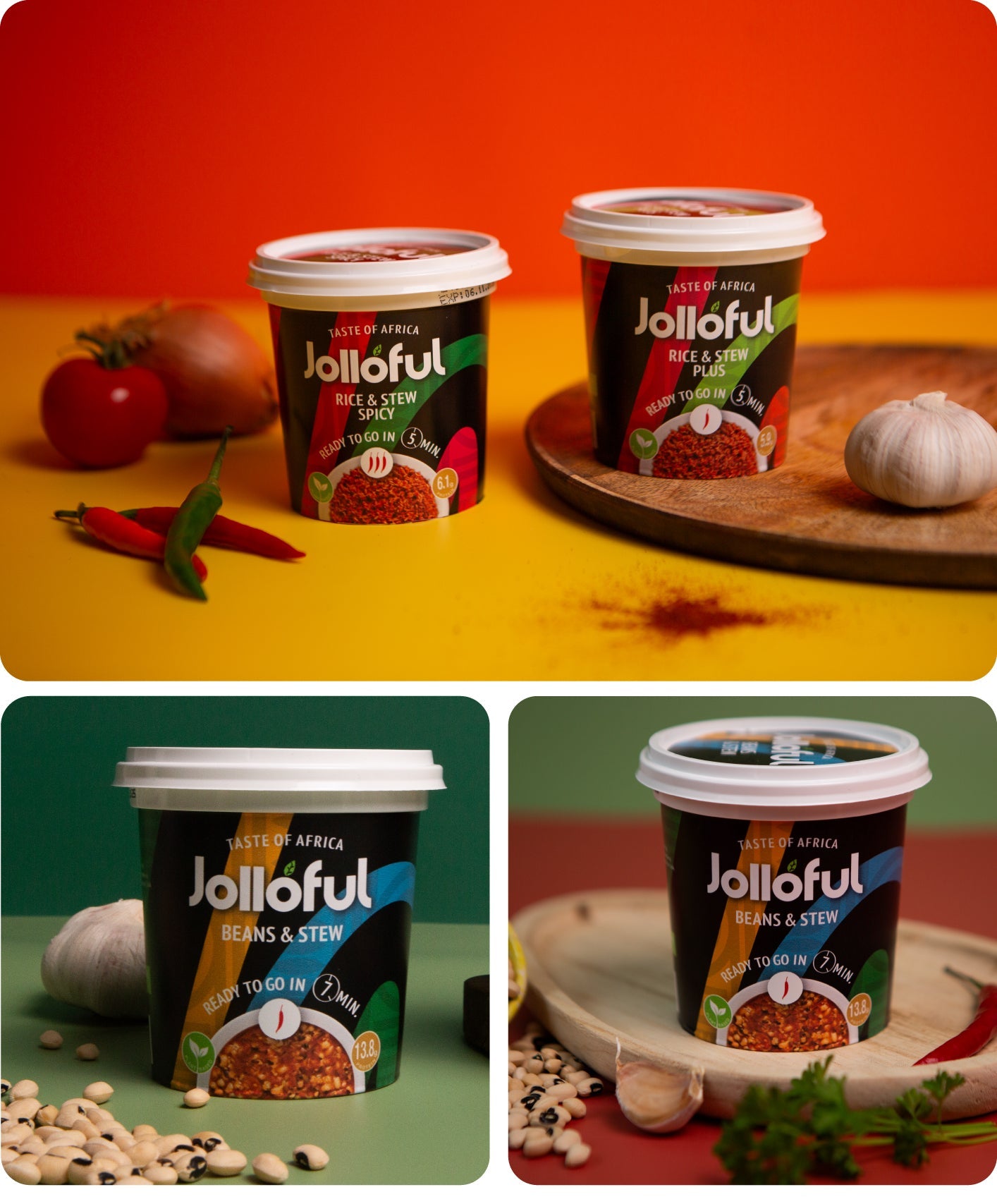
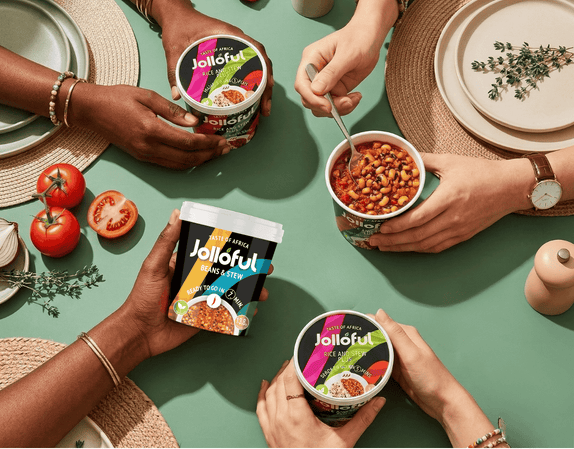
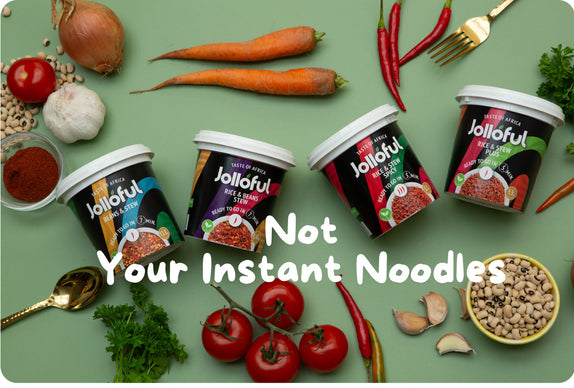
Jolloful makes this kind of everyday eating possible with ready-to-go West African meal cups made for bold flavour, real ingredients and modern schedules. It is not about copying old-school instant food. It is about making culturally rooted meals easier to enjoy wherever life takes you.
Buying African food online with confidence
Before checking out, look for clear preparation details, ingredient information and delivery coverage for your area. This is especially useful when ordering across the UK, or Germany, where availability can vary. A brand should make it easy to understand what arrives, how it is stored and how long it will keep.
Do not judge authenticity by a single rigid standard, either. African cuisine is not one flavour, one country or one way of eating. It is vast, regional and constantly evolving, including in the diaspora. What matters is respect for the recipe, honest ingredients and a flavour that feels intentional rather than watered down for convenience.
The next time your schedule is full and your cupboard is looking thin, choose food with more to say. Keep a few bold meals within reach, make room for something rooted in culture, and let quick eating taste like an actual decision - not an afterthought.


Leave a comment