
Order your 8-pack / 12 pack box today
The best packaged meal earns its space in your cupboard on a busy Tuesday, not just with a beautiful box. A useful packaged African food comparison starts with the moment you actually need it: you are hungry, short on time, and unwilling to settle for something bland, powdery or disconnected from the food you love.
African cuisine has always had range, depth and serious flavour. Packaged food should carry that energy forward. It should make a fast lunch, late dinner or workday meal easier without flattening a whole continent’s cooking into one generic idea of “spice”.
What a Packaged African Food Comparison Should Measure
Convenience matters, but it is only one part of the decision. The real question is whether a product gives you a satisfying meal with ingredients, flavour and preparation that make sense for your life.
Start with the cooking method. Shelf-stable meals usually fall into a few camps: ready-to-eat pouches, frozen dishes, cooking sauces, meal kits and dried meal cups that rehydrate with hot water. None is automatically better. A cup can be useful when you have access to a microwave or hob. Frozen food can offer a more home-style texture, but needs freezer space and a quick route home after shopping. Sauces give flexibility, although you still need time and ingredients to build a full plate.
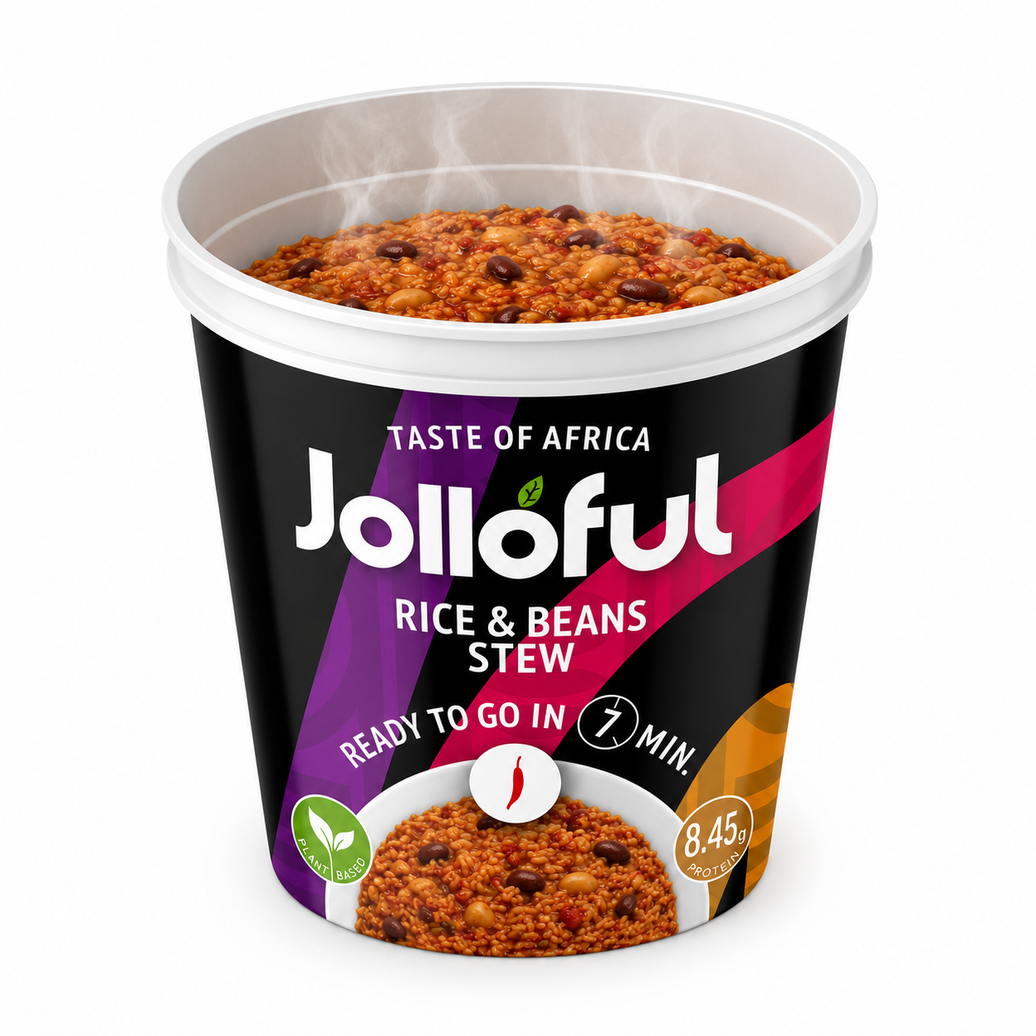
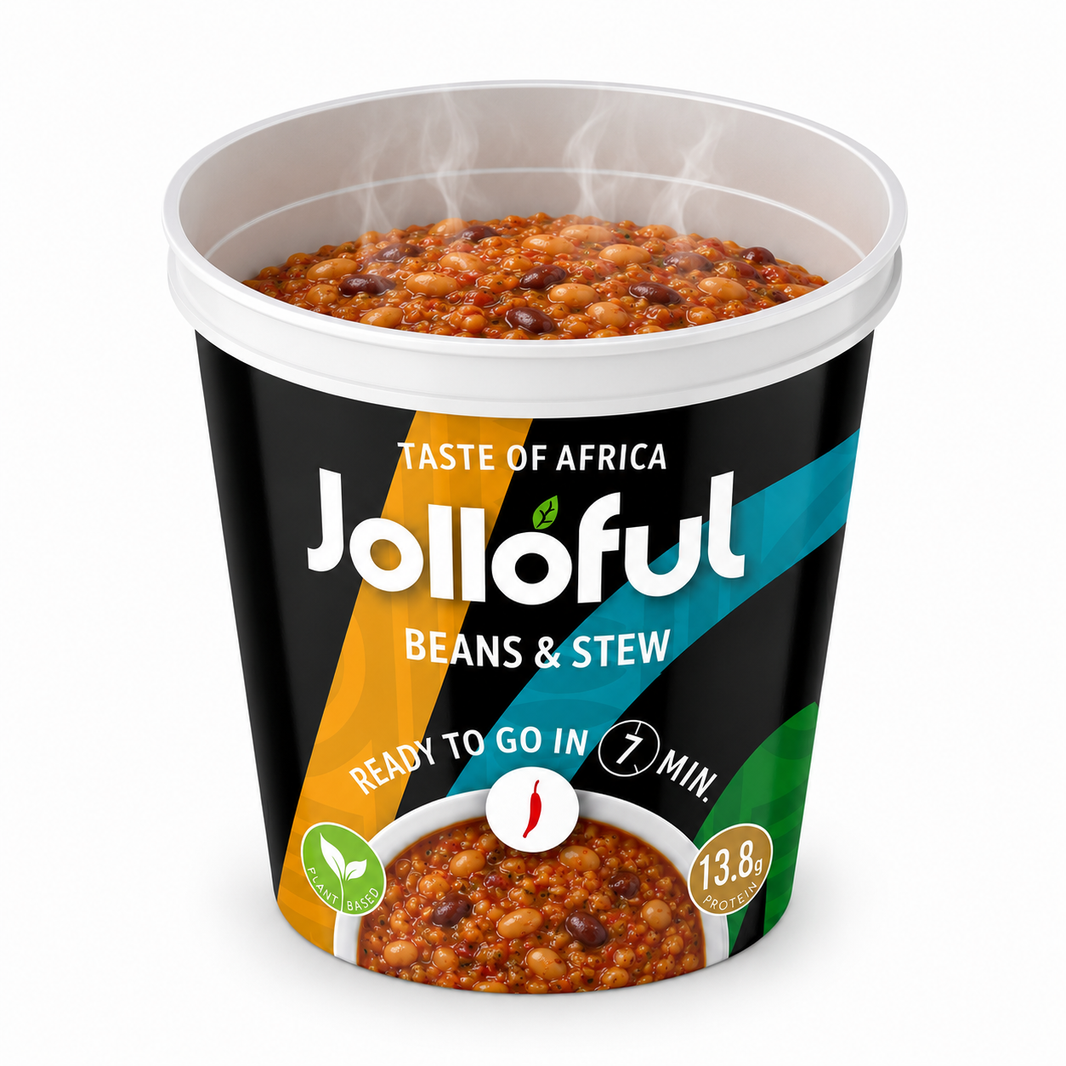
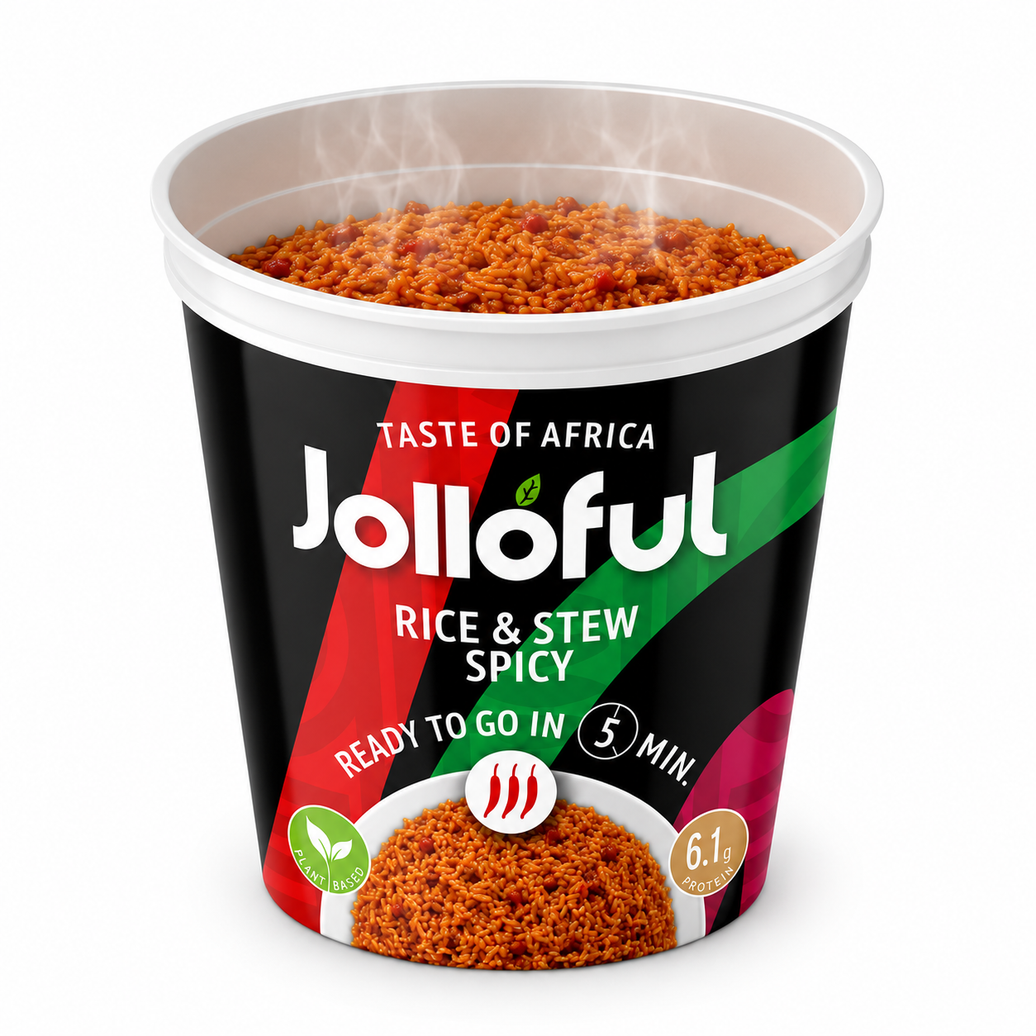
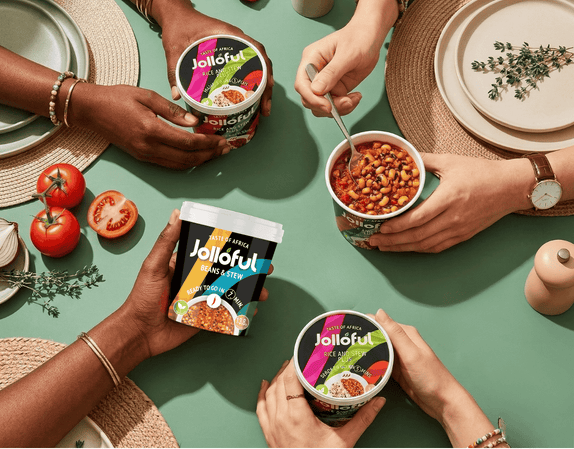
Hot-water meals answer a different need. They belong in the office drawer, university cupboard, travel bag or home pantry. If they are ready in five to seven minutes, they can turn a gap between meetings into a proper eating moment. The trade-off is that every ingredient has to perform after rehydrating, so the recipe and texture matter enormously.
Look Past the Front of the Pack
Words such as “authentic”, “inspired” and “African-style” can sound promising, but the ingredients panel tells a more useful story. Look for recognisable foods first: grains, pulses, vegetables, herbs, spices and thoughtfully chosen fats. A short label is not automatically superior, but a label you can understand usually makes it easier to know what you are buying.
Pay attention to artificial colours and added preservatives if those are things you prefer to avoid. Also check salt per serving rather than assuming every quick meal is heavily seasoned. Bold flavour does not have to mean a one-note hit of salt. Well-built seasoning has layers: warmth, savoury depth, brightness, heat and aroma.
Portion size deserves the same scrutiny. Some packaged products are snacks dressed up as meals. Others are generous but may need a side of greens, yoghurt, fruit or a simple salad to feel balanced. That is not a failure. A meal does not have to do every job on its own. What matters is being clear about whether you are buying a light lunch, a substantial dinner or a base to build on.
Flavour Has More Than One Setting
Do not treat “spicy” as a warning label or a promise of quality. Heat is personal, and African cooking traditions use it in many different ways. A good product should communicate whether the heat is gentle, medium or properly fiery, while still delivering flavour beyond chilli.
For first-time buyers, choose a meal that describes its main ingredients and flavour profile clearly. You should be able to tell whether you are getting a tomato-led dish, a rich peanut-based sauce, fragrant coconut notes, warming spices or a smoky savoury blend. That clarity makes trying something new feel exciting rather than risky.
For diaspora shoppers, the test can be more emotional as well as practical. Does the aroma feel familiar? Does the seasoning have character? Is the recipe respectful, rather than watered down for someone else’s comfort? Packaged food will never replace every meal made slowly at home, nor should it pretend to. Its job is to make cultural flavour available on the days when time is tight.
Compare the Format to Your Routine
The smartest choice depends on how you eat, where you work and what you can store. A parent managing a packed weekday may value a freezer-friendly option for family dinners. A student with one shelf and a kettle may need something lighter, shelf-stable and fast. A hybrid worker may want an easy lunch that does not leave the kitchen looking like a storm has passed through it.
Consider the real cost as well. The lowest price on the shelf is not always the best value if it requires extra ingredients, takes 30 minutes, or leaves you looking for snacks an hour later. Equally, premium packaging alone does not justify a premium price. Compare the serving size, preparation time, ingredient quality and whether you would genuinely enjoy eating it again.
Shelf life is a practical advantage, not a compromise by default. A well-made ambient meal can reduce last-minute takeaway spending and rescue the evenings when the fridge looks empty. It also gives you a reliable alternative to the usual beige convenience options. That is especially valuable when you want flavour with substance but have no appetite for a full cooking project.
Authenticity Is About Respect, Not a Marketing Costume
No single packet can represent African food. The continent contains countless food cultures, regional ingredients and cooking methods. Be wary of brands that use broad imagery but offer little detail about where their flavours, dishes or culinary ideas come from.
Respectful packaging gives shoppers something concrete: a named dish, a regional reference where appropriate, meaningful ingredient information and a flavour description that does not rely on clichés. It makes space for people who grew up with these foods and people meeting them for the first time.
It is also worth recognising that convenience changes a recipe. A shelf-stable format may adjust texture, ingredient ratios or cooking technique to stay safe and practical. The question is not whether the product recreates a grandparent’s kitchen exactly. The question is whether those changes preserve the heart of the food: its flavour logic, generosity and cultural grounding.
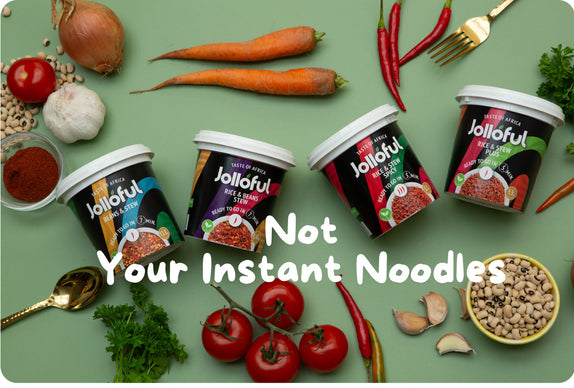
That is where brands such as Jolloful make a clear case for a better standard. Fast food can still be real food, rooted in culture. It does not need to imitate tired convenience categories to fit a modern cupboard.
A Better Way to Choose Your First Meal
When comparing products, begin with one that matches your preferred level of heat and your normal mealtime. Read the preparation instructions before buying, especially if you need access to a microwave, pan or just hot water. Then give the meal the small finishing touch it deserves. A squeeze of lemon, fresh herbs, sliced avocado or a spoonful of yoghurt can make a quick meal feel more personal without adding much effort.
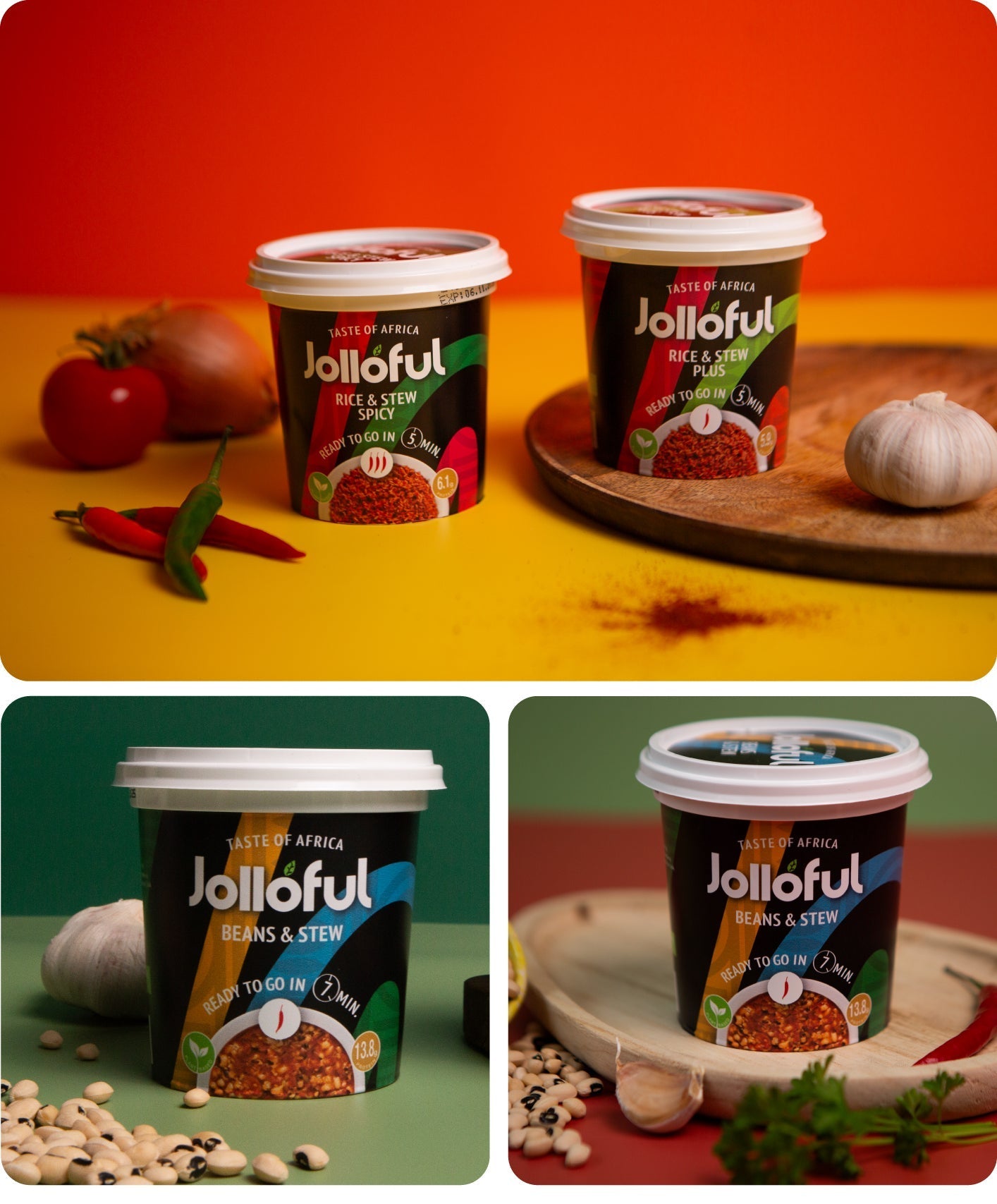
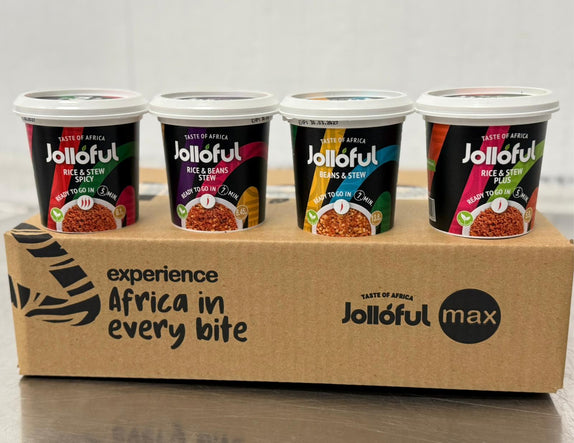
If you are buying for a household, variety packs can be a sensible way to learn what works. One person may want deeper heat; another may prefer a milder, fragrant dish. The goal is not to find one “best African meal” for everyone. It is to find flavours that fit your table and a format that fits your pace.
The Pack Should Make Life Bigger
The strongest packaged African foods do more than solve hunger. They bring choice back to the busiest part of the day. They make it possible to eat with flavour, curiosity and connection even when there is no time for a market run or an hour at the cooker.
Choose the meal that is honest about what it is, generous in flavour and easy enough to reach for again. Your cupboard can hold convenience without giving up character.



Leave a comment