


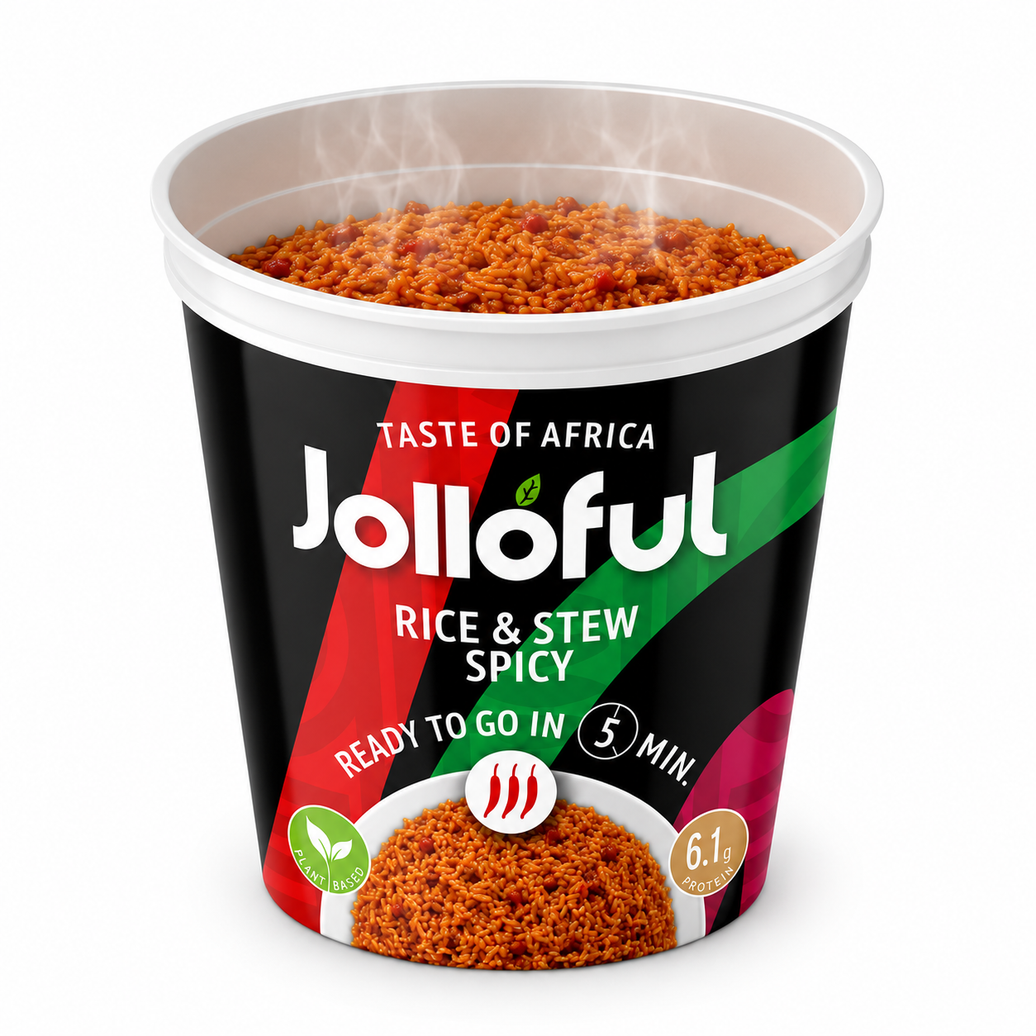




Order your 8-pack / 12 pack box today
A meal can take five minutes to make and still carry history, heat and serious flavour. That is the promise of African cuisine when it is made with respect: food built around real ingredients, layered seasoning and the kind of satisfaction bland convenience meals rarely deliver.
For many African households, these flavours are familiar. They bring back busy family kitchens, shared plates and recipes learned by watching rather than measuring. For everyone else, they are an invitation to eat beyond the usual rotation of pasta, sandwiches and forgettable ready meals. The good news is that getting started does not require a specialist kitchen, an entire Sunday afternoon or a long list of hard-to-find ingredients.
African cuisine is not one flavour
Africa is a continent of 54 countries, countless communities and deeply varied food traditions. Treating African cuisine as one single style misses the point. The smoky grilled spices of West Africa, the fragrant stews of East Africa, the slow-cooked dishes of North Africa and the richly seasoned foods of Southern and Central Africa each have their own character, ingredients and techniques.
What connects many of these cuisines is not one recipe. It is an approach to flavour. Aromatics are given time to develop. Chillies bring heat, but also fruitiness and depth. Tomatoes, onions, ginger, garlic, peppers, beans, grains, greens and warming spices do the heavy lifting. Food is designed to be comforting, generous and memorable.
That variety matters, especially when African food is reduced to a passing trend or presented as a challenge for only the most adventurous eater. It is neither. African cuisine is everyday food for millions of people: practical, nourishing and full of personality.
Big flavour has a purpose
The best African dishes do not rely on heat for shock value. Spice is part of balance. A pepper sauce might be sharp and bright; a groundnut-based stew can be mellow and rich; a grilled seasoning can bring smoke, savoury depth and a gentle tingle. There is room for people who want a serious kick and for those who prefer to start mild.
This is worth remembering if you have only encountered African food through a menu labelled “extra hot”. Heat is just one note. The real appeal is the layering: sweetness from slow-cooked onions, tang from tomatoes, earthiness from legumes, brightness from herbs and a satisfying savoury finish from carefully chosen seasonings.
It is also why a good African-inspired meal can feel so complete. You are not simply eating to fill a gap between meetings. You are eating something with texture, contrast and intention.
Why African cuisine fits modern life
A full pot of stew simmering on the hob is a beautiful thing. But it is not the only valid way to enjoy culturally rooted food. Work deadlines, school runs, late trains and small kitchens are real. Convenience matters. The question is whether convenience asks you to accept less flavour, less care and more unnecessary additives.
It does not have to.
Shelf-stable African meals offer a useful middle ground for people who want food that is quick but does not feel empty. Prepared with hot water in minutes, they can make lunch at a desk, dinner after the gym or a late-night study session feel far more considered than another packet of beige, overprocessed food.
The trade-off is honest: a fast meal will not replace the exact ritual of a dish cooked slowly by a parent, auntie or favourite local cook. It is not supposed to. Its job is different. It keeps bold, culturally meaningful flavour within reach when time and energy are short.
That is where brands such as Jolloful have a role to play: making Pan-African flavours practical for the way people actually live, without treating authenticity as an optional extra.
A better first step than a complicated recipe
Curiosity about African cuisine often begins with a restaurant meal, but your own kitchen is where it becomes part of life. Start with dishes and flavours that meet you where you are. If you love grilled food, look for smoky peppery seasonings and suya-style spices. If you enjoy comforting soups and stews, try tomato-rich sauces, beans or groundnut-forward dishes. If you prefer fresher flavours, explore dishes that feature citrus, herbs, vegetables and grilled fish.
There is no prize for choosing the hottest option first. Choose based on what you already enjoy, then build from there. A mild, satisfying meal is a far better introduction than one that leaves you reaching for a glass of milk.
When shopping for a convenient African meal, read beyond the front of the pack. Look for recognisable ingredients, clear preparation instructions and flavour descriptions that say something meaningful. “Spicy” alone tells you very little. Is it smoky? Tomato-led? Ginger-forward? Rich and nutty? Those details are where confidence begins.
Real food should work around your day
The old idea that quick food must be low-quality food is overdue for retirement. A long shelf life can be useful without becoming an excuse for artificial colour, added preservatives or flat flavour. For students, working parents, frequent travellers and anyone trying to keep a decent meal on hand, a well-made pantry option is not a compromise. It is smart planning.
Keep a few satisfying meals where life tends to get chaotic: at work, in the kitchen cupboard or packed for a weekend away. Add something simple if you have it - a handful of fresh herbs, sliced cucumber, avocado, grilled chicken or a fried egg. But do not feel obliged to dress up every meal. A properly seasoned bowl should stand on its own when that is all the time you have.
This is especially valuable for diaspora households. Familiar food can offer more than flavour. It can be a small point of connection on a hard day, a reminder of home when home is far away, or an easy way to share part of your culture with friends who have never tried it before.
Respect the roots, welcome the table
African cuisine deserves enthusiasm, but it also deserves accuracy. Give dishes their proper names where possible. Recognise that recipes vary by country, region and family. Avoid assuming one person can speak for an entire continent. Food evolves when people move, adapt recipes and cook with what is available, yet its roots should still be acknowledged.
That balance makes eating more interesting. You can enjoy a modern, fast version of a traditional flavour while still appreciating the people and places that shaped it. Cultural pride and convenience are not opposites. Neither are heritage and innovation.
The next time dinner needs to happen quickly, do not settle for food that tastes like an afterthought. Make space for African cuisine: bold enough to wake up your routine, practical enough for a weekday, and rich enough to turn a few spare minutes into a meal worth remembering.


Leave a comment