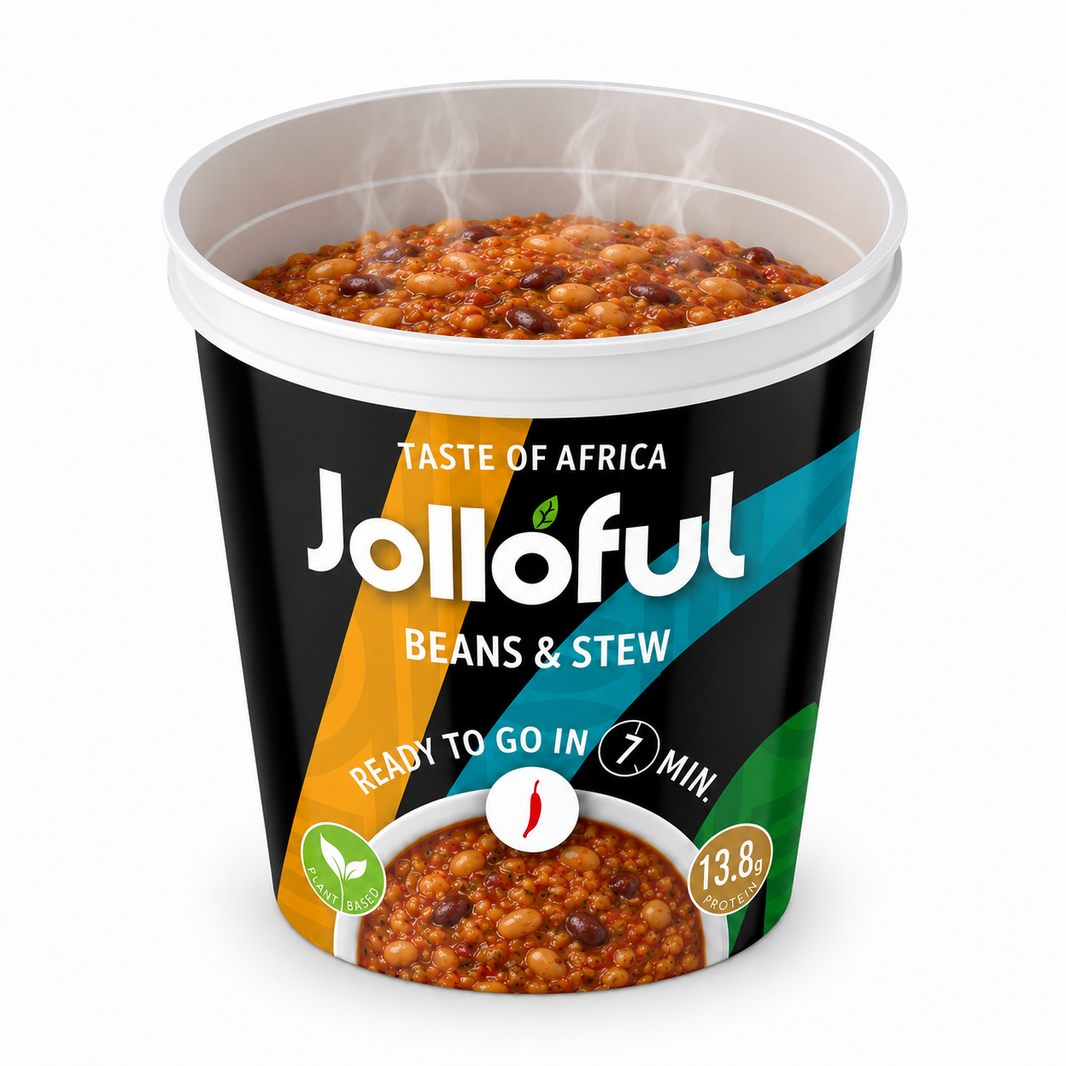
Order your 8-pack / 12 pack box today
A sandwich can solve lunch in two minutes. But by 3pm, a cold slice of bread, wilted leaves and a thin filling can feel less like a meal and more like a compromise. In the debate around hot water meals versus sandwiches, the real question is not which option is quickest. It is which one gives a busy day proper flavour, satisfying substance and a little more care.
For commuters, students, office teams and anyone working through a packed afternoon, convenience matters. It just should not require settling for bland food or flavours that have nothing to say.
Hot Water Meals Versus Sandwiches: What Actually Changes?
Sandwiches win on pure immediacy. Pick one up, unwrap it and eat. No kettle, bowl or five-minute wait required. They are easy to carry, familiar and available almost everywhere, from a corner shop to a station fridge.
That simplicity has limits. A sandwich is usually made hours before you eat it. Bread can become dry or damp, salads can lose their crunch, and fillings often rely on mayonnaise, cheese or processed meat to carry the experience. There are excellent sandwiches, of course, especially from a good deli or made fresh at home. But the everyday grab-and-go version can be repetitive and surprisingly underwhelming.
Hot water meals ask for one small extra step: access to hot water and a few minutes of patience. In return, you get warmth, aroma and a meal that is prepared when you are ready to eat. That matters more than it sounds. Steam carries spice. Grains soften properly. Sauces come alive. Lunch feels like lunch rather than something eaten between emails.
For people who value cultural flavour as much as speed, that distinction is significant. A shelf-stable meal can still be rooted in real culinary tradition. Convenience does not need to flatten the food.
Speed Is More Than Eating Time
A sandwich is fast at the desk, but it often involves a separate lunch run. You need to buy it that day or prepare it the night before, then keep it chilled and transport it without crushing it in your bag. If you forget, lunch becomes another decision to make while hungry.
A hot water meal takes around five to seven minutes to prepare, depending on the recipe. That is longer than unwrapping bread, but the wider routine may be easier. Keep a few meals in your desk drawer, kitchen cupboard or work bag. When meetings overrun or the fridge is empty, you still have a dependable lunch waiting.
This is where shelf stability earns its place. It offers a practical kind of freedom: fewer emergency lunch purchases, less pressure to plan every meal, and food that is ready when your day changes shape. For hybrid workers and regular travellers, that reliability can outweigh the extra few minutes of preparation.
The kettle test
The deciding factor is simple. Do you have access to hot water? In most offices, campuses, hotels and shared kitchens, the answer is yes. At a park, on a train without catering or during a day of back-to-back errands, a sandwich is more practical.
Neither choice wins every situation. A great lunch strategy has room for both. The point is to stop treating sandwiches as the only realistic fast option.
Warmth, Flavour and the Feeling of a Real Meal
There is a reason hot food can reset an afternoon. It slows you down just enough to take a proper break, and it feels more substantial even when the preparation is simple. Warm spices, savoury depth and a satisfying texture create an experience that cold bread rarely matches.
This is especially true when the meal has a point of view. African food is not a novelty flavour added to a generic convenience format. It carries regional ingredients, techniques and histories that deserve to be tasted with confidence. A well-made hot meal can bring bold chilli, rich tomato, smoky notes, beans, grains and layered seasoning into an ordinary weekday without asking you to spend an hour cooking.
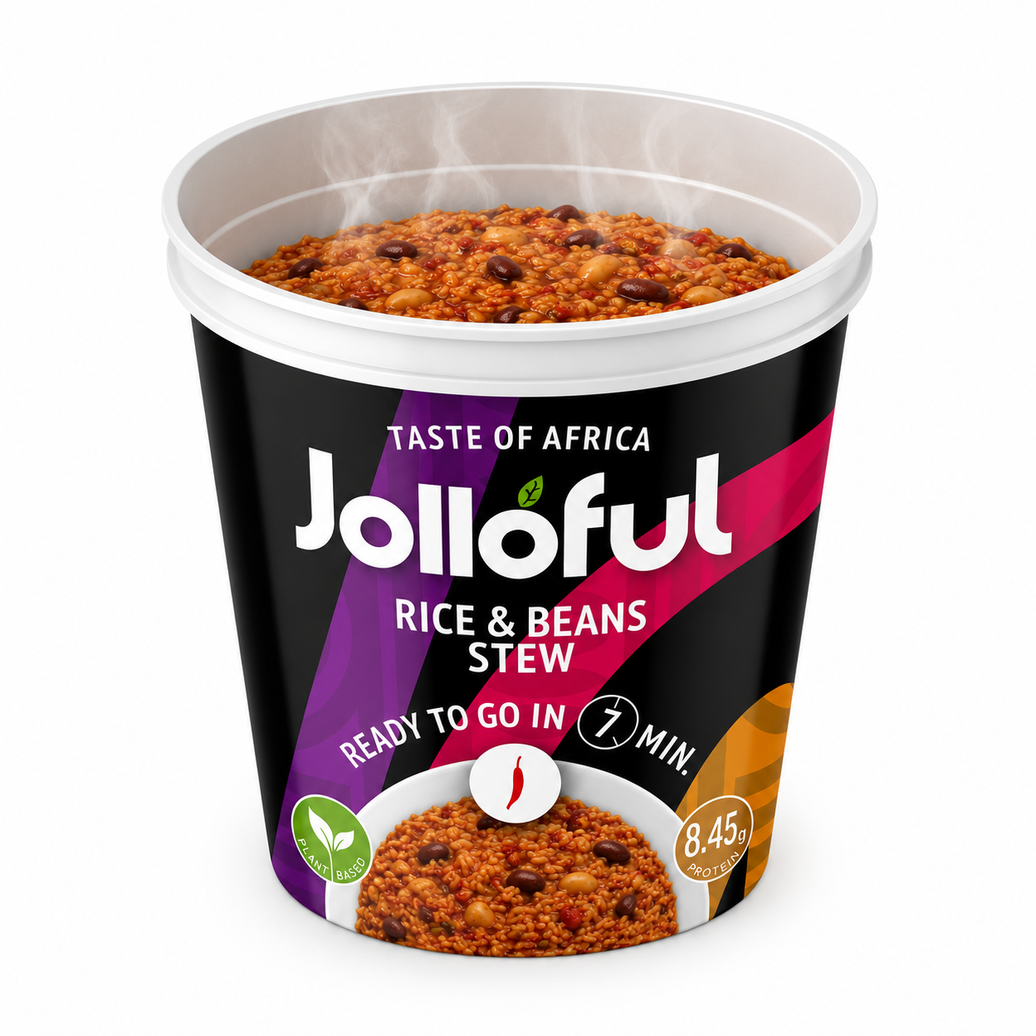
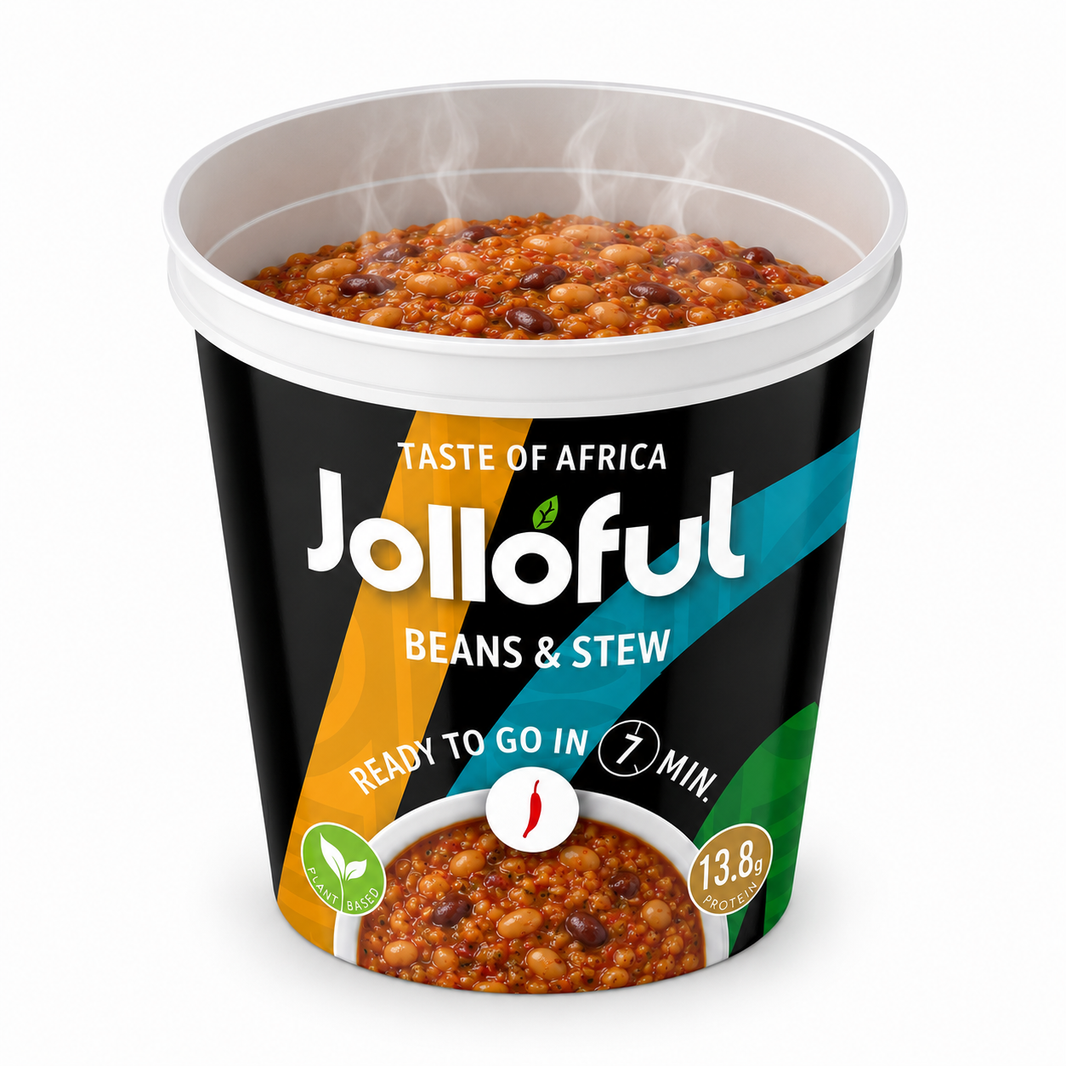
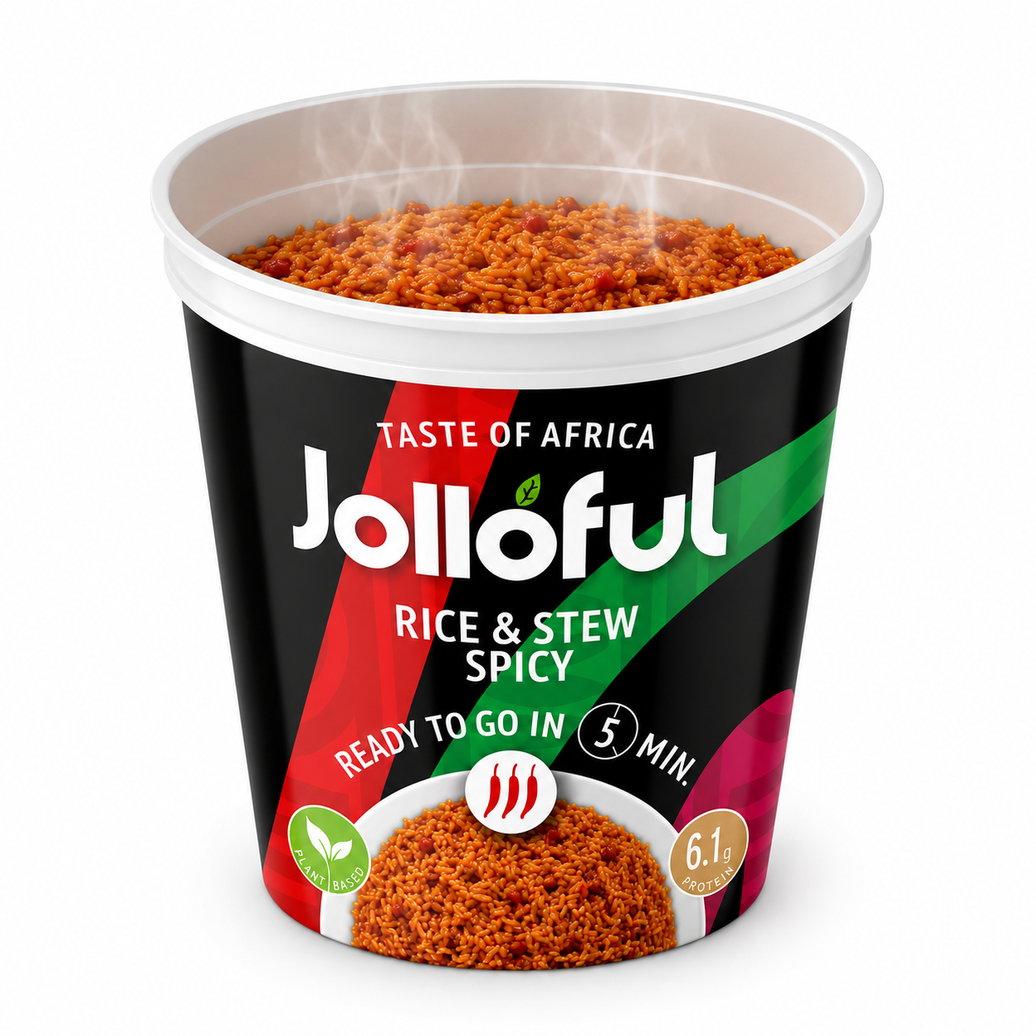
That is the opportunity behind brands such as Jolloful: making culturally rooted African meals available when modern life is moving quickly. Not watered down. Not treated as an afterthought. Simply ready when you are.
Sandwiches can be full of character too. A sharp pickle, a quality spread, roasted vegetables or a properly seasoned filling changes everything. Yet those are not always the options sitting in a supermarket chiller at 12.45pm. The standard sandwich often prioritises familiarity over excitement. A hot water meal makes a stronger case when you want lunch to taste memorable.
Which Option Keeps You Full?
Fullness depends on the individual meal, not just whether it is hot or cold. A generously filled sandwich with protein, vegetables and wholegrain bread can keep you going well. A small hot meal with little protein or fibre may not.
Still, it is worth looking beyond the front-of-pack promises. Many ready-made sandwiches are bread-heavy, modest on vegetables and light on the ingredients that give a meal staying power. The result is the familiar mid-afternoon hunt for biscuits, crisps or another coffee.
When comparing options, look for a satisfying balance of carbohydrates, protein, fibre and ingredients you recognise. Beans, lentils, vegetables and grains can offer real substance, while thoughtfully used spices deliver flavour without asking you to drown the meal in extra sauces. Clean labels matter here too. Fast food should not mean a long list of additives you would never use at home.
Hot water meals are not automatically healthier, just as sandwiches are not automatically inferior. The smarter choice is the one with enough substance for your day and an ingredient list you feel good about.
Cost and Food Waste: The Quiet Difference
The apparent cost of a meal is not always the price on the shelf. Buying a sandwich several times a week adds up, particularly in city centres and transport hubs. It can also lead to waste: the sandwich bought with good intentions, then left in the office fridge after a last-minute lunch meeting.
Shelf-stable hot meals work differently. Because they wait safely in the cupboard, you can buy with a little more foresight and use them when needed. That makes them useful as a lunch backup, a late dinner after a long commute, or the meal that saves you from ordering something forgettable.
They also reduce dependence on chilled storage. That is helpful in a small flat, a busy shared house or a workplace fridge already packed with abandoned yoghurt pots and mystery containers.
When a Sandwich Is Still the Right Call
There is no need to turn lunch into a loyalty test. Choose a sandwich when you are eating on the move, have no access to hot water, or genuinely fancy a fresh, well-filled one. A homemade sandwich can be brilliant: good bread, leftovers, crunchy vegetables and a punchy dressing make it far more than a convenience food.
Choose a hot water meal when you want a warm, flavour-led lunch with minimal effort, when you need something shelf-stable on standby, or when another beige meal sounds deeply unappealing. It is particularly useful on days when cooking from scratch is not realistic but eating well still matters.
Make Your Fast Lunch Less Predictable
The best convenience food fits your life without making every meal taste the same. Keep sandwiches for the days they make sense. Keep a few hot water meals nearby for the moments when you need warmth, depth and a reliable answer to the question, “What am I eating?”
A quick lunch can still carry real flavour, real ingredients and real cultural pride. That is a better standard to bring to the working day.


Leave a comment