
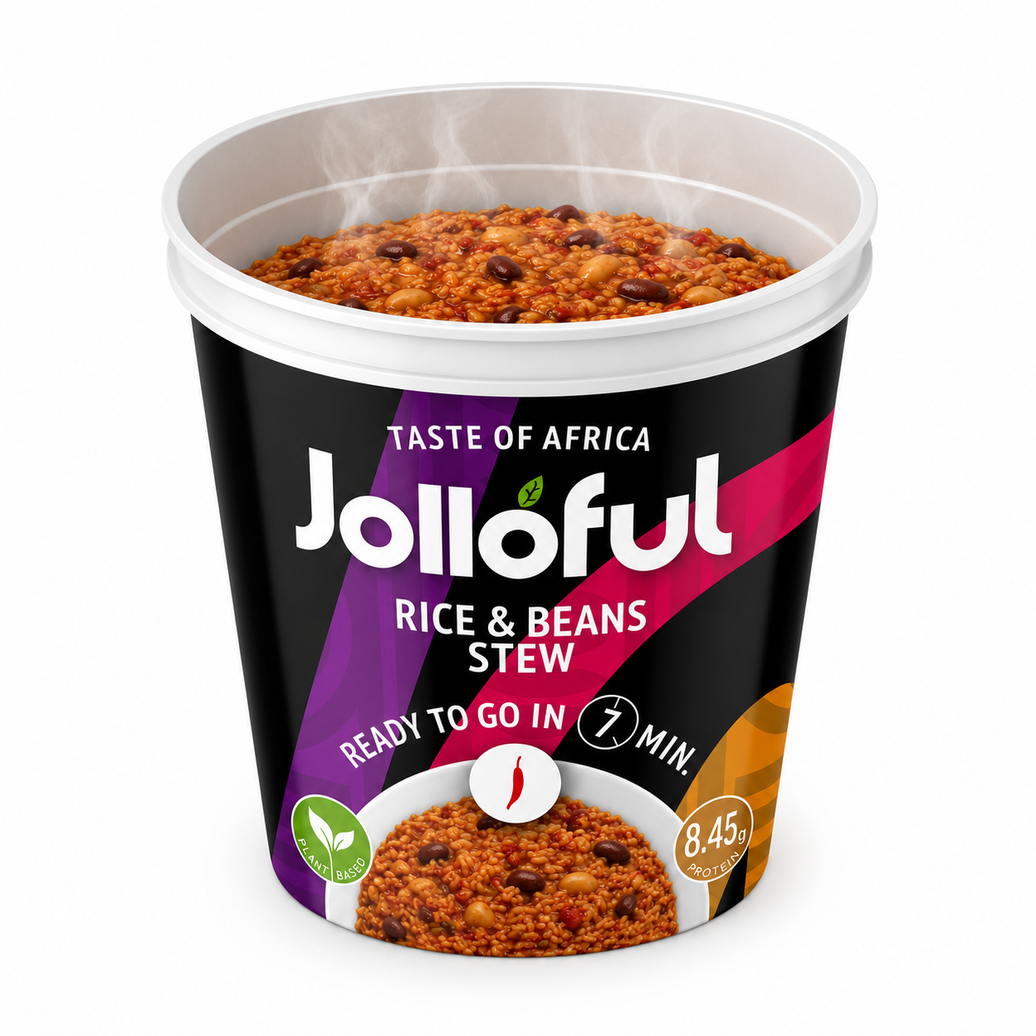
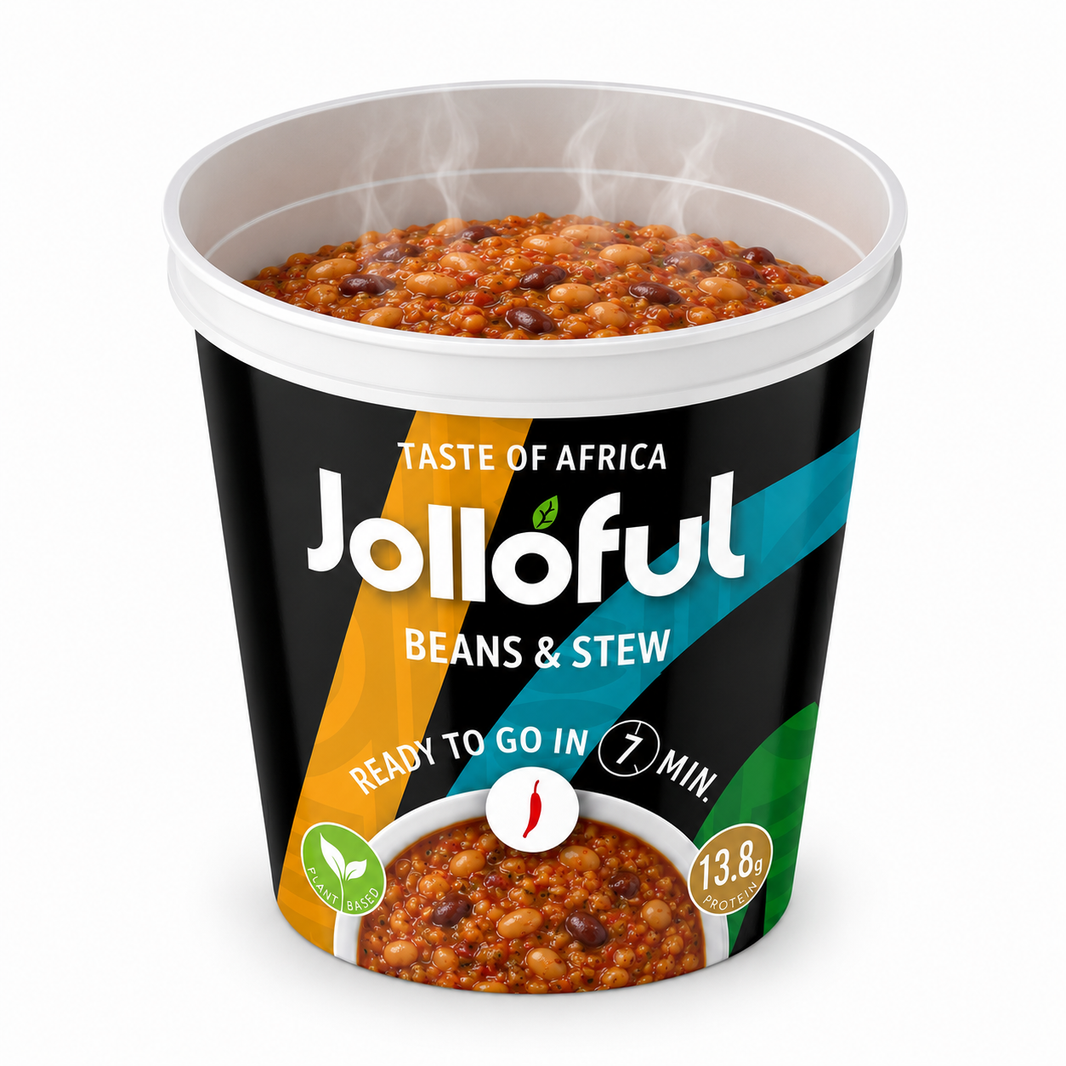
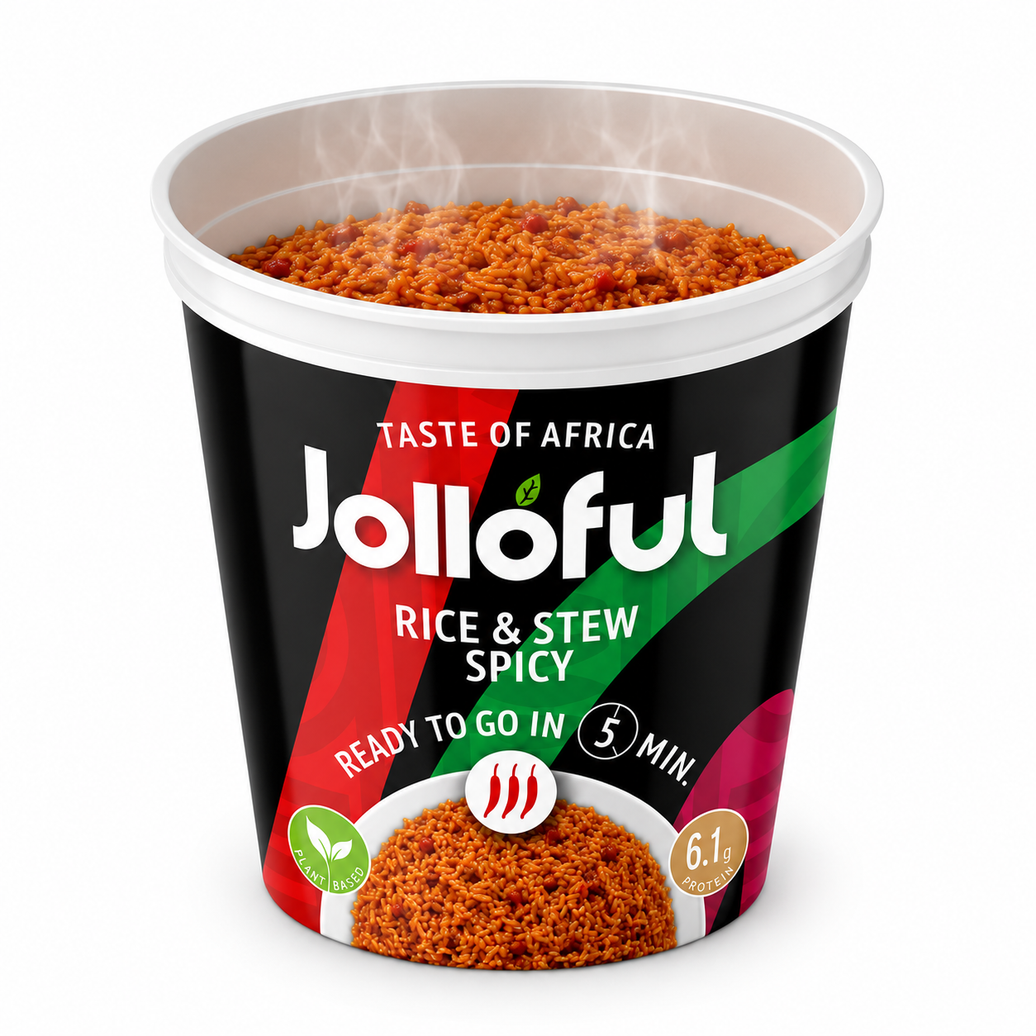
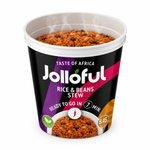
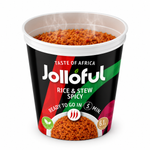

Order your 8-pack / 12 pack box today
African food wholesale is no longer a niche request tucked away in one aisle. Customers want food that is fast, flavour-led and rooted in somewhere real. For retailers, workplace buyers and hospitality teams, that creates a clear opportunity: stock African meals that meet modern routines without reducing a rich food culture to a trend.
The strongest wholesale range does more than add variety. It gives diaspora customers flavours that feel familiar, offers curious shoppers an easy first taste, and provides busy people with a proper meal option when time is short. The standard should be simple: real food, confident flavour and convenience that does not feel like a compromise.
What buyers should expect from African food wholesale
Wholesale buying is often judged on margin, shelf life and delivery reliability. Those matter. But with African food, representation matters too. Shoppers can spot the difference between products built with care and products dressed up in vague “global” language.
Start with the recipe. A product should make its regional inspiration clear, rather than flattening a whole continent into one generic flavour profile. African cuisine is not one taste, one spice level or one way of eating. West African, East African, North African, Central African and Southern African food traditions each bring distinct ingredients, techniques and stories. A thoughtful range respects that breadth while making the meal easy to understand.
Ingredient standards deserve the same attention. Modern shoppers increasingly turn the pack over before they buy. They want recognisable ingredients, no artificial colour and no added preservatives where possible. That does not mean every meal must be mild or stripped back. Quite the opposite. Bold seasoning, beans, grains, vegetables and warming spice can deliver the depth people expect without relying on the shortcuts associated with low-quality convenience food.
Then there is preparation. A shelf-stable meal that is ready with hot water in five to seven minutes can work across far more occasions than a frozen product. It suits a desk lunch, a late train home, a student kitchen, a family cupboard and a workplace pantry. For a wholesale customer, that flexibility helps a product earn its shelf space.
Choose products built for real routines
A wholesale catalogue can look impressive and still be difficult to sell. The question is not simply whether a product tastes good. It is whether customers can immediately see where it fits into their day.
Shelf-stable formats make this easier. They avoid the pressure of chilled storage, reduce waste risk and travel well through e-commerce fulfilment. They are also practical for smaller shops and offices where fridge space is limited. The trade-off is that packaging and portion size must work harder. A meal needs to look premium, communicate preparation clearly and leave customers feeling properly fed.
Price positioning also needs care. African food should not be pushed into the bargain corner just because it is convenient. Good ingredients, culturally grounded recipes and dependable packaging have value. At the same time, a price that feels out of reach can stop first-time shoppers from trying something new. Variety packs, introductory bundles and sensible single-unit pricing can lower that barrier without cheapening the product.
For retailers in the UK and Germany, clear front-of-pack communication is particularly useful. Shoppers may be drawn in by vibrant flavours but hesitate if they do not know what to expect. Explain the taste in direct language: rich tomato, smoky pepper, warming herbs, coconut, beans or savoury grains. Be honest about heat levels. “Spicy” means different things to different people, and trust is more valuable than a dramatic claim.
Authenticity is not a marketing garnish
Authenticity is often treated like a label to apply at the end. It should begin with who develops the food, how recipes are approached and how the product is described.
That does not require every product to replicate a home-cooked meal exactly. Shelf-stable food has different constraints, and adaptation is part of making it accessible. The key is respect. Keep the flavour logic intact, name ingredients accurately and avoid simplifying food traditions into novelty. A modern format can still carry cultural integrity.
For diaspora shoppers, this can be deeply personal. Food is memory, routine and connection. For newcomers, it is an invitation. The best wholesale products serve both groups without speaking down to either one.
Build a range that is easy to buy and easy to repeat
A strong range usually starts focused. Instead of filling a fixture with dozens of unfamiliar items, choose a small number of meals with distinct profiles and clear use occasions. One might appeal to customers who enjoy gentle, aromatic dishes; another may suit people looking for a fuller chilli kick. The aim is choice with direction, not confusion.
Merchandising shapes the result. African meals can perform well beside global pantry staples, in lunch-and-go areas, within better convenience displays or as part of a dedicated African food selection. The right placement depends on the store and its customers. A specialist grocer may benefit from cultural context and a broader set of products. A mainstream retailer may see better uptake by placing ready meals where time-pressed shoppers already look for lunch.
Do not hide the range in an “international” section with no signposting. That approach asks the customer to do all the work. Use simple language that tells them what the product is, how quickly it is ready and why it is worth choosing. Sampling can help where practical, especially for a new launch, but the pack should still make sense when nobody is there to explain it.
Repeat purchases are the real test. Customers come back when the portion is satisfying, the instructions work, the flavour is consistent and the meal feels worth its place in their weekly shop. Novelty may win a first sale. Quality earns the second.
Questions to ask an African food wholesale supplier
Before bringing a product into your range, ask how it is made, not just how it is priced. A capable supplier should be able to explain the product’s shelf life, storage requirements, case configuration, lead times and allergen information clearly. They should also have a confident answer when you ask about recipe inspiration and ingredient choices.
It is worth checking whether the product is designed for the channel you serve. A small independent shop may need lower minimum order quantities. A workplace provider may prioritise fast preparation and easy waste management. An online retailer needs packs that can handle fulfilment without arriving damaged. There is no universal best format. There is the format that works for your customer and operation.
Ask about consistency too. Can the supplier maintain stock as demand grows? Are batch quality checks in place? Is the packaging legible at a glance? A distinctive design can bring a customer to the shelf, but clean product information keeps them confident at checkout.
Jolloful is built around this modern expectation: culturally rooted African meals made for busy lives, with bold flavour, shelf-stable practicality and ingredients that do not need a long explanation.
Why this category has staying power
The demand behind African food is bigger than a passing flavour cycle. Consumers are tired of convenience meals that are bland, overly processed and instantly forgettable. They want food with personality. They also want options that reflect the communities they live in and the cuisines they already enjoy at home, in restaurants and with friends.
Wholesale buyers who take the category seriously can meet that demand without overcomplicating their offer. Choose meals with credible recipes, transparent ingredients and preparation that fits real life. Give customers enough guidance to feel confident, then let the flavour do its job.
The next great pantry staple does not have to be familiar on day one. It just has to be easy to try, genuinely good to eat and worth reaching for again when dinner needs to happen fast.


Leave a comment