
You can usually tell within one mouthful when a so-called quick meal was built for convenience alone. The flavour is flat, the texture is strange, and the ingredient list reads more like a chemistry worksheet than dinner. That is exactly why people ask, can instant meals have real ingredients? It is a fair question, especially if your benchmark for “instant” has been bland noodles, powder-heavy sauces, or microwave meals that all taste vaguely the same.
The short answer is yes. Instant meals can absolutely have real ingredients. But not all of them do, and the difference comes down to how the food is made, what the brand believes convenience should mean, and whether speed has replaced actual cooking wisdom.
Can instant meals have real ingredients in practice?
A meal does not stop being real food because it is fast. Shelf-stable does not automatically mean fake. Instant does not automatically mean ultra-processed. Those assumptions come from years of low-standard convenience food setting the bar painfully low.
Real ingredients in an instant meal usually mean recognisable foods you would expect to find in a proper kitchen - grains, vegetables, herbs, spices, legumes, oils, and thoughtfully prepared sauces or seasoning blends. The goal is not to imitate food. The goal is to preserve it, portion it, and make it easier to prepare.
That distinction matters. There is a big difference between a meal that has been dried or stabilised to keep it safe and practical, and a meal that is mostly fillers, additives, artificial flavouring and vague “powder” doing all the heavy lifting.
If the ingredients still sound like food, that is a strong starting point. If the flavour comes from peppers, onions, garlic, tomatoes, spices, grains and pulses rather than synthetic shortcuts, you are in a different category entirely.
Why instant food got a bad reputation
Convenience food did not earn trust by accident. For years, much of the category trained people to expect the cheapest route to fullness, not a satisfying meal. That often meant excessive salt, artificial colour, low-quality fats, preservatives doing too much work, and a flavour profile built around intensity rather than depth.
It also meant cultural flattening. Foods from around the world were often reduced into generic “ethnic” flavours with none of the care, complexity or respect that makes those cuisines worth eating in the first place. Fast became a licence to cut corners.
So when shoppers in the UK, Ireland or Germany look at a shelf-stable meal and feel sceptical, that scepticism makes sense. They have seen too many products promise comfort and deliver compromise.
But the category has changed. Consumers now expect more. They read labels. They care about where flavours come from. They want meals that fit modern life without feeling like a downgrade. That shift has made room for instant meals built differently.
What makes an instant meal feel genuinely real
The first thing is ingredient integrity. If a meal starts with proper ingredients, it has a fighting chance. If it starts with engineered substitutes, it usually tastes like one.
The second is restraint. Better instant meals do not try to simulate complexity through a wall of additives. They let actual ingredients do the work. Real spices bring heat. Real vegetables bring sweetness, aroma and body. Real grains and legumes bring texture and substance.
The third is recipe honesty. Not every dish adapts perfectly to an instant format. Some foods travel well into shelf-stable form. Others lose too much on the way. A brand that respects food will choose formats and recipes that can still taste like themselves after drying, sealing or quick preparation.
Texture is often where weak products get exposed. A meal can have decent seasoning and still fail if every bite is mushy, dusty or oddly rubbery. Real ingredients need thoughtful processing to hold up well. That takes more care than simply making something last on a shelf.
The role of drying, shelf life and preparation
Some people hear “shelf-stable” and assume the food must be artificial. It is not that simple. Drying is one of the oldest preservation methods in the world. It removes moisture so food lasts longer, while keeping many of the ingredients themselves intact.
That does not mean every dried meal is excellent. It means the process itself is not the problem. A well-made instant meal can use drying or dehydration to preserve the core of the dish while keeping preparation time short. Add hot water, wait a few minutes, and the ingredients rehydrate into something recognisable and satisfying.
There are trade-offs, of course. Freshly cooked food straight from the hob will always have certain advantages. You may get a livelier texture or a bit more immediacy in aroma. But convenience does not have to erase quality. For many busy people, the realistic comparison is not between an instant meal and a leisurely home-cooked lunch from scratch. It is between an instant meal and skipping lunch, ordering something forgettable, or eating crisps at your desk.
Seen that way, a properly made instant meal can be a serious upgrade.
Can instant meals have real ingredients and still taste authentic?
Yes, but authenticity is where many brands get exposed.
A meal can use real ingredients and still miss the point if the recipe has been softened, stripped back or reformulated until it no longer tastes rooted in anything. Authenticity is not about a marketing line or a flag on the packaging. It is about whether the flavours still carry the structure, heat, balance and identity of the dish they claim to represent.
That matters even more with African food. These are cuisines with deep regional character, bold seasoning, and serious culinary history. They should not be reduced to novelty or watered down to fit the tired convenience-food mould. If an instant African meal is going to deserve attention, it needs to respect the original flavour logic of the dish, not just borrow the name.
That is why ingredient quality and cultural credibility belong in the same conversation. Real food is not only about what is absent, like artificial colour or unnecessary preservatives. It is also about what is present - the proper spice profile, the right savoury depth, the heat, the aroma, the sense that someone who understands the food actually built it.
How to tell if an instant meal is the real thing
Start with the label. You do not need a nutrition degree for this. Look for ingredients you recognise and would actually cook with. If the list is packed with artificial flavourings, strange stabilisers and vague catch-all terms, that tells you something.
Then consider what the product is promising. If the entire selling point is speed and low price, quality may not be leading the conversation. If the brand talks clearly about ingredients, flavour and recipe origin, that is usually a better sign.
The wording matters too. “Inspired by” can sometimes mean “distantly related to”. “Instant” can mean either well-designed convenience or low-effort shortcuts. The product should be confident enough to tell you what is inside and why it works.
Finally, trust your palate. Real ingredients usually create more layered flavour. You can taste the difference between chilli heat and generic spice burn, between savoury depth and salt overload, between a meal that was thought through and one that was simply assembled.
Real ingredients matter more than ever
People are busier, but they are also less willing to settle. They want food that fits a train commute, a university schedule, a late office finish or a packed family evening without feeling like a nutritional or cultural compromise.
That is where the best instant meals now live. Not in the old bargain-bin category, but in a new one: food that respects your time and your standards. For diaspora households, that can mean easier access to familiar flavours that still feel like home. For curious first-time eaters, it can mean an easier entry into cuisines they may not have grown up with, without getting a watered-down version.
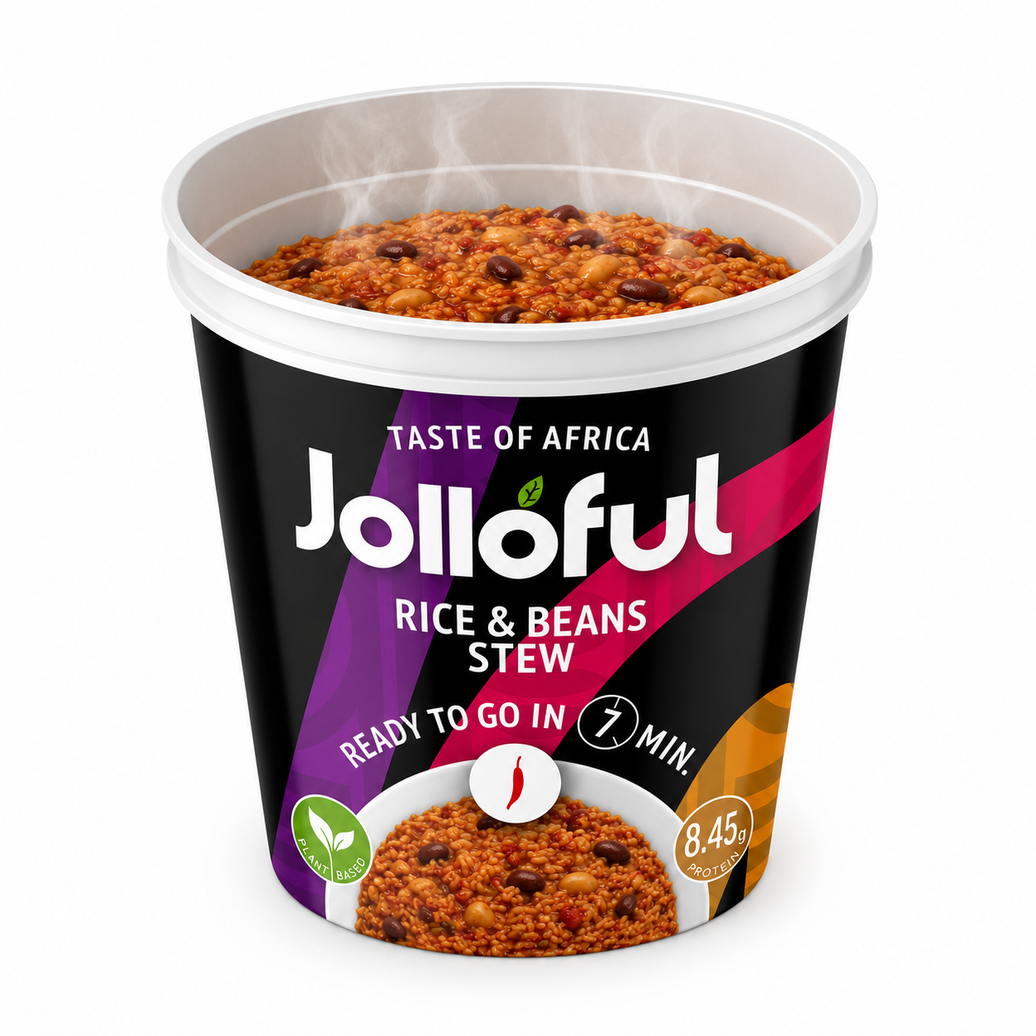
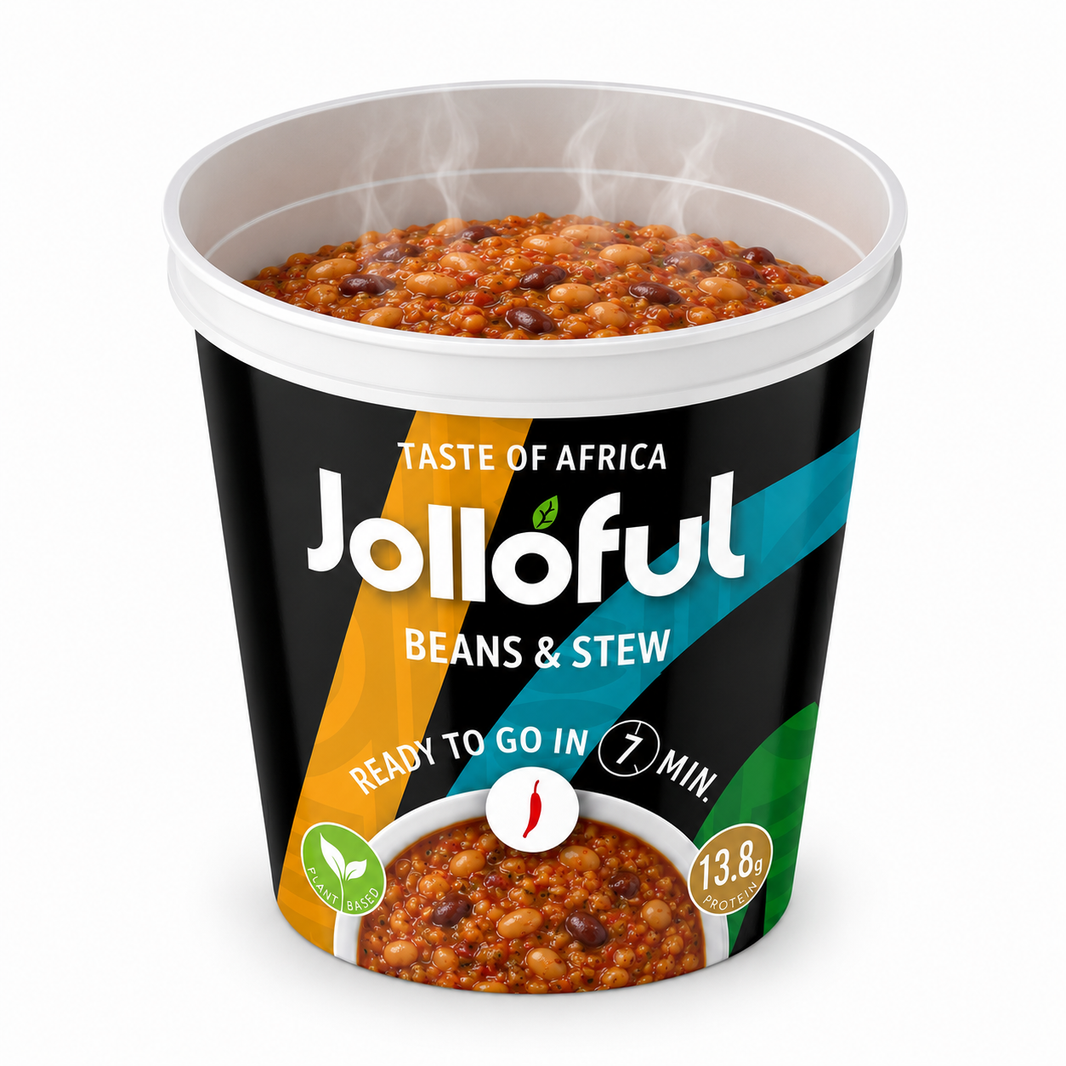
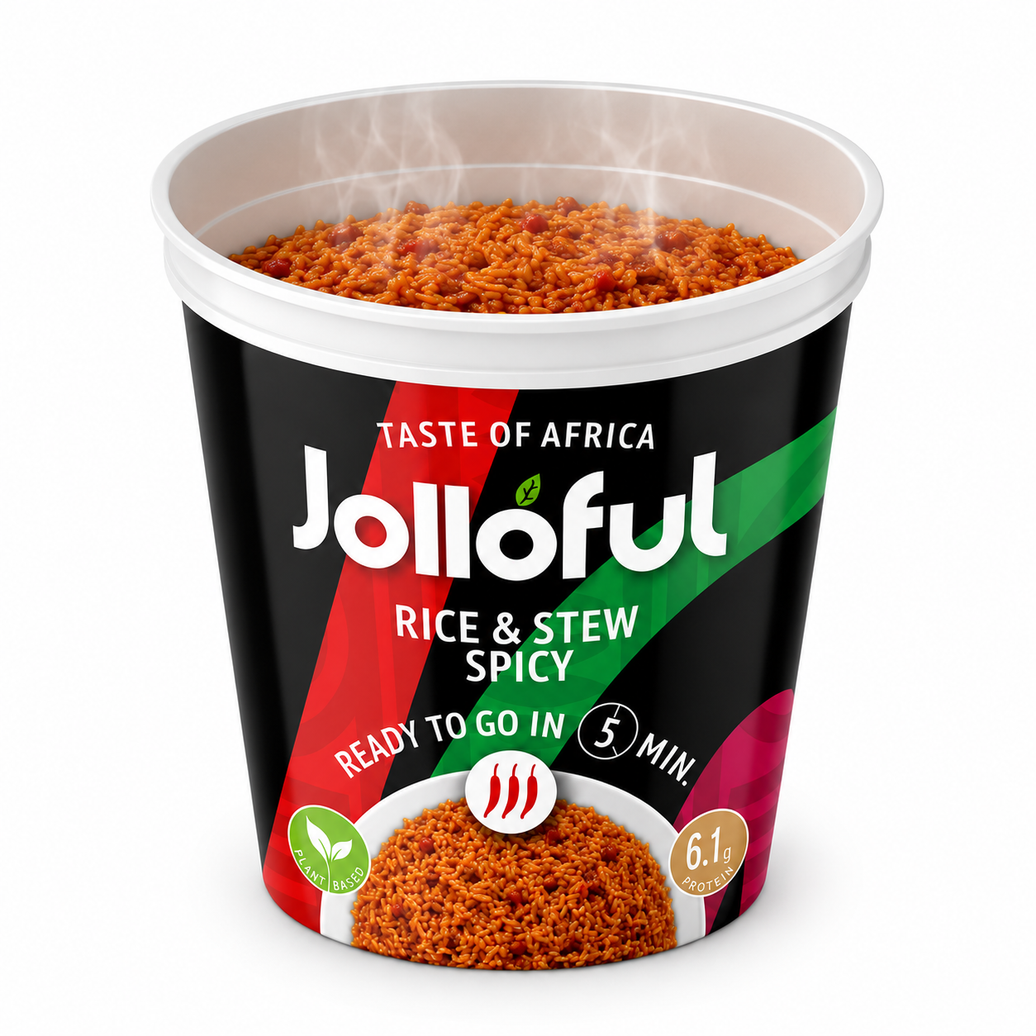
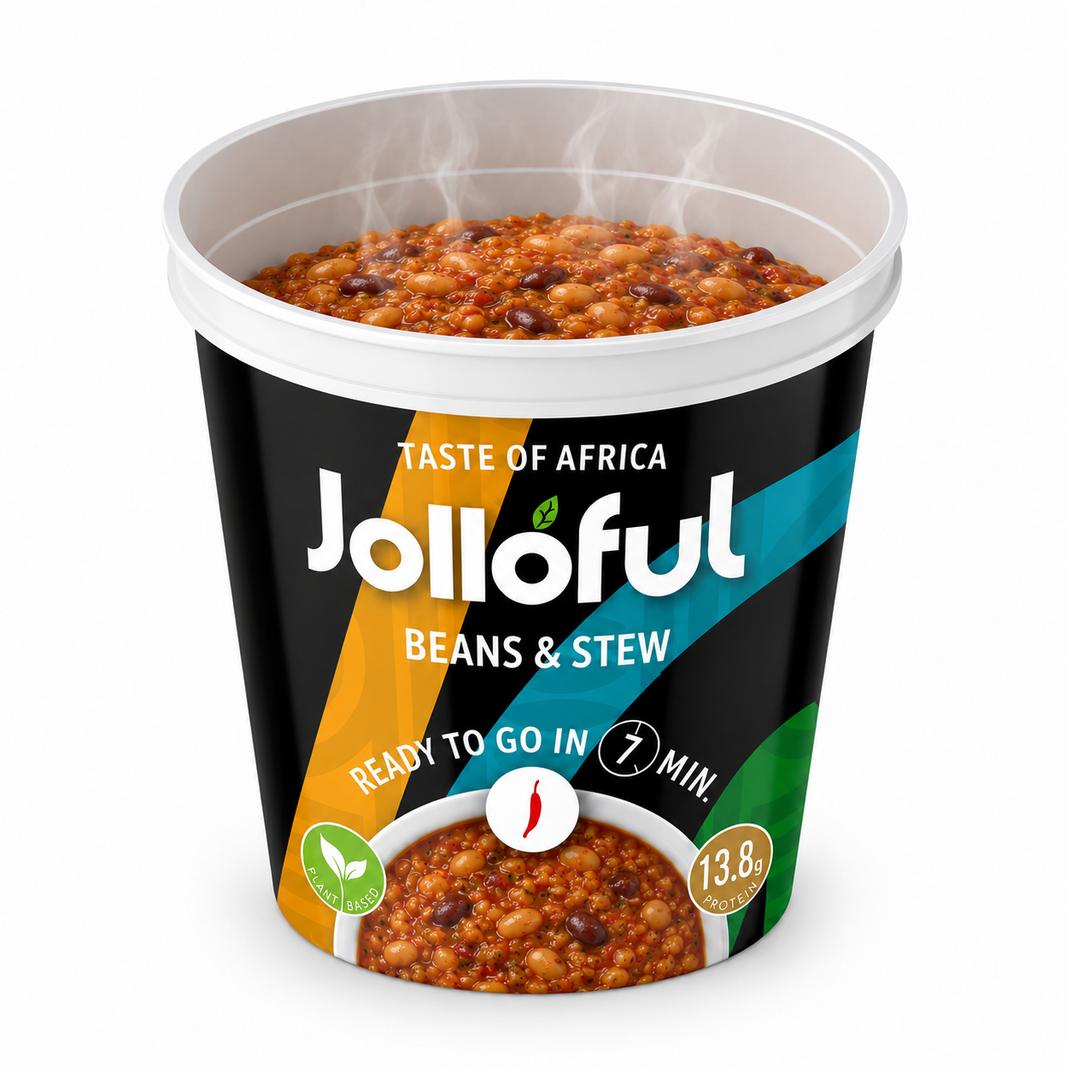
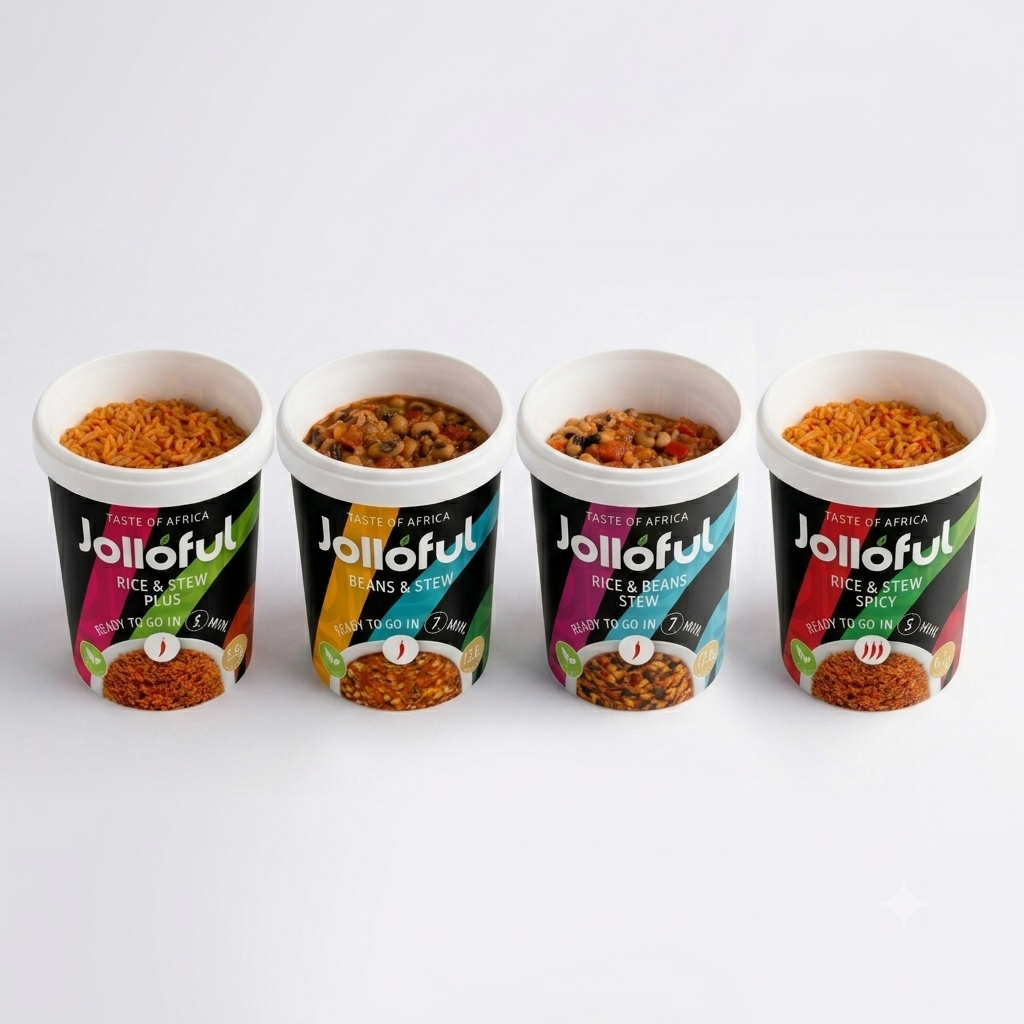
A brand like Jolloful exists in that space for a reason. The point is not to mimic generic instant food with African branding pasted on top. The point is to prove that convenience and cultural integrity can sit in the same cup.
So, can instant meals have real ingredients? Yes - when they are built with intention, when the ingredients are recognisable, and when the recipe still tastes like it belongs to someone, somewhere, and something real.
Fast food does not have to mean forgettable food. If more brands treated convenience as a format rather than an excuse, dinner would look a lot better.


Leave a comment