

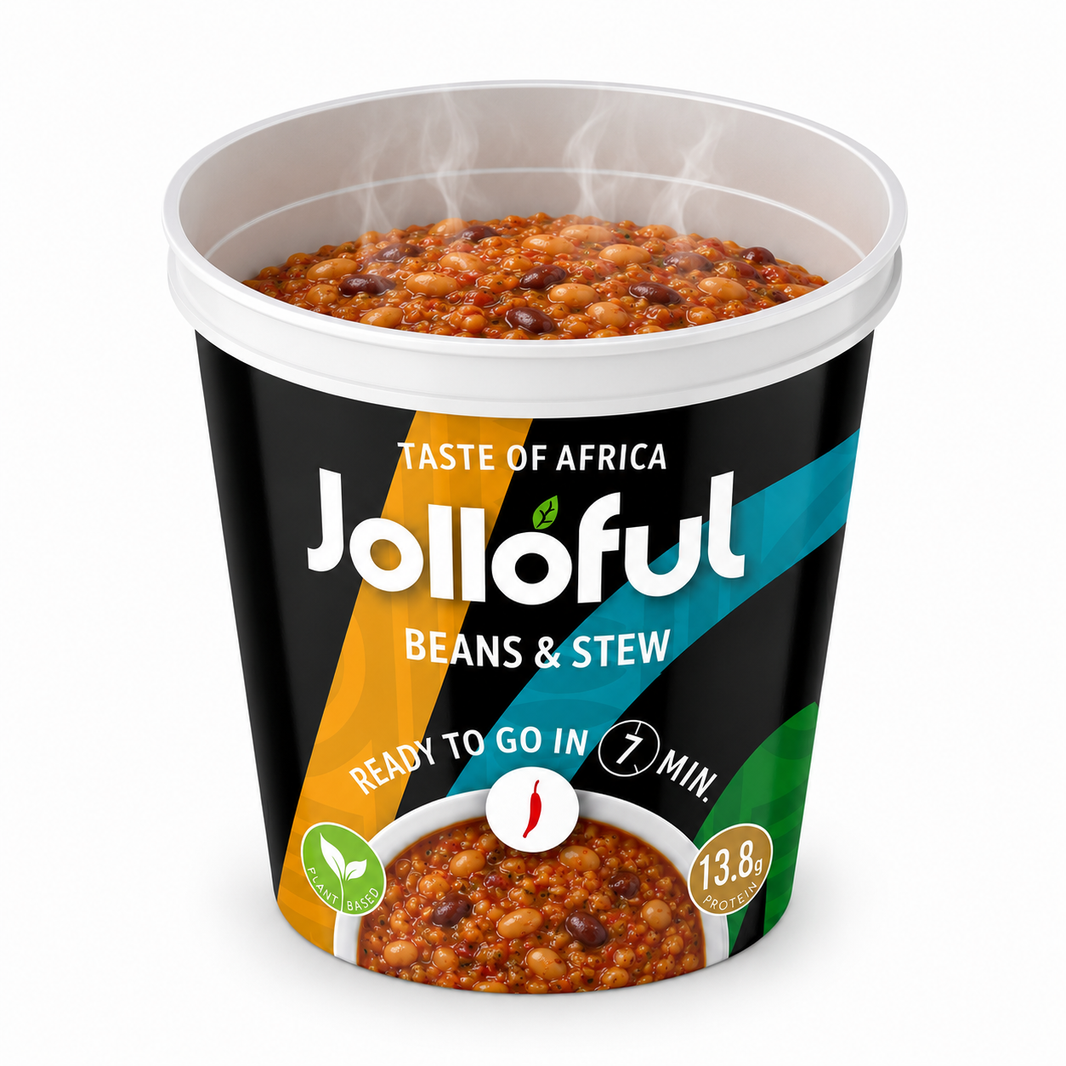
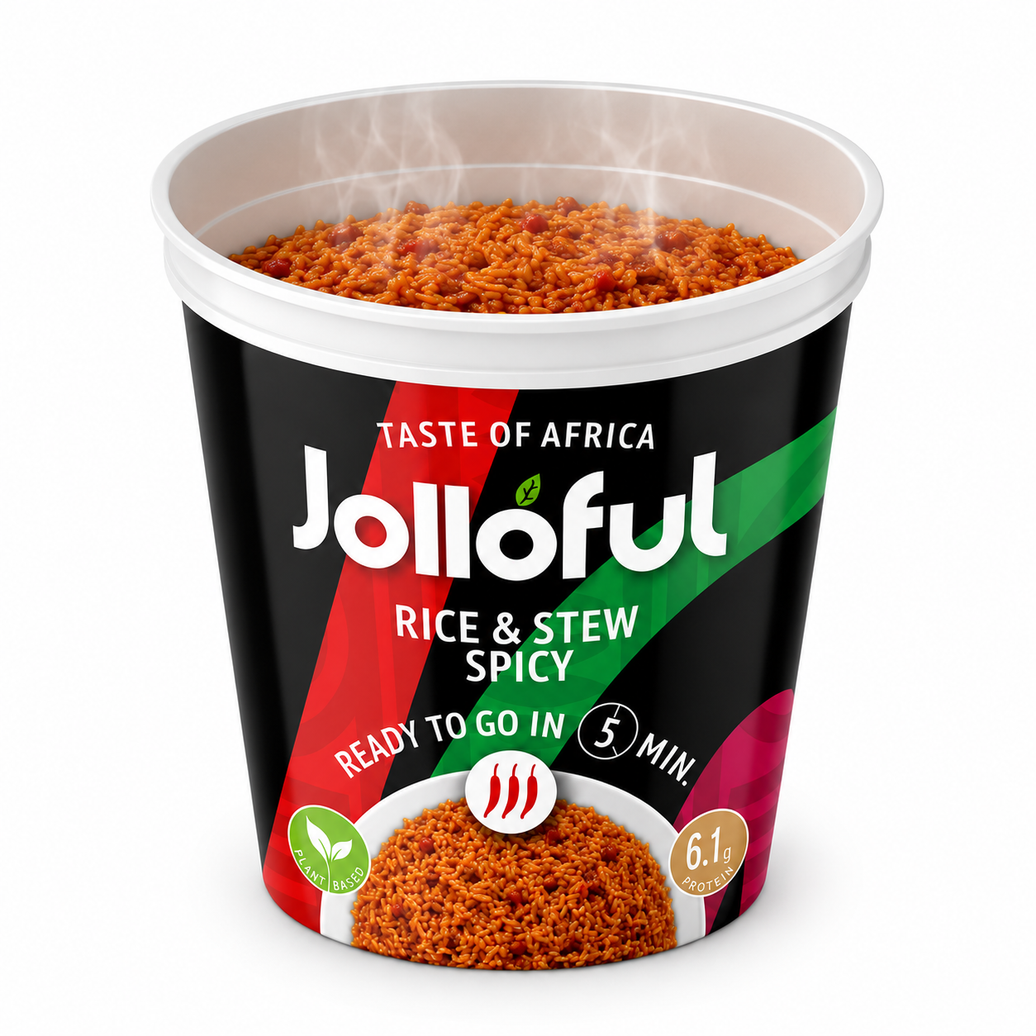


Order your 8-pack / 12 pack box today
What if you could experience the deep, soul-soothing flavors of a Lagos Sunday dinner without the fire-breathing spice levels that usually come with it? It's a common worry for many food lovers in London and Dublin. You crave the rich, slow-cooked taste of tradition, but you don't always want a meal that leaves your palate scorched. Finding an authentic white rice and stew (mild) shouldn't feel like a compromise on flavor or heritage.
We know that your time is precious and your taste buds deserve better than bland convenience food. You want the restorative power of a home-cooked meal without spending four hours over a hot stove. This article shows you why this gentle version of a West African classic is the ultimate comfort staple. You'll discover the cultural roots of the dish and how to enjoy a premium, healthy meal that's ready in minutes, even on your busiest weeknights. From the vibrant streets of Lagos to your kitchen in Europe, we're bringing the heart of the culture to your table.
What is White Rice and Stew (Mild)?
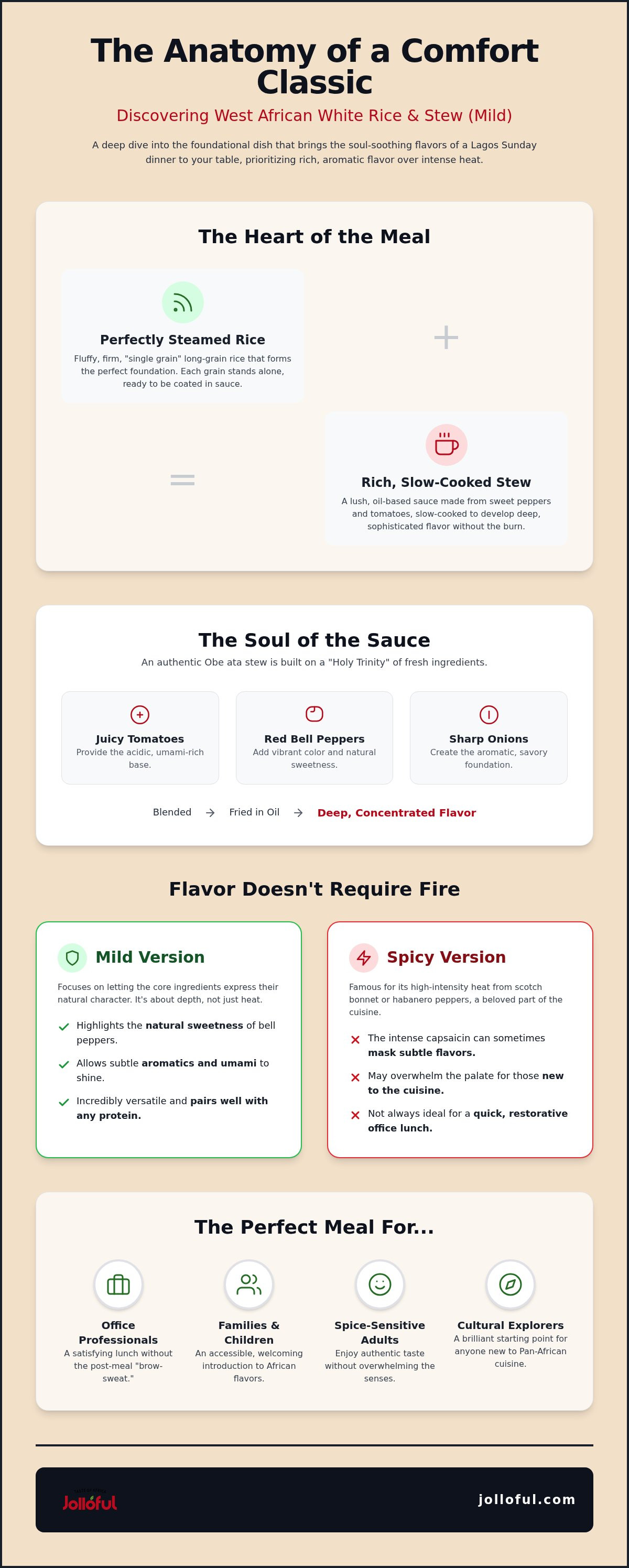
In the heart of West African homes, one dish stands as the undisputed champion of the dinner table. White rice and stew (mild) is more than just a combination of grains and sauce; it's a foundational staple that defines the culinary landscape of Nigeria and Ghana. While many associate African food with high-intensity heat, the mild variant prioritizes the lush, sweet profile of red bell peppers and vine-ripened tomatoes. It's a sophisticated balance of flavors designed to soothe rather than singe. This dish consists of perfectly steamed, fluffy long-grain rice paired with a rich, oil-based tomato stew that has been slow-cooked to perfection. It is the ultimate Pan-African comfort food staple.
The Cultural Significance of the "Sunday Rice"
If you walk through the streets of Lagos on a Sunday afternoon, the air tells a specific story. The scent of frying onions and blended peppers is unmistakable. This is "Sunday Rice," a tradition that transcends social class. It's the centerpiece of family gatherings, where generations sit together to share stories and a steaming plate of comfort. For the global diaspora in London and Dublin, this dish is a powerful link to home. It brings the warmth of a West African afternoon to a cold European evening. Whether it's a wedding, a naming ceremony, or a simple family lunch, this meal represents community and continuity.
Anatomy of an Authentic African Stew
The soul of this meal lies in the sauce. An authentic Obe ata stew relies on a specific "Holy Trinity" of ingredients: juicy tomatoes, vibrant red bell peppers, and sharp onions. These are blended and then fried in oil. This is a crucial step. It transforms the raw vegetables into a concentrated, deep red masterpiece. This frying process is essential for achieving the signature texture and rich flavor profile that defines the dish. It's a slow, deliberate method that can't be rushed.
While the spicy version is famous, the mild version is a culinary hero in its own right. By reducing the heat, the natural sweetness of the peppers shines through. This makes it the ideal choice for children, spice-sensitive adults, and anyone looking for a restorative meal that won't overwhelm the senses. At Jolloful, we maintain this authenticity by using real ingredients and zero artificial preservatives. Every bite feels like it came straight from a Lagos kitchen, even if you're eating it at your office desk in London.
Mild vs. Spicy: Why Flavor Doesn’t Require Heat
There's a common myth that West African food must be scorching hot to be authentic. This simply isn't true. While heat is a famous part of the culture, the real magic happens in the balance of aromatics. When you choose white rice and stew (mild), you aren't settling for a lesser version. You're actually allowing the natural sweetness of roasted red bell peppers and slow-simmered onions to take the lead. It's a different way to experience the same heritage.
Taste is a complex interaction of many factors. According to the science of flavour, our perception of a meal depends on aroma and the balance of basic tastes like acidity and umami. When a dish is packed with intense capsaicin, it can sometimes drown out these subtle notes. A mild stew highlights the savory depth of the tomato base and the richness of the oil. This makes it incredibly versatile. It sits beautifully alongside various proteins, from tender beef to fried fish, without the heat masking the quality of the ingredients.
Developing Depth Without the Burn
True depth comes from the slow-cooking process. We focus on caramelizing the natural sugars in the vegetables to create a savory foundation. By using traditional bouillon and a careful blend of spices, we build a meal that feels complete. This gentle profile also lets you appreciate the fluffy, separate grains of the rice. Every bite of white rice and stew (mild) offers a clean, satisfying texture that isn't interrupted by a burning palate.
Who is the Mild Version For?
This version is a lifesaver for the professional office lunch in London or Bonn. You can enjoy a restorative, soul-soothing meal without the "brow-sweat" that comes with high spice levels. It's also the perfect tool for families. Introducing children to Pan-African cuisine is much easier when the flavors are welcoming and accessible. It serves as a brilliant entry point for anyone in the UK or Germany who wants to explore African food culture for the first time. If you're looking for a comforting meal that fits your lifestyle, check out our authentic ready-to-eat meals today.
The Essentials: Rice, Stew, and the Perfect Texture
Getting the texture right is what separates a standard meal from a masterpiece. In a traditional Lagos kitchen, the goal is always "single grain" rice. This means every grain of white rice and stew (mild) should stand alone, fluffy and firm, rather than clumping together in a mushy mess. Choosing the right rice is the first step toward this perfection. Parboiled long-grain rice is the gold standard for its resilience and bite; however, many modern homes now enjoy Basmati for its delicate aroma and lighter feel. Both varieties work beautifully as long as they are treated with respect.
The stew itself must be thick enough to coat each grain of rice without turning the plate into a soup. It needs body and richness. When you lift a spoonful, the sauce should cling to the rice, carrying all those concentrated vegetable flavors in every bite. The hallmark of a well-fried stew is the sight of clear, seasoned oil glistening on the surface of a rich, deep red sauce. This visual cue tells you the water has evaporated and the flavors have truly married.
Preparation Secrets for the Stew Base
Building a deep flavor profile starts with the oil. Some cooks prefer "bleaching" the oil slightly to give it a nutty base, followed immediately by sautéing sliced onions until they are translucent and sweet. The real secret lies in the frying time. You must fry the blended tomato and pepper mix until the raw, tart scent disappears and the texture becomes grainy. This concentration process is vital. Balancing the final acidity with a pinch of salt or a traditional bouillon cube ensures the mild profile remains savory and satisfying rather than sharp.
Steaming the Perfect White Rice
Fluffy rice starts at the sink. You must wash your rice repeatedly until the water runs clear to remove excess surface starch. This simple step is the only way to avoid sticky, gummy results. Use a precise water-to-rice ratio to ensure the grains steam rather than boil. At Jolloful, we obsess over these details so you don't have to. Learn about our story and commitment to quality to see how we bring these traditional techniques to your modern table. By mastering the steam, you create a firm foundation for the rich, mild stew to shine.
How to Serve and Pair Your Rice and Stew
Building a plate of white rice and stew (mild) is an art form that balances texture, color, and nutrition. In a typical Lagos home, the protein is often the star. You will usually find pieces of beef or chicken that have been slow-cooked until tender and then flash-fried for a crispy exterior. This adds a satisfying layer of chewiness that works perfectly with the fluffy rice grains discussed earlier. If you want something lighter, fried fish like tilapia or croaker offers a delicate, flaky alternative that soaks up the tomato-based sauce beautifully.
Modern plating has evolved from the large communal bowls of the past. Today, a premium aesthetic involves clean lines and vibrant colors. Try placing your rice in a neat mound on one side of a wide plate. Ladle the stew carefully so the seasoned oil glistens but stays contained. Adding a few slices of fresh spring onion on top can elevate the dish from a simple home meal to a restaurant-quality experience. It is all about making the heritage feel as good as it tastes.
The Classic Sides: Dodo and Beyond
Fried plantain, or "dodo," is more than just a side dish. It is a cultural requirement. The sweet, jammy texture of a perfectly fried ripe plantain is the ultimate foil to the savory stew. For those looking for more variety, adding a side of beans or a piece of moin moin (steamed bean pudding) provides a rich, earthy depth. Boiled eggs are another quick addition. They are traditional, easy to prepare, and the yolk creates a creamy texture when mixed with the mild sauce. This combination is a favorite for a quick, filling lunch.
Modern Pairings for the European Palate
Adapting this dish for life in London or Dublin is easy. While traditional steamed greens are great, you can easily swap them for locally available spinach or roasted broccoli. A fresh garden salad with a light vinaigrette helps cut through the richness of the oil-based stew. Beverage choices should prioritize balance. A cold malt drink is a classic choice, but a sharp ginger beer also highlights the pepper notes without adding heat. For a weekend treat, a light European lager is the perfect companion for a Sunday afternoon feast. Explore our full range of Pan-African meals to see how tradition meets modern convenience.
Jolloful: Authentic Mild Stew Ready in Minutes
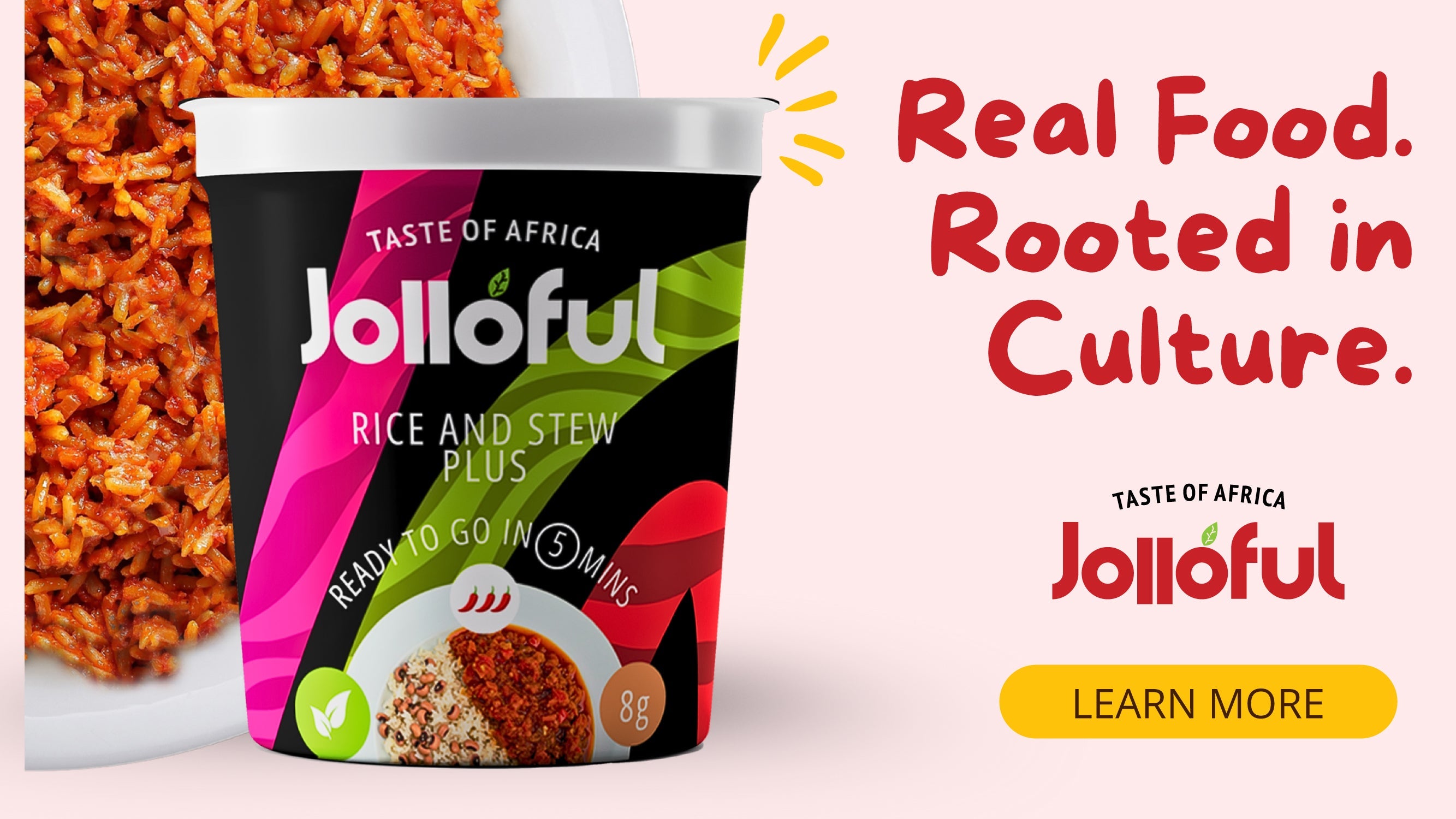
Jolloful is more than just a convenience brand. It is a cultural bridge. We bring the vibrant, restorative soul of Lagos street food directly to your doorstep in London, Berlin, or Dublin. Many people assume that authentic African cooking requires hours of labor and a scorched palate. We have changed that narrative. Our white rice and stew (mild) offers that deep, slow-cooked taste in a fraction of the time. It is the ultimate "hack" for modern professionals who refuse to settle for bland, nutritionally void alternatives.
How do we keep it shelf-stable without chemicals? We use advanced food technology that mirrors traditional preservation methods. By sealing in the freshness at the peak of flavor, we eliminate the need for artificial preservatives. You get the genuine taste of sun-ripened tomatoes and roasted peppers, just as if they were freshly blended in a West African market. It is a 2026-ready solution for a fast-paced life. Your pantry becomes a gateway to heritage, ready whenever you are.
From Our Kitchen to Your Pantry
Our promise is simple: authenticity without compromise. These recipes are rooted in heritage but refined for a global audience. We maintain flavor integrity by sticking to real ingredients and traditional simmering techniques. This makes our packaging perfect for students in dorms, busy professionals in city offices, or travelers who want a taste of home on the road. It fits into your life, providing a premium, healthy staple that doesn't require a kitchen full of spices or hours of prep work.
Order Your Authentic Experience Today
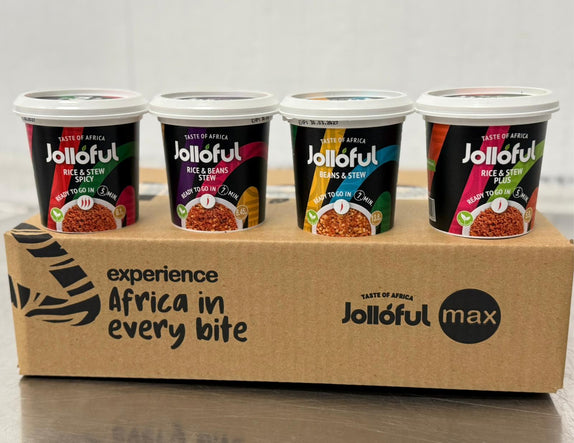
We have made it easier than ever to stock your pantry with soul-soothing meals. Jolloful offers direct-to-consumer shipping across Europe, including Germany, Austria, and the UK. If you are new to these flavors, our variety packs are the perfect introduction. They allow you to explore different profiles and find your personal favorite. Ready to transform your lunch break with a meal that actually satisfies? Shop the Variety Pack of 8 and bring the heart of West Africa into your kitchen today.
Bring the Heart of Lagos to Your Table
Authentic West African flavor isn't about the burn of a pepper; it's about the soul of the sauce. You've seen how the perfect balance of roasted peppers and tomatoes creates a meal that's both restorative and accessible. Whether you're in a London office or a Dublin kitchen, you can now enjoy premium white rice and stew (mild) without the four-hour cooking time.
Jolloful bridges the gap between heritage and your busy lifestyle. Our recipes use real ingredients and no artificial preservatives to ensure every bite stays true to its roots. With fast shipping across Germany and the UK, your next authentic experience is just a few clicks away. It's time to reclaim your lunch break with a meal that's ready in minutes.
Stock your pantry with the comfort of home and enjoy the vibrant taste of tradition whenever the craving hits. You deserve a meal that nourishes your body and celebrates your culture.
Frequently Asked Questions
Is African white rice and stew always spicy?
African white rice and stew is not always spicy. Many households prepare a mild version that highlights the rich, savory depth of tomatoes and red bell peppers. This allows the natural sweetness of the vegetables to shine. It is a perfect choice for children or anyone who prefers a comforting meal without the intense heat of Scotch Bonnet peppers.
What makes Jolloful’s white rice and stew "shelf-stable"?
Jolloful uses advanced sealing technology to ensure our white rice and stew (mild) remains fresh without any artificial preservatives. We cook the meal using authentic recipes and then seal it in specialized packaging that protects the flavor and nutrients. This process makes the meal shelf-stable for months. You can keep it in your pantry and enjoy a high-quality lunch whenever you need it.
Can I eat white rice and stew if I am on a vegan diet?
You can absolutely enjoy white rice and stew (mild) on a vegan diet. The base of the stew is made from a vibrant blend of tomatoes, peppers, onions, and vegetable oil. It is naturally plant-based and packed with flavor. Just ensure you pair it with vegan-friendly sides like fried plantain or steamed vegetables instead of traditional meat or fish proteins.
How do I reheat my ready-to-eat rice and stew without losing texture?
The best way to reheat your ready-to-eat meal is in the microwave or on the stovetop. If you are using a microwave, heat it for about two minutes. For the stovetop, place the rice and stew in a pan over low heat. Add a tiny splash of water to keep the rice fluffy. This ensures you maintain that separate grain texture without the dish becoming dry or mushy.
What is the difference between Jollof rice and white rice and stew?
The main difference is in the preparation method. Jollof rice is a one-pot dish where the grains are cooked directly in a seasoned tomato and pepper sauce. In contrast, white rice and stew consists of plain steamed rice served with a separate, rich sauce poured over the top. Both are staples in West African culture but offer very different textures and flavor experiences.
Where can I buy authentic African meal kits in Germany or the UK?
You can buy authentic African meal kits directly from Jolloful.com. We ship across the UK and Germany, bringing the taste of Lagos street food to your door. Our meals are shelf-stable and ready in minutes, making them a perfect solution for busy professionals. Whether you are in London, Dublin, or Berlin, you can access premium West African cuisine with just a few clicks.
Does the mild version still have authentic African spices?
Yes, the mild version preserves the full aromatic profile of traditional West African cooking. We use the same foundational spices and slow-cooking techniques that define the culture. The only difference is that we reduce the amount of high-heat peppers. You still get the deep umami and rich fragrance of a genuine Lagos kitchen, just without the overwhelming burn on your palate.
What kind of rice is used in traditional West African stew dishes?
Traditionally, parboiled long-grain rice is the standard choice for West African stew dishes. It is favored because the grains stay separate and firm after cooking. Many modern families also enjoy Basmati rice for its lighter texture and fragrant aroma. Both types work beautifully with a rich tomato stew as long as the rice is washed thoroughly to remove excess starch before steaming.




Leave a comment