
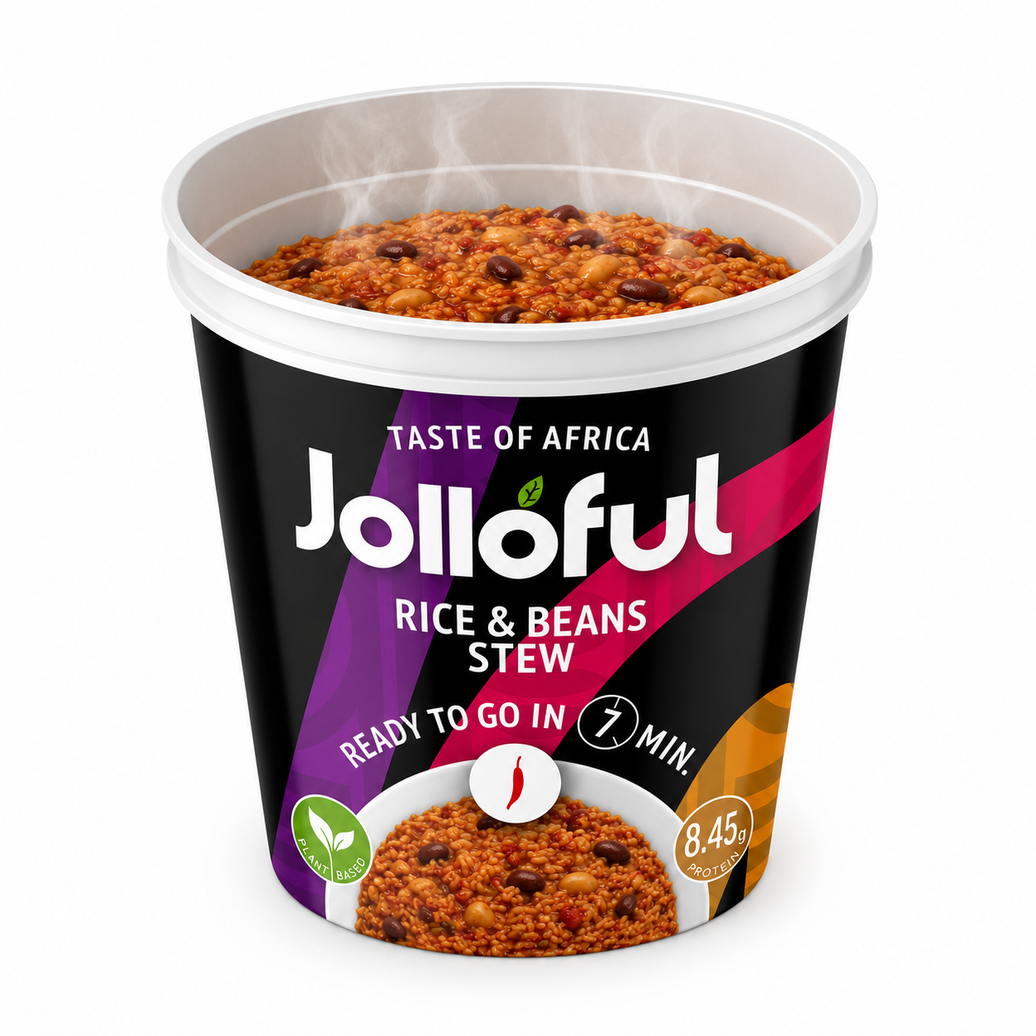
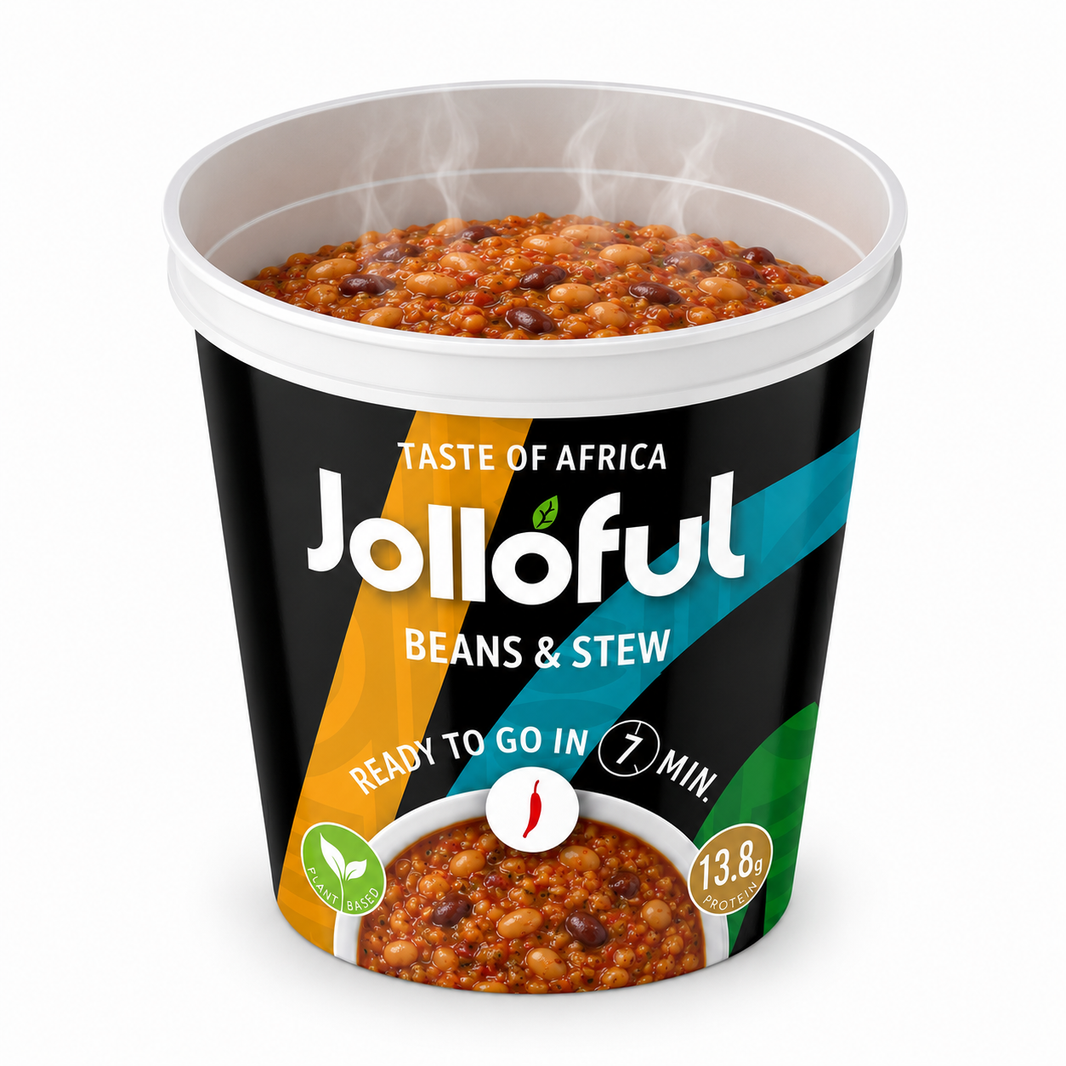
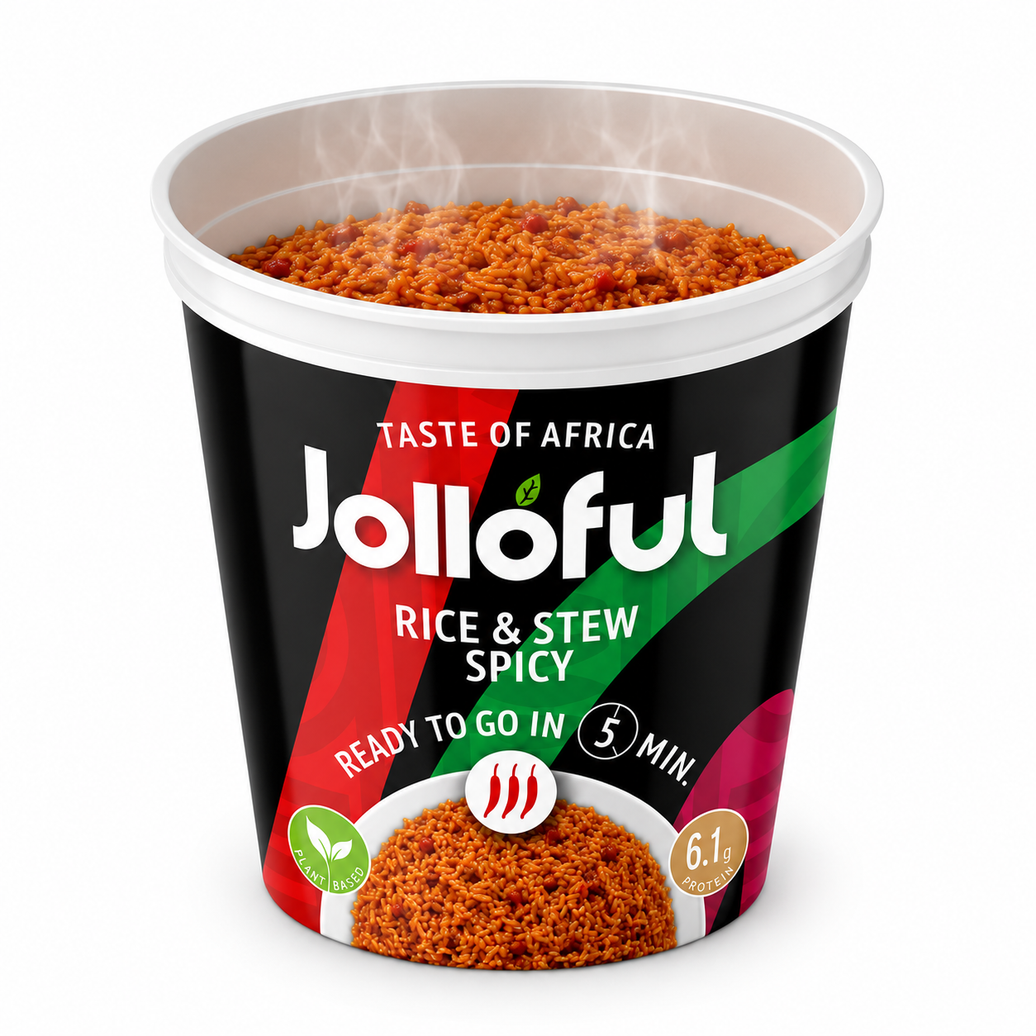
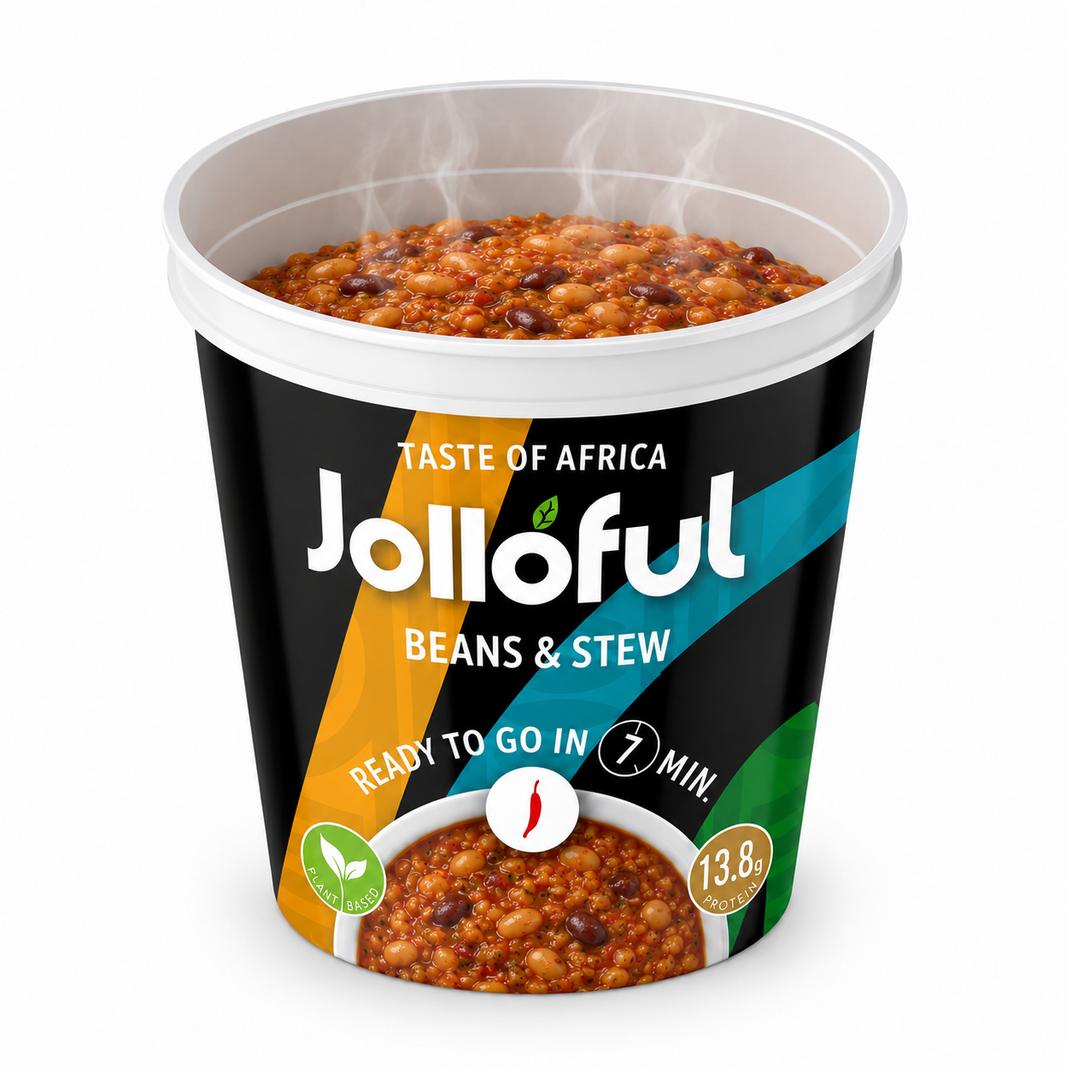
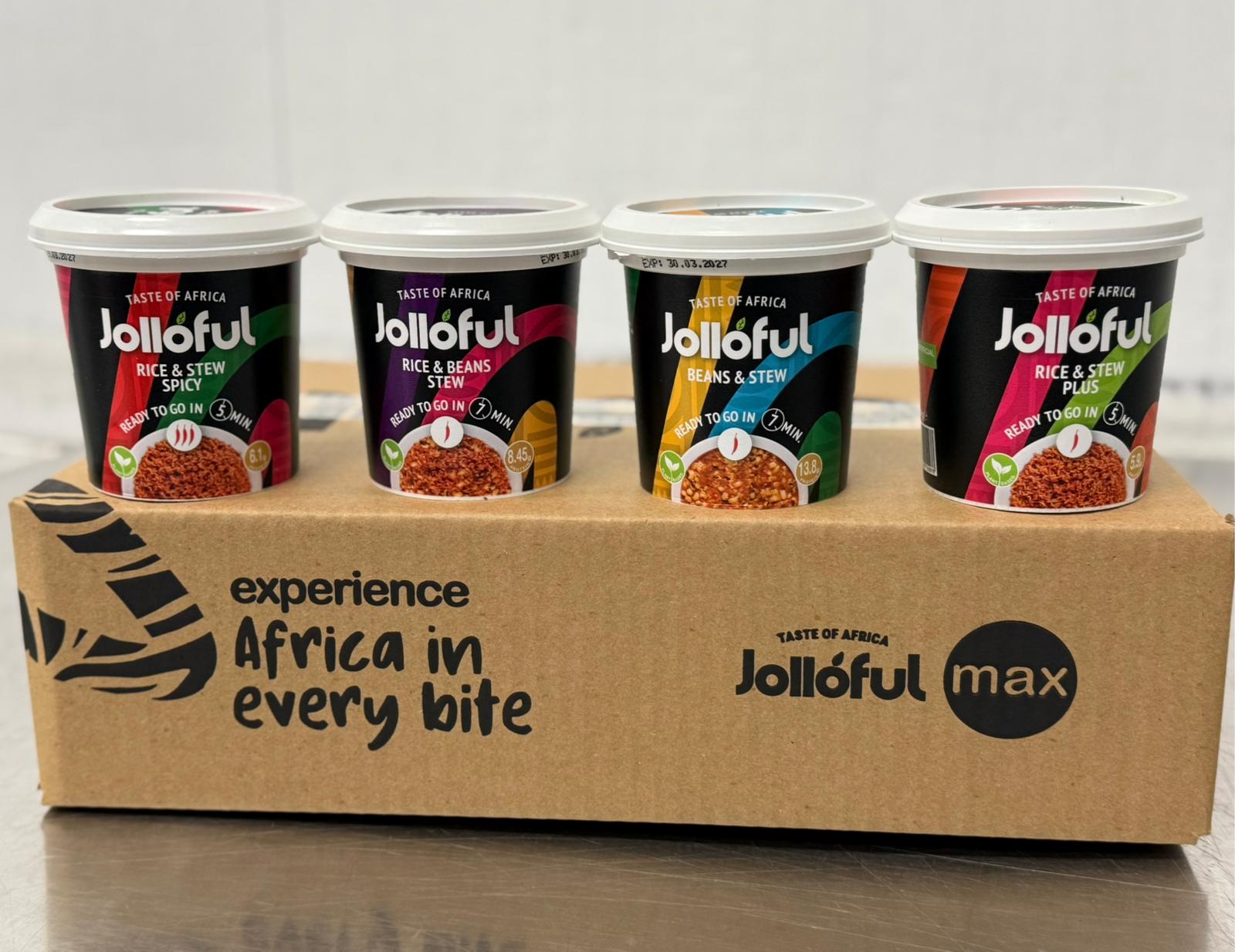
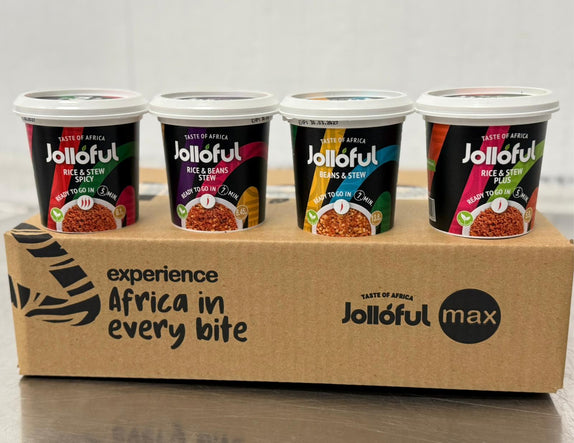
Order your 8-pack / 12 pack box today
A late meeting runs over. The fridge is bare. You need food now, not a sad compromise that leaves you hunting for biscuits an hour later. That is where instant meals earn their place - but only when they bring proper flavour, recognisable ingredients and enough substance to feel like a meal.
Convenience has spent too long being treated as the opposite of quality. It does not have to be. A shelf-stable meal can be quick, practical and genuinely exciting, especially when it carries the depth of a cuisine built on bold spices, slow-developed flavour and shared food traditions.
Instant meals should not mean settling
For years, the instant aisle has trained people to expect blandness, artificial colour and a long list of ingredients they cannot pronounce. Fast food at home became something to tolerate between the meals you actually looked forward to.
That expectation is outdated. Modern life still demands food that can live in a desk drawer, travel in a bag or wait patiently in the cupboard. But busy people are also reading labels, caring where flavours come from and refusing to spend their evenings eating something forgettable.
The best instant meals answer both needs. They save time without flattening food into one-note seasoning. They use ingredients with purpose, whether that is a warming pepper blend, fragrant herbs, pulses, grains or vegetables that give the dish texture as well as taste. The aim is not to imitate a restaurant plate in every detail. It is to make a quick meal feel considered.
That distinction matters. A meal prepared with hot water in five to seven minutes may be fast, but the flavour behind it should still reflect culinary knowledge. African food has never lacked convenience-worthy dishes. What has often been missing is convenient food that represents those flavours with the care they deserve.
What makes a good instant meal?
Start with the question that matters most: would you want to eat it if you had more time? If the answer is no, speed will not save it.
A good option should have a clear flavour identity. It might be smoky and spicy, rich with tomato, warming with ginger or bright with herbs. It should not rely on salt alone to create impact. Heat is welcome, but it needs balance. The most memorable spice blends have layers - savoury, aromatic, sweet, earthy and fiery in the right measure.
Ingredients are the next test. Look for food you recognise and a label that does not hide behind needless additives. Shelf stability is useful, particularly for students, commuters, households planning ahead and anyone who wants fewer emergency supermarket runs. It does not require artificial colour or added preservatives to be the whole story.
Texture deserves more attention too. A meal can have excellent seasoning and still disappoint if every bite feels identical. Grains, legumes and vegetables bring contrast, making a compact meal feel more satisfying. That is especially valuable when lunch has to hold you through an afternoon of calls, travel or childcare.
Finally, preparation should be truly easy. Hot water, a few minutes of waiting and a quick stir is a sensible standard. If a product needs several pans, specialist equipment or a long list of extra ingredients before it becomes enjoyable, it is not solving the problem it claims to solve.
Fast food can still carry culture
There is a difference between making food convenient and stripping it of its identity. Too many packaged products borrow a flavour name, soften it beyond recognition and call the result global cuisine. People who grew up with these foods can taste the difference immediately. First-time eaters deserve better too.
Cultural authenticity is not about gatekeeping a meal from curious people. It is about credit, care and flavour that feels rooted rather than borrowed. It means respecting the spice profiles, everyday eating habits and regional influences that make African cuisines so varied. One continent cannot be reduced to one sauce, one level of heat or one generic label.
For diaspora households, this can be deeply personal. A familiar aroma during a rushed working day can offer a small connection to home. For newcomers, it can be an inviting first step towards flavours they may later explore in home cooking and restaurants. Both experiences matter.
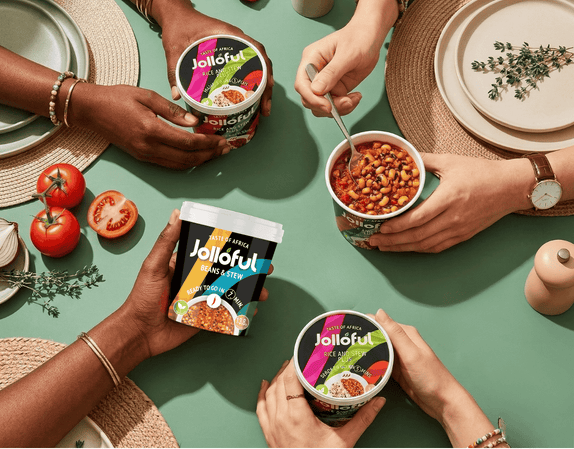
Jolloful is built around that idea: real food rooted in culture, made practical for the way people live now. The point is not to make African food feel less African in order to fit a convenience shelf. The point is to bring its character forward.
How to make instant meals feel more complete
There is no rule saying a fast meal must stay basic. On days when five minutes is all you have, enjoy it as it is. On days with a little more room, small additions can turn it into a fuller lunch or supper without creating a washing-up mountain.
A handful of fresh spinach stirred through at the end adds colour and softness. Sliced avocado brings creaminess against a spicy dish. Leftover roast chicken, crispy tofu or a boiled egg can add extra protein. A squeeze of lime, chopped spring onion or a spoonful of yoghurt can change the mood completely, depending on the flavour profile.
Think of these as options, not requirements. The core meal should stand on its own. Extras are there for the evenings when you want to stretch a portion, use what is already in the fridge or make lunch feel a little more generous.
For work, keep a meal pot, spoon and kettle access in mind. For travel, choose shelf-stable options that do not need refrigeration. At home, keep a few in the cupboard for the gap between a delayed grocery shop and a proper cooked dinner. This is not poor planning. It is realistic planning.
Choose by your day, not just the label
Not every instant meal suits every moment. A lighter, grain-based option may work well for lunch when you want energy without a food coma. A richer, spicier meal may be exactly right after a cold commute. If you are feeding children or sharing with someone less used to chilli, choose a gentler flavour and add heat separately where possible.
Portion size also depends on context. A quick solo lunch and a family supper are different jobs. Single-serve meal cups are brilliant for independence and speed, while a larger pantry plan makes more sense when several people need feeding. There is no prize for using one format for everything.
Be honest about nutrition, too. Convenience food is not automatically virtuous because it has a clean-looking packet, nor is it automatically a poor choice because it is shelf-stable. Read the ingredients, consider protein and fibre, and pay attention to how the meal leaves you feeling. The best choice is one that works for your needs repeatedly, not one that looks impressive once.
A better standard for instant meals
The future of instant food is not beige, bland or apologetic. It is flavour-led, culturally specific and designed for real schedules. It recognises that a person can want a quick lunch and still care about where their food comes from. They can need cupboard convenience and still expect ingredients worth eating.
That is particularly exciting for African cuisine. There is enormous range to celebrate: comforting stews, vibrant spice combinations, hearty grains and dishes that know how to bring warmth to an ordinary day. Making these flavours easier to enjoy is not a shortcut around culture. Done well, it is a way to give culture more room at the table.
Keep a few meals you genuinely look forward to within reach. The next time the day runs away from you, dinner does not have to.



Leave a comment