
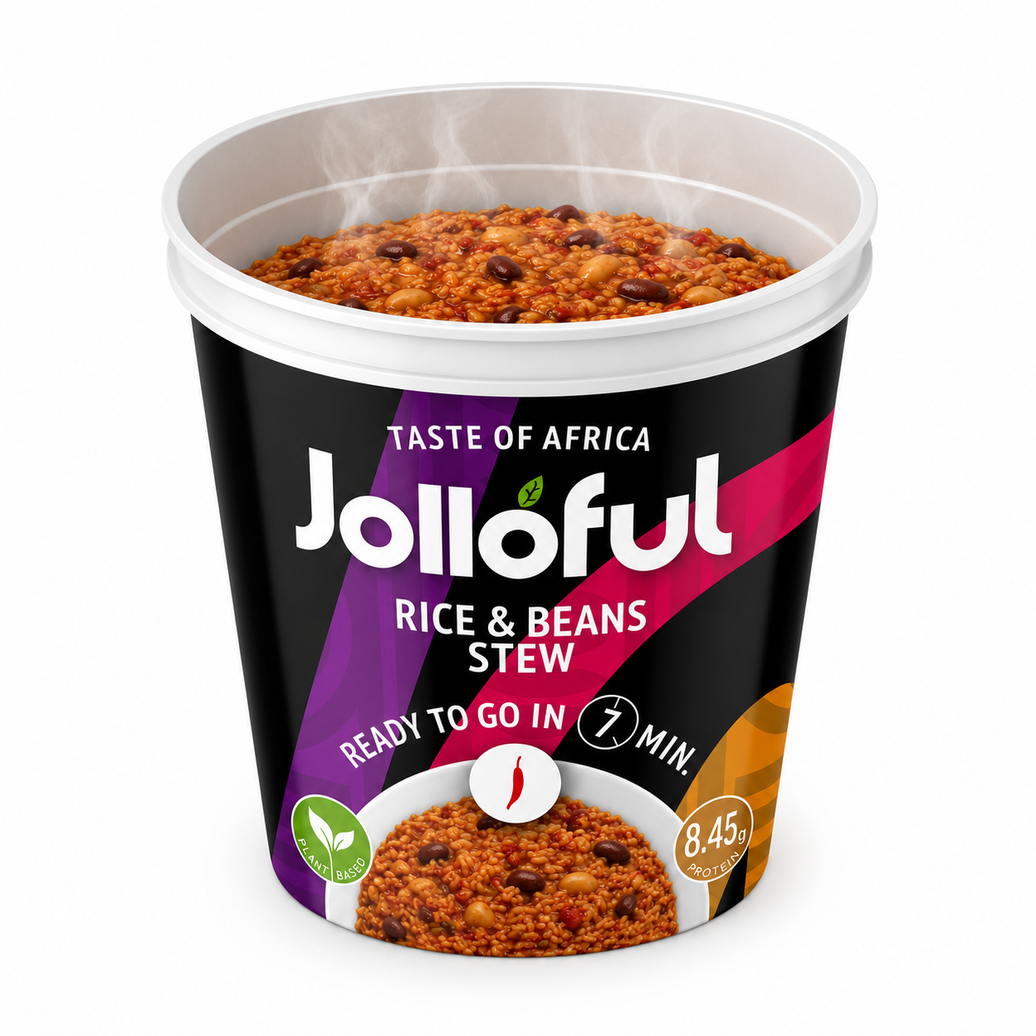
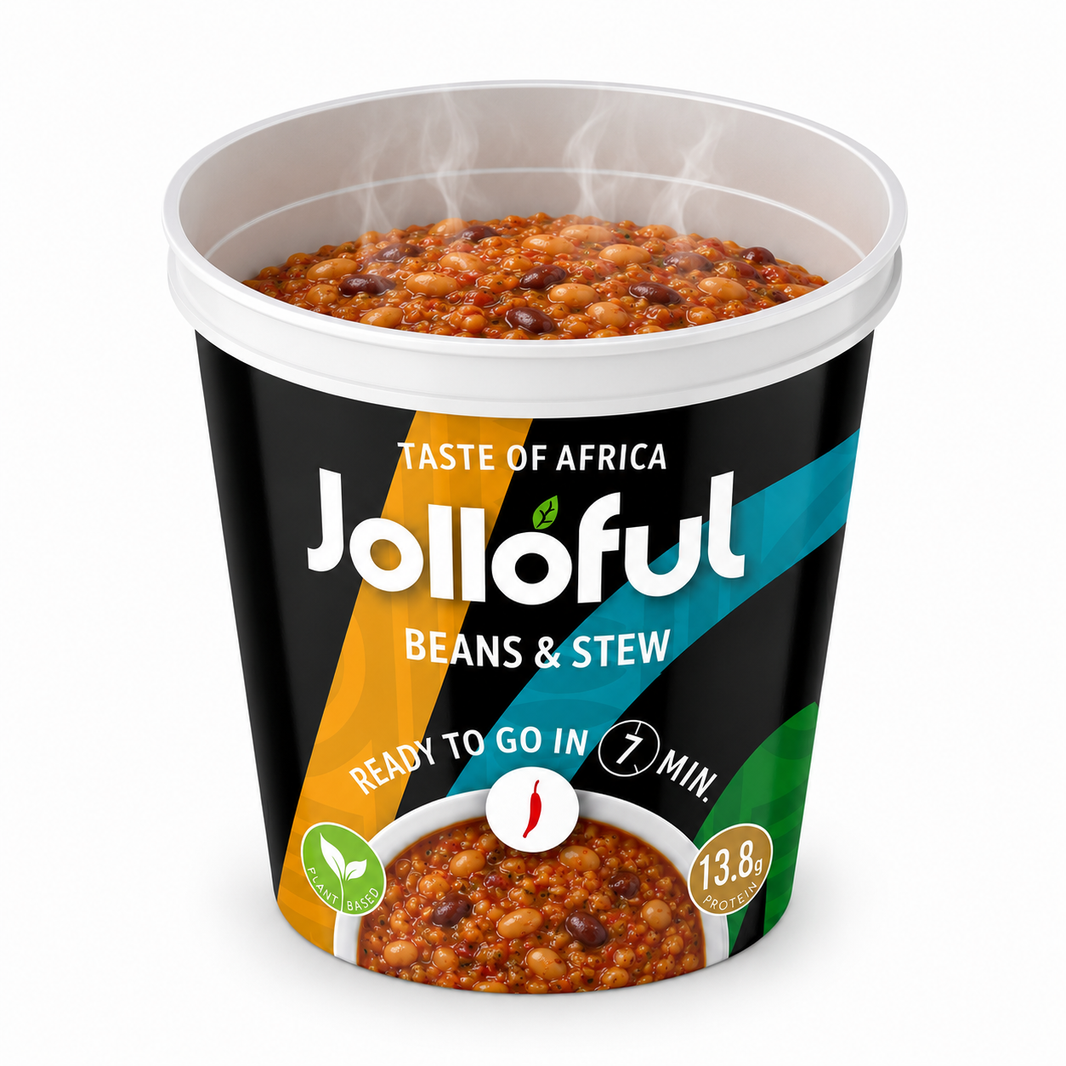
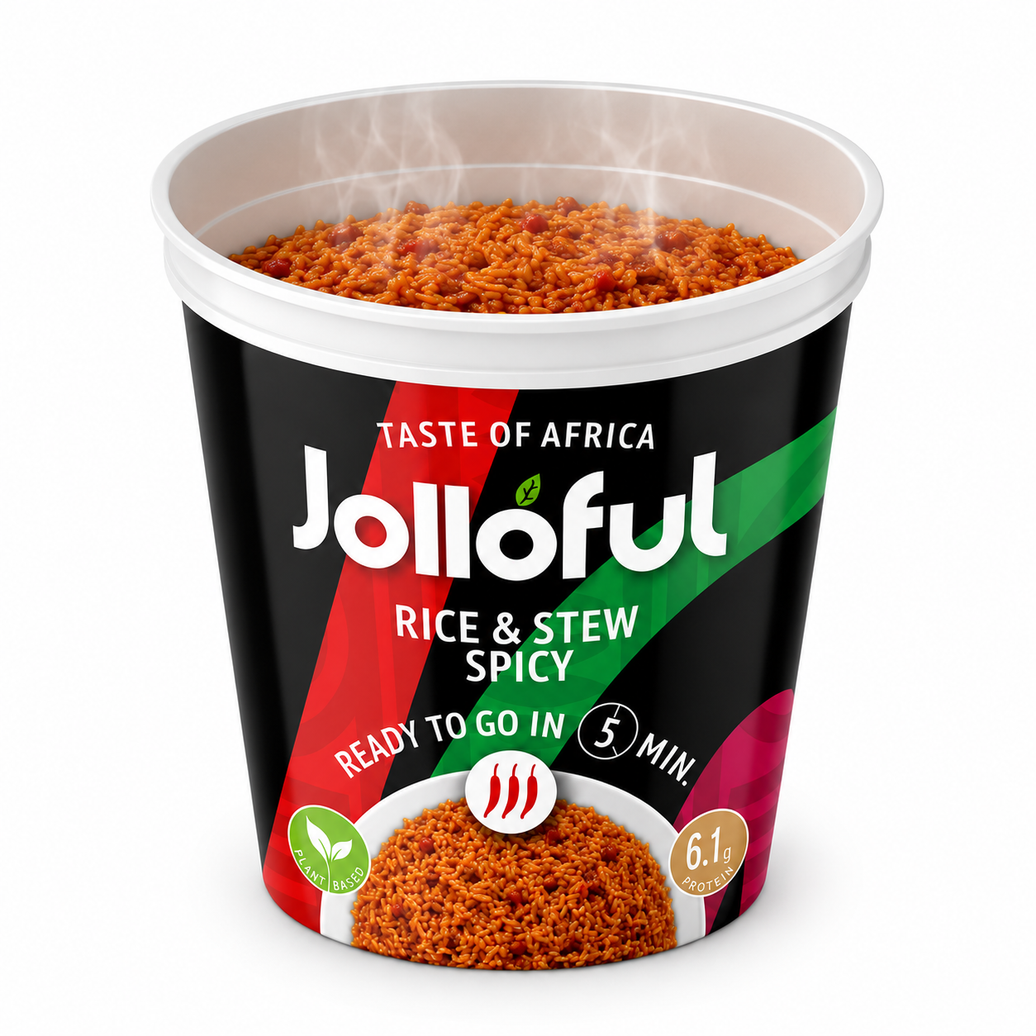
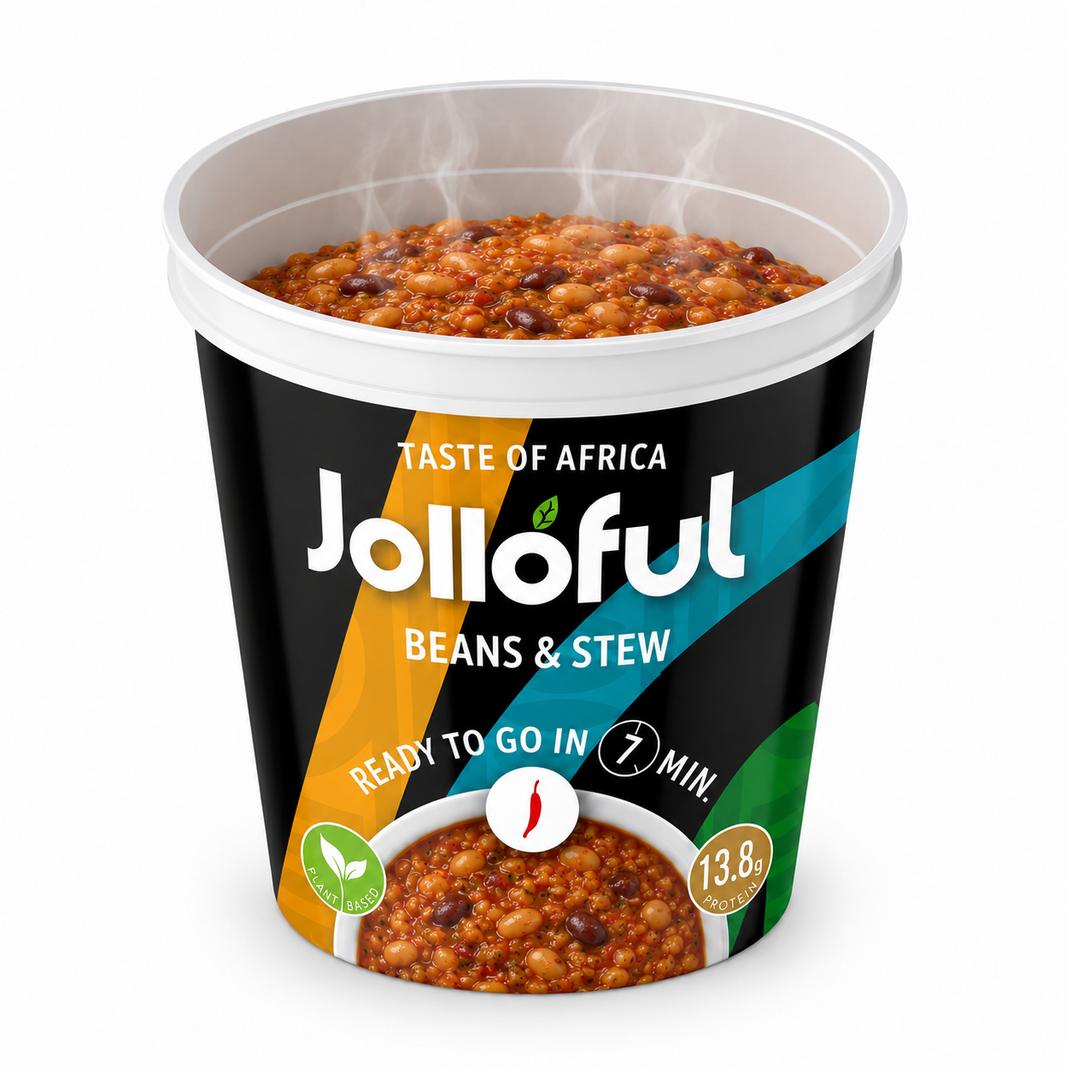

The weeknight dinner problem is rarely about hunger. It is about time, energy and compromise. Too often, convenience means settling for bland, overprocessed food that fills a gap but gives you nothing else. West African meals offer a better answer - rich flavour, proper satisfaction and a sense of culture that does not disappear just because life is busy.
That matters whether you grew up with these flavours or you are meeting them for the first time. For diaspora households, the appeal can be deeply personal. For curious eaters in the UK, Ireland or Germany, it is often about finally finding convenience food with character. Either way, the best West African meals prove that fast food does not have to taste flat, look artificial or feel forgettable.
Why West African meals stand out
West African food does not whisper. It is layered, aromatic and built around ingredients that actually taste of something. Think tomatoes, peppers, onions, ginger, chilli, beans, grains and well-seasoned sauces with depth rather than gimmicks. Even simpler dishes tend to carry real personality.
That is one reason these meals translate so well to modern eating. When a cuisine starts with bold seasoning and strong ingredient identity, convenience does not have to strip everything away. You can still get warmth, spice, savoury depth and texture in a format that works for lunch breaks, late finishes and rushed evenings.
There is also a broader point here. African food has too often been sidelined in mainstream convenience aisles, reduced to stereotypes or treated as too complex for everyday use. That never reflected the food itself. West African meals are everyday food for millions of people - practical, comforting and full of range. They belong just as naturally in office kitchens, student cupboards and family meal rotations as any other global staple.
What makes a good West African meal for busy days?
Convenience on its own is not enough. A meal can be quick and still disappoint. For modern consumers, especially those trying to eat better, a good option needs to do several jobs at once.
First, it needs credible flavour. If the seasoning feels timid or generic, the whole point is lost. West African food is known for depth and confidence, so a watered-down version will always feel off. Heat level can vary, of course. Not every meal needs to be fiery. But it should still taste intentional.
Second, ingredients matter. Clean labels, recognisable components and the absence of unnecessary additives make a real difference. People are reading packs more carefully now, and rightly so. If a shelf-stable meal can deliver real food without artificial colour or added preservatives, that is not a small win. It changes how convenience is defined.
Third, it should fit real routines. A useful meal is one you can keep in the cupboard, take to work or prepare in minutes without a long list of extras. The best formats respect the reality of modern life rather than pretending everyone has time to chop, simmer and monitor a pot every night.
Familiar flavours, easier entry points
For people new to the cuisine, West African meals can feel exciting but slightly unknown. That is where format matters. A ready meal, meal cup or simple heat-and-eat option lowers the barrier without lowering the standard.
You do not need a full pantry of specialist ingredients to start appreciating these flavours. You do not need to decode an entire regional food map before your first bite. You just need a version made with care, one that keeps the soul of the dish intact while making it easier to enjoy on a Tuesday between meetings.
For diaspora consumers, convenience can carry a different weight. Sometimes you want food that reminds you of home, but your local supermarket does not offer much beyond a token shelf. Sometimes you know how to cook the dishes, but not every day allows for it. In those moments, accessibility is not a shortcut. It is a practical bridge between heritage and the pace of modern life.
The trade-off people worry about
There is a fair question at the centre of all convenience food: what gets lost?
With some products, the answer is quite a lot. Texture suffers. Spice gets dulled. Sauces become one-note. Nutrition can take a back seat to shelf life. That scepticism is understandable, especially if you know what these meals should taste like.
But it is not inevitable. Shelf-stable does not have to mean lifeless. Quick-prep does not have to mean ultra-processed. The real distinction is not between traditional food and convenient food. It is between food made with respect and food made as an afterthought.
That is why product choices matter. If a brand treats African cuisine as a novelty, you will taste it. If it treats the food with pride, uses proper ingredients and builds around authentic flavour first, convenience becomes an upgrade rather than a compromise.
How West African meals fit modern routines
The strongest case for these meals is not just that they taste good. It is that they solve ordinary problems elegantly.
For young professionals, they offer a lunch or dinner that feels far more alive than the usual supermarket default. For students, they bring proper flavour without demanding a full kitchen setup. For working parents, they can take pressure off the weekday meal scramble while still serving something that feels real.
They also travel well through different eating moments. A meal cup at your desk. A cupboard backup for nights when the fridge is uninspiring. A quick dinner after the gym. A familiar option in a flat where everyone is eating on a different schedule. This flexibility is part of the appeal.
And unlike many mainstream convenience categories, West African meals do not need to rely on fake comfort. They already have natural warmth and depth built in. That makes them especially satisfying when you need something fast but still want a meal that lands properly.
What to look for when buying
If you are choosing a shelf-stable African meal, start with the ingredient list. The shorter and more recognisable it is, the better. You want meals that sound like food, not chemistry.
Then consider preparation. Five to seven minutes is genuinely useful. Much longer than that, and the meal starts losing its weeknight advantage. Much shorter can sometimes signal a product built more for speed than flavour, though it depends on the format.
Portion and purpose matter too. Some meals are ideal as a quick solo lunch, while others work better as part of a fuller dinner with added protein or a side. There is no universal right choice here. It depends on whether you want a cupboard staple, an introduction to the cuisine or a regular replacement for standard instant meals.
Finally, trust your palate. Authenticity is not only about labels and claims. It is about whether the food tastes grounded, balanced and true to itself. A modern format should make West African food easier to enjoy, not flatten it into something anonymous.
Real food, not a compromise category
One of the biggest shifts happening in packaged food is that people are no longer willing to split their standards in half. They do not want to choose between convenience and quality, or between speed and cultural credibility. That is exactly why this category has room to grow.
When done well, West African meals sit in a space the mainstream has underserved for years: food that is fast, flavour-led, shelf-stable and proudly rooted in culture. Not a pale imitation of home cooking. Not a token international option. Just genuinely good food that happens to fit modern life.
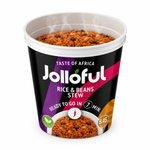
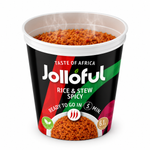
That is the lane Jolloful is built for - making African meals easy to reach for without stripping away what makes them worth eating in the first place. It is a simple idea, but it answers a real need.
For anyone tired of convenience food that tastes engineered rather than cooked, this matters. The future of quick meals should be broader, bolder and more honest about where flavour comes from. West African food is already there.
If your cupboard is full of meals you only eat when you have no better option, that is your sign to expect more from convenience. Better flavour, better ingredients, better cultural range. West African meals are not just worth trying. They are worth making room for.


Leave a comment