
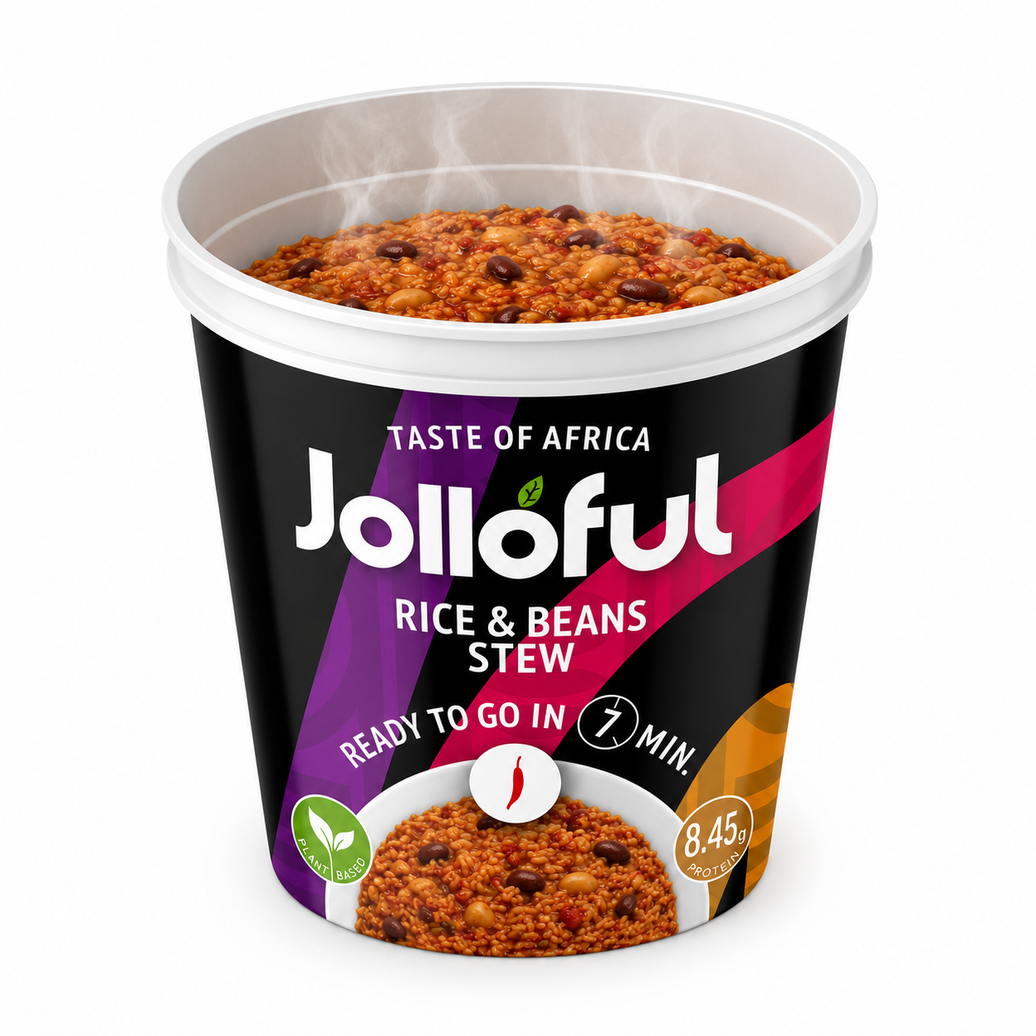
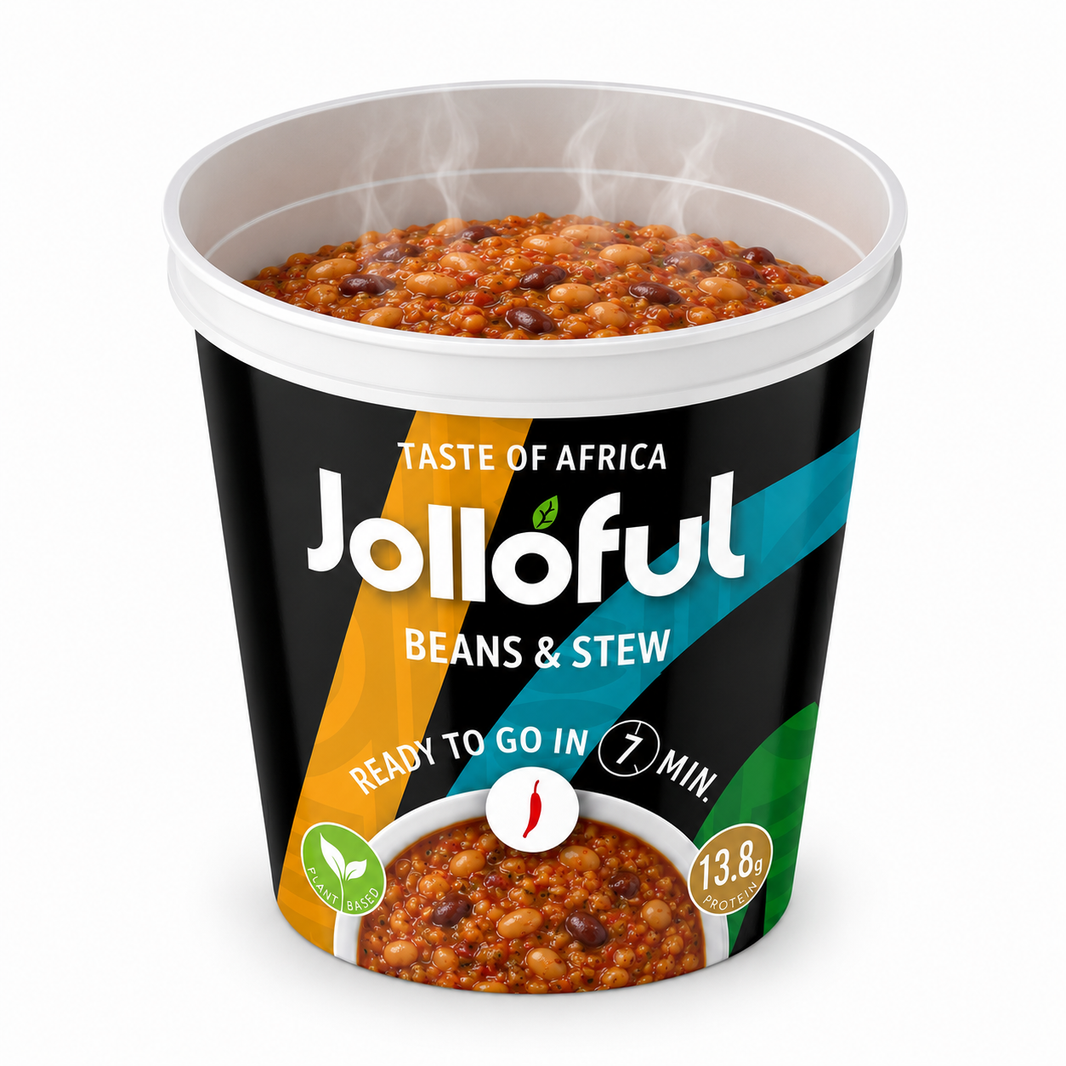
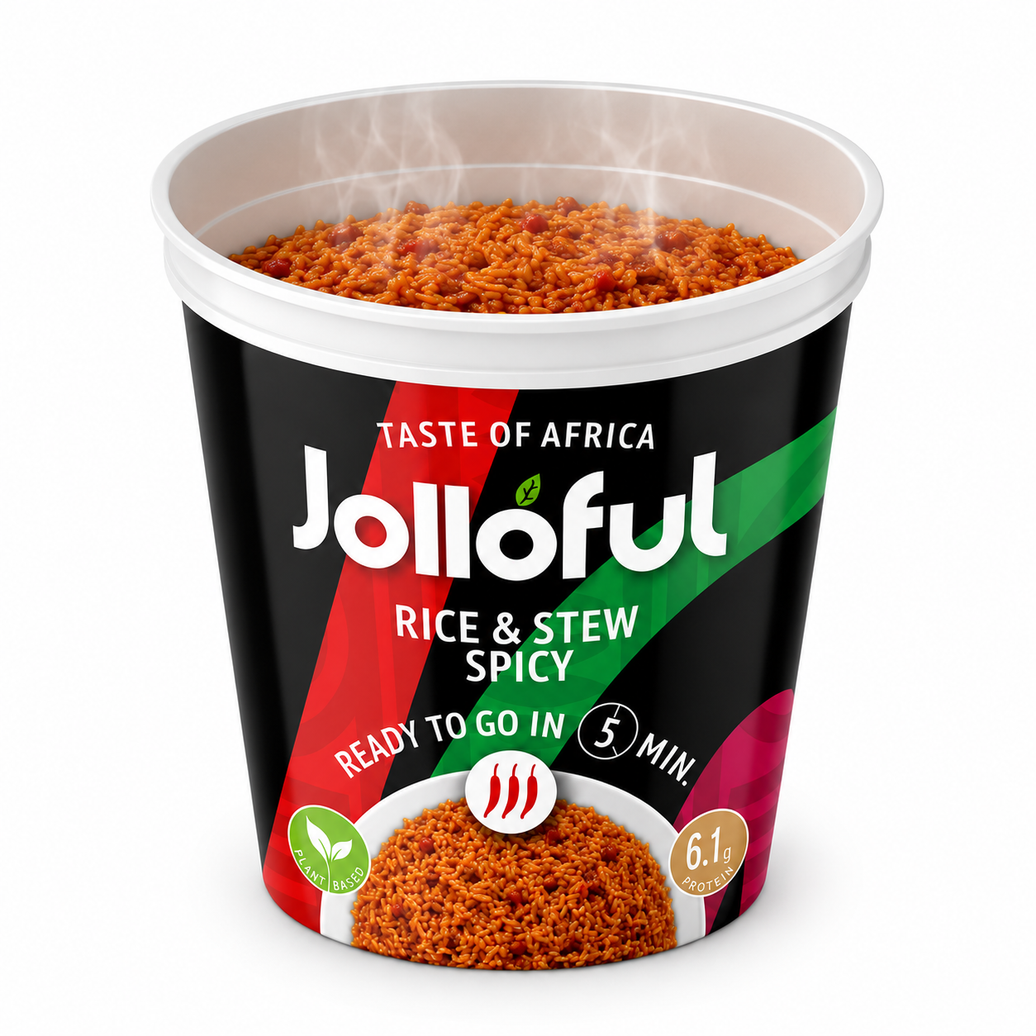
Order your 8-pack / 12 pack box today
The 6 pm question is rarely, “What is the most perfect meal I could cook?” It is, “What can I make before I am starving, the meeting starts again, or the children need collecting?” Healthy convenience meals earn their place in that gap. But quick should not have to mean bland, overprocessed or disconnected from the food you actually enjoy eating.
The better standard is simple: a meal should save time while still feeling like real food. It should have ingredients you recognise, flavour with some depth, and enough substance to carry you through a busy afternoon or evening. Convenience is not the problem. Settling for less is.
What makes healthy convenience meals genuinely better?
There is no single nutritional rule that makes a meal healthy. It depends on your needs, your appetite and what else you eat across the day. A quick lunch before the gym will look different from a filling supper after a long commute. Still, the strongest choices tend to get the basics right.
Start with the ingredient list. Shorter is not automatically better, but it can be a useful signal. Look for foods and seasonings you would expect to find in a home kitchen: grains, beans, vegetables, herbs, spices, oils and proteins. A shelf-stable meal does not need artificial colours or added preservatives to be practical.
Then consider whether it will actually satisfy you. A meal built around fibre-rich grains, pulses or vegetables is often more sustaining than something made mostly from refined starch. Protein matters too, whether it comes within the meal or from a simple side such as eggs, yoghurt, fish, tofu or leftover chicken. The aim is not to turn every meal into a calculation. It is to avoid the familiar cycle of eating something quick, then feeling hungry again half an hour later.
Salt is worth checking, particularly if you rely on packaged food often. Flavour does not have to come from salt alone. Proper spice blends, aromatics, chilli, tomato, onion, ginger and slow-building seasoning can bring serious character without making every bite taste one-dimensional.
Most importantly, choose food you want to eat. A meal that tastes flat or unfamiliar is unlikely to become a useful part of your routine, however impressive its label looks.
Fast food can still have standards
For years, convenience food has been treated as a compromise: fast, cheap and forgettable. That idea is overdue for retirement. Modern life is busy, and not everyone has the time, energy, equipment or ingredients to cook from scratch every day. The answer is not guilt. It is better options.
Shelf-stable meals can be especially helpful because they wait for you. Keep a few at work, in a kitchen cupboard, in student accommodation or in your travel bag. With hot water and a few minutes, you have a proper meal rather than a last-minute snack that leaves you unsatisfied.
That said, convenience has trade-offs. A ready meal will not always give you the same amount of fresh vegetables as a meal cooked from scratch, and portion sizes vary. Think of it as a reliable foundation. If you have time, add a handful of spinach, sliced cucumber, avocado, a piece of fruit or a side salad. If you do not, eat the meal and get on with your day. Healthy eating has room for both.
Look beyond the health halo
Words such as natural, light and wholesome can make any package sound virtuous. They are not a replacement for reading what is inside. Equally, do not assume that a spicy, richly seasoned meal cannot fit into a balanced way of eating. Food can be bold and nourishing at the same time.
A useful test is to ask four practical questions:
- Does it contain recognisable ingredients?
- Will it keep me satisfied for a reasonable stretch of time?
- Does the flavour come from real seasonings rather than just salt and additives?
- Can I imagine keeping this in my regular rotation?
The final question matters more than it seems. A healthy choice is only helpful if it works in real life. It needs to survive hectic weeks, late trains, back-to-back lectures and the nights when cooking from scratch is simply not happening.
Flavour is part of feeling satisfied
There is a tendency to make healthy food sound worthy rather than enjoyable. Dry salads, joyless substitutions and meals that need five extra sauces to taste of anything have done enough damage. Food should be satisfying in every sense: filling, comforting and worth looking forward to.
That is where African cuisine has so much to offer the convenience aisle. Across the continent, cooking traditions make generous use of pulses, grains, vegetables, peppers, herbs and layered spices. The flavours are distinctive, warming and made to be shared. They also prove that a fast meal can carry cultural depth.
For members of the diaspora, familiar flavours can make a cupboard meal feel less functional and more like a small connection to home. For anyone discovering African food for the first time, a five-minute format removes the pressure. There is no specialist shopping list, no fear of getting the recipe wrong and no need to wait for a restaurant booking. Just add hot water, wait a few minutes and meet the flavour properly.
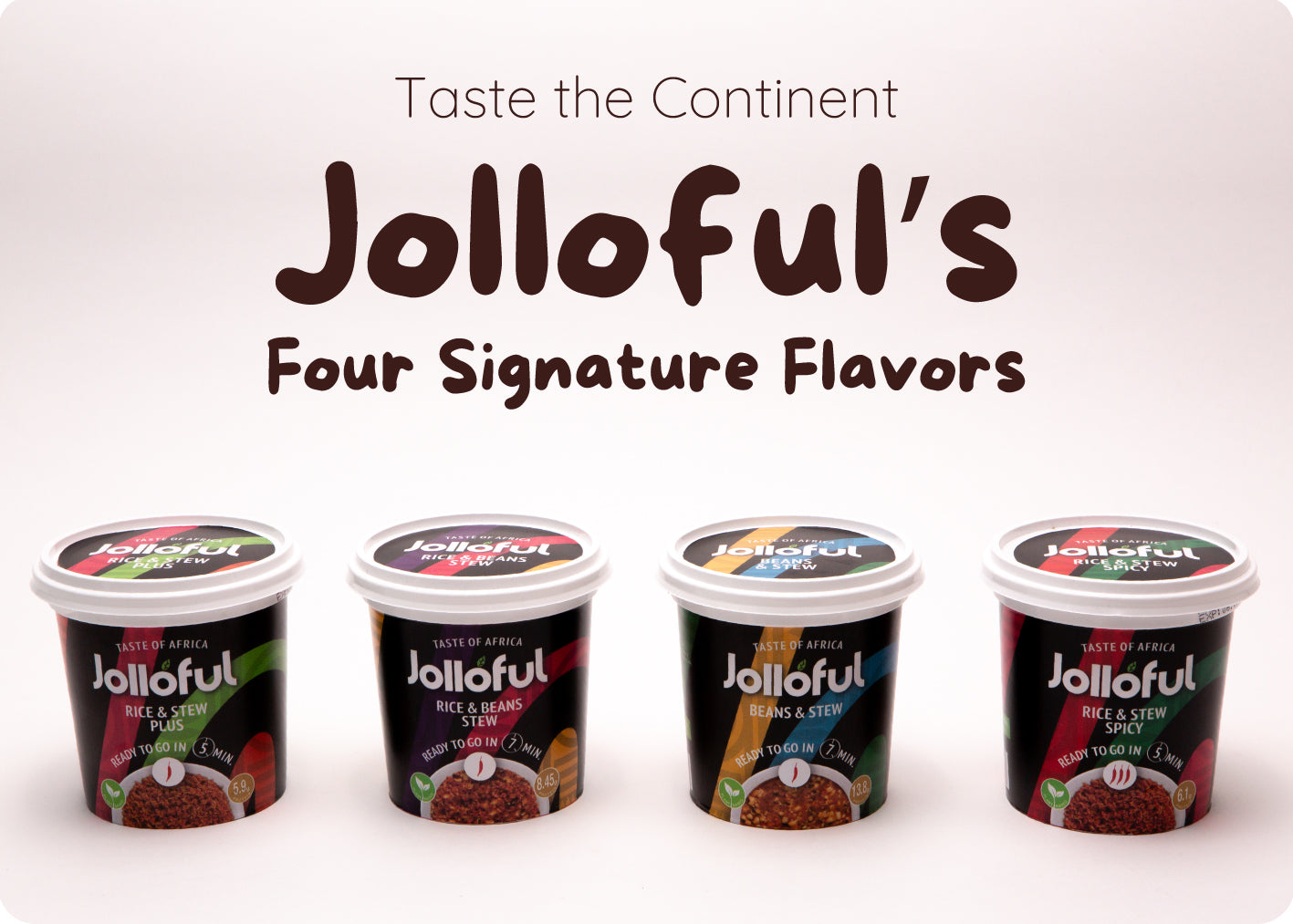
Jolloful was made for exactly this kind of everyday eating: real African meals with a long shelf life, made with clean-label ingredients and full, unapologetic flavour. Not a pale imitation of food. Food with somewhere to come from.
Build a smarter convenience cupboard
The best healthy convenience meals are easier to choose when your cupboard is set up before you need it. Keep a small selection rather than relying on one emergency option. Different days call for different levels of hunger, spice and effort.
It helps to have meals that work on their own, plus a few uncomplicated add-ons. Eggs, tinned fish, plain yoghurt, fresh fruit, nuts, salad leaves and frozen vegetables can turn a quick meal into something more substantial without creating a second cooking project. You do not need a perfectly stocked kitchen. You need a few dependable pairings.
For example, a warmly spiced grain-and-bean meal can be satisfying by itself at lunch. After a workout or on a hungrier evening, add a protein source and some fresh crunch. If you are feeding children or someone who prefers milder food, balance the heat with yoghurt or a cooling salad. Flexibility is one of the quiet strengths of a good pantry meal.
Portion awareness is useful here, but it need not be rigid. If a meal does not feel like enough, add to it. If you are only mildly hungry, save a side for later. Your appetite is information, not something to outsmart.
Choose convenience that respects your time
A better meal does not have to demand more of you. It can be ready in the time it takes to answer a few messages, finish a task or set the table. The point is not to perform wellness. It is to make good food the easy option when life is moving quickly.
Healthy convenience meals should offer more than a shortcut. They should bring colour, warmth, nourishment and a little bit of excitement to an ordinary day. Keep the food that respects your time, your taste and your standards close by. When hunger arrives, you will be glad you did.


Leave a comment