
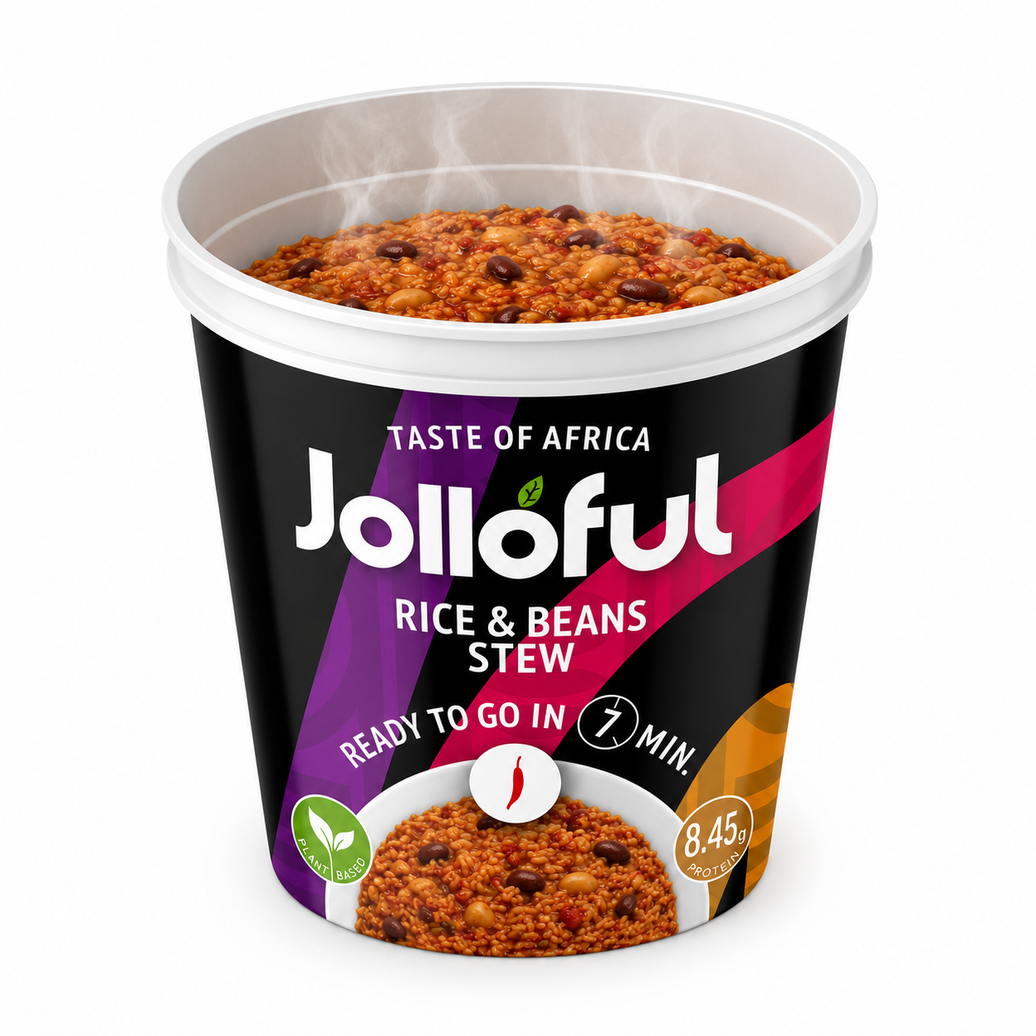
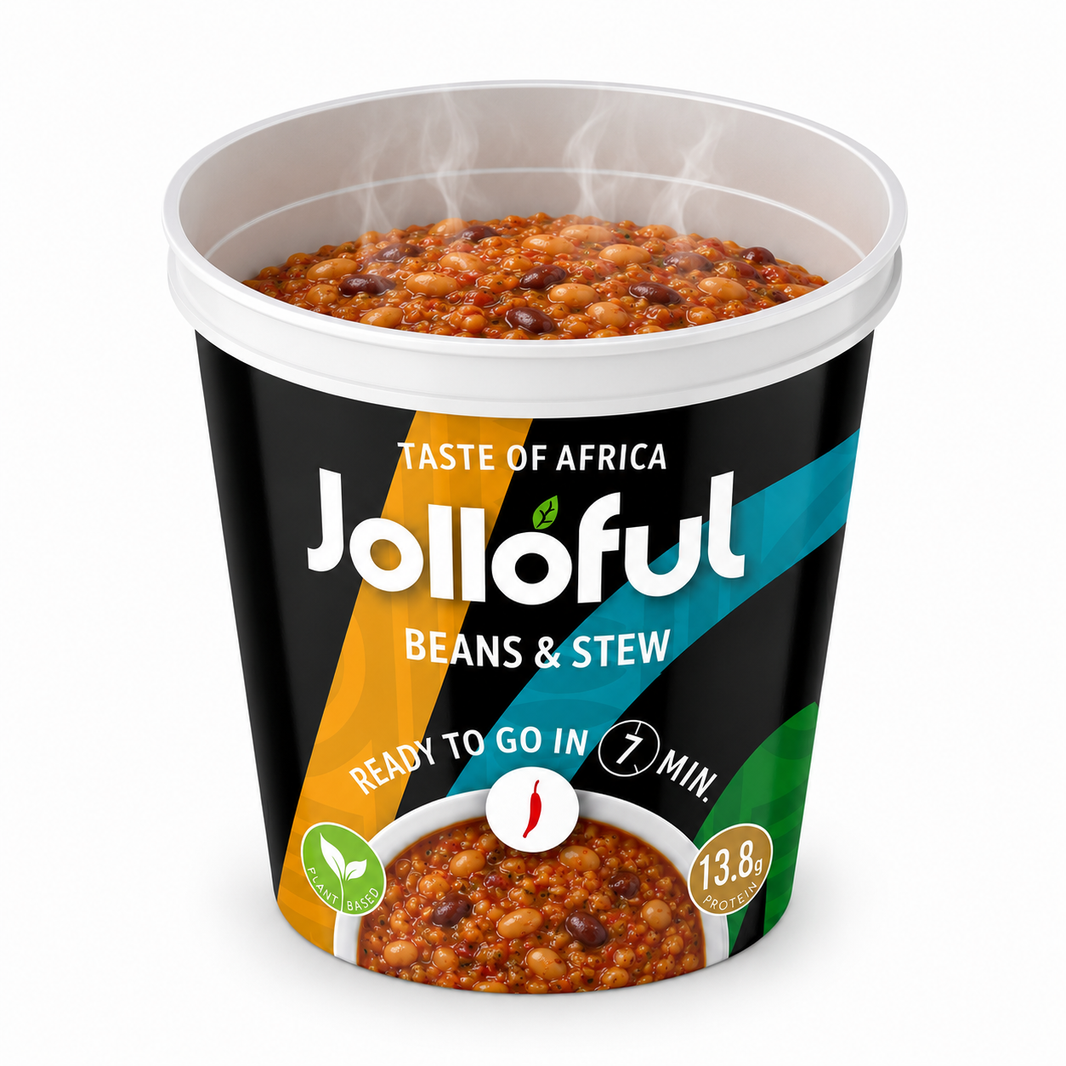
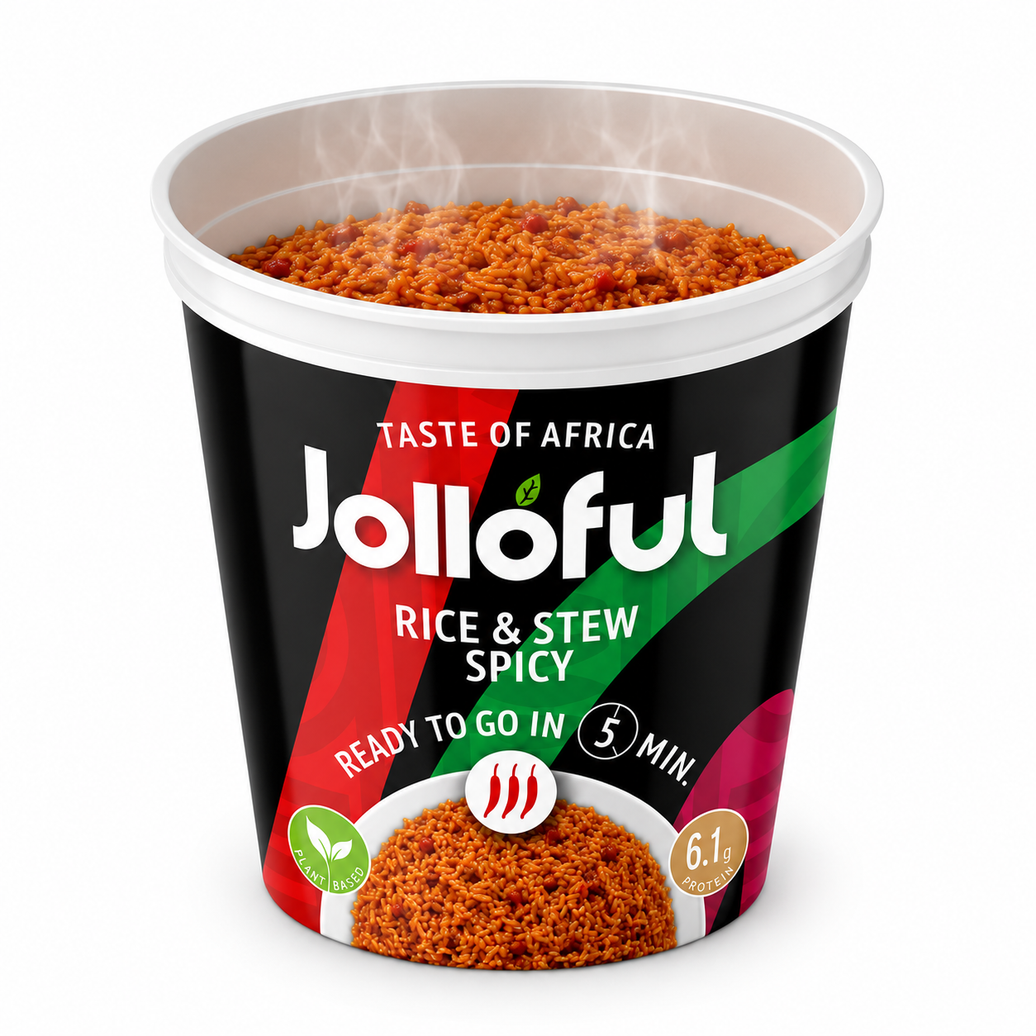
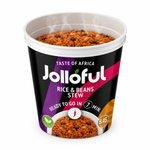
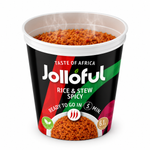
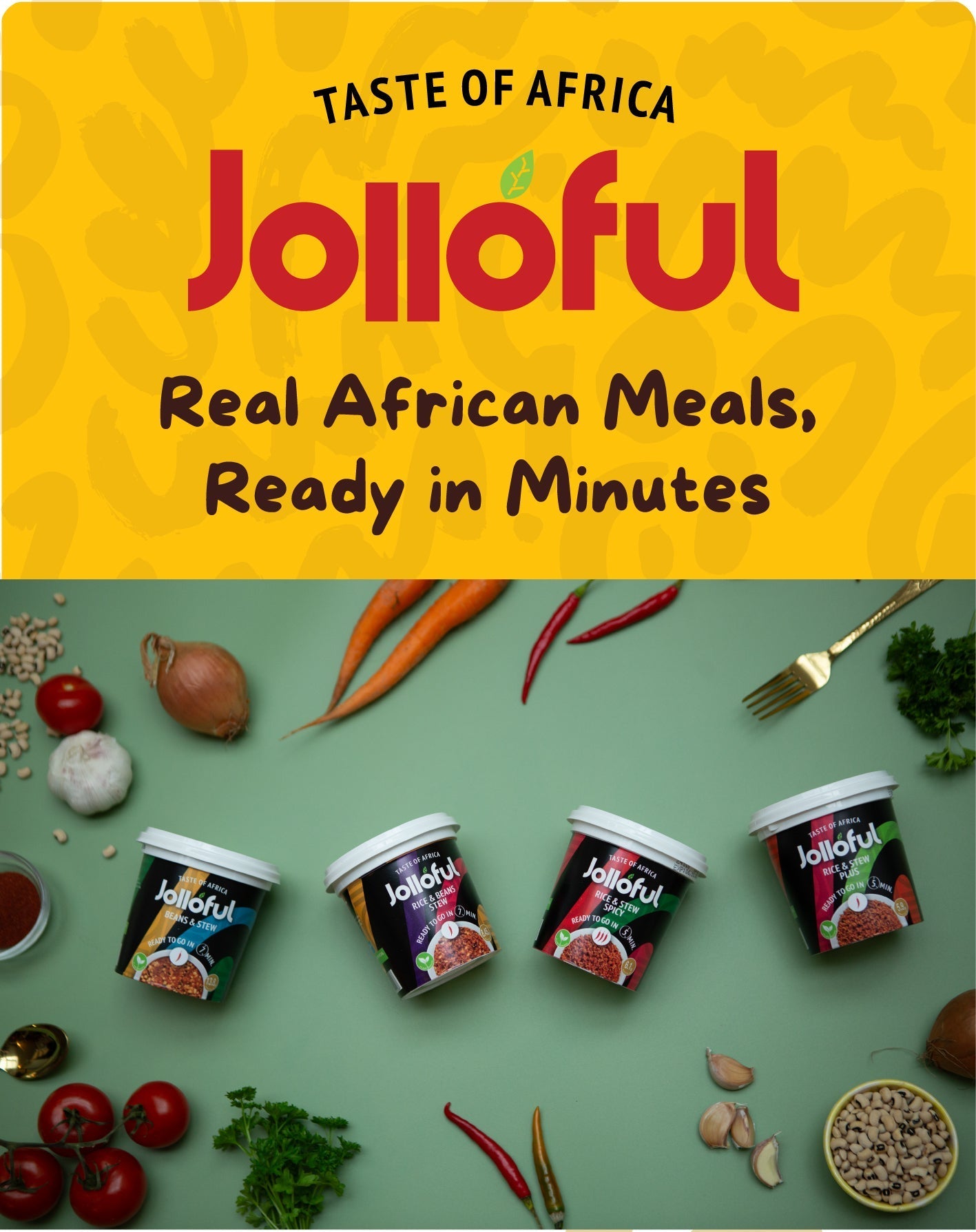
Order your 8-pack / 12 pack box today
A five-minute lunch should not mean settling for a mystery packet. The best meal cup ingredients do more than fill the gap between meetings, lectures or the school run. They bring proper flavour, recognisable food and the kind of spice that makes a quick meal feel like a meal.
That starts with reading beyond the front of the pack. Bright branding can catch the eye, but the ingredient list tells you whether a meal cup is built around real food or around shortcuts. If convenience matters to you, quality should too.
What good meal cup ingredients look like
A shelf-stable meal needs to travel well, sit happily in the cupboard and come alive with hot water. That does not require artificial colours, added preservatives or a long list of ingredients you cannot place. Smart preparation and careful drying can preserve grains, pulses, vegetables and spices while keeping them ready for busy days.
Look for ingredients that sound like food. Think rice or other grains, beans or lentils, dried vegetables, tomato, onion, pepper, herbs, spices and plant-based oils where appropriate. These are the foundations of satisfying dishes across Africa and beyond. They also give a meal cup texture, aroma and character - not just heat and salt.
The exact list will differ by recipe, and that is a good thing. A bold tomato-led dish should not taste the same as a creamy bean-based one. Variety comes from the ingredients doing their job, rather than from a single generic seasoning powder trying to do everything.
Real ingredients, made practical
Drying ingredients is not the same as stripping them of their identity. When done well, dehydration makes food practical for modern routines while protecting the qualities that matter most: flavour, fragrance and ease of storage. Add hot water, wait a few minutes, and the ingredients rehydrate into something warm, generous and ready to eat.
There is a trade-off, of course. A shelf-stable meal will not have the same texture as a dish cooked slowly from fresh ingredients at home. It is designed for a different moment: the office kitchen, the train journey, the late finish, the student flat or the day when cooking from scratch simply is not happening. The standard should be honest convenience with real flavour, not a poor imitation of home cooking.
Why the spice blend matters
Spices are where many meal cups either come to life or fall flat. A good blend creates layers: savoury warmth from onion and garlic, brightness from herbs, a deep peppery note and chilli that builds rather than overwhelms. It should taste intentional, not like an afterthought added to hide bland ingredients.
African cooking is not one flavour profile, and it should never be treated as one. Across the continent, recipes use distinct combinations of peppers, aromatics, legumes, grains and seasonings shaped by region, family and occasion. A well-made meal cup can offer an approachable entry point, but it should still respect that depth.
For people raised with these flavours, that care can make the difference between a convenient meal and one that feels familiar. For newcomers, it is a chance to try something far more interesting than another beige desk lunch. The goal is not to soften African food into something forgettable. It is to make its character easy to enjoy.
Heat should have purpose
Spicy does not automatically mean flavourful. Chilli can bring energy, but it should work with the rest of the recipe rather than dominate every spoonful. If you enjoy a milder meal, check the pack for a heat guide and start with a recipe that puts tomato, herbs or savoury spices at the centre.
If you love heat, look for a cup with a clearly stated chilli profile rather than guessing from the packaging. Transparent flavour descriptions help everyone find their level, whether they want a gentle weekday lunch or a proper kick after a long day.
Reading the label without overthinking it
Ingredient transparency is a sign of respect. You should be able to see what you are eating, understand how it gets its flavour and make a choice that suits your needs. You do not need a food science degree to read a label, but a few checks can help.
Start with the first few ingredients, as these usually make up the largest share of the product. Do you see grains, pulses, vegetables and seasonings, or is the list led by fillers and flavour enhancers? Then check for allergens, especially if you are buying for a shared household, workplace drawer or family cupboard.
Salt is worth considering too, particularly if you eat packaged meals often. There is no single perfect number for every person or recipe. What matters is the wider pattern of your diet and whether a meal feels balanced enough to become a regular choice. A richly spiced recipe can deliver big taste without relying solely on salt.
Finally, be wary of vague claims without proof. “Natural” can mean very little on its own. Clear ingredient lists and straightforward statements such as no artificial colours or no added preservatives are more useful when they are backed up by what you can actually read on the pack.
Meal cup ingredients and a more useful cupboard
The value of a good meal cup is not that it replaces every homemade meal. It is that it gives you a better option when time, energy and planning are short. Keep a few different recipes at home, at work or in your bag for the days when lunch otherwise becomes a biscuit, a bland sandwich or an expensive last-minute choice.
Meal cups also work well as a starting point rather than a fixed rule. Add fresh coriander, sliced spring onion, a squeeze of lemon, avocado or a fried egg if you have the time. Pair one with a crisp salad for more freshness, or serve it alongside roasted vegetables. These extras are optional, not a rescue mission. The cup itself should already taste complete.
For students and small households, shelf-stable food reduces the pressure to use everything immediately. For busy parents, it can mean one less compromise on the evenings that get away from you. For anyone building a more varied pantry, it is a simple route to food with real cultural presence.
Convenience should not flatten culture
For too long, fast food has often meant food stripped of its story: generic flavours, forgettable ingredients and packaging that promises more than it delivers. African food deserves better than that. Its ingredients carry technique, place and memory, whether you are returning to flavours you know or trying them for the first time.
That is the thinking behind Jolloful: quick meals that are proud of where their flavour comes from. Real food can fit modern life. It can be shelf-stable, ready in minutes and still rooted in culture.
Next time you reach for a fast lunch, give the ingredient list the same attention you give the cooking time. Choose the meal that brings proper grains, vegetables, pulses and spices to the table - then make those five minutes count.


Leave a comment