
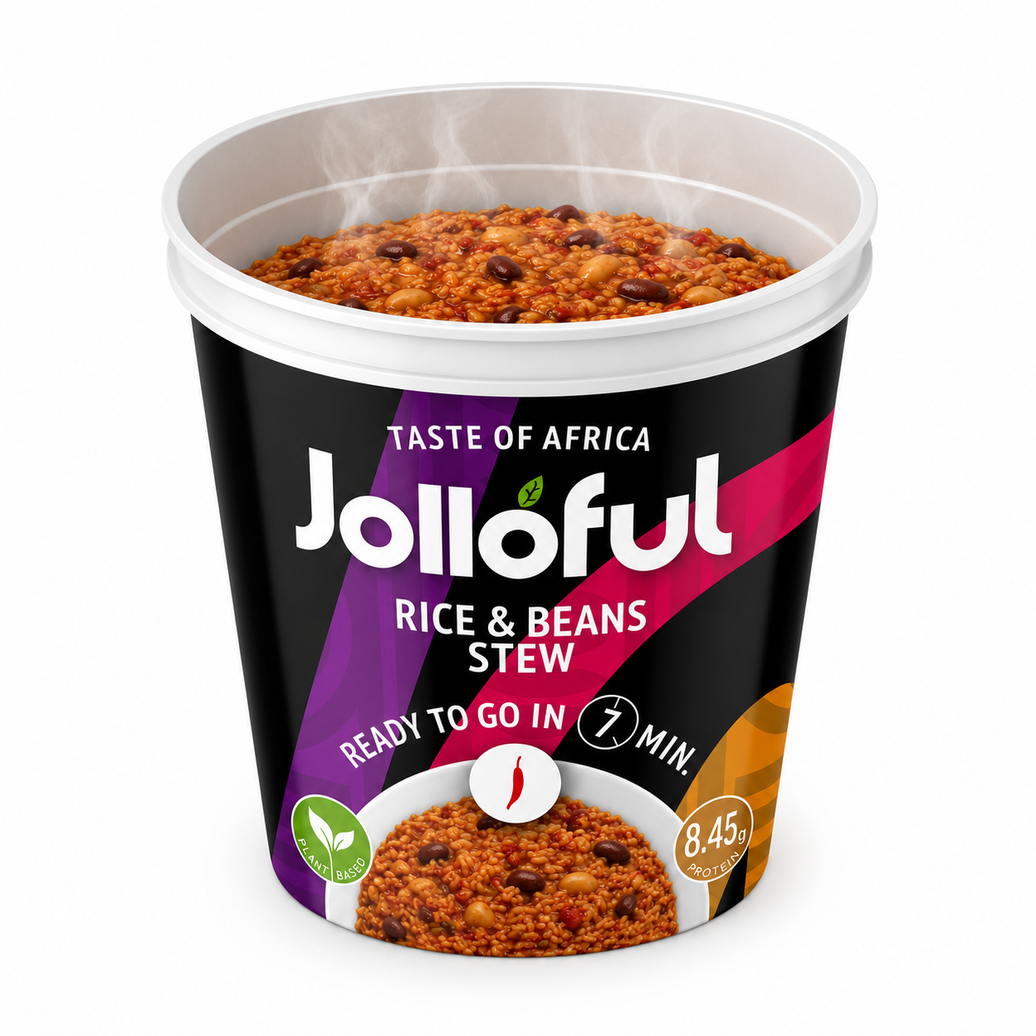
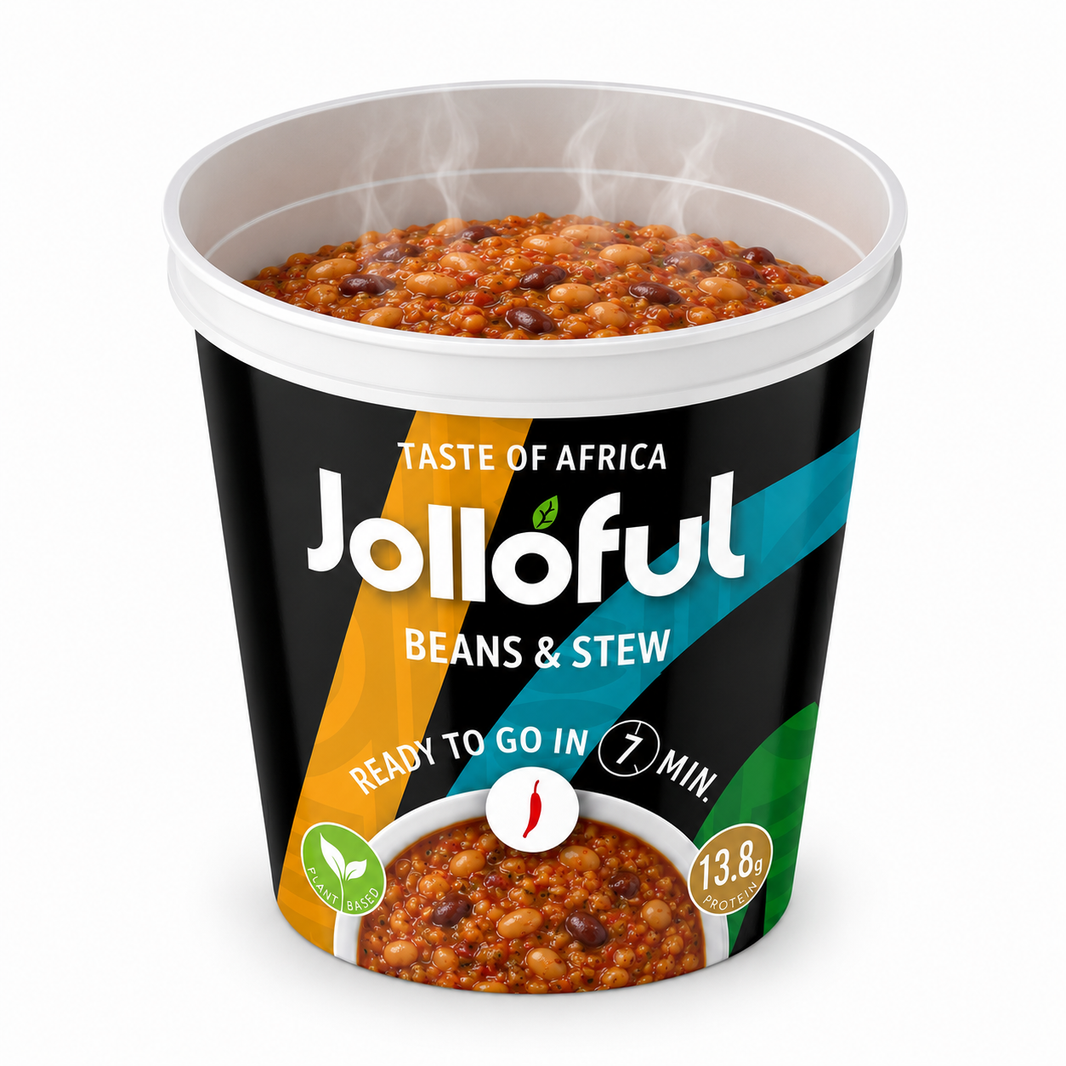
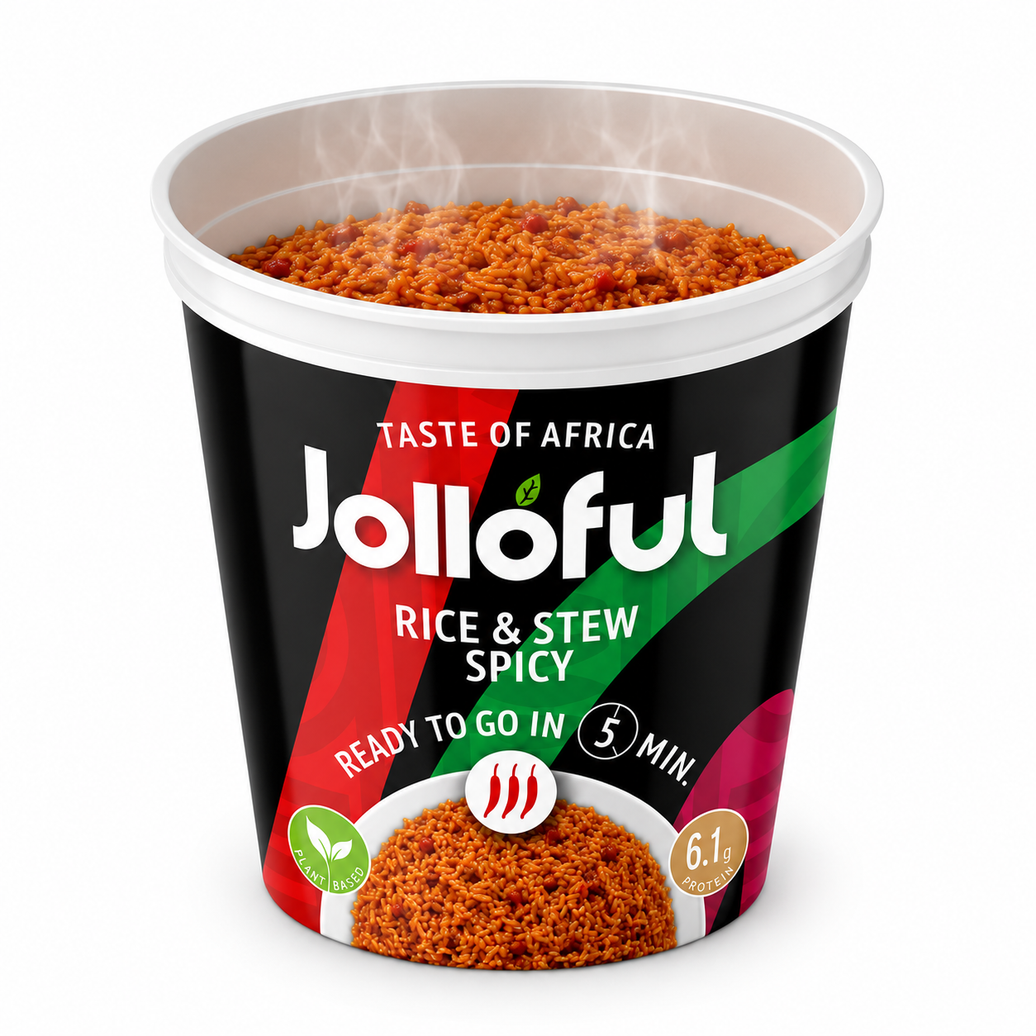
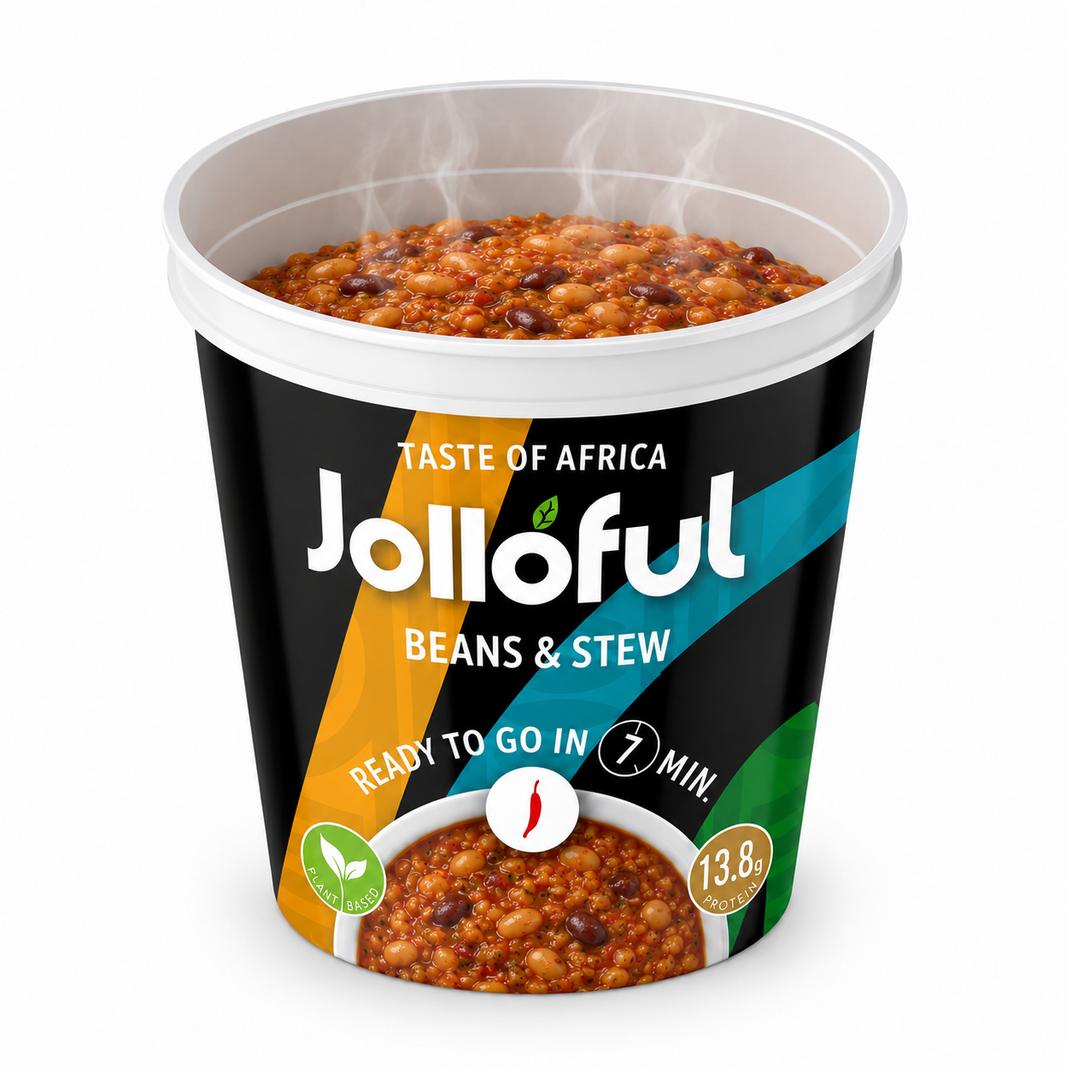
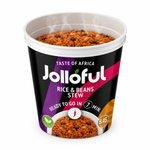
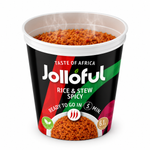

Order your 8-pack / 12 pack box today
What if the secret to the ultimate London comfort meal isn't found in a restaurant, but at the bottom of your own rice pot? The perfect bowl of white rice is the unsung hero of every great African meal. It's the essential canvas for the rich, bold flavors of a Lagos-style stew. You know the feeling of opening a pot only to find a gummy, sticking mess. It's frustrating when you're hungry after a long day.
We've all been there, struggling with water ratios while the stew sits ready and waiting. You deserve perfectly separated grains that carry flavor without turning into mush. This guide will help you master the science of fluffy rice and show you why this texture is vital for authentic stews.
We'll break down the exact steps for foolproof preparation and explore why this staple is the heartbeat of Nigerian food culture. From mastering the rice-to-water ratio to discovering quick, premium meal solutions from Jolloful, your weeknight dinners are about to get a major upgrade.
What is White Rice? The Fragrant Foundation of the Global Table
White rice is the polished heart of the grain. It's prized for its soft texture and clean finish. Think of it as the silent partner that makes every bold flavor in your bowl pop. While some focus only on the technical definition of What is white rice, we see it as the soul of the African table. Its mild flavor is its greatest strength. It acts as a cooling palate cleanser against the heat of a vibrant Scotch bonnet pepper stew.
In London, where food cultures collide, white rice remains a constant. Whether you prefer the sturdy structure of long-grain rice or the floral aroma of basmati, the goal is always the same. You want a grain that holds its own without stealing the show. It provides the necessary balance to the rich, oily textures of traditional West African cooking.
The Milling Process: Why We Love White Rice
The secret to that signature fluffiness lies in the milling. This process removes the outer husk, bran, and germ. What's left is the starchy endosperm that we know and love. This removal is why white rice stays light and airy rather than dense. It also ensures a longer shelf life than brown rice, which is vital for busy households.
This grain is the undisputed king of celebrations. From Sunday dinners to massive wedding feasts, it's the foundation of communal eating. It cooks quickly, which is a lifesaver on weeknights when you need a high-quality meal without the wait. It's simple, reliable, and deeply satisfying.
White Rice in African Food Culture
In Lagos, the combination of white rice and stew is more than just a meal; it's a cultural landmark. Street food vendors, often called "Mama Puts," are masters of the steam. They know exactly how to keep the grains separate and tender. This "white rice and stew" tradition is a taste of home for the global diaspora living in the UK.
Jolloful bridges the gap between this rich heritage and your modern London lifestyle. We treat this grain with the respect it deserves. Our goal is to provide a premium experience that honors the street food masters of West Africa. By offering authentic White Rice and Stew, we ensure that you can enjoy a restorative, healthy staple even on your busiest days. It's tradition made convenient.
How to Cook Perfect White Rice: The Foolproof Stove-Top Method
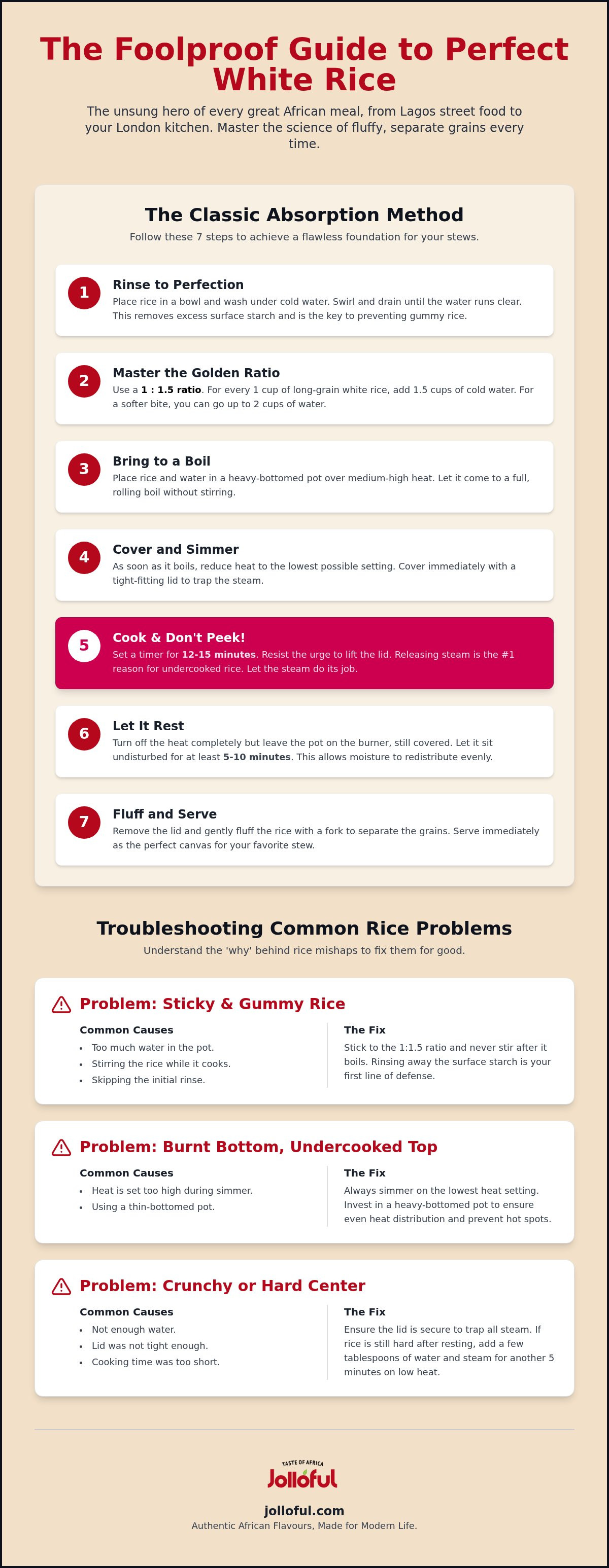
Cooking the perfect pot of white rice is a skill that saves time and stress. It's the difference between a soggy mess and a fluffy foundation for your stew. While some recipes suggest skipping the rinse, we stand by the traditional method. Rinsing your grains under cold water removes excess surface starch. This simple step ensures your rice stays separate and elegant rather than gummy.
The golden ratio is your roadmap to success. For most long-grain varieties found in London shops, 1 cup of rice to 1.5 cups of water works perfectly. If you prefer a softer bite, 2 cups of water might be your preference. It's about finding what works for your specific stove and pot. Beyond texture, understanding the nutritional value of rice helps you appreciate why this grain is a global energy source.
Step-by-Step: The Classic Absorption Method
Start by rinsing your rice until the water runs clear. Add the rice and water to your pot and bring it to a rolling boil. As soon as it bubbles, drop the heat to the lowest possible setting. This is the crucial moment. Cover the pot with a tight-fitting lid to trap the steam inside. Steam is what actually cooks the grain through to the center.
Resist the urge to peek. Every time you lift the lid, you lose heat and moisture. Set a timer for 12 to 15 minutes. Once the time is up, turn off the heat but leave the lid on. Let the pot sit undisturbed for at least 5 minutes. This resting period allows the moisture to redistribute evenly. Finally, use a fork to gently fluff the grains.
Seasoning Your Grains
Flavor starts in the pot. Add a pinch of sea salt during the boiling stage to season the grain from within. A small splash of vegetable oil or a knob of butter adds a beautiful sheen and helps keep the grains separate. For a true West African twist, drop in a dried bay leaf or a few slices of white onion while it simmers. The aroma will fill your kitchen and elevate the entire meal.
Mastering this method takes practice, but the results are worth it. If you're having a particularly busy week and don't have 20 minutes to spare, you can still enjoy these authentic flavors. Our ready-to-eat rice and stew cups offer that same fluffy texture in a fraction of the time. It is a premium solution for the modern, fast-paced Londoner who refuses to compromise on quality.
Troubleshooting: Why Your Rice is Sticky, Mushy, or Burnt
Even the most experienced cooks face a bad pot of rice occasionally. It happens to the best of us. Whether you end up with a gummy mess or a scorched crust, understanding the "why" helps you fix it next time. White rice is simple, but it demands respect for the process. When things go wrong, it's usually a matter of heat management or water ratios.
Gummy rice is often the result of two things: too much water or too much agitation. When you stir the pot during the simmer, you break the delicate grains and release excess starch. This creates a sticky, glue-like texture that ruins the experience. In Lagos, street food masters know that patience is the secret ingredient. They let the steam do the heavy lifting while the pot stays closed.
A crunchy center is a sign that your heat was too high. The water boiled off and escaped as steam before the heart of the grain could soften. On the flip side, a burnt bottom is usually a hardware issue. Thin-bottomed pots create "hot spots" that scorch the rice before the top is even done. A heavy-bottomed pot is a non-negotiable tool for any serious kitchen. It distributes heat evenly and prevents those frustrating burnt layers.
Don't throw away your mistakes. Overcooked, mushy rice is the perfect base for a quick stir-fry the next day. You can also add more liquid and aromatics to turn it into a restorative congee or rice pudding. It's about being resourceful and turning a kitchen fail into a creative win. There is always a way to save the meal.
Common Rice Cooking Mistakes
Peeking under the lid is a hard habit to break. But every time you do, the internal temperature drops and the steam balance is lost. This leads to unevenly cooked grains. Pot size also matters more than you think. If the pot is too wide, the water evaporates too quickly. If it's too deep, the bottom layers get crushed under the weight of the rice above. For more detailed steps, check out this guide on How to cook perfect white rice.
Pro-Tips for Better Grains
Always use a fork to fluff your rice. Spoons mash the grains together, while a fork separates them gently. The "knuckle method" is a heritage-driven trick used by grandmothers across the globe. Simply fill the water until it reaches the first knuckle of your index finger above the rice level. It's surprisingly accurate once you get the hang of it.
The absorption method is the gold standard for fluffy rice because it allows the grains to soak up exactly the amount of liquid they need without being drained. It preserves the integrity and flavor of every single grain.
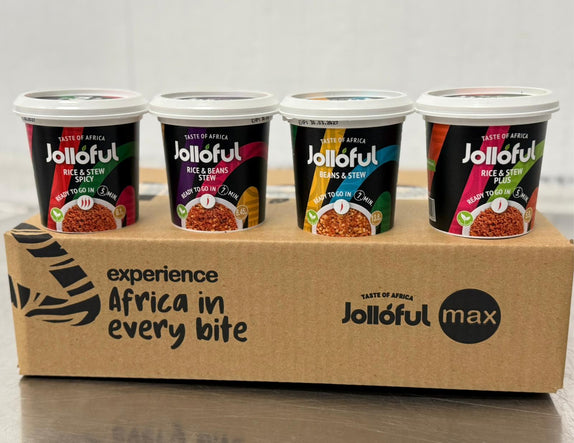
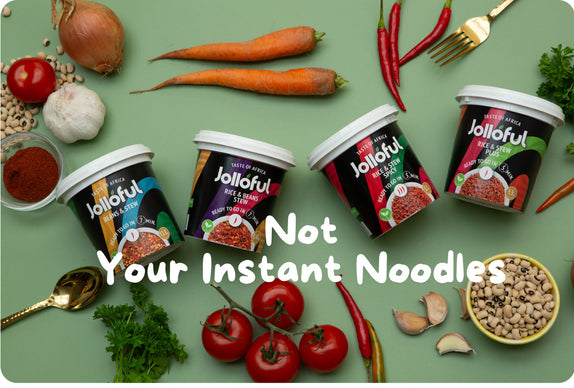
If the London pace of life means you don't have time to troubleshoot, we have you covered. Our Variety Pack takes the stress out of dinner. You get the authentic texture of slow-cooked rice in minutes. It's the perfect, high-quality alternative to nutritionally void instant noodles. Enjoy the taste of home without the risk of a burnt pot.
Beyond the Pot: Pairing White Rice with Authentic Stews
White rice is more than a side dish. In West African cuisine, it serves as the essential cooling agent for fiery pepper stews. The neutral profile of the grain acts as a buffer. It allows the complex spices and deep umami of the sauce to take center stage without overwhelming your palate. When you pair soft, fluffy grains with a chunky, protein-rich bean stew, you create a texture contrast that is deeply satisfying.
This combination captures the "Lagos Sunday" vibe perfectly. It's a meal that turns a simple afternoon into a celebratory feast. Whether you are in a flat in London or a kitchen in Bonn, the aroma of a simmering stew hitting a bowl of fresh rice is unmistakable. You can discover our authentic stews that are specifically crafted to pair with your perfectly cooked grains. This pairing is the heartbeat of the community table.
The Perfect Match: Rice and Stew (Mild vs. Spicy)
Choosing between mild and spicy is about personal preference and heat tolerance. A mild stew lets the subtle, almost floral aroma of high-quality white rice shine through. It's a delicate balance where the tomato and bell pepper base provides a gentle sweetness. On the other hand, the spicy version uses the rice to absorb the intense, building kick of Scotch Bonnet peppers. The key is the stew-to-rice ratio. You want enough sauce to coat every grain without drowning the bowl in liquid.
Meal Prep Mastery: Rice for the Busy Professional
For the busy professional, white rice is a meal prep powerhouse. You can store cooked grains in the fridge for up to 4 days in an airtight container. If you're worried about them drying out, use the "ice cube trick" when reheating. Place a single ice cube on top of your rice before microwaving. The cube won't melt completely, but it creates enough targeted steam to restore that "just-cooked" fluffiness. It's a simple hack that saves your lunch from becoming a gummy mess.
This makes rice and stew the ultimate desk lunch for offices across the UK. It's restorative, filling, and far superior to nutritionally void instant noodles or processed sandwiches. It provides the clean energy you need to power through a long afternoon. By preparing your grains in advance, you ensure a premium, healthy meal is always ready in minutes. It's the perfect intersection of heritage and modern efficiency.
Jolloful: Authentic White Rice and Stew in Minutes
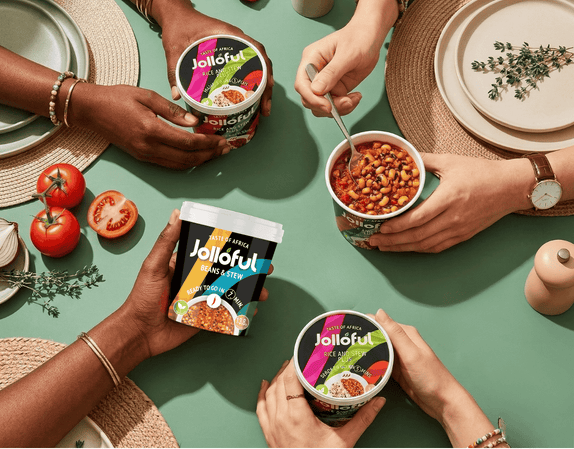
Jolloful is more than a meal provider. We are cultural ambassadors. Our mission is to bring the vibrant soul of Lagos directly to your kitchen in Germany and the UK. We know that life in London moves fast. You don't always have 20 minutes to watch a pot of white rice reach the perfect steam. We've solved that problem by blending heritage-focused recipes with modern efficiency. Every pack is designed to provide comfort without the wait.
Our 'White Rice and Stew (Mild)' is a testament to this commitment. We use genuine ingredients to capture the deep, aromatic flavors of a traditional tomato and pepper base. There are zero artificial preservatives in our packs. We rely on innovative food technology to keep our meals shelf-stable while maintaining a fresh-from-the-pot taste. This means you can keep a stash in your desk drawer or pantry for months. It is the ultimate solution for a restorative meal on demand. Learn more about our story and our obsession with culinary integrity.
Modern Convenience, Traditional Taste
We position ourselves as the healthy antithesis to processed fast food. Jolloful is the restorative alternative to nutritionally void instant noodles. Our meals provide the clean energy and complex flavors your body deserves. We use the same Scotch Bonnet peppers and local spices you would find in a Lagos market. The Variety Pack allows you to stock your pantry for a full week of effortless dining. It takes the guesswork out of meal planning. Your favorite meal is ready in minutes. Just heat it up and experience the warmth of a Nigerian Sunday feast without the cleanup.
Join the Jolloful Community
Our community spans across Germany, the UK, Switzerland, and beyond. We are a mission-oriented brand that values reliability and transparency. Whether you are a student in Berlin or a professional in London, we bring the taste of home to your door. We also provide B2B solutions for modern corporate environments. Bringing authentic African flavors to office catering is now as easy as a few clicks. We help businesses offer premium, culturally diverse food options to their teams. It is about creating a shared cultural experience through high-quality food.
[Shop the Jolloful collection now and upgrade your lunch game.
Bring the Soul of Lagos to Your Table Mastering the art of fluffy white rice changes your entire dinner routine. You've learned how to balance water ratios, avoid gummy grains, and troubleshoot those frustrating burnt pots. You now know how to pair these perfect grains with the rich, spicy stews that define our culture. These skills ensure your kitchen always feels like a home for authentic, soul-warming meals. Jolloful is here to support that mission with authentic West African recipes and zero artificial preservatives. We are the restorative antithesis to nutritionally void convenience foods. We handle the labor-intensive, slow-simmered stews so you can focus on the joy of eating. With fast shipping across Germany and the UK, the vibrant flavors of Lagos are never more than a few days away from your doorstep. Try our authentic White Rice and Stew (Mild) bundle today!](https://jolloful.com/collections/all)
It's time to elevate your table with the power of tradition and the ease of modern technology. You don't have to choose between quality and convenience anymore. You're ready to serve a premium bowl that honors your roots and fits your fast-paced lifestyle perfectly. Enjoy every bite.
Frequently Asked Questions
Do I really need to wash white rice before cooking?
Yes, you should always wash your grains before they hit the pot. Rinsing removes excess surface starch that causes clumping. In West African kitchens, this is a non-negotiable step for achieving that signature clean flavor. Simply run cold water over the rice in a bowl and swirl until the water is no longer cloudy. It's the first step toward perfect white rice.
What is the best ratio for white rice on the stove?
The standard ratio is 1 cup of rice to 1.5 cups of water for most long-grain varieties. If you prefer a softer, more tender bite, you can increase the water to 2 cups. This balance ensures the grains absorb all the liquid without becoming soggy. Always check your specific brand's packaging, as some aged basmati might require slightly more moisture to reach full fluffiness.
How long does it take to cook white rice without a rice cooker?
It takes approximately 20 minutes to cook a perfect batch on the stove. You'll spend about 12 to 15 minutes on a low simmer with the lid tightly closed. The most important part is the final 5 minutes of resting off the heat. This allows the steam to finish the job gently. It's a quick solution for busy London weeknights when you need a high-quality base for your stew.
Can I freeze cooked white rice for later?
You can definitely freeze cooked rice to save time on future meals. Store it in airtight containers or freezer bags once it has cooled completely. It stays fresh for up to one month. When you're ready to eat, reheat it directly from frozen with a splash of water to restore the moisture. This is a great way to ensure you always have a healthy staple ready.
Why is my white rice always sticky even when I follow the recipe?
Stickiness usually comes from stirring the pot or skipping the rinse. When you stir rice while it simmers, you break the grains and release starch into the water. This creates a gummy texture. Another culprit is peeking under the lid, which lets out the steam needed for even cooking. Trust the process, keep the lid on, and let the heat do its work undisturbed.
What is the difference between long-grain and short-grain white rice?
Long-grain rice stays separate and fluffy, while short-grain rice contains more starch and becomes sticky. For authentic African stews, long-grain is the undisputed king. It provides the perfect structure to carry heavy, oil-based sauces without turning into a mash. Short-grain is better suited for dishes like sushi or risotto where a creamy, bound texture is the goal.
Is white rice healthy for a daily diet?
White rice is a premium source of clean energy and a healthy staple when eaten as part of a balanced diet. It's easy to digest and naturally gluten-free. To maximize the nutritional benefit, pair it with protein-rich bean stews or fresh vegetables. This combination provides a restorative meal that fuels your body without the heavy preservatives found in common processed fast foods.
How do I reheat rice so it stays fluffy?
Reheating requires moisture to bring the grains back to life. Place your rice in a microwave-safe bowl and add a single ice cube or a teaspoon of water on top. Cover the bowl tightly with a lid or damp paper towel. The steam created during heating will soften the grains without making them soggy. It's the best way to enjoy your leftovers with that "just-cooked" feel.



Leave a comment