
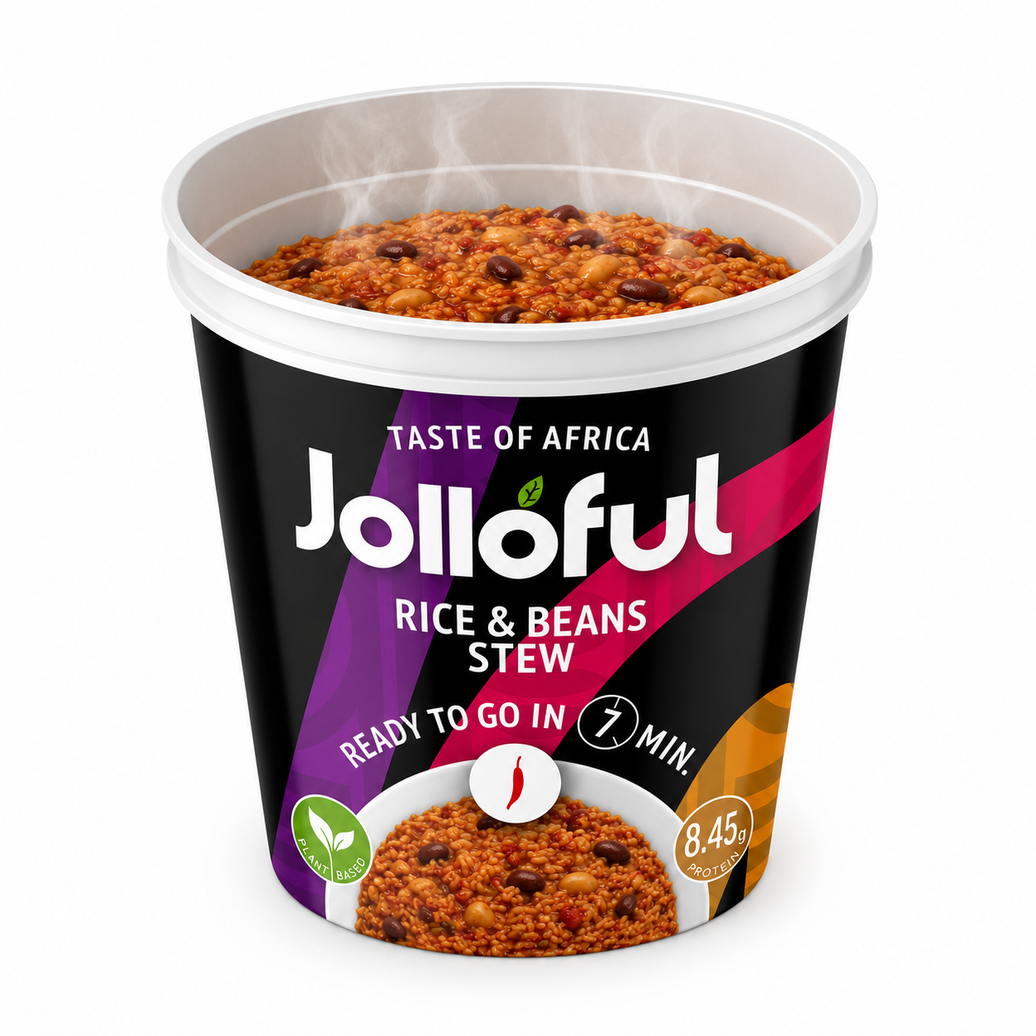
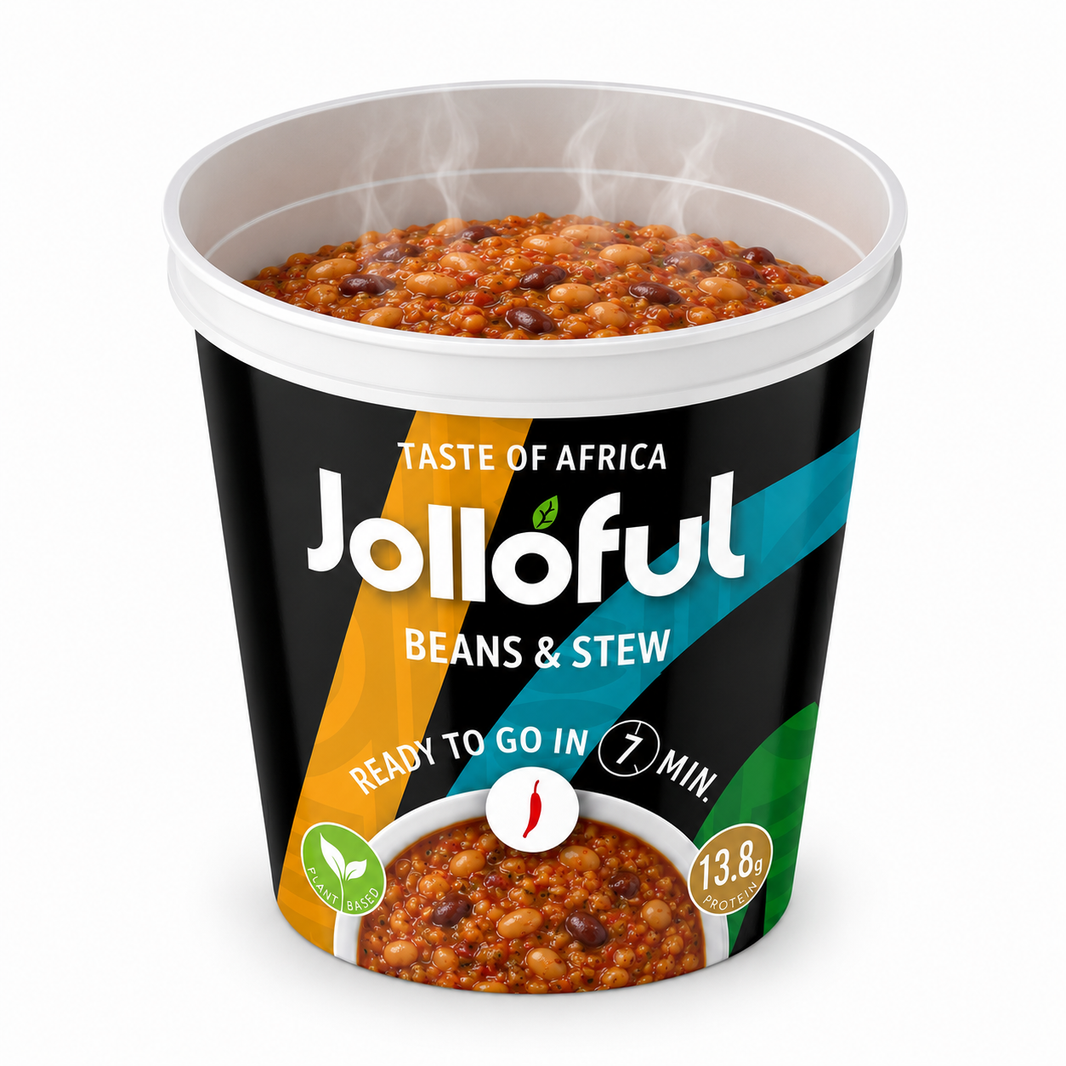
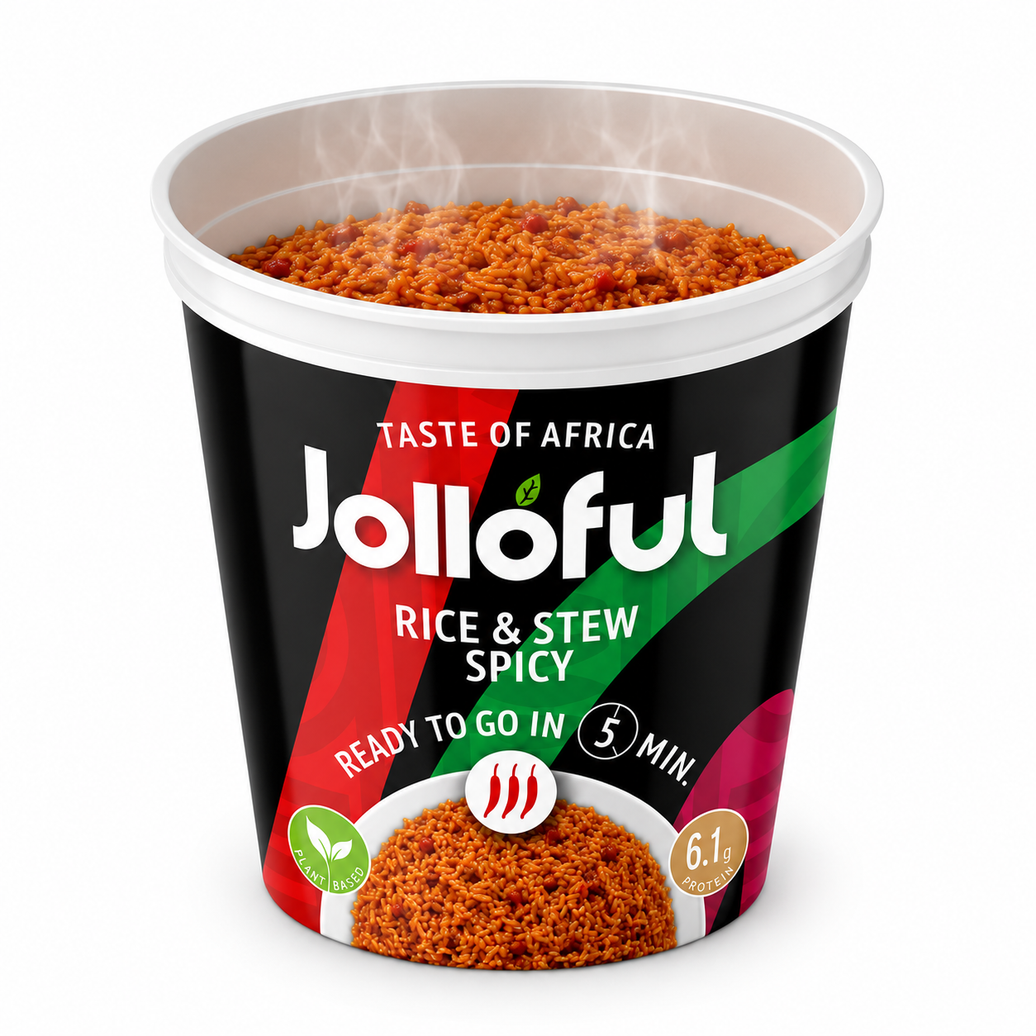
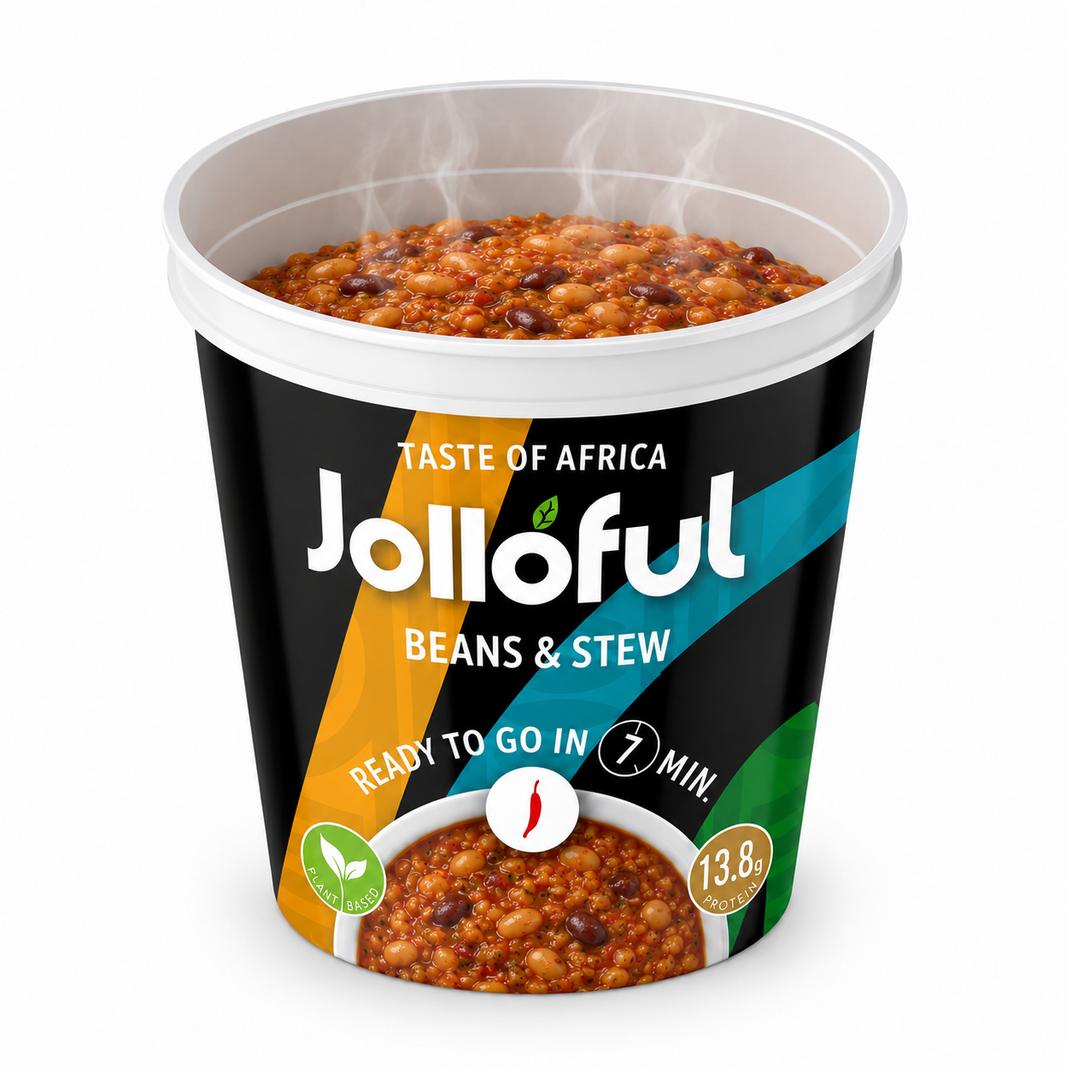
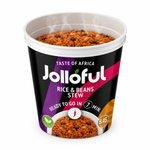
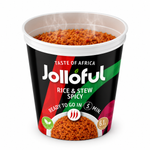
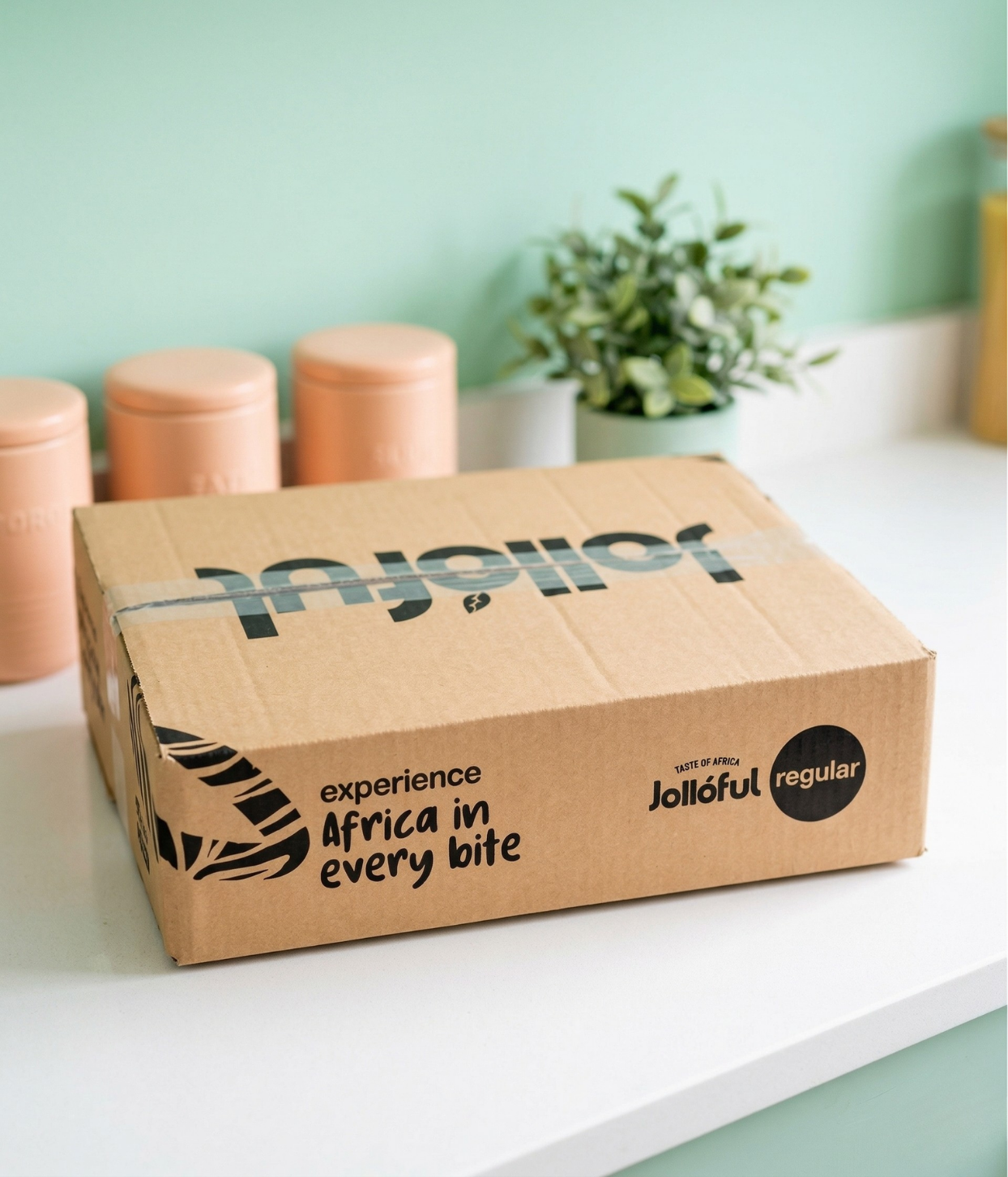
Order your 8-pack / 12 pack box today
A meal that lives in the cupboard has a reputation problem. Too often, people expect it to be bland, overly salty or one step above emergency rations. But can shelf stable food taste good? Absolutely - when flavour is treated as the starting point, not something sprinkled on at the end.
Good shelf-stable food should not ask you to lower your standards because you are short on time. It should give you a satisfying, properly seasoned meal in minutes, whether you are between meetings, feeding the family after a late train, or settling into your student flat with very little in the fridge.
Can shelf stable food taste good without preservatives?
Yes. Shelf stability does not automatically mean artificial ingredients or a long list of things you cannot pronounce. It simply means a food has been made and packed so it can remain safe and enjoyable at room temperature for a useful period.
The method matters. Some foods are dried, which removes much of the water that causes spoilage. Others are heat-treated and sealed in protective packaging. Salt, acidity, oil and careful portioning can also play a role, depending on the recipe. None of that requires a meal to taste flat.
In fact, drying can preserve plenty of flavour when it is done thoughtfully. Aromatic spices, chillies, herbs, tomatoes, onions and savoury vegetables can hold their character remarkably well. Add hot water, give the meal enough time to hydrate, and those ingredients begin doing what they were meant to do: filling the room with a smell that says dinner is actually happening.
The catch is that shelf-stable food has nowhere to hide. If the original recipe lacks depth, no clever packet can fix it. A good product begins with a dish worth eating before the preservation process even enters the conversation.
Flavour comes from the recipe, not the cupboard
There is a big difference between food designed only to last and food designed to be remembered. The first may survive months on a shelf. The second brings balance: warmth from spices, savoury notes from slow-cooked ingredients, brightness, heat and enough texture to keep every mouthful interesting.
African cooking has always understood that flavour is layered. A sauce can be smoky, peppery, tangy and deeply savoury at once. A simple grain dish can become generous and full-bodied with the right combination of aromatics, spices and vegetables. That complexity is not a luxury reserved for weekends or restaurant tables.
For a shelf-stable meal to honour those flavours, the ingredients need to be chosen with care. Real onion, garlic, chilli, herbs, pulses, vegetables and well-built spice blends bring more character than artificial flavouring ever could. Clean labels are not about making food dull or worthy. They are about letting recognisable ingredients carry the meal.
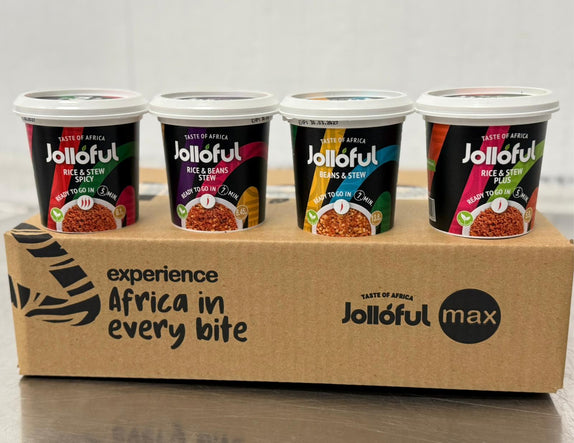
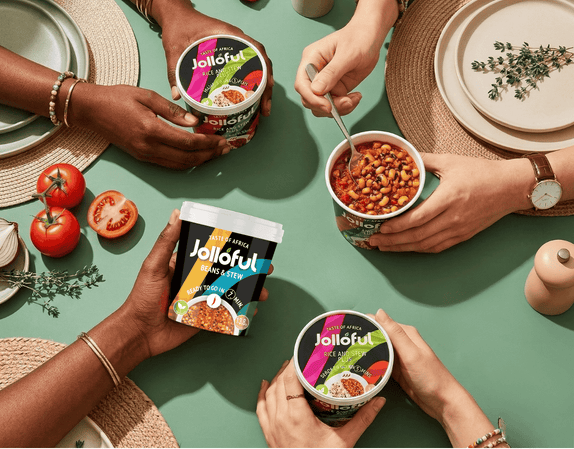
That is the standard Jolloful is built around: fast food with roots, not a bland imitation of convenience. A five-to-seven-minute meal can still taste intentional when the recipe comes first.
Why some shelf-stable meals disappoint
Let us be honest: not every pantry meal earns a repeat purchase. There are a few familiar reasons why.
First, many products lean too heavily on salt. Salt can sharpen flavour and help food keep well, but it cannot create the rounded richness of toasted spices, cooked onions or a proper sauce base. When salt is the loudest note, every bite starts to taste the same.
Second, some meals are under-seasoned because brands assume convenience shoppers will accept less. This is a strange bargain. People may only have ten minutes to eat, but that does not mean they have stopped caring about food.
Third, texture can be mishandled. Ingredients that rehydrate at different speeds need recipes built around that reality. A grain that needs six minutes and a vegetable that turns soft after two should not simply be thrown together without testing. The best quick meals account for water level, resting time and the way each ingredient changes in the bowl.
Finally, a meal can be technically authentic in name yet miss the spirit of the food. Authenticity is not a label printed on the front. It lives in the flavour profile, the ingredient choices and the care taken not to reduce a rich food culture to something generic.
What makes a pantry meal genuinely satisfying
A reliable shelf-stable meal should offer more than convenience. Look for a short, understandable ingredient list, clear preparation instructions and a flavour description that sounds like an actual dish rather than a chemistry experiment.
It should also have a point of view. Is it mild and comforting? Rich and tomato-led? Fragrant with herbs? Properly hot? The best brands tell you what to expect, because people have different appetites for chilli and spice. Bold flavour should be exciting, not a guessing game.
Portion size matters too. A small meal may be perfect for lunch, while a heartier option is better after the gym or for a quick supper. Shelf-stable food is especially useful when your plans are unpredictable: keep it at your desk, in your work bag, in the kitchen cupboard or where you stay during a busy week. The convenience is real, but the experience should still feel like a meal rather than a compromise.
A few small choices make a big difference
Even excellent shelf-stable food benefits from proper preparation. Use the amount of hot water stated on the pack rather than guessing. Too much water weakens the seasoning; too little can leave the texture uneven. Cover it while it stands, because trapped heat helps ingredients hydrate fully.
Do not rush the final minute. That resting time is often where the sauce thickens and the spices settle into the dish. Give it a stir before eating so every spoonful gets the full flavour.
If you want to turn a quick meal into something more substantial, add what you already have. A fried egg, sliced avocado, fresh herbs, roasted vegetables, grilled chicken or a spoonful of yoghurt can work beautifully, depending on the flavour profile. These additions are optional, not repairs. The meal should stand confidently on its own first.
Convenience should not mean culinary compromise
There is a cultural assumption that proper food must take hours, while quick food must be forgettable. That idea does not hold up. Time is valuable, especially for people balancing work, family, commuting and everything else that fills a week. Wanting fast food that tastes real is not asking for too much.
Shelf-stable meals also make African flavours easier to bring into everyday routines. For someone who grew up with these tastes, that can mean a familiar moment in the middle of a packed day. For someone new to the cuisine, it can be a confident first step without needing specialist skills, a lengthy shopping list or an entire free evening.
There are trade-offs, of course. A meal prepared in minutes will not recreate every texture of something cooked slowly from scratch. It is not meant to replace your favourite home-cooked spread or a long, celebratory dinner. But it can be deeply flavourful, comforting and satisfying in its own right. The question is not whether it is identical to food made over several hours. The question is whether it tastes good enough that you would choose it again.
That is where standards matter. Keep a few meals that bring real spice, real ingredients and real character within reach. The next time the cupboard is all you have, it should still feel like a good place to start.



Leave a comment