
Your cupboard says more about your lifestyle than your fridge ever will. When the week gets busy, travel runs late, or dinner needs to happen fast, the food you can rely on without a second thought matters. That is exactly why people ask, what is shelf stable food - and whether it means sacrificing flavour, quality, or real ingredients.
Shelf stable food is food that can be stored safely at room temperature for an extended period without spoiling, as long as the packaging stays unopened and the product is stored properly. That sounds simple enough, but the term often gets lumped in with tired assumptions: bland tins, ultra-processed snacks, or emergency-only meals. In reality, shelf stable food covers a much wider range, from beans and rice to sauces, grains, spices, and well-made ready meals.
For modern households, that matters. Convenience has moved on. People want food that fits real life without tasting like a compromise.
What is shelf stable food and how does it work?
At its core, shelf stability is about controlling the conditions that make food spoil. Bacteria, mould, yeast, moisture, oxygen, and light all play a role in food degradation. A product becomes shelf stable when its recipe, cooking method, moisture level, packaging, or preservation process prevents those factors from causing rapid spoilage.
That can happen in a few different ways. Some foods are naturally low in moisture, like dried grains, lentils, or spices. Others are heat-treated and sealed in packaging that keeps out contaminants. Some use drying, retort processing, vacuum sealing, or protective packaging to maintain safety and quality. The key point is this: shelf stable does not automatically mean full of additives.
In fact, many shelf stable foods rely more on smart food science than on artificial preservatives. Heat, dehydration, salt, acidity, and airtight packaging can do a lot of the heavy lifting.
Shelf stable does not mean low quality
This is where the conversation usually gets more interesting. Plenty of shoppers hear "shelf stable" and assume "cheap" or "heavily processed". That is understandable, because for years convenience food was sold with very low expectations. Fast often meant flimsy. Long-lasting often meant flavourless.
But shelf life and food quality are not opposites. They are separate things.
A shelf stable product can still be made with real ingredients, bold seasoning, and a clear point of view. It can still reflect actual food culture rather than a generic factory formula. The better question is not whether a food sits in the cupboard. It is how that food was made, what went into it, and whether the eating experience feels worth repeating.
That distinction matters even more if you care about culturally rooted food. Traditional cuisines across Africa and beyond have always used practical methods to preserve ingredients, carry flavours, and make meals last longer. Drying, smoking, fermenting, and spice-based preservation are not shortcuts. They are part of the culinary story.
Common examples of shelf stable food
The category is broader than many people think. Shelf stable food includes pantry basics such as rice, pasta, oats, flour, tinned tomatoes, beans, stock cubes, nuts, dried fruit, and seasonings. It also includes meal components like sauces, soups, grains, and pre-cooked packaged meals that are designed for ambient storage.
Then there are convenience formats. Instant porridge pots, noodle cups, couscous packs, soup sachets, ready-to-eat rice, and meal cups can all be shelf stable if they are produced and sealed correctly. Some are best used as backup food. Others are good enough to become part of your regular routine.
That is an important difference. Shelf stable food is not only for power cuts, camping trips, or the back of the office cupboard. For students, working parents, commuters, and anyone trying to eat well on a tight schedule, it can be a practical everyday option.
What is shelf stable food in modern convenience culture?
Today, the best shelf stable products are solving a specific problem: people want speed, but they are no longer willing to accept dull food in exchange for it. That has pushed brands to rethink what convenience should taste like.
A good shelf stable meal should save time, yes. It should also have proper texture, real flavour, and ingredients you recognise. If it claims cultural inspiration, it should do more than borrow a label and flatten the taste. Consumers are far more switched on now, especially in markets like the UK, where global food culture is part of everyday eating.
This is where shelf stable food starts to feel less like a compromise and more like a smart format. If a meal can sit in your cupboard for months, be ready in minutes, and still taste intentional, that is not second best. That is useful food made well.
How long does shelf stable food last?
There is no single answer because shelf life depends on the product. Some dry goods last six months, some last a year, and some can remain safe much longer if unopened and stored in cool, dry conditions. The use-by or best-before date on the packaging matters, but so does the type of food.
Low-moisture foods tend to last longer. Sealed heat-processed meals can also have a long shelf life, though their quality may gradually change over time. Flavour, aroma, or texture might soften before safety becomes the issue.
It also depends on storage. A cupboard away from direct sunlight is ideal. Heat, damp, and repeated temperature changes can shorten shelf life or affect taste. And once opened, shelf stable food often stops being shelf stable. At that point it may need refrigeration and faster use.
How to tell if a shelf stable food is worth buying
Not every long-life product deserves space in your kitchen. Some are built around convenience alone. Others balance convenience with ingredient quality and flavour.
Start with the ingredient list. Shorter is not always better, but clearer usually is. You should be able to understand what you are buying. Look for recognisable ingredients, proper spices, and a recipe that sounds like food rather than chemistry.
Next, think about preparation. A shelf stable meal that takes five to seven minutes and tastes complete is doing a different job from one that needs lots of extras to feel edible. The format should match your life, not create more work.
Then there is flavour identity. This matters more than brands often admit. If a food claims to represent a cuisine, it should taste grounded in that cuisine. Heat, depth, aroma, and texture should feel deliberate. Convenience should not erase character.
Finally, check whether the product relies on added preservatives or whether its shelf life comes mainly from processing and packaging. There is no need for panic over every label, but transparency is a good sign.
Shelf stable food and healthy eating
Shelf stable food can absolutely fit into a balanced diet, but this is where nuance matters. Some products are nutrient-dense and built from whole ingredients. Others are high in sodium, low in fibre, or engineered mainly for shelf life and low cost.
So the category itself is not healthy or unhealthy. The product is.
A shelf stable bean stew made with grains, vegetables, herbs, and spices is different from a sugar-heavy snack bar or a salty instant cup with very little substance. If you want convenience without lowering your standards, focus on ingredient quality, protein, fibre, and how satisfying the meal actually is.
This is also why shelf stable African meals deserve more attention than they often get. They challenge the old idea that instant or ambient food must be bland, beige, or nutritionally thin. Done well, they offer bold flavour, useful convenience, and a stronger sense of place.
Why shelf stable food matters more than ever
Life is expensive, schedules are crowded, and not everyone has the time to cook from scratch every day. That does not mean people want to eat like flavour is optional. Shelf stable food matters because it gives households flexibility. It helps reduce food waste, stretches meal planning, and makes it easier to keep good options on hand.
For diaspora households, it can also offer something less practical and more personal: access. Access to familiar flavours. Access to meals that feel like home without needing a full afternoon in the kitchen. For first-time buyers, it can be a low-barrier way into cuisines they have not grown up with but are ready to enjoy.
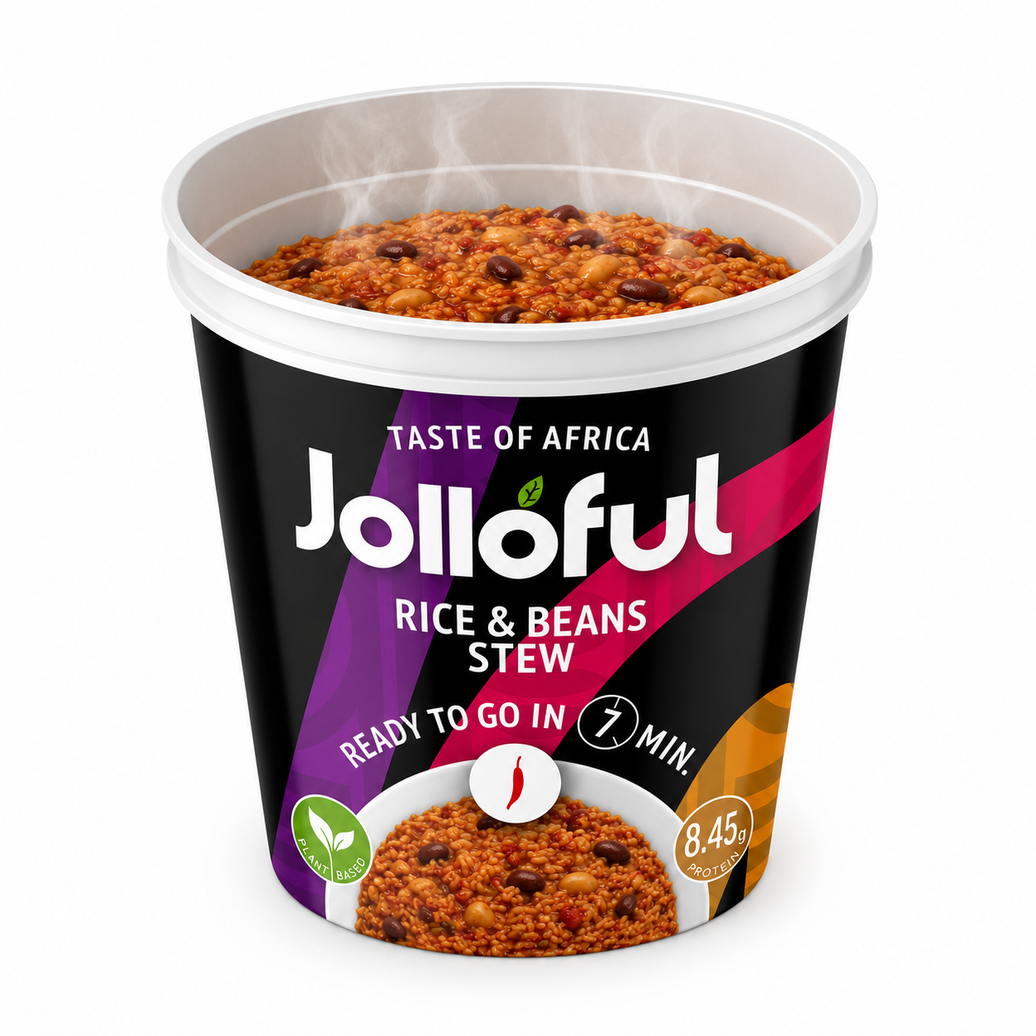
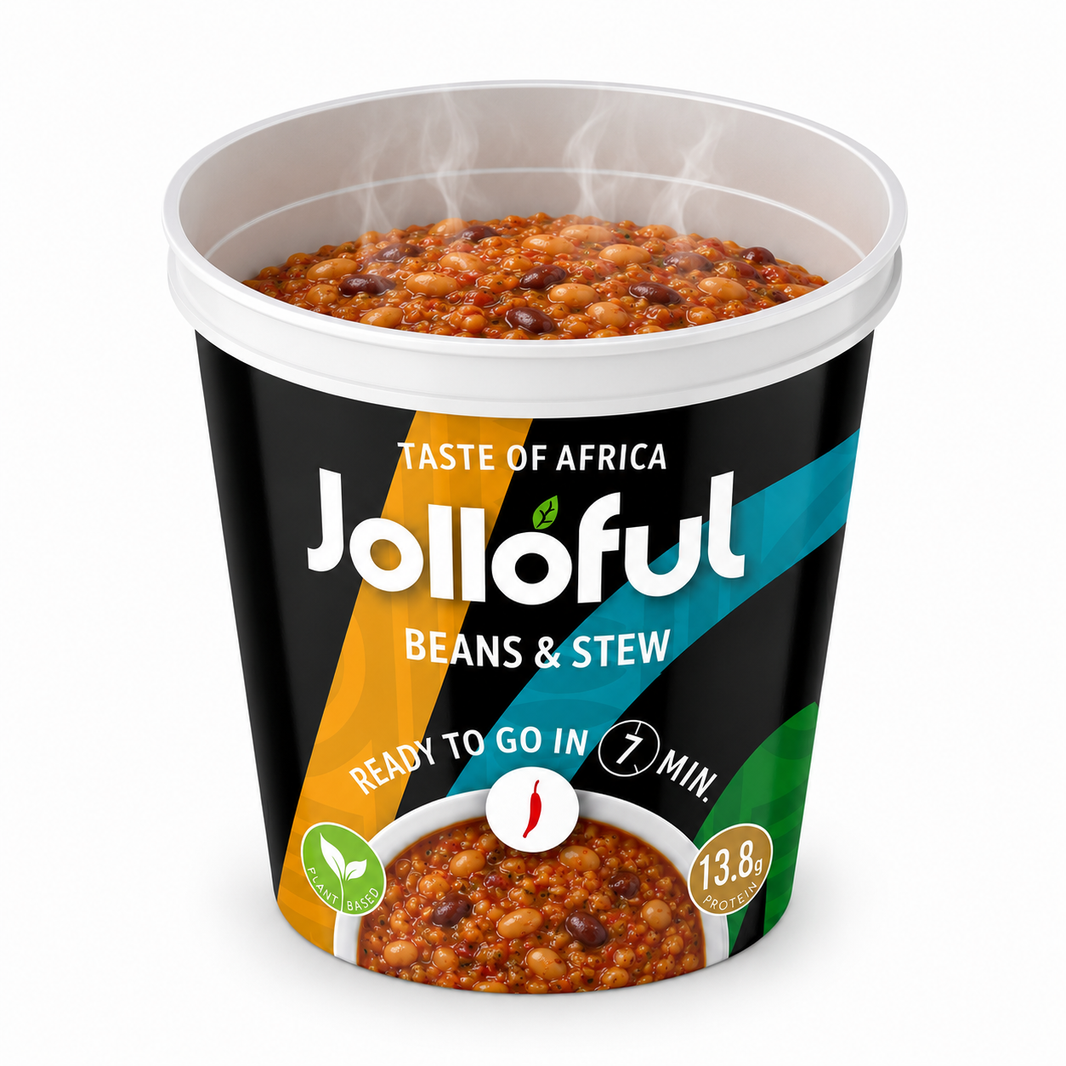
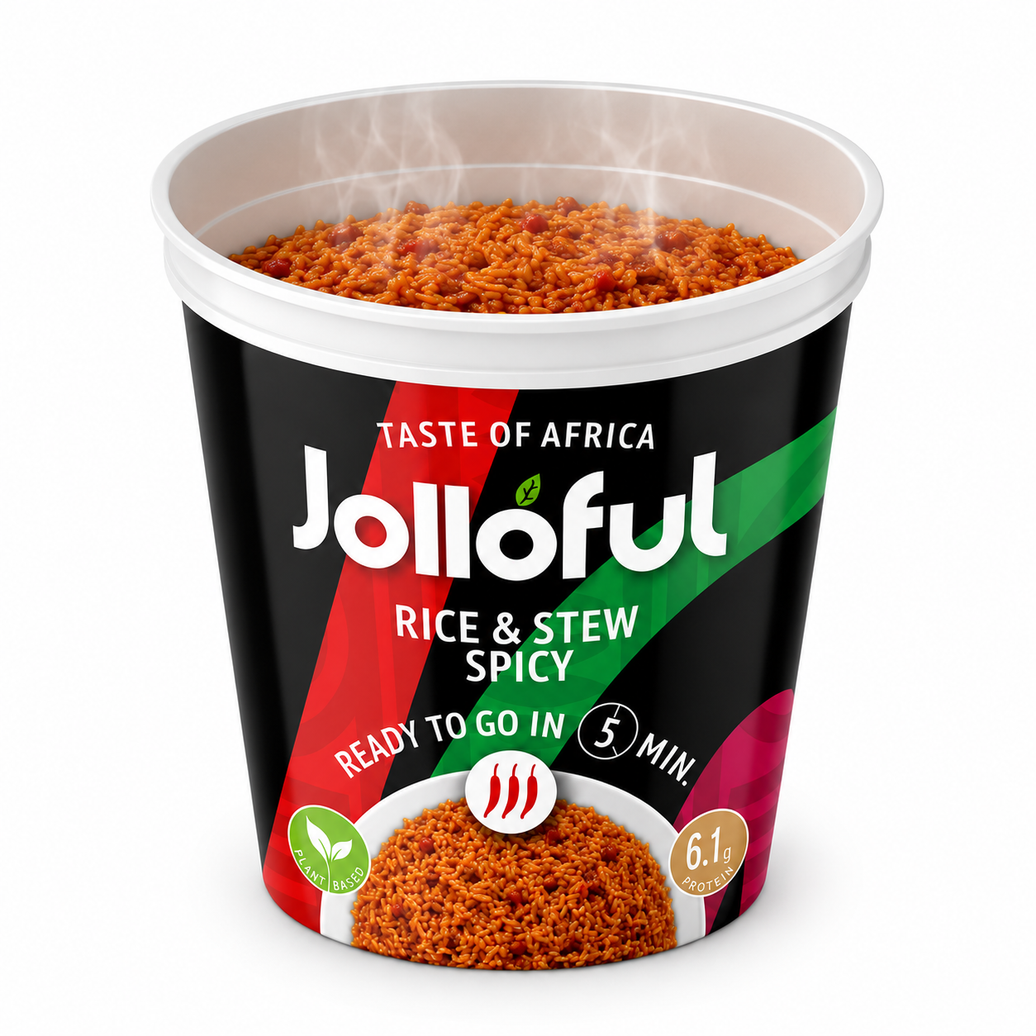
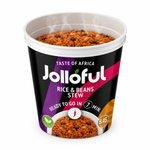
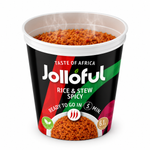
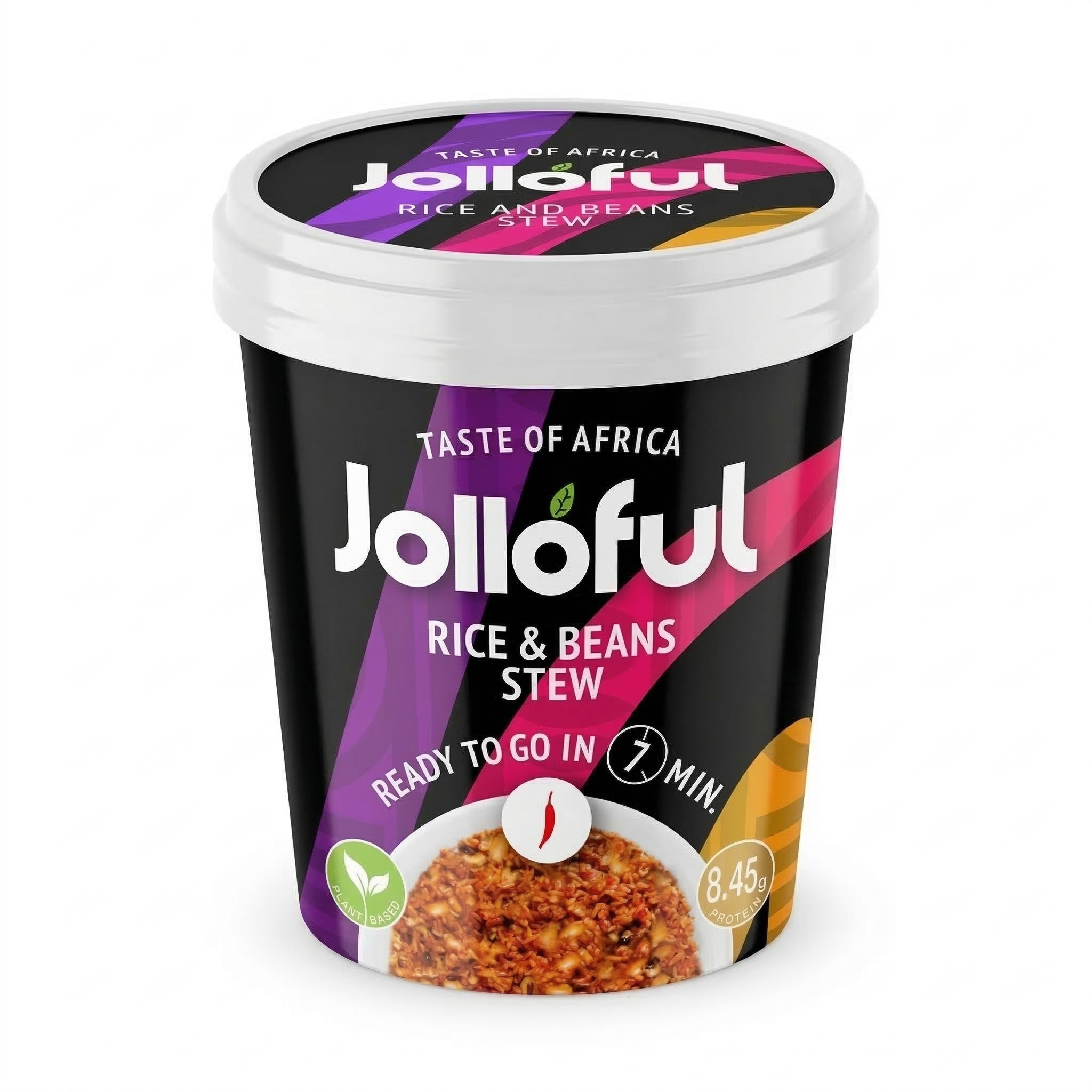
That is why the category deserves a better reputation. Shelf stable food is not one thing. It can be basic or brilliant, forgettable or full of character. Brands like Jolloful are part of that shift, proving that long shelf life and real cultural flavour can sit in the same bowl.
The next time you ask what is shelf stable food, think beyond storage. Think about freedom. The freedom to eat well on a rushed Tuesday, on a late train home, or in the gap between meetings - without settling for food that tastes like an afterthought.
SHOP NOW>>> https://www.jolloful.com


Leave a comment