
The first spoonful should feel exciting, not like a test. If you are wondering how to start exploring African food, begin with one honest truth: African cuisine is not one cuisine. It spans a vast continent, countless communities and food traditions shaped by local crops, trade, migration, celebration and family kitchens.
That variety is the good news. You do not need to understand every regional distinction before your first meal. You simply need a useful starting point, a little curiosity and a willingness to let flavour lead.
Start Exploring African Food with Flavour, Not Fear
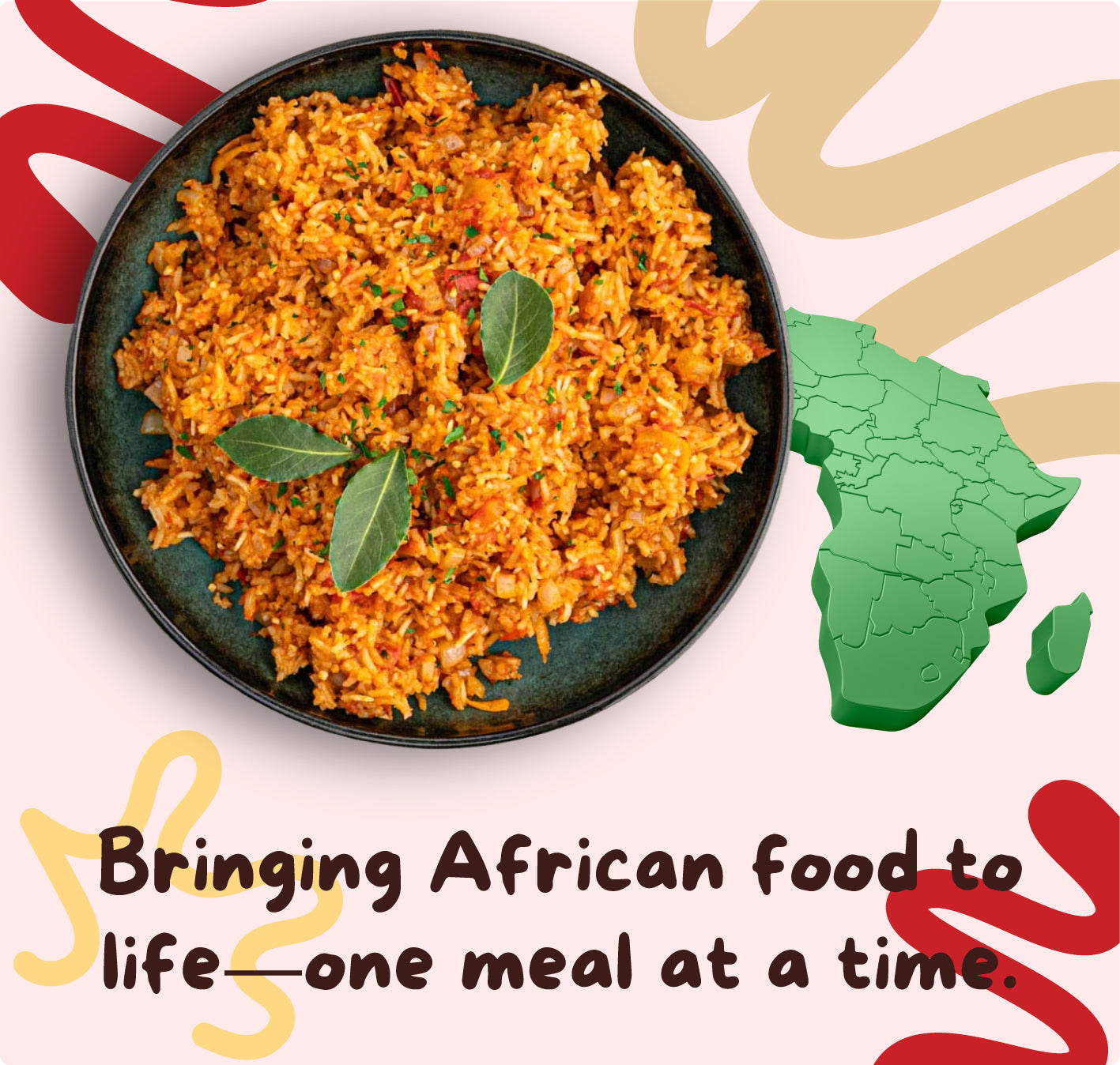
A good entry point is to choose flavours you already enjoy, then meet African dishes where they are. Love a warming tomato sauce with a bit of heat? Look towards West African-style meals. Prefer smoky, grilled flavours, bright citrus or rich peanut sauces? There is plenty to try across different African food cultures.
Many people expect unfamiliar food to be difficult, fiery or overly intense. That is a narrow view. African cooking can be peppery, yes, but it can also be savoury, tangy, herbaceous, smoky, creamy or gently spiced. Heat is one part of the picture, not the whole story.
Think about the flavour profiles that make a meal memorable. Tomatoes cooked down until sweet and deep. Ginger, garlic and onions forming the base of a sauce. Peppers adding warmth and character. Earthy beans, grains and vegetables carrying seasoning with confidence. These are real, recognisable ingredients, used with purpose.
If you are sensitive to spice, start with a milder option or eat your meal alongside yoghurt, a fresh salad or a simple side of vegetables. If you already add chilli to everything, you may be ready for bolder flavours from the start. There is no prize for choosing the hottest dish first.
Pick One Region or Meal Style First
Trying to understand every country at once can make the category feel bigger than it needs to be. Give yourself a lane for the first few meals. West African cooking is a brilliant place to begin if you enjoy hearty rice dishes, beans, tomato-rich sauces, plantain and a satisfying level of spice. East African food may appeal if you like fragrant stews, grilled meats, lentils and breads made for sharing. North African cuisines offer dishes built around warming spices, pulses, grains, vegetables and slow-cooked depth.
These descriptions are starting points, not rules. Every region contains enormous diversity, and national borders do not always reflect the way food traditions move between families and communities. The aim is not to turn dinner into homework. It is to give your taste buds a clear first direction.
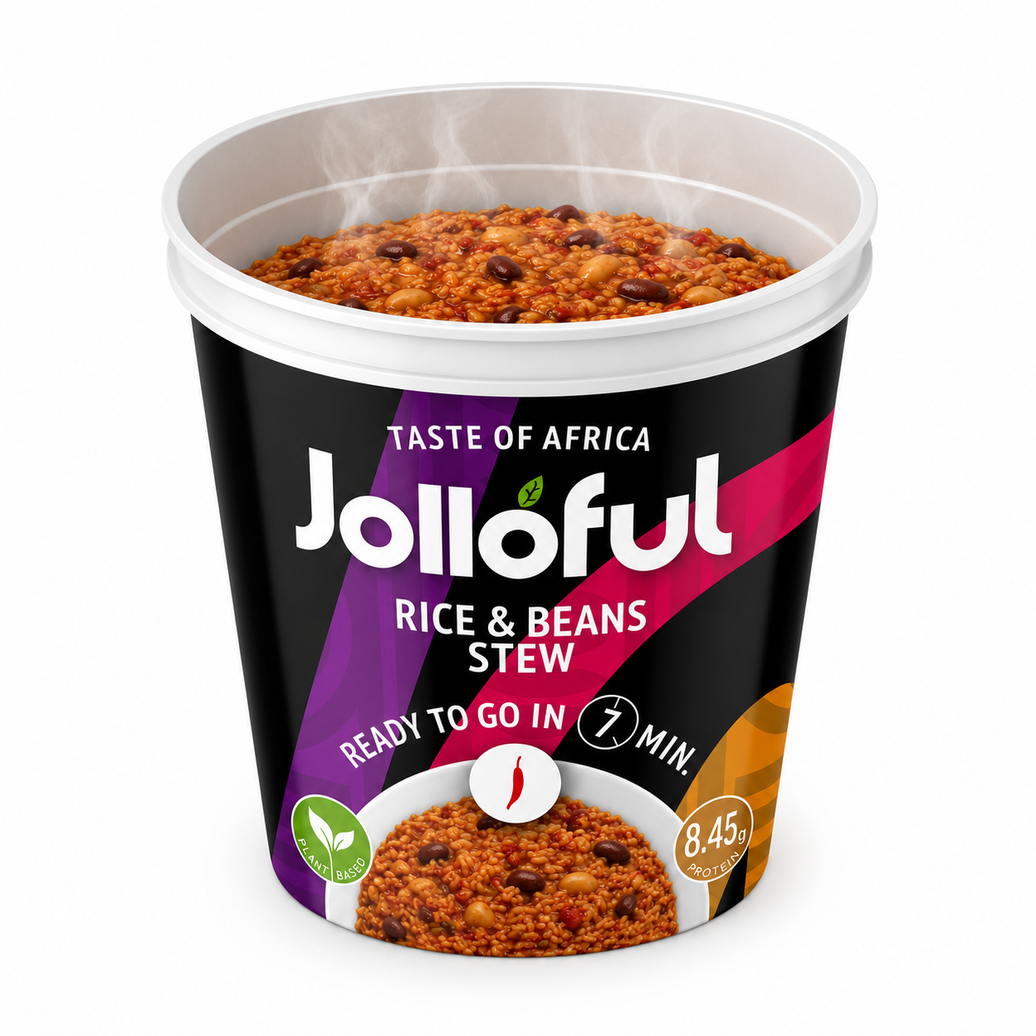
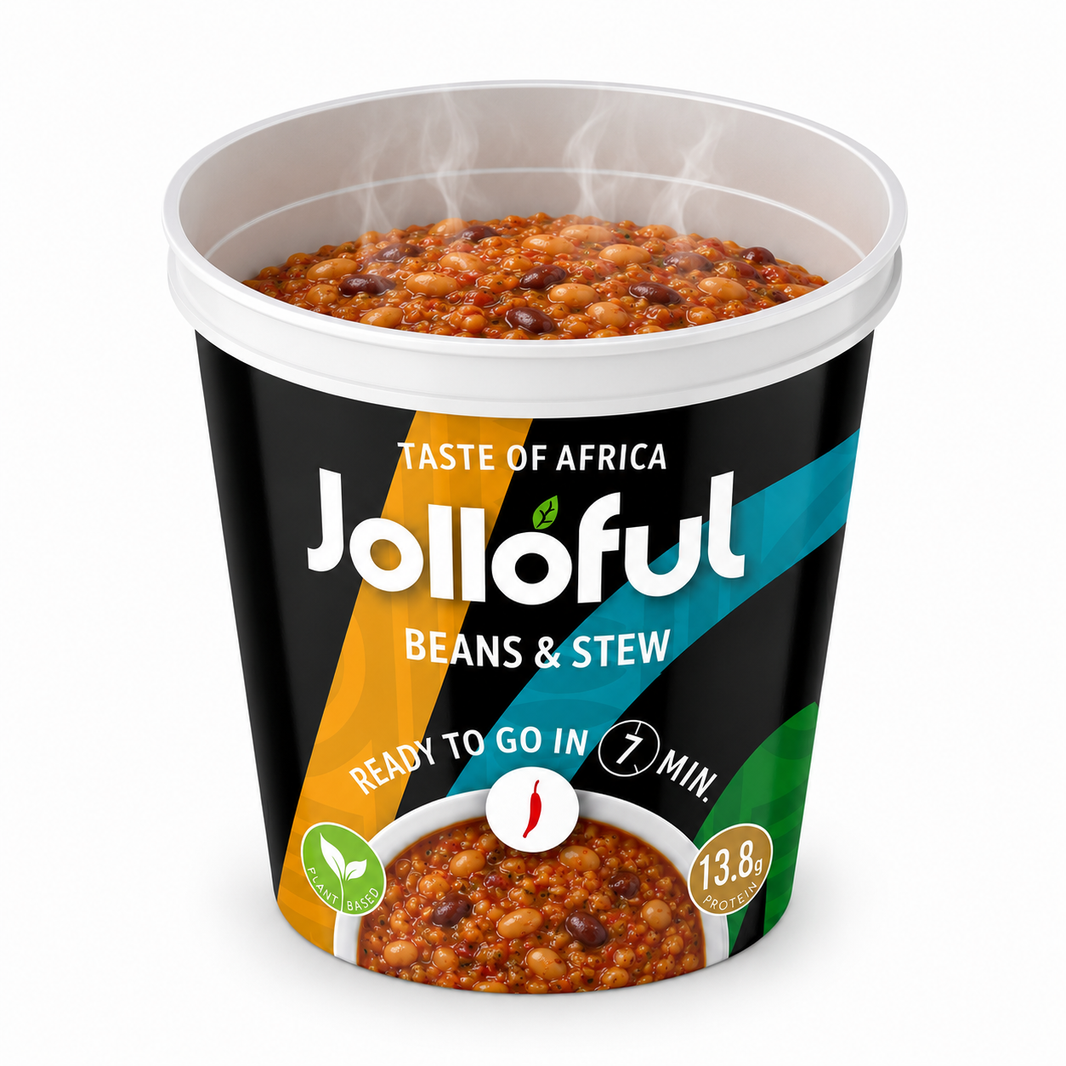
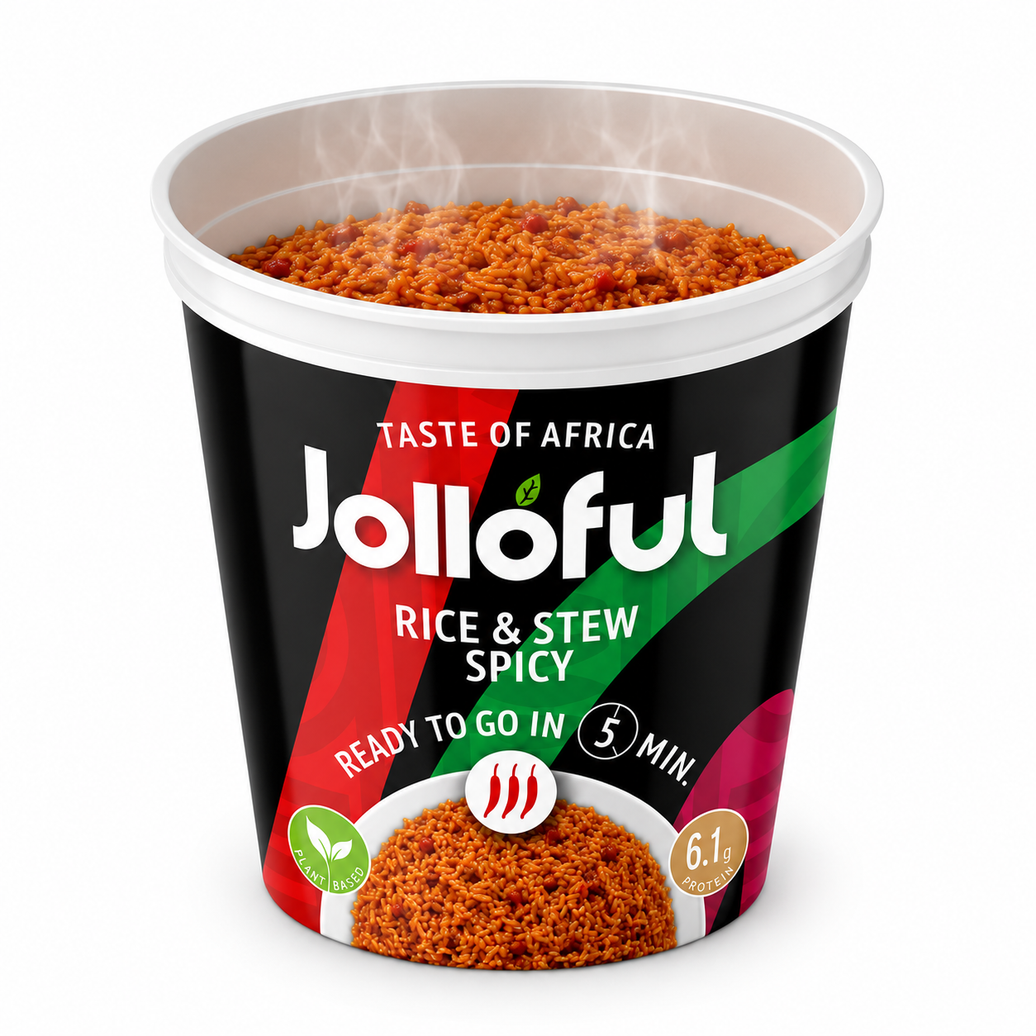
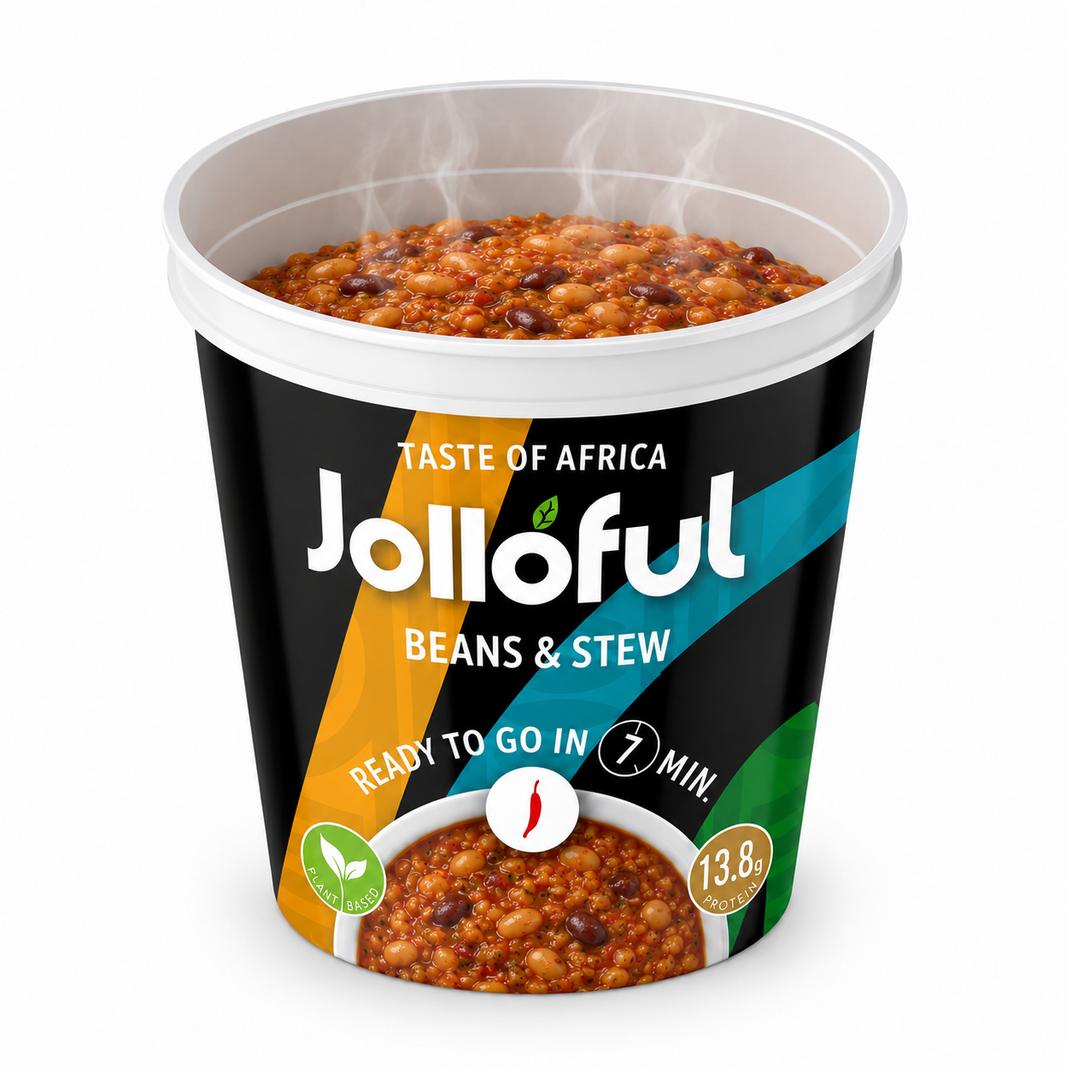
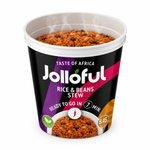
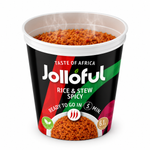
For busy weeknights, start with a complete meal rather than attempting a long recipe with a shopping list full of new ingredients. A well-made shelf-stable African meal can be a practical introduction: quick to prepare, easier to portion and less risky than buying a cupboard full of ingredients you may not use again. Jolloful makes this kind of everyday discovery possible with real African flavours ready in minutes, not a bland compromise dressed up as convenience.
Build Your First African Food Meal Around Familiar Sides
You do not need a perfectly styled spread to enjoy African food properly. Start with one main dish and pair it with something familiar. That could be roasted vegetables, a crisp salad, avocado, grilled chicken or fish, or a cooling yoghurt-based side. Familiarity gives you a reference point while the main dish does the introducing.
Plantain is another excellent companion if you find it at your local shop. When ripe, it cooks soft and sweet, creating a welcome contrast to savoury or spicy food. Beans and greens also work beautifully, especially when you want a meal that feels more filling without taking much extra effort.
Pay attention to texture as well as heat. Some meals are saucy and comforting. Others are dry, smoky and deeply seasoned. A fresh element can lift a richer dish, while something creamy can soften a sharper pepper note. This is not about diluting the food. It is about learning how you enjoy it.
Let Your Kitchen Become a Low-Stakes Tasting Table
The fastest way to find your favourites is repetition with small changes. Try a dish once as it comes, then try it again with a different side, topping or level of chilli. You will quickly learn whether you like more brightness, more crunch or more heat.
Keep a simple mental note after each meal. Did you love the tomato base? Were the spices warm rather than hot? Did you want more vegetables or a protein alongside it? Those answers are more useful than trying to memorise a long list of dish names.
If you are sharing with children, a partner or flatmates, make the first meal collaborative rather than dramatic. Put out fresh cucumber, salad leaves, sliced avocado or a mild sauce alongside the main dish. Let everyone adjust their own plate. It respects different comfort levels without treating African food as something that needs to be toned down before it can be enjoyed.
How to Start Exploring African Food Beyond the First Meal
Once you know a few flavours you enjoy, widen the circle. Visit an African grocer and choose just one new ingredient, such as plantain, a spice blend, a chilli sauce or dried beans. Ask what it is commonly used with if there is someone available to help. Most food discovery begins with a conversation, not a recipe card.
Restaurants are valuable too, particularly when you want to experience dishes that benefit from time, specialist equipment or a cook's personal touch. Order with a friend and share a couple of dishes if you can. You will taste more and remove the pressure of choosing one perfect meal.
Social media can offer useful inspiration, but use it wisely. The loudest version of a dish is not automatically the most representative one. Look for cooks who explain where their food comes from, name the tradition they are drawing on and share why certain ingredients matter. African food deserves context, not just a reaction video about heat levels.
Avoid the Two Biggest Beginner Mistakes
The first mistake is expecting one dish to speak for an entire continent. A meal from Ghana, Nigeria, Ethiopia, Kenya, Morocco or South Africa is not interchangeable simply because it is African. Be specific when you can, and stay open when you are still learning.
The second is treating convenience as the opposite of authenticity. A meal can be fast and still have cultural integrity when it is made with recognisable ingredients, thoughtful seasoning and respect for the flavours it represents. Modern life is busy. There is nothing less authentic about wanting a proper meal between meetings, after the school run or before an evening out.
What matters is whether the food tastes like it has something to say. Avoid options that flatten African cuisine into vague ‘exotic’ flavour or cheap heat. Look for clear ingredients, confident seasoning and brands or cooks who speak proudly and specifically about the food.
Make Curiosity Part of the Routine
African food does not have to be saved for a special occasion, a restaurant booking or a weekend when you have three hours free. Keep one or two easy options in the cupboard, try a new side when you shop, and make room for a different flavour once a week.
Your first meal does not need to be perfect or encyclopaedic. It only needs to be delicious enough to make you want another. Start there, follow the flavours that stay with you, and let your everyday table become a little more generous.


Leave a comment