
You can usually tell when a meal is borrowing African flavour and when it is actually coming from African food culture. One gives you a vague idea of spice. The other gives you memory, texture, heat, comfort and a recipe with a point of view. That difference matters, especially when people are looking for authentic African meals that fit modern life without flattening the culture behind them.
African food is still too often treated like a single category, as if one dish could speak for a whole continent. It cannot. Africa is vast, regional and deeply diverse, and its cuisines reflect that. West African jollof rice, East African stews, North African tagines, Southern African braais and Central African cassava-based dishes are not variations on one theme. They are distinct food traditions shaped by local ingredients, trade, migration, religion and family ritual.
That is the first test of authenticity. Real African meals do not blur everything into a generic “African-inspired” bowl. They have roots. They come from somewhere specific, and they carry the habits of that place with them.
Authentic African meals start with cultural specificity
If a food brand or restaurant cannot tell you where a dish comes from, that is usually a warning sign. Authenticity is not about making food inaccessible or overly precious. It is about being honest. Jollof is not just “spicy tomato rice”. Egusi is not just “seed stew”. Waakye is not simply “rice and beans”. These dishes have names, histories and expectations.
That does not mean every household makes them in exactly the same way. In fact, the opposite is true. One of the strongest signs of authentic food is variation within a recognisable tradition. A Ghanaian home cook, a Nigerian auntie and a Sierra Leonean family may all cook related dishes differently, and each version can still be real. Authenticity is not rigid sameness. It is fidelity to a culinary language.
This is where some convenience food misses the mark. It copies the headline flavours but loses the structure of the dish. You get a sauce that tastes sweet when it should taste savoury and peppery, or a rice cup that claims to be jollof but has none of the depth that comes from tomato, onion, stock and spice cooked with intent. Fast food is not the problem. Food without cultural logic is.
Real ingredients matter more than marketing
A lot of packaged food talks loudly about flavour, but the ingredient list tells a different story. If the back of the pack reads like a chemistry set, people notice. That is especially true for shoppers who want convenience but are tired of ultra-processed meals pretending to be premium.
Authentic African meals rely on ingredients that make sense for the dish. Tomatoes, peppers, onions, ginger, garlic, grains, pulses, leafy greens, plantain, cassava, peanuts, spices and stock all show up across different African cuisines in different ways. The exact combinations change by region, but the principle stays the same. The food should taste like food.
That does not mean every authentic meal needs to be fresh from a pot on the hob. Shelf-stable meals can still be credible if they respect the original dish, use real ingredients and avoid turning convenience into compromise. There is a big difference between simplifying preparation and stripping away character. One makes a meal easier to eat on a Tuesday lunch break. The other turns it into a bland imitation.
For busy people in the UK, Ireland or Germany, that distinction matters. Convenience is useful. Nobody needs to apologise for wanting dinner ready in minutes. But speed should not force you into meals that feel anonymous. A quick meal can still carry proper flavour, identity and pride.
Why flavour depth is non-negotiable
African food is not one-note food. It is layered. Heat matters in many dishes, but heat on its own is not enough. You need savouriness, acidity, sweetness where it belongs, smoke where it belongs and enough body for the meal to feel complete.
Take West African cooking. A proper pepper profile is rarely just about chilli. It often sits alongside onion, tomato, ginger, garlic and seasoning that build slowly rather than hitting all at once. Peanut-based dishes need richness without becoming heavy. Rice dishes need depth, not just colour. If a meal tastes flat, authenticity becomes hard to defend.
This is one reason watered-down versions disappoint both diaspora eaters and curious first-time buyers. If someone’s first experience of African food is a timid, under-seasoned meal dressed up with bright packaging, they are not really meeting the cuisine. They are meeting a compromise.
Convenience and authenticity are not opposites
There is an old assumption that “authentic” means slow, labour-intensive and only valid if made from scratch at home. That idea does not reflect how people actually live. It also puts African food in a strange museum case, as if it cannot evolve with modern routines.
Real food cultures adapt. They always have. People cook with what is available, adjust for time, and find new formats that still respect the dish. The question is not whether a meal is convenient. The question is what was protected in the process.
If the core recipe, flavour logic and ingredient integrity remain intact, convenience can expand access rather than dilute it. That matters for students in shared kitchens, professionals eating between meetings, parents trying to get supper sorted fast, and diaspora households who want a familiar taste without spending hours every night at the cooker.
This is exactly why shelf-stable African meals can be powerful when done well. They make room for culture in everyday routines. They say African food belongs in office lunches, university cupboards, travel bags and quick midweek dinners - not only in restaurants or special occasions.
What to look for in a packaged meal
If you are trying to judge whether a ready meal is genuinely rooted in African cuisine, a few things help. First, look at whether the dish is named clearly and specifically. Second, check whether the ingredients reflect the dish rather than an invented shortcut. Third, ask whether the flavour profile sounds like the real thing or a softened version built for the broadest possible market.
There is always some trade-off in packaged food. Texture may shift. Heat may be moderated. Preparation methods may differ from home cooking. That is normal. Authenticity does not require perfection. It requires respect.
A good product knows what not to sacrifice. It keeps the soul of the meal intact. That is a much better standard than chasing some impossible idea of purity.
Why authentic African meals matter beyond taste
Yes, flavour comes first. If the food is not delicious, nothing else rescues it. But authenticity also matters because food carries identity. For many people across the African diaspora, a familiar meal is not just dinner. It is recognition. It is relief. It is a reminder that convenience food does not have to erase where you come from.
For non-African customers, authenticity matters for a different reason. It is the difference between actually experiencing a cuisine and consuming a simplified stereotype. Good food invites people in. It should not patronise them on the way.
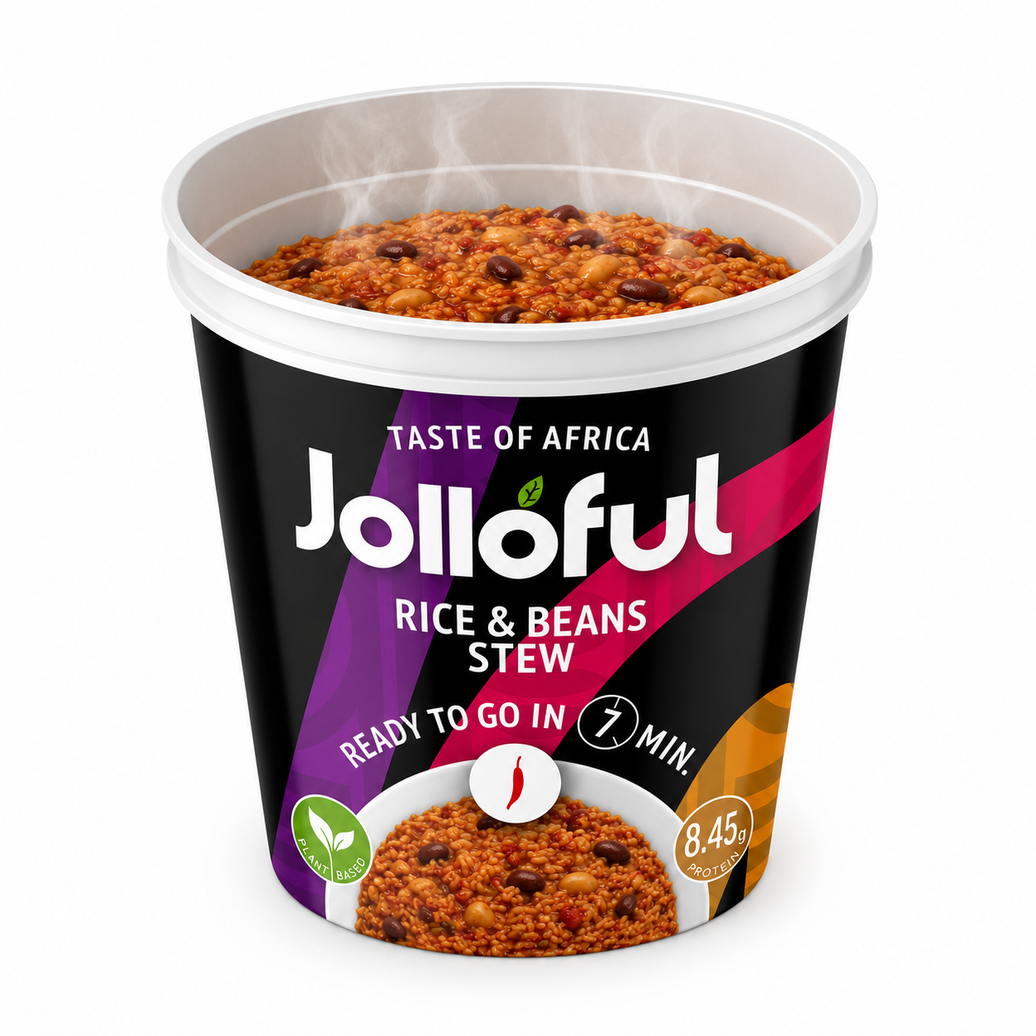
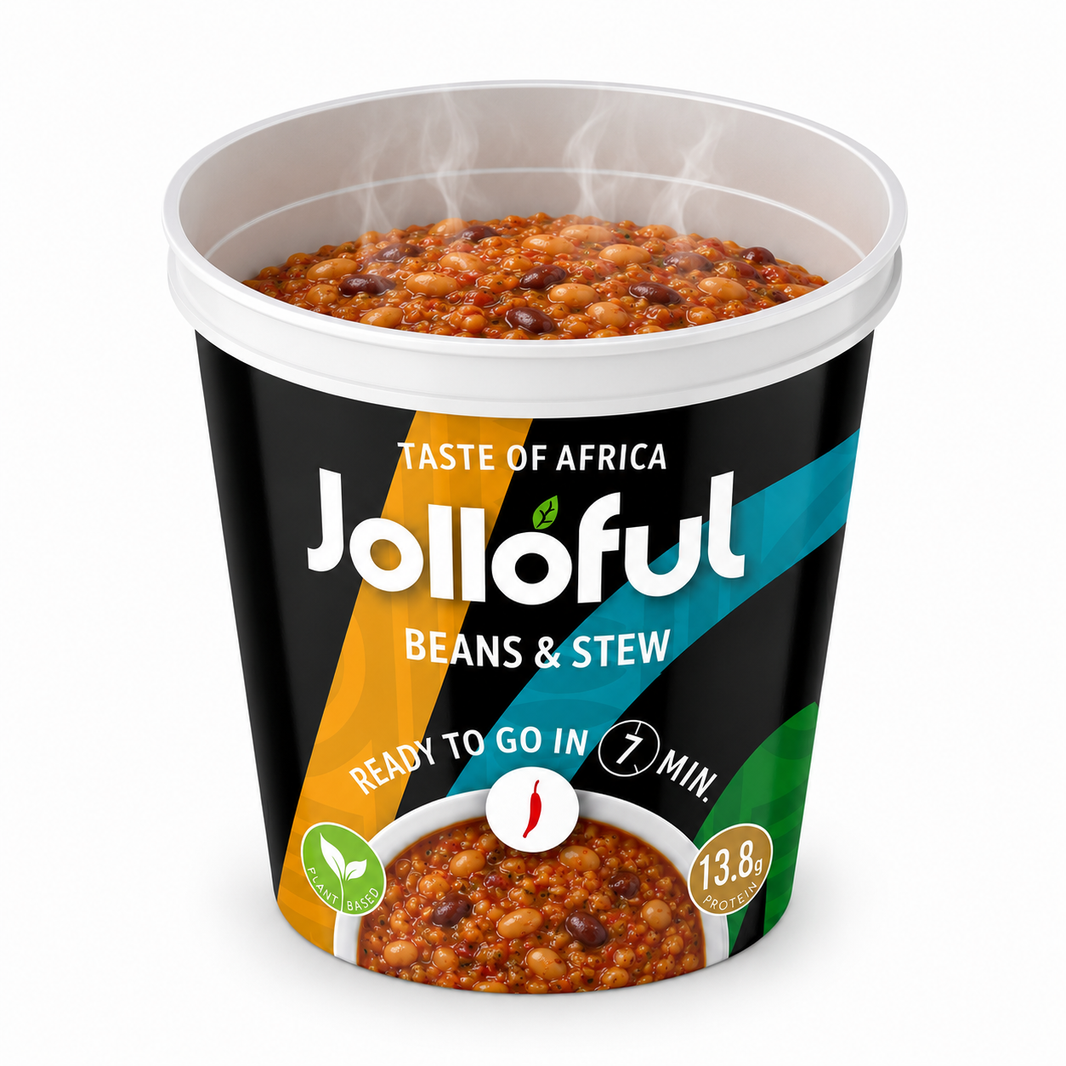
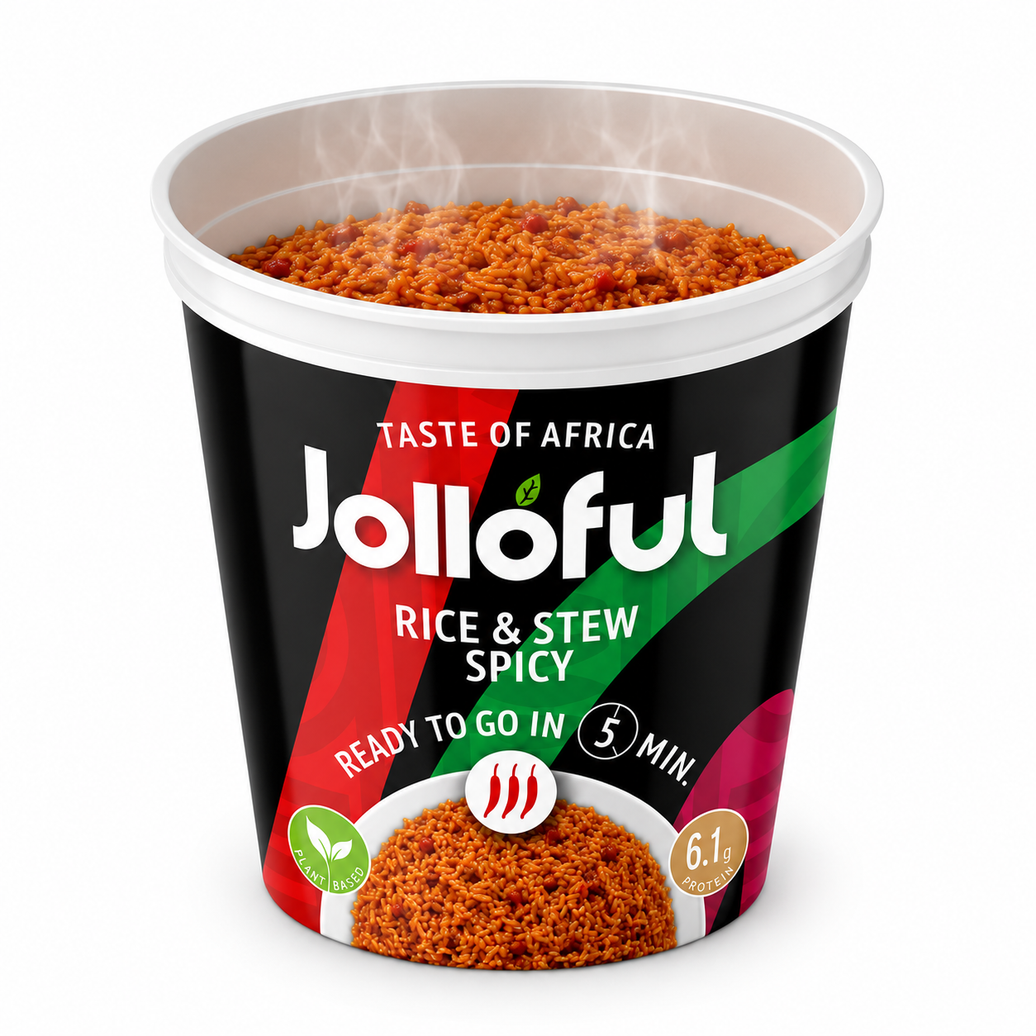
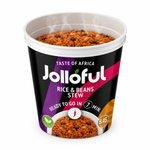
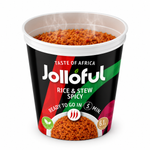
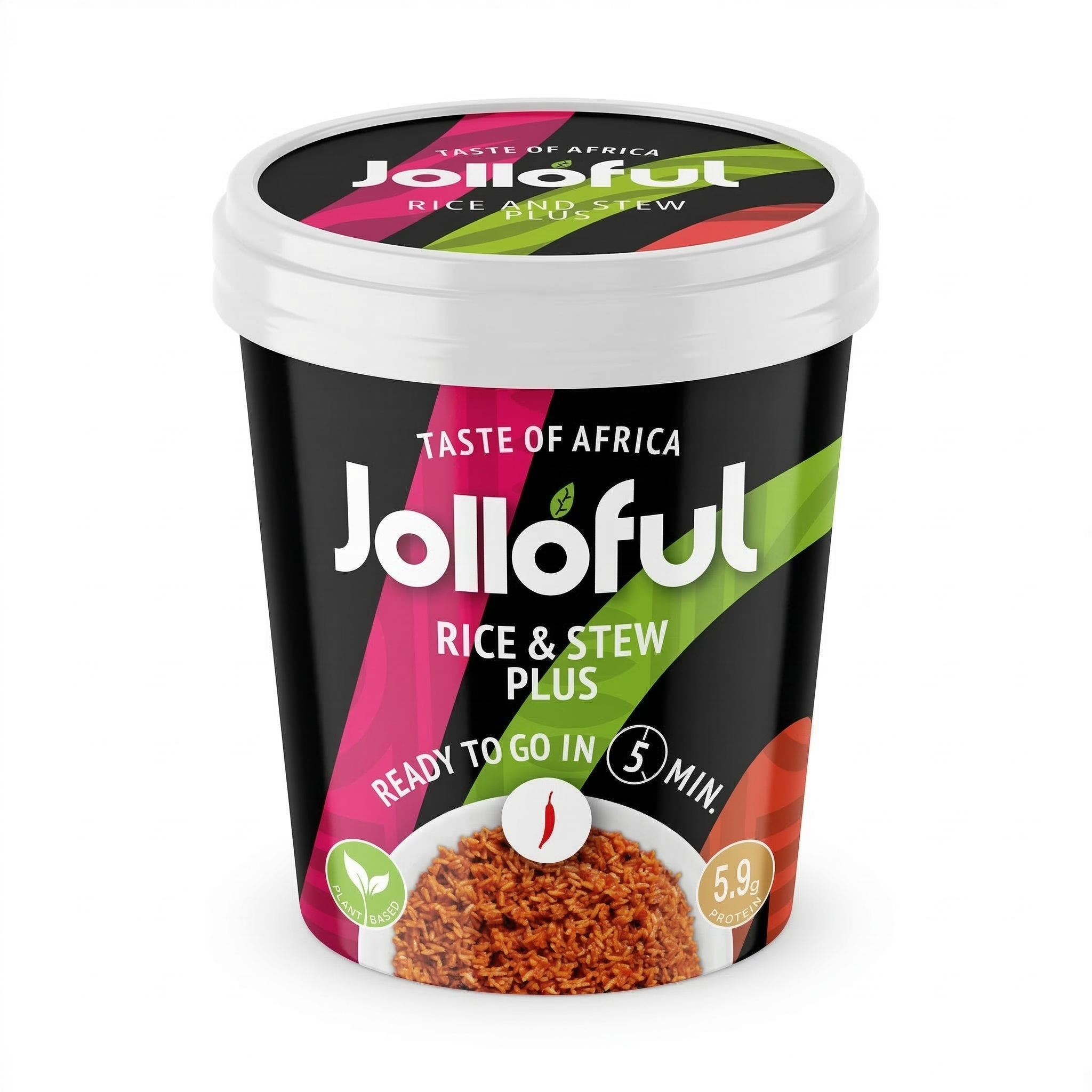
There is also a bigger shift happening in how people shop. More consumers now want meals that feel real, readable and culturally honest. They are less interested in bland, low-value convenience and more interested in products with substance. That is why brands like Jolloful are cutting through. Not because they make African food trendy, but because they treat it as worthy of proper quality, smart design and everyday relevance.
The future of authentic African meals is wider access
African cuisine does not need to be softened to travel well. It needs to be represented well. That means more products, more shelves, more formats and more confidence in the original flavours. It also means accepting that authenticity can live in more than one setting - in the family kitchen, at a street food stall, in a restaurant, or in a cupboard-ready meal that is prepared in minutes and still tastes like someone meant it.
The strongest authentic African meals do not beg to be understood. They show up with clarity. They know where they come from, and they do not need to imitate anyone else to fit into modern eating habits.
If more convenience food followed that standard, quick meals would feel a lot less forgettable. And more people would realise that African food is not a niche curiosity or a watered-down trend. It is real food, rooted in culture, ready for everyday life.
[SHOP NOW]
(https://jolloful.com/)


Leave a comment