
Lunch should not taste like compromise. If you are eating at your desk, between lectures, after the school run or just before a late train home, you still deserve food with character. That is exactly where west african flavours stand apart. They do not whisper. They bring heat, depth, aroma and comfort in the same mouthful, with real ingredients doing real work.
For plenty of people, that taste is memory. For others, it is discovery. Either way, the appeal is the same: food that feels alive. Not flat. Not beige. Not built around salt and filler. West African cooking has long understood something the convenience aisle often forgets - quick and satisfying does not have to mean bland.
Why west african flavours hit differently
What makes these flavours so distinctive is not just spice, though spice matters. It is the layering. A dish might start with onion, tomato and pepper, then build with ginger, garlic, stock, herbs and chilli. You get sweetness, savouriness, warmth and brightness all working together rather than fighting for attention.
That balance is why so many West African dishes feel complete. They are not relying on one loud note. A well-made jollof rice, smoky stew or pepper-rich sauce carries depth because every ingredient has a job. Tomato brings body. Pepper brings fruitiness and fire. Onion gives sweetness. Seasoning ties it all together. The result is bold, but it is also rounded.
There is also a generosity to the flavour profile. West African food is often designed to be shared, remembered and talked about. It is food with presence. You know it from the aroma before the first bite even lands.
The building blocks of West African flavours
Across the region, recipes vary by country, household and occasion, but some patterns show up again and again. Pepper is one of them, used not only for heat but for freshness and flavour. Tomatoes and onions form the backbone of many dishes, creating a rich base that can be cooked down slowly for sweetness and intensity.
Then there are the seasonings. Ginger and garlic bring warmth and lift. Thyme, curry blends and stock powders are common in many kitchens, especially in modern home cooking. Ground crayfish, smoked fish or dried prawns may add extra savoury depth depending on the dish. Palm oil, where used, contributes colour, richness and a distinctive taste that is hard to replace.
Texture matters too. West African flavours are not only about what you taste, but how a dish sits on the spoon and on the palate. Think fluffy grains, silky stews, soft beans, tender vegetables and sauces with enough body to cling. It is hearty food, but not heavy for the sake of it.
Heat is part of the story, not the whole thing
A lot of first-time eaters reduce West African food to one word: spicy. That is understandable, but it misses the point. Yes, heat can be central. Scotch bonnet and other chillies show up often, and for good reason. They bring fruitiness as well as fire. But good West African cooking is not simply trying to blow your head off.
The best versions know when to push and when to pull back. Too much heat can flatten everything else. Too little can leave a dish feeling unfinished. It depends on the recipe, the cook and the moment. A weekday lunch might call for a gentler warmth. A party plate may go bigger, louder and unapologetically hotter.
That range is part of the beauty. West African flavours are flexible without losing identity. They can meet people where they are while still tasting true to themselves.
More than one cuisine, more than one flavour profile
West Africa is not one kitchen. Nigerian, Ghanaian, Senegalese, Sierra Leonean, Gambian and Ivorian food traditions, among others, each carry their own signatures. Even within one country, regional and family differences can be significant.
That matters because authenticity is not a single fixed recipe laminated for approval. One person’s jollof is smokier. Another’s is richer with tomato. One home leans hard into chilli. Another lets onion sweetness lead. You can have spirited debates about the right method, and people absolutely do, but the wider truth is more useful: west african flavours are broad, adaptable and full of personality.
For curious eaters in the UK and across Europe, that is good news. There is plenty to explore beyond the handful of dishes that get all the attention. Rice, beans, stews, soups, porridges, spice blends and street food all offer different entry points.
Why these flavours work so well in modern life
There is a reason more people are looking for culturally rooted convenience food instead of settling for another forgettable pot of noodles. Modern life is fast, but expectations have changed. People want speed, yes, but they also want ingredient quality, satisfaction and food that feels connected to something real.
West African flavours fit that shift naturally. They were never meant to be timid. Even in simple dishes, there is enough personality to make a quick meal feel considered. That matters when you are juggling work, family, study and everything else. If dinner takes six minutes, it should still feel like dinner.
This is especially true for diaspora households. Familiar flavour can do a lot in a small space. It can bring comfort after a long day, make a cupboard meal feel less lonely, and offer a sense of home without needing a full afternoon in the kitchen. But the appeal is not only nostalgic. Plenty of people with no personal connection to the region are drawn in for the same reason everyone comes back to good food: it tastes good and leaves an impression.
Convenience usually cuts corners - these flavours do not have to
The convenience category has trained people to expect trade-offs. Fast means artificial. Shelf-stable means dull. Instant means low quality. That thinking is outdated.
When West African dishes are made with care, they can hold onto their identity without asking for an hour on the hob. The key is respecting the fundamentals: proper seasoning, real ingredients and enough flavour concentration to survive the journey from kitchen to cupboard. Get that wrong and you end up with a weak imitation. Get it right and you have something genuinely useful - food that is practical without feeling stripped of culture.
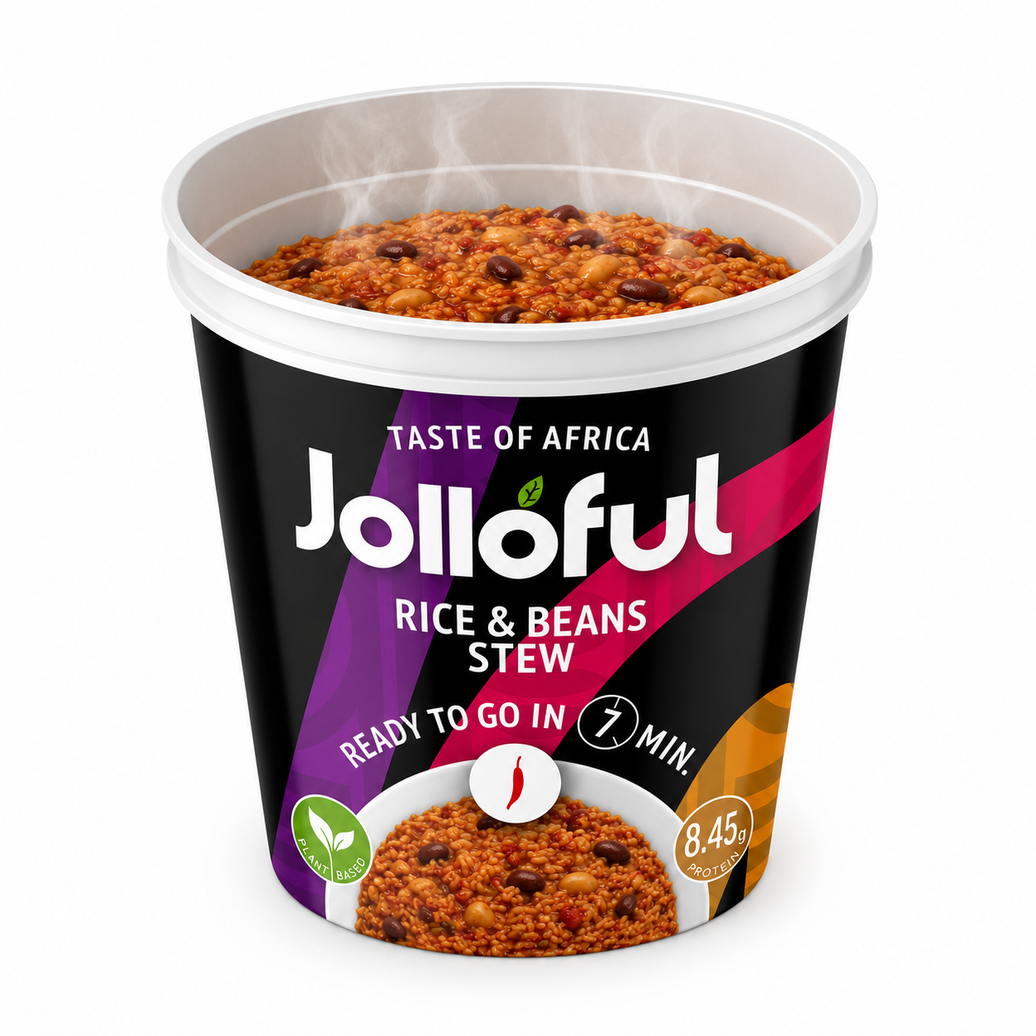
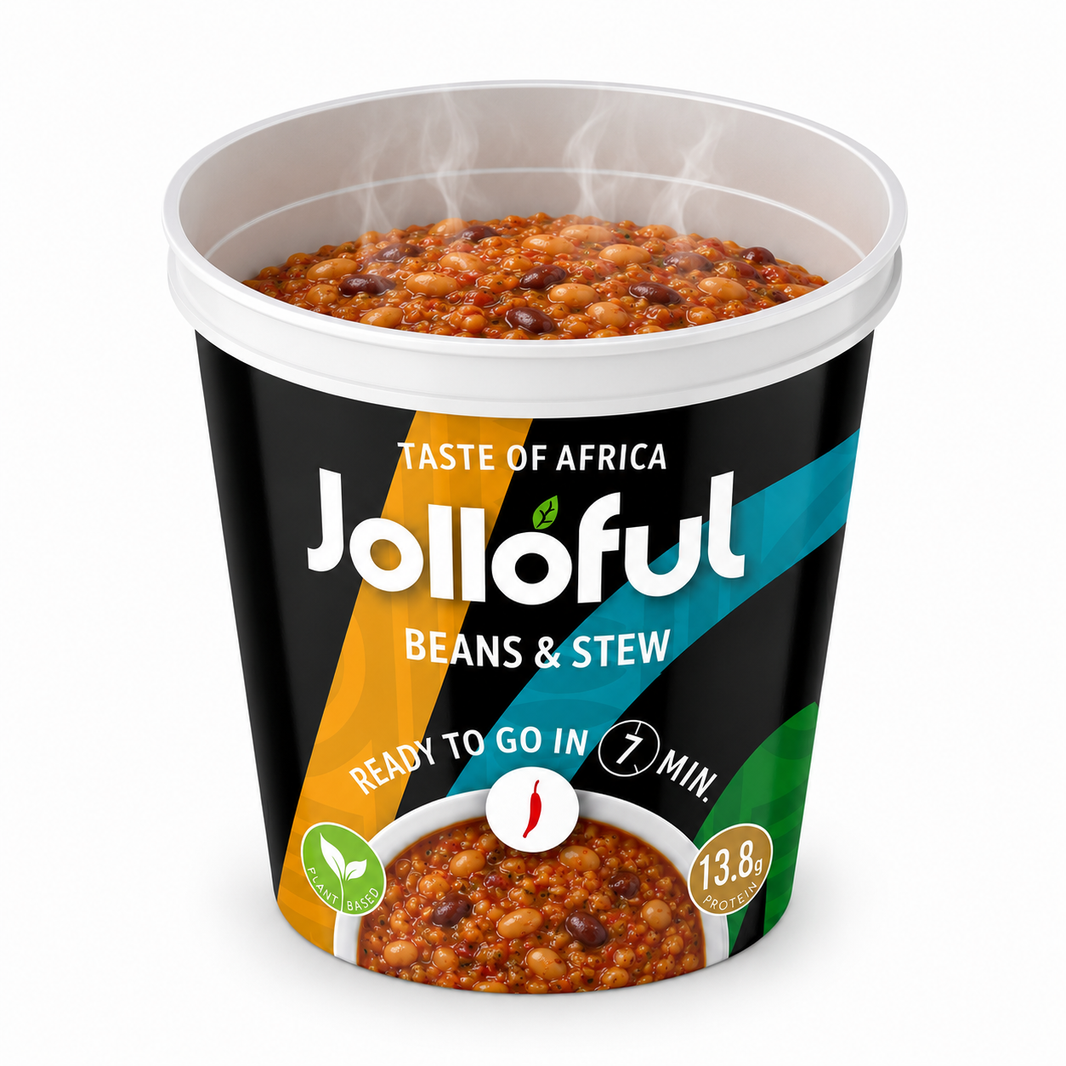
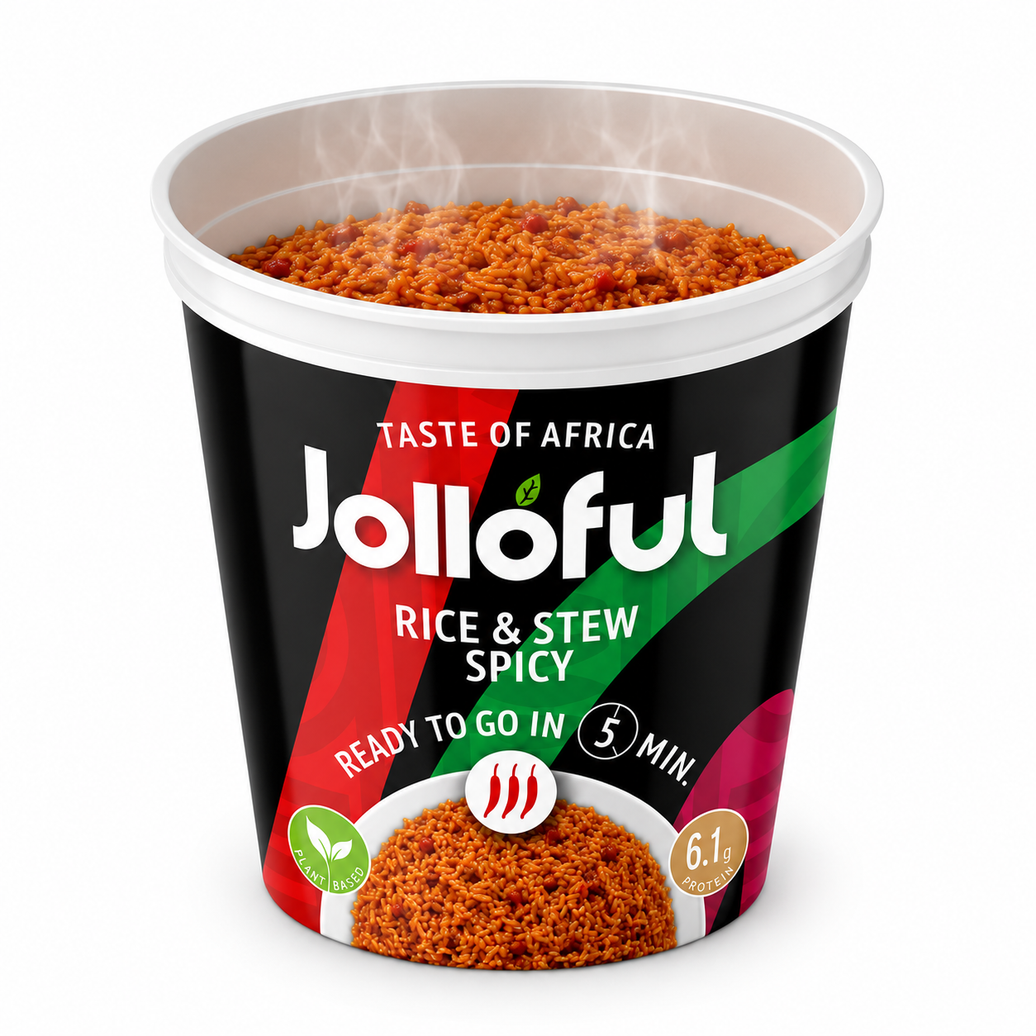
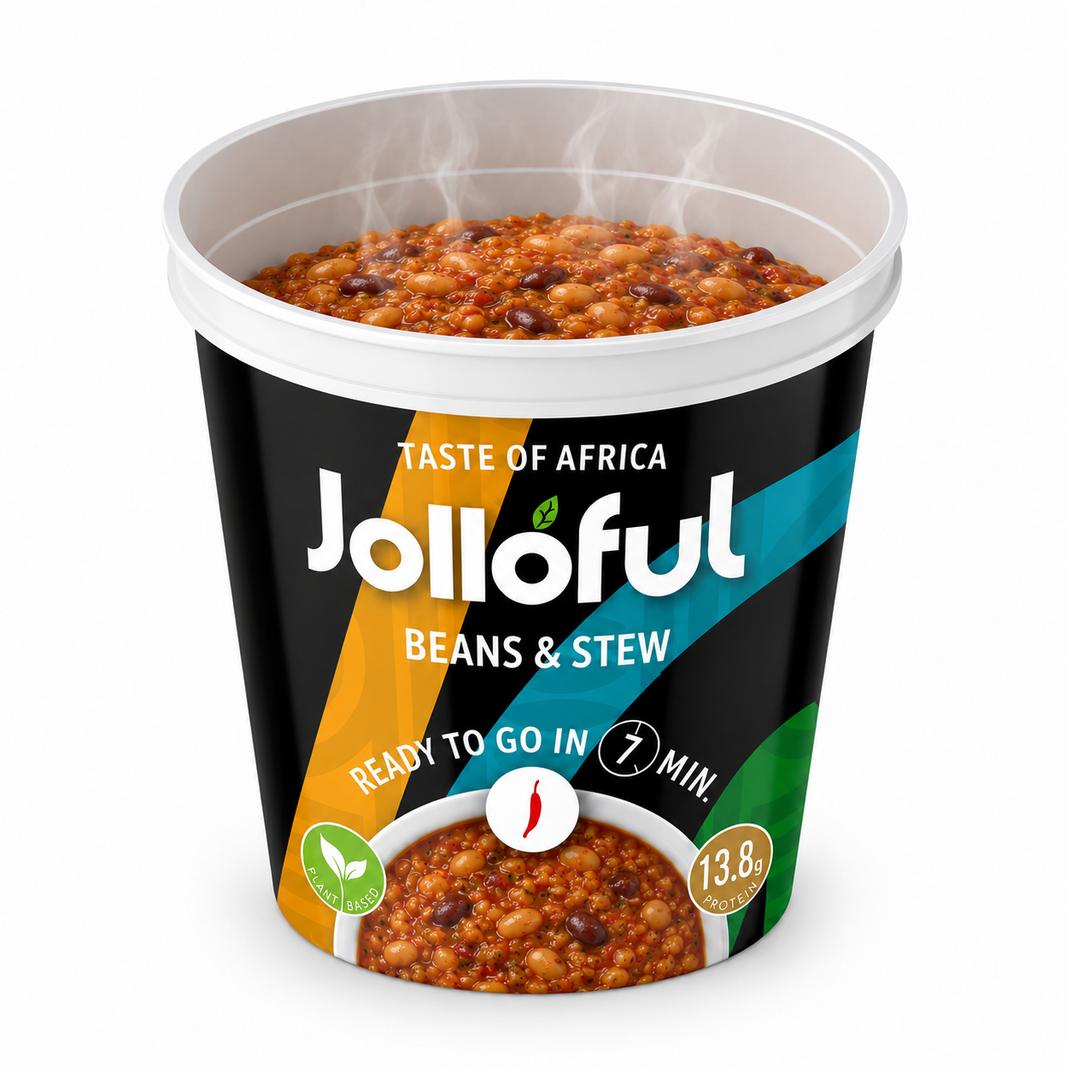
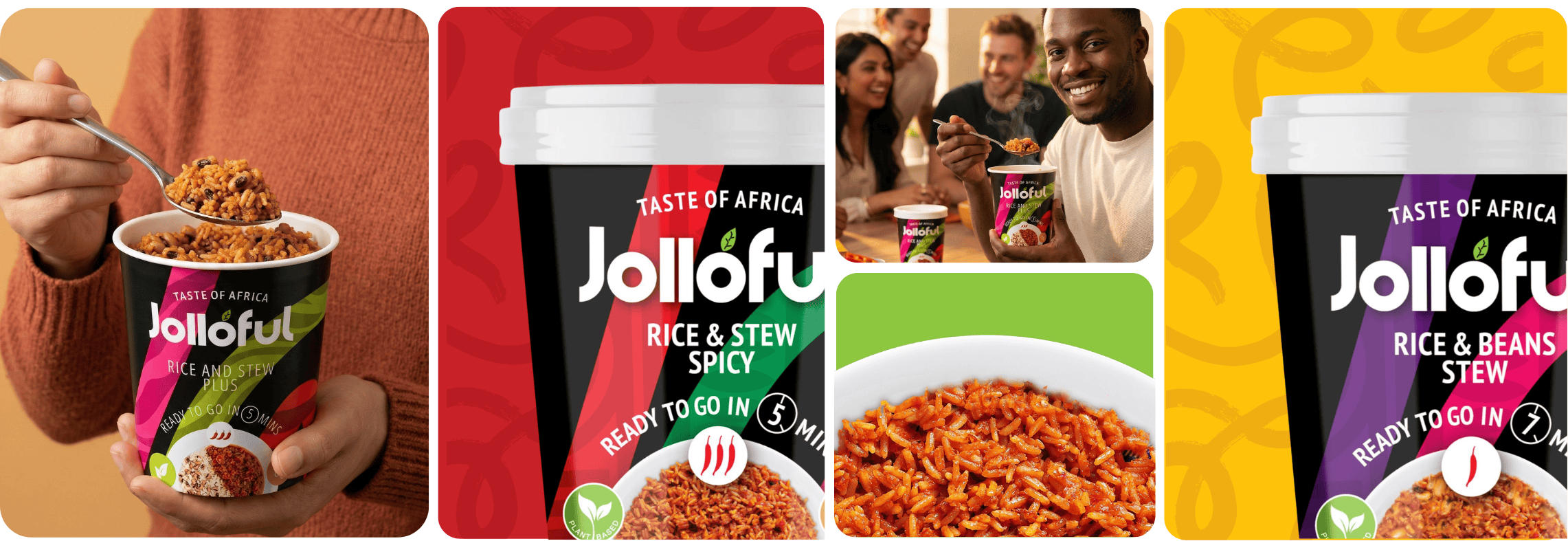
That is where brands like Jolloful have a clear role. Not as a shortcut around the cuisine, but as a better format for real life. The point is not to replace home cooking or every regional variation. The point is to make authentic flavour more accessible on a Tuesday at 1 pm, in a student room, at the office, or in a family kitchen when time is short.
If you are new to West African flavours, start here
Start with rice dishes if you want an easy first step. Jollof rice is popular for a reason. It gives you tomato richness, gentle smokiness, layered seasoning and enough familiarity to feel approachable while still offering something distinct.
If you prefer deeper savoury notes, bean-based dishes are worth your time. They often carry warmth and comfort in a different way, less bright than pepper stew but just as satisfying. If you enjoy heat, look for pepper-forward options. If you are spice cautious, choose meals where tomato and onion lead and chilli plays more of a supporting role.
The trick is not to look for a perfect single representative of the entire region. There is no such thing. Look for one well-made dish and pay attention to what you enjoy - the smokiness, the spice, the savoury depth, the softness of the grains, the richness of the sauce. That is usually how appreciation starts.
Real food should still feel real
There is a bigger point here than flavour alone. West African cuisine deserves better than being flattened into trend language or treated as a novelty shelf moment. These are established food traditions with depth, craft and everyday relevance. They belong at the centre of modern mealtimes, not on the edges of them.
For busy people, that is actually good news. You do not need a special occasion to eat food with heritage. You do not need to be an expert to enjoy it properly. You just need a meal that respects where it comes from and still fits how you live now.
The next time you want something quick, do not settle for food that merely fills a gap. Choose something with spice, soul and staying power. West African flavours have been doing that all along.
SHOP NOW >>> https://jolloful.com


Leave a comment