
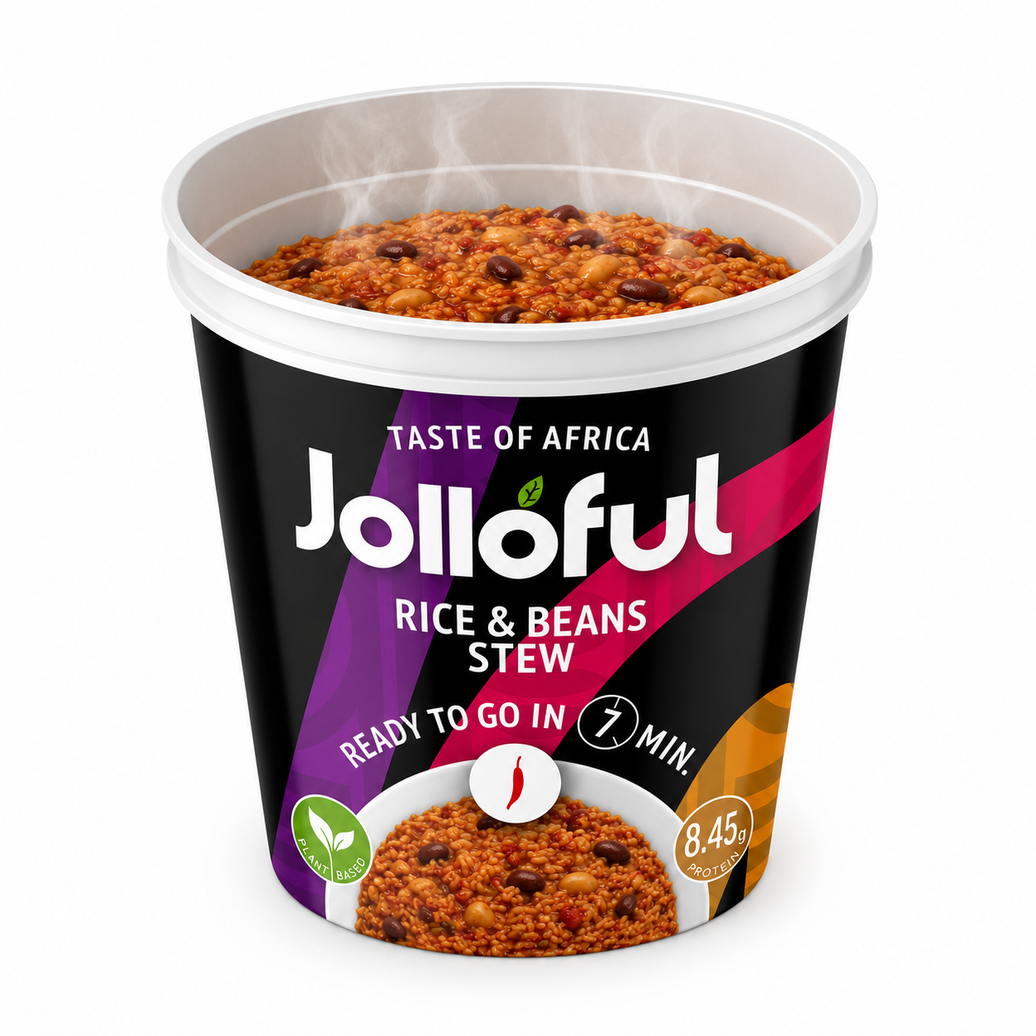
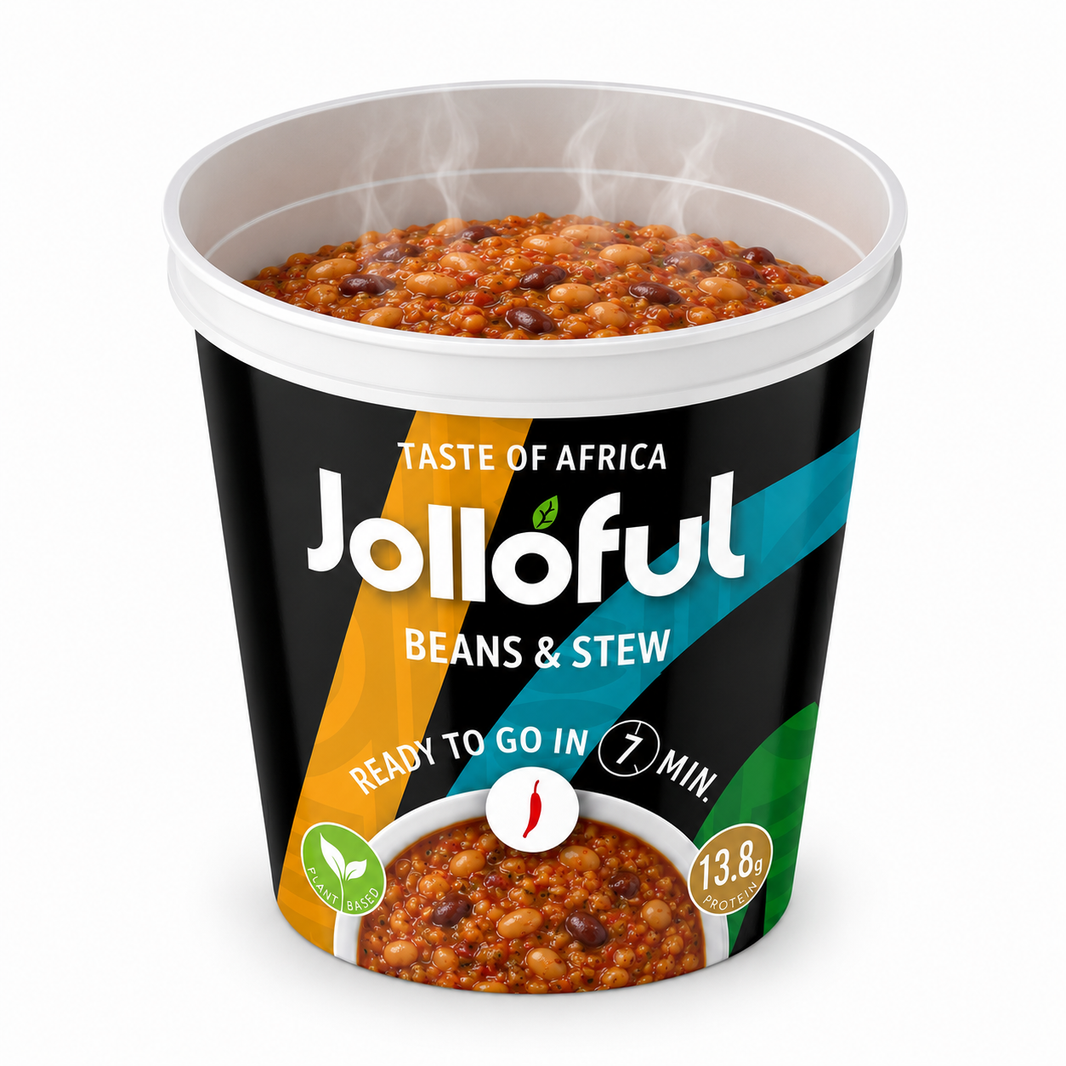
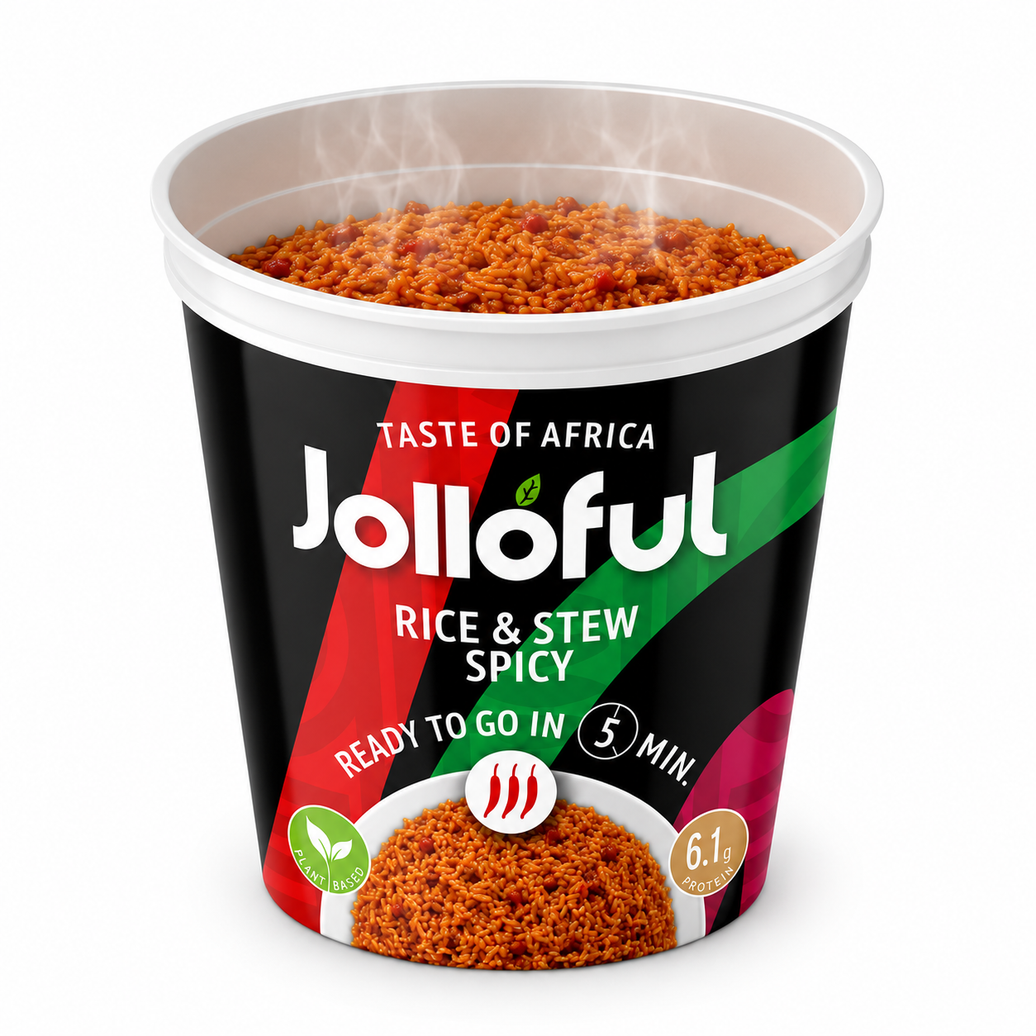

Order your 8-pack / 12 pack box today
A great meal can start with something as small as a teaspoon. This African spice blends guide is for anyone tired of convenience food that tastes like it gave up halfway through cooking. African seasonings bring heat, fragrance, savoury depth and brightness in layers - turning quick lunches and weeknight suppers into food with real presence.
There is no single "African flavour". The continent holds thousands of food traditions, shaped by local crops, trade routes, migration, climate and family cooking. A blend from the Horn of Africa will not taste like one from North Africa, West Africa or Southern Africa. That is the point. The most rewarding way to cook with these seasonings is to respect their roots while finding the flavours that work for your table.
African spice blends guide: start with flavour, not heat
Many people approach African seasoning by asking, "How spicy is it?" Heat matters, but it is only one part of the story. A well-built blend may lead with warm pepper, then bring ginger-like brightness, toasted earthiness, floral sweetness or a deep savoury finish.
The best question is: what job does the blend do in the dish? Some are designed to form a bold crust on grilled meat. Others bloom in oil to build a stew or sauce. Some are finishing blends, scattered over food for crunch and aroma. Treating every seasoning as interchangeable can flatten the very character that makes it exciting.
Freshness also changes everything. Whole spices hold their oils longer than pre-ground spices, but a carefully made ground blend can still be brilliant when stored well. Look for a lively aroma when you open the packet or jar. If it smells dusty, it will taste flat.
Four blends worth knowing
Berbere: warm, complex, unmistakable
Berbere is associated with Ethiopian and Eritrean cooking, and it is far more than a chilli blend. Recipes vary from household to household, but often combine chilli with spices such as fenugreek, coriander, cumin, cardamom, cloves, cinnamon, ginger and black pepper. The result is warm, aromatic and deeply rounded.
Use it where you want heat with structure: lentil stews, roasted cauliflower, baked beans, scrambled eggs or a tray of chicken thighs. Bloom it briefly in oil with onions before adding liquid, rather than sprinkling it in at the end. That short step softens raw edges and lets the spices open up.
Yaji: smoky, nutty, made for the grill
Yaji, often called suya spice, is a West African seasoning known for its punchy combination of ground peanuts, chilli, ginger, garlic and other spices. It is traditionally used on skewered grilled meat, where the nutty coating catches the heat and creates serious flavour.
Its texture and peanut content make it different from a standard dry rub. Use it on chicken, beef, mushrooms or aubergine before grilling or roasting, but keep an eye on it as nut-based blends can catch quickly. It is also excellent stirred through roasted sweet potato or used as a finishing dusting over a fried egg. Always check the label carefully if cooking for anyone with a nut allergy.
Ras el hanout: fragrant and flexible
Ras el hanout is a North African blend, especially associated with Moroccan cooking. Its name is often translated as "head of the shop", suggesting a seller's best selection. That is a useful clue: there is no one fixed recipe. A blend may include cumin, coriander, turmeric, ginger, cinnamon, black pepper, paprika, rose petals or many other ingredients.
Expect fragrance over fierce heat. Ras el hanout works beautifully with roast vegetables, couscous, chickpeas, lamb and slow-cooked sauces. Because recipes vary so widely, taste before adding extra salt or chilli. One version may be earthy and mellow; another may lean sweet, peppery or floral.
Dukkah: crunch, not just spice
Egyptian dukkah is a blend of toasted nuts, seeds and spices, commonly including sesame, coriander and cumin. It is not primarily a cooking spice. It is a finishing ingredient with texture, designed to add a toasted, savoury bite.
Scatter it over soups, salads, roasted carrots, soft eggs or flatbreads with olive oil. Its job is to wake up a finished dish. Adding it too early to a wet sauce means losing the crunch that makes it special.
Build flavour in the right moment
A blend can be exceptional and still disappoint if it is used at the wrong stage. For dry spices, heat is usually your ally. Add them to a little oil, butter or fat over a gentle heat for 20 to 30 seconds, just until fragrant. This is called blooming. It releases flavour into the fat, which then carries it through the whole dish.
But not every blend needs that treatment. Dukkah belongs at the end. A nut-based seasoning such as yaji can be used before grilling, though it benefits from a light coating of oil and careful heat. Blends containing delicate dried herbs or bright citrus notes may lose their lift if cooked too long.
Start small. For a meal serving two, begin with half to one teaspoon of a potent blend, then adjust. The goal is not to overwhelm every ingredient. It is to make the dish taste more like itself, only louder.
Salt deserves its own attention. Some ready-made blends contain salt, stock powder or dried aromatics with strong savoury character. Others are salt-free. Taste as you go rather than seasoning automatically. This simple habit gives you control and helps a blend show its full range.
Fast meals, properly seasoned
Busy cooking does not have to mean bland cooking. Keep one warming blend, one nutty or smoky blend and one aromatic finishing blend within reach. With those three styles, a plain base can become a meal you actually look forward to.
Stir berbere into lentils with tomatoes and spinach. Rub yaji over mushrooms before roasting, then serve with rice and a sharp yoghurt. Fold ras el hanout into chickpeas, onions and a squeeze of lemon. Finish a soup with dukkah just before eating. These are small moves, but they replace the familiar beige sameness of rushed meals with contrast and character.
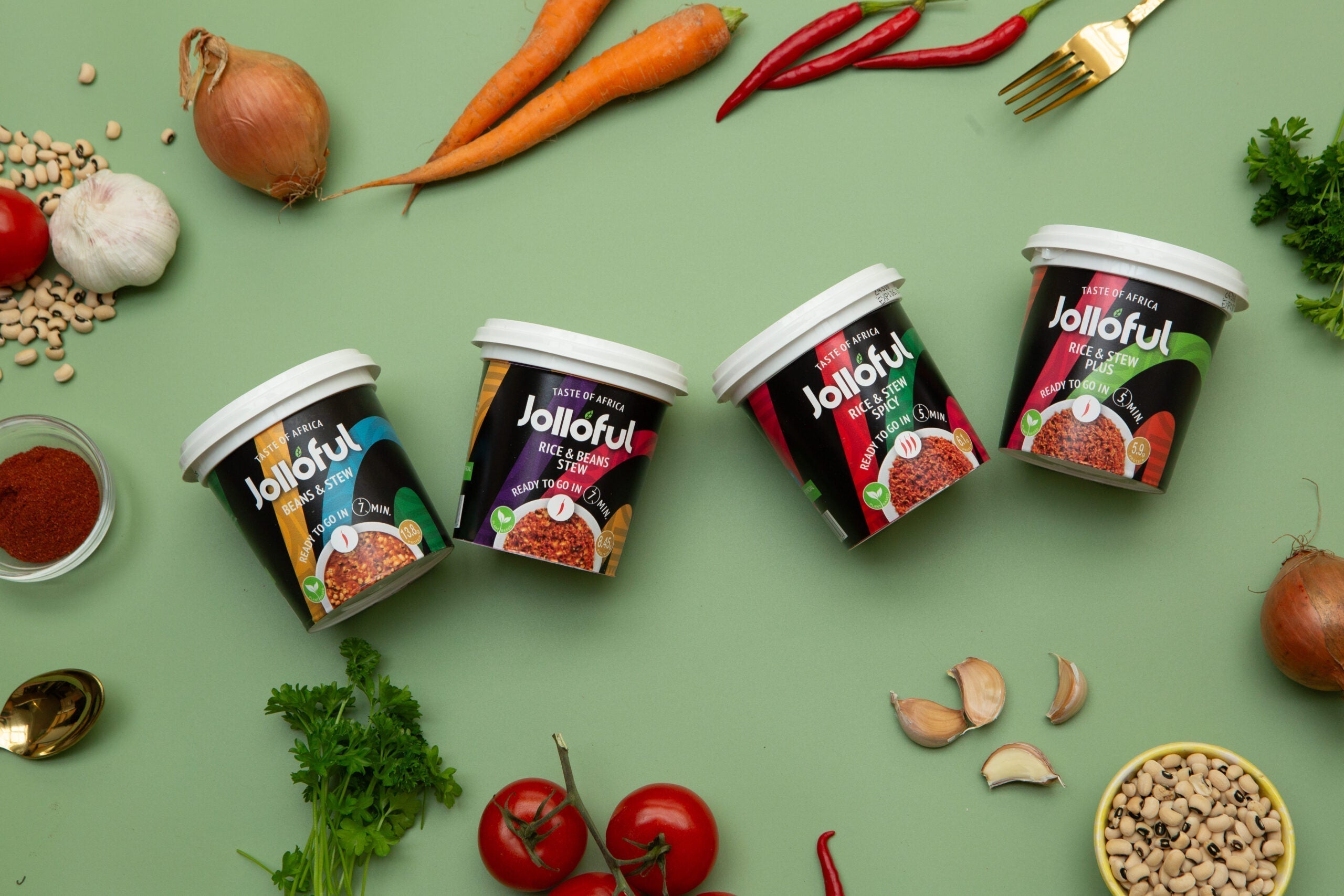
For fast African-inspired food, the standard should be clear: real ingredients, clear flavour and no need to pretend that speed requires compromise. That belief sits at the heart of Jolloful - making culturally rooted flavour practical for ordinary, busy days.
How to buy and store spice blends
Choose blends with ingredients you can recognise and a clear origin or flavour description. A long ingredient list is not automatically a problem - many traditional blends are naturally complex - but it should make culinary sense. Watch for unnecessary fillers, excessive salt and vague labels that promise "African spices" without saying what is actually inside.
Buy smaller quantities if you are trying something for the first time. Keep blends in sealed containers, away from steam, sunlight and the hob. A cool cupboard is better than a rack beside constant heat. Most ground spices remain enjoyable for months, but aroma is the real test. If the scent has faded, use a little more in a stew or replace it.
Do not store a wet spoon in the jar. Moisture causes clumping and dulls flavour. It is a small kitchen habit with a big payoff.
Let the blend lead
The strongest cooking is not about chasing the hottest chilli or copying a recipe perfectly. It is about paying attention. Smell the blend. Taste a pinch. Think about whether your dish needs warmth, smoke, nuttiness, brightness or crunch.
African spice blends carry memory, craft and regional identity in a few concentrated ingredients. Give them room to speak, and even a fast meal can feel generous, vivid and made with intention.






Leave a comment