
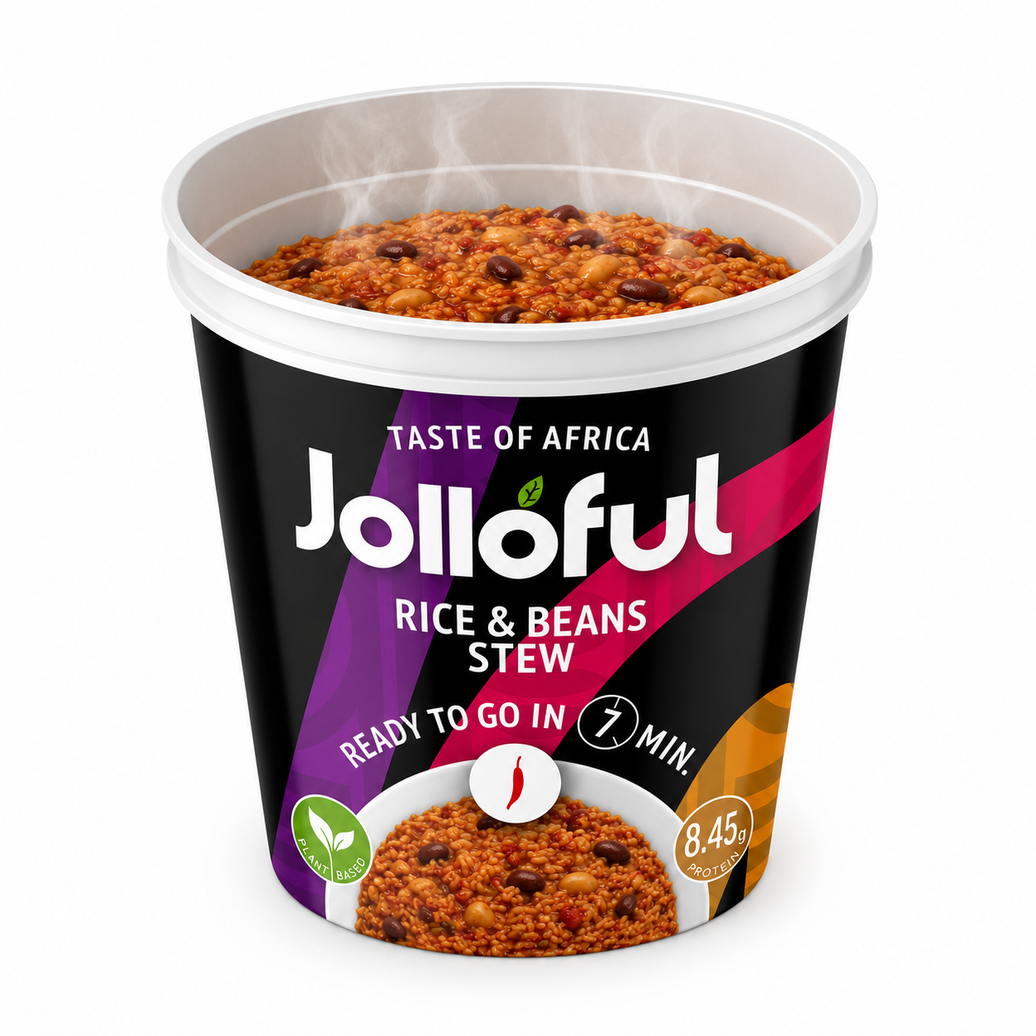
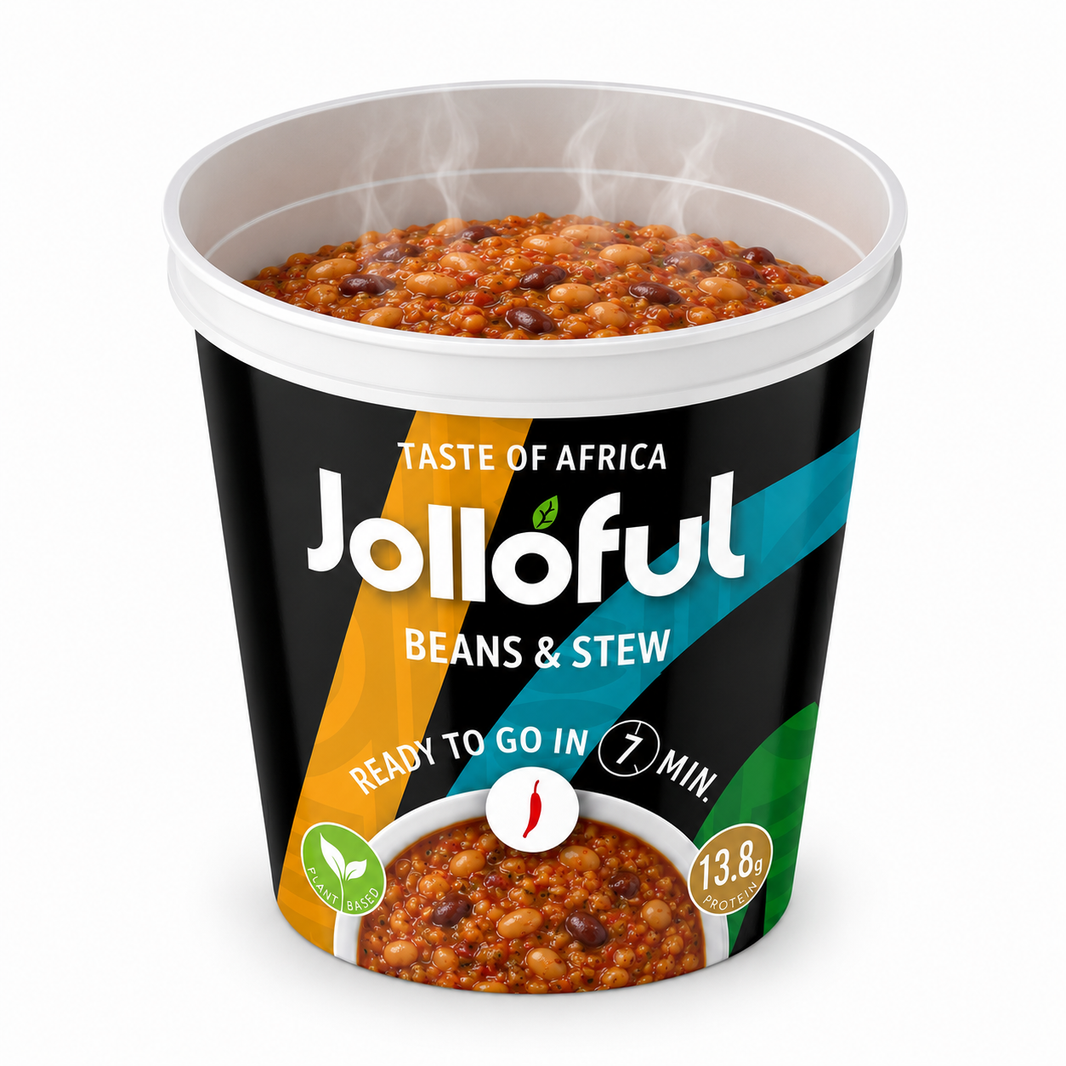
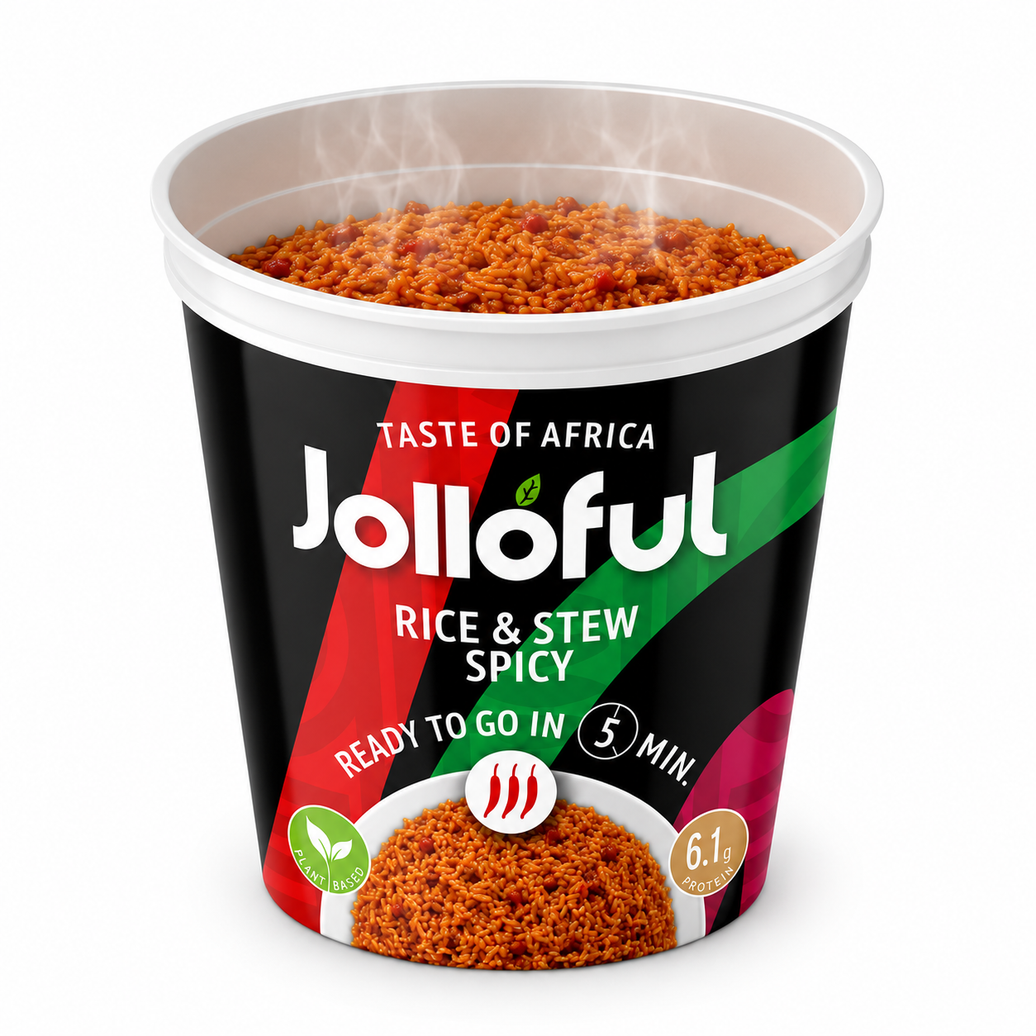
Order your 8-pack / 12 pack box today
The 3pm hunger is not asking for a culinary project. It wants something hot, quick and genuinely satisfying before the next meeting, school run or train home. That is where meal cups versus instant noodles becomes more than a supermarket shelf decision. Both promise speed, but they can deliver very different eating experiences.
Instant noodles have earned their place as a cheap, familiar standby. Yet convenience should not mean settling for a salty, one-note meal that leaves you looking for snacks an hour later. A well-made meal cup can bring the same hot-water ease with fuller ingredients, bolder flavour and a dish that feels much closer to proper food.
Meal cups versus instant noodles: the real difference
The packaging may look similar: open, add hot water, wait a few minutes, eat. But preparation is only one part of the story. Instant noodles are typically built around noodles and a sachet or seasoning base. They are designed to be fast, inexpensive and consistent at scale.
Meal cups are a broader category. Some are simply familiar convenience foods in a different container, so the label always matters. The better versions are built as complete dishes, using grains, pulses, vegetables, herbs and spices to create something with texture, character and a clearer sense of where the recipe comes from.
That distinction matters when food is part of your routine. If you reach for a quick lunch two or three times a week, you want more than a temporary fix. You want a meal that respects your time without flattening your taste buds.
Flavour is not an optional extra
Many instant noodles rely on a strong hit of seasoning to carry a fairly plain base. There is nothing mysterious about why they are popular: the flavour is immediate, familiar and comforting. But it can also be repetitive. After a few mouthfuls, the experience is often more about salt and heat than depth.
A good meal cup should have layers. You might taste warming spices first, then savoury vegetables, a gentle smokiness or a proper chilli kick. African cooking has never needed to be toned down to be convenient. Its strength lies in generous seasoning, slow-building flavour and food made to be shared, remembered and craved.
That is the difference between eating because you are hungry and eating because the meal actually gives you a moment of pleasure. Five minutes can still carry real flavour.
Ingredients tell the bigger story
The phrase “instant meal” has been unfairly associated with low expectations for decades. Highly processed bases, artificial colours and long ingredient lists became normal because speed was treated as the only benefit worth paying for.
That is changing. Busy shoppers are reading labels, looking for recognisable ingredients and asking a fair question: if a meal takes five to seven minutes to make, why should it feel like a compromise?
Look for a meal that names ingredients you understand and a recipe that sounds like food rather than a chemistry set. Grains, beans, vegetables, herbs, spices and carefully balanced seasoning can all work brilliantly in a shelf-stable format. Shelf life and real ingredients are not opposites.
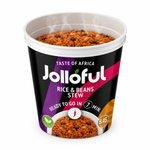
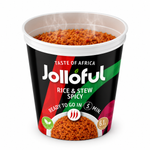
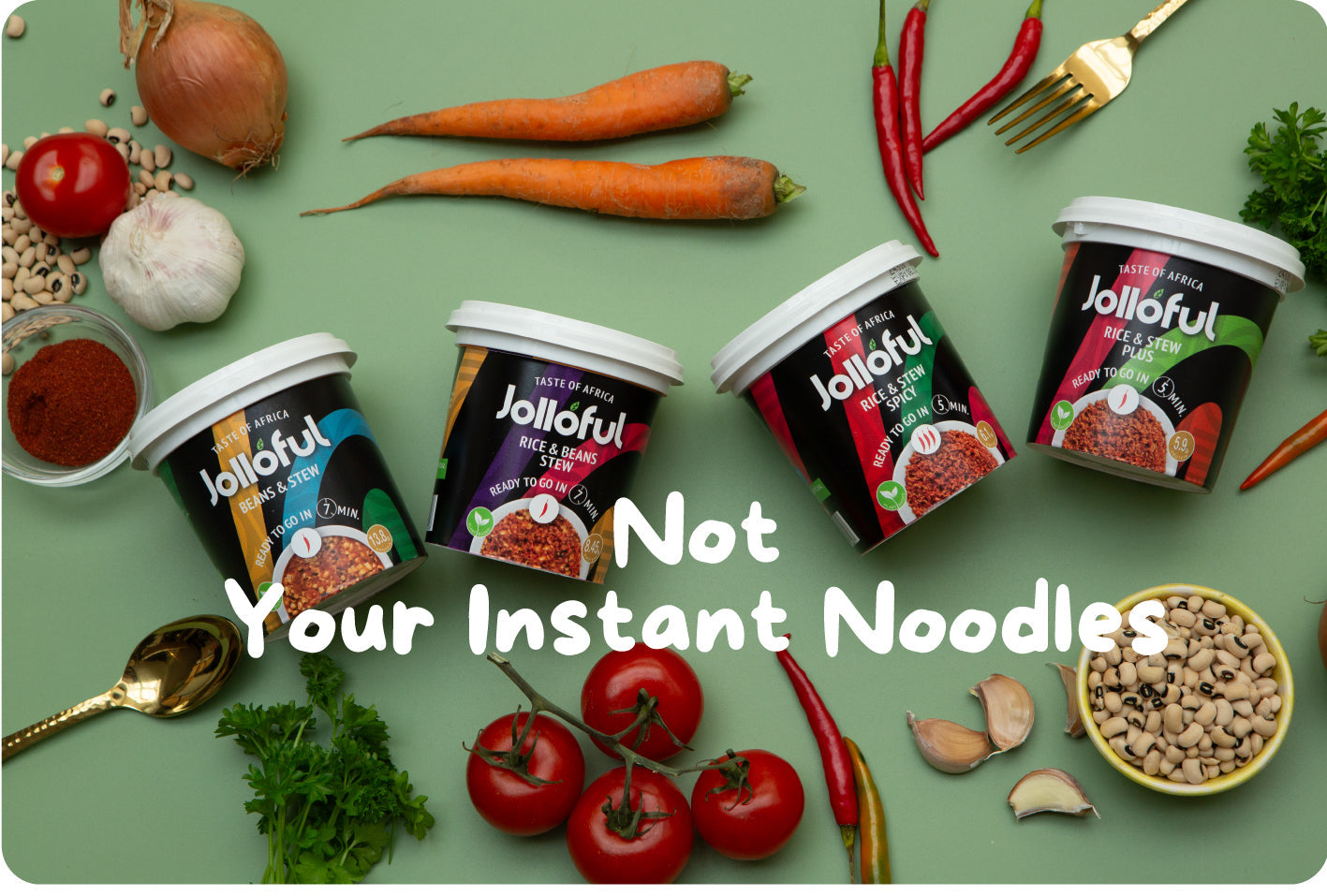
At Jolloful, that is the point. The goal is not to make African food behave like generic convenience food. It is to make culturally rooted meals practical for modern life, with real ingredients, no artificial colour and no added preservatives.
This does not mean every meal cup will suit every person. Some will be spicier than you prefer, while others may contain ingredients you need to avoid for dietary reasons. Check the product label for allergens, nutritional information and portion guidance. Convenience is better when it is informed convenience.
When speed meets satisfaction
Time is the obvious reason to choose either option. Both can be useful in a desk drawer, student cupboard, work kitchen or travel bag. Neither needs a frying pan, chopping board or a pile of washing-up. That alone makes them valuable.
The more useful question is what happens after you eat. A bowl of noodles may be exactly right when you need something cheap and fast, especially if you have extra vegetables, an egg or leftover protein to add. It is a flexible base and, for many people, a nostalgic one.
But if you do not have those extras to hand, a fuller meal cup can make more sense. It is designed to stand on its own rather than depend on a rescue mission from the fridge. That matters on the days when your lunch break is short, the kitchen is shared or dinner needs to happen between everything else.
Portion size matters too. Not every quick meal needs to be enormous, but it should leave you reasonably satisfied. A dish with varied ingredients and texture tends to feel more substantial than a single, soft base with broth.
The convenience test is simple
Ask yourself three things before choosing: does it take little effort, does it taste like a meal rather than a placeholder, and would you happily eat it again next week? If the answer is yes to all three, it deserves space in your cupboard.
The strongest convenience foods do not ask you to lower the bar. They fit around real life while still giving you something to look forward to. For diaspora households, that can mean a welcome taste of familiar seasoning when cooking from scratch is not possible. For curious first-timers, it can be an easy, low-pressure way to try African flavours without needing specialist skills or a long shopping list.
Where instant noodles still make sense
There is no need to pretend instant noodles have no role. They are widely available, affordable and useful as an emergency pantry staple. They can also become more satisfying with a few additions if you have time and ingredients.
The trade-off is that you become the cook. Add vegetables, protein, aromatics or a sauce, and you have turned a basic packet into something more complete. That can be enjoyable, but it is not always realistic at 9pm after a long day.
Meal cups are for the moments when you want the outcome without the extra work. The best ones offer a ready-made combination of flavour and substance, not just a shortcut to a bland base.
Choose the quick meal you actually want to eat
Do not judge a fast meal by preparation time alone. Compare the ingredient list, the flavour profile, the portion, the dietary information and whether the recipe feels rooted in a real food culture. A lower price may be the deciding factor sometimes, and that is fair. But value is also about whether a meal delivers enough enjoyment and satisfaction to earn a repeat purchase.
For a rapid snack, instant noodles may do the job. For a quick lunch or easy evening meal, a flavour-led meal cup can offer more of what you were hoping for in the first place: warmth, character and food that does not feel like an afterthought.
Your busiest days still deserve a meal with something to say. Keep the cupboard stocked with food that meets the moment, then makes the moment taste better.


Leave a comment