
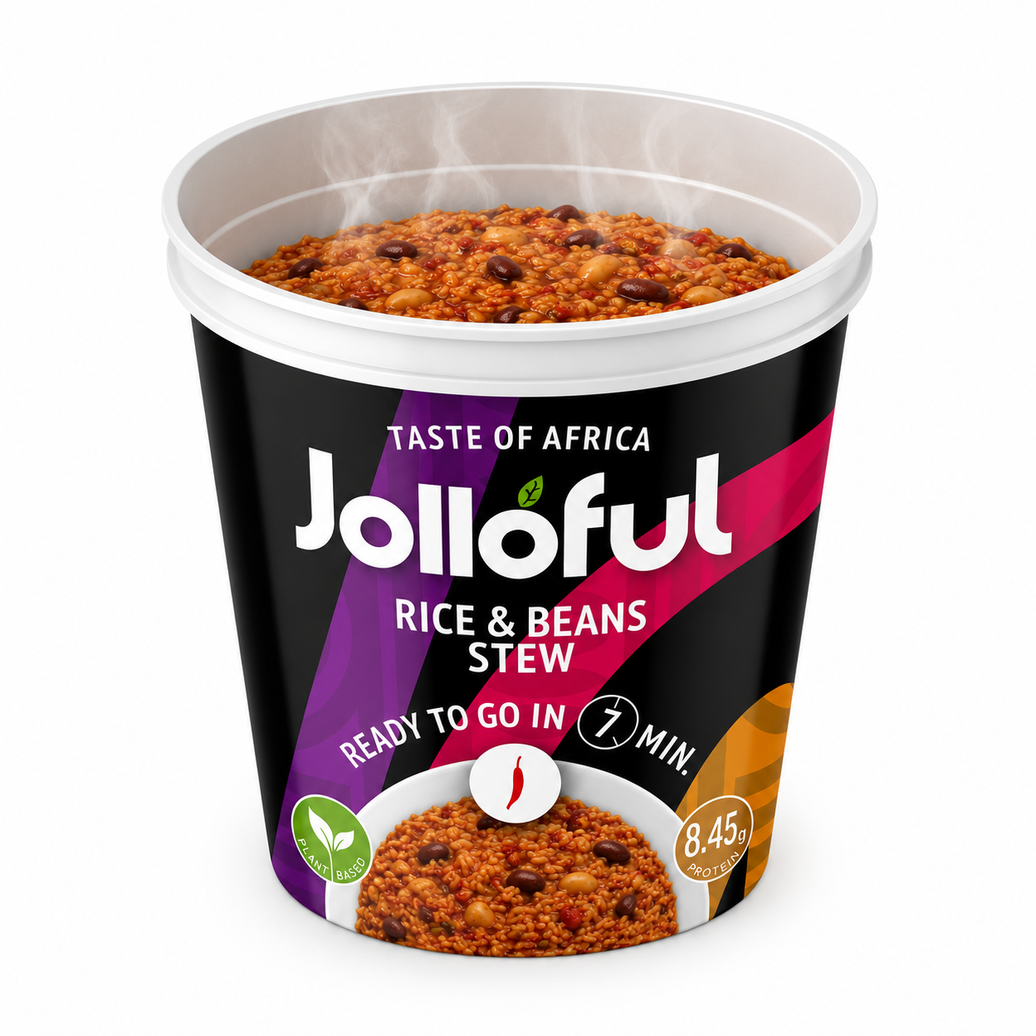
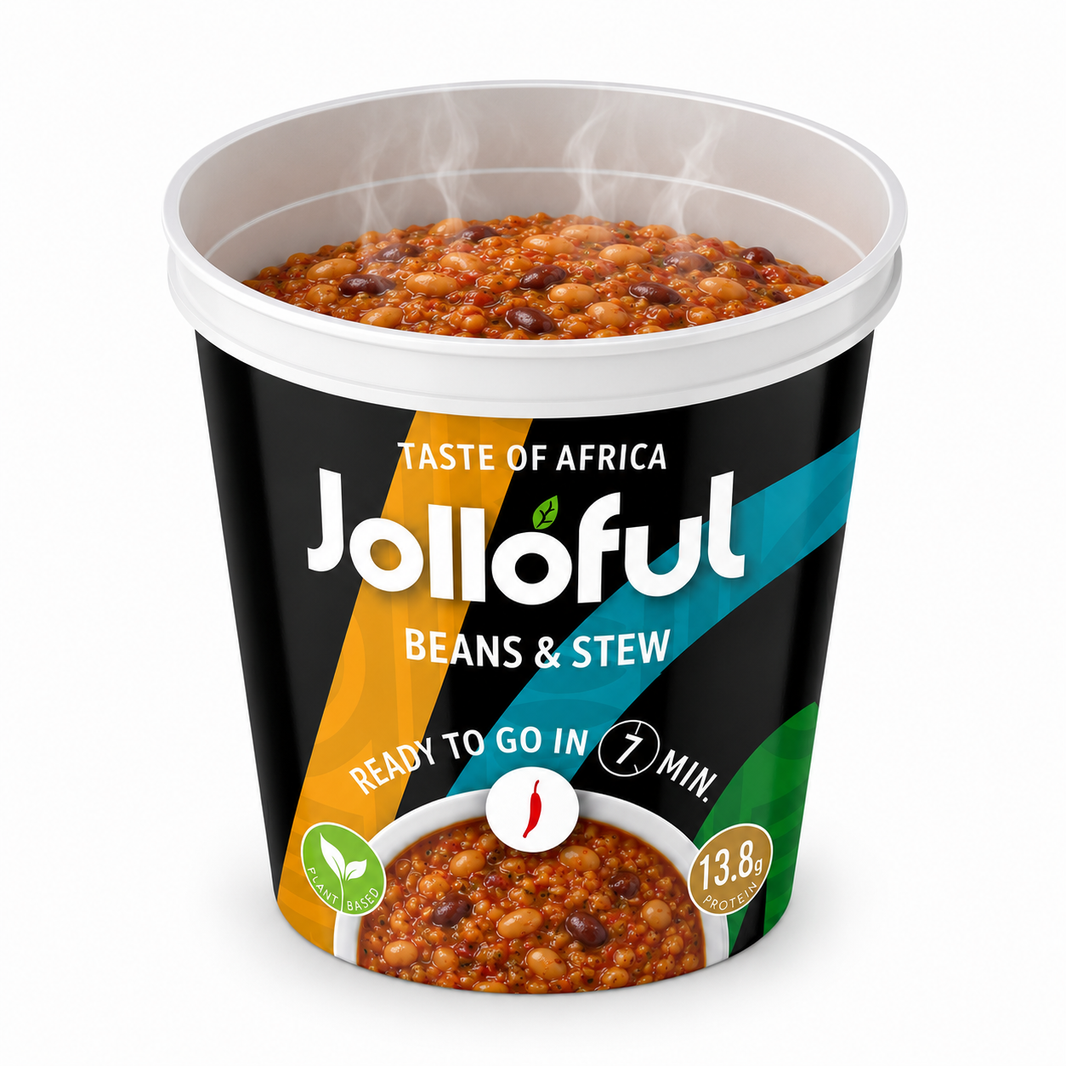
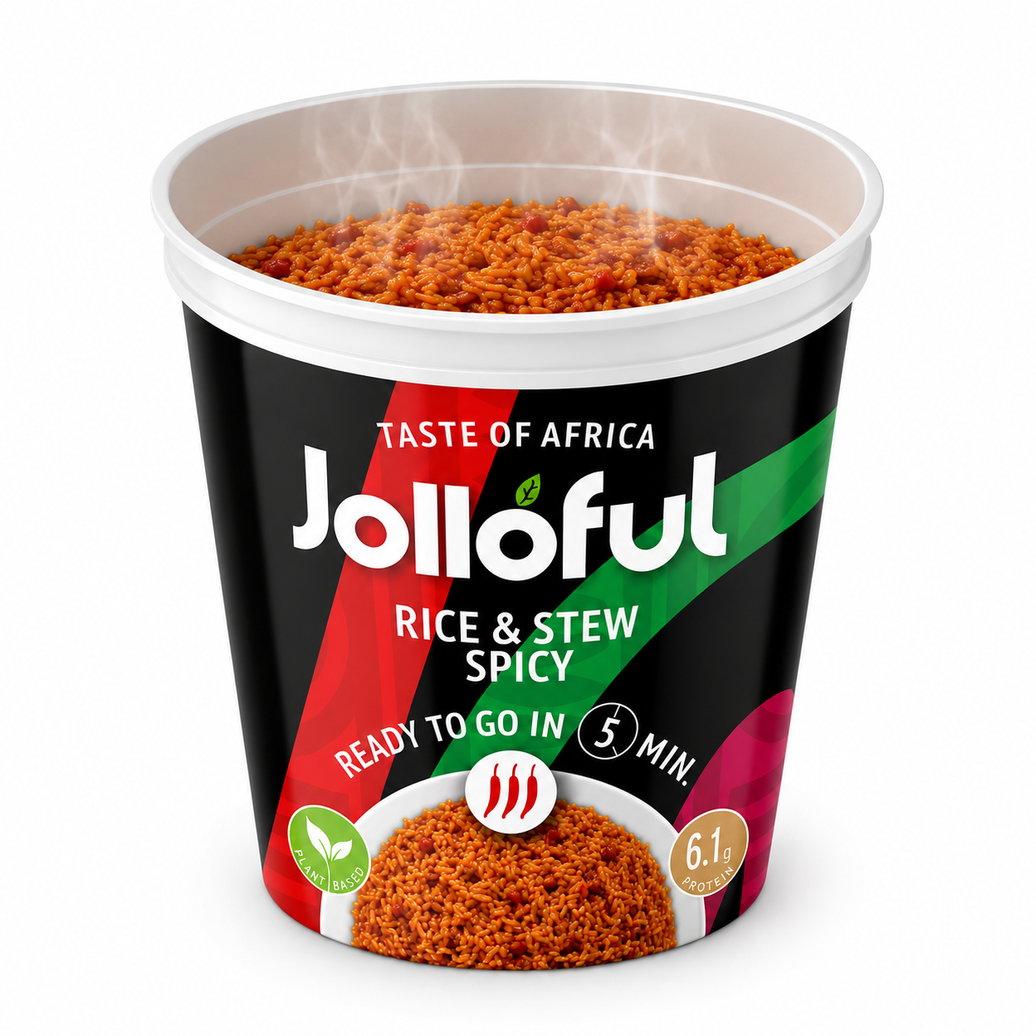
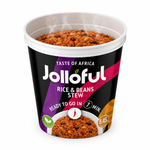
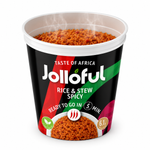

Order your 8-pack / 12 pack box today
A desk lunch that tastes like home. A late-night meal with real heat, not another beige compromise. Diaspora food trends are changing what busy shoppers expect from convenient food, and the shift is bigger than a passing craving for something new.
For diaspora communities, food has always carried memory, language and care. Now, a new generation is asking for those same flavours in formats that fit modern life: shelf-stable, quick to prepare and easy to keep on hand. For everyone else, African food is becoming less of a special occasion discovery and more of a brilliant answer to the everyday question: what can I eat that is fast and actually satisfying?
Diaspora Food Trends Put Culture on the Shelf
For years, convenience food asked people to lower their standards. It was fast, but often bland, overly processed or disconnected from how people really eat. Diaspora-led food brands are challenging that trade-off. They are proving that speed and cultural integrity can belong in the same kitchen cupboard.
This matters because representation is not just about seeing a cuisine on a restaurant menu. It is about being able to choose food that feels familiar on an ordinary Tuesday, between meetings, after the school run or when there is no energy left for a full cook-up. A well-made African meal in a practical format says that these flavours deserve space in everyday life, not just at festivals or family gatherings.
The strongest products do not flatten recipes to make them seem more acceptable. They lead with flavour, whether that means warming spices, rich tomato bases, smoky notes or a proper chilli kick. They may make preparation easier, but they should not make the food anonymous.
Convenience Has a New Standard
The modern food shopper is not looking for convenience at any cost. They read labels. They compare ingredients. They want food that travels well, stores easily and comes together in minutes, but they also want it to taste like someone cared.
That demand has created room for a more thoughtful kind of pantry food. Shelf-stable meals are no longer only emergency staples. When the recipe is right, they are a smart option for work bags, university rooms, office cupboards and homes where dinner needs to happen quickly.
The appeal is especially clear for young professionals and working parents. Cooking from scratch can be joyful, but it is not always realistic. A fast meal with recognisable ingredients and serious flavour can bridge the gap between delivery fatigue and a completely empty fridge.
There is a trade-off, of course. No ready-to-go meal can replace every slow-cooked family recipe or the experience of cooking together. It does not need to. The goal is not to replace tradition. It is to make culturally rooted food available when time is short.
Why African Flavours Are Gaining Everyday Fans
African cuisines are not one trend, one spice profile or one story. The continent holds an extraordinary range of ingredients, techniques and food cultures. Treating it as a single category is convenient for a supermarket sign, but it misses the point.
What is changing is visibility. Social media has helped people see the food beyond narrow, outdated ideas. Home cooks share recipes with confidence. chefs build devoted audiences. Diaspora founders create products informed by the meals they grew up with, then shape them for the lives they lead now.
For curious shoppers, this creates a friendly entry point. You do not need specialist equipment or hours of free time to try a new flavour. A meal that is ready with hot water can be the first step towards exploring more widely, while still delivering something substantial enough to become a repeat purchase.
That accessibility should never mean stripping away the story. Clear packaging, honest descriptions and a little context can help first-time buyers understand what they are eating without turning a meal into a museum exhibit. Let the flavour do the convincing, then give people enough confidence to come back for more.
The Rise of Food That Feels Personal
Diaspora food succeeds because it often solves an emotional need as well as a practical one. Familiar food can steady you after a difficult day. It can make a shared flat feel warmer. It can give children of immigrants a direct connection to flavours they know from family kitchens.
For many people in the UK, this is also part of a wider change in how they shop. They want brands with a point of view. They want to know who made the product, what it stands for and why it exists. Generic food language cannot compete with a brand that speaks clearly about culture, taste and quality.
Authenticity, though, is not a costume. It is not a flag printed on a packet or a few borrowed words in an advert. It comes from care in the recipe, respect for the food’s origins and a willingness to be specific. A product can be made for a broad audience while staying accountable to the culture that inspired it.
That balance is where diaspora brands have a real advantage. They understand both sides: the depth of the food and the realities of the modern customer. They know that a meal must earn its place in a crowded cupboard through flavour, quality and ease.
What Smart Shoppers Should Look For
Not every product marketed as global or culturally inspired delivers the real thing. A few details can help separate meaningful convenience from a flashy label.
First, look at the ingredients. A shorter, recognisable list is not automatically better, but it is often a useful sign that flavour is being built with food rather than artificial shortcuts. Consider where the heat, colour and depth are coming from.
Then think about the format. The best fast meals should make your day easier without asking you to compromise on portion, texture or taste. Five to seven minutes can be enough time for a proper break, especially when the meal is designed to be filling rather than merely functional.
Finally, pay attention to how the brand talks about culture. Does it name the flavours and culinary influences with confidence? Does it avoid presenting African food as a novelty? The best brands invite newcomers in while speaking to diaspora customers with the respect they deserve.
Jolloful is part of this movement: real food rooted in African flavour, built for the pace of modern life. It is proof that a quick meal can still have character.
Diaspora Food Trends Will Keep Raising the Bar
The next phase is not about making African food fit a narrow idea of mainstream taste. It is about widening what mainstream food can be. As more shoppers demand bold flavour, clean labels and food with a real point of view, the old hierarchy of “familiar” versus “foreign” starts to look dated.
Expect more culturally specific products, better pantry options and more confidence from brands that once felt pressured to soften their identity. The winners will be the ones that respect heritage while understanding real routines: the packed calendar, the small kitchen, the rushed lunch and the need for something genuinely good at the end of the day.
Keep a few meals in the cupboard that meet you where life is. The food you reach for in a hurry should still give you something worth looking forward to.


Leave a comment