
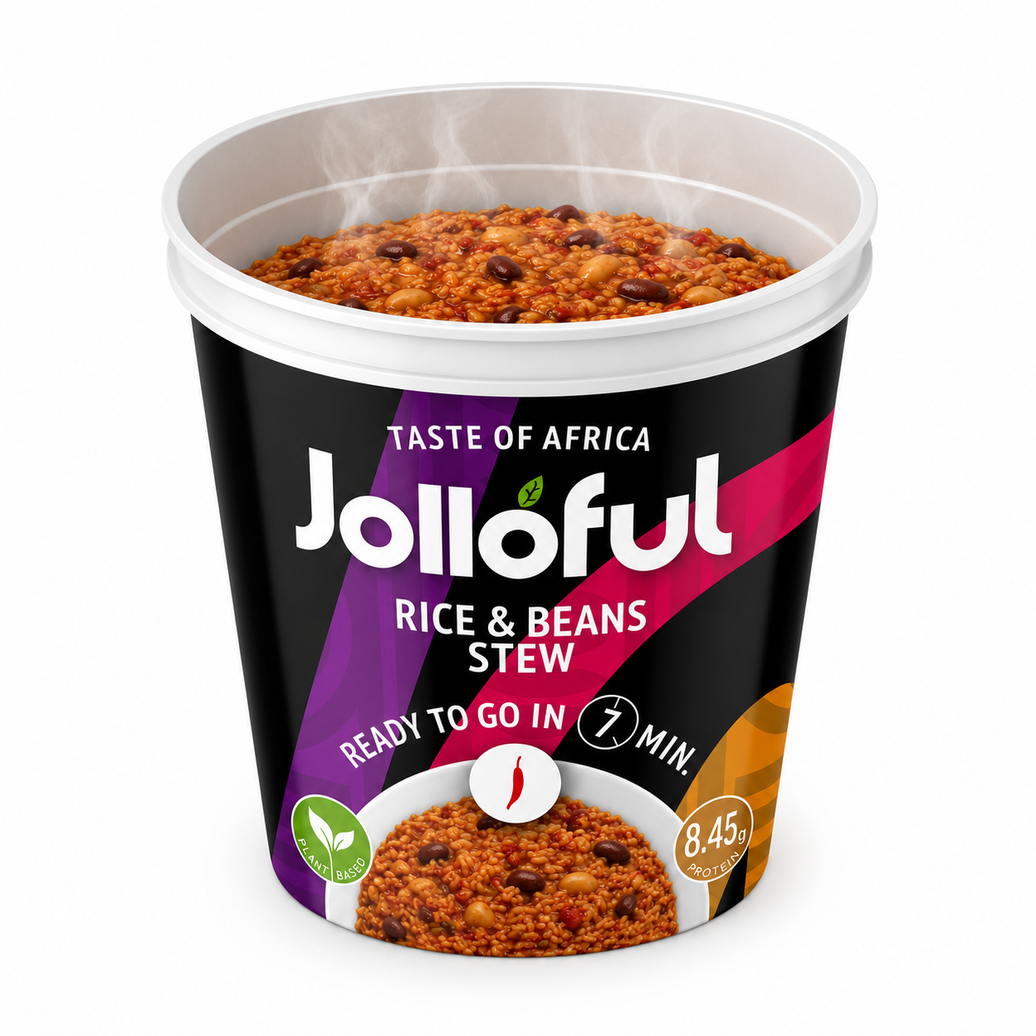
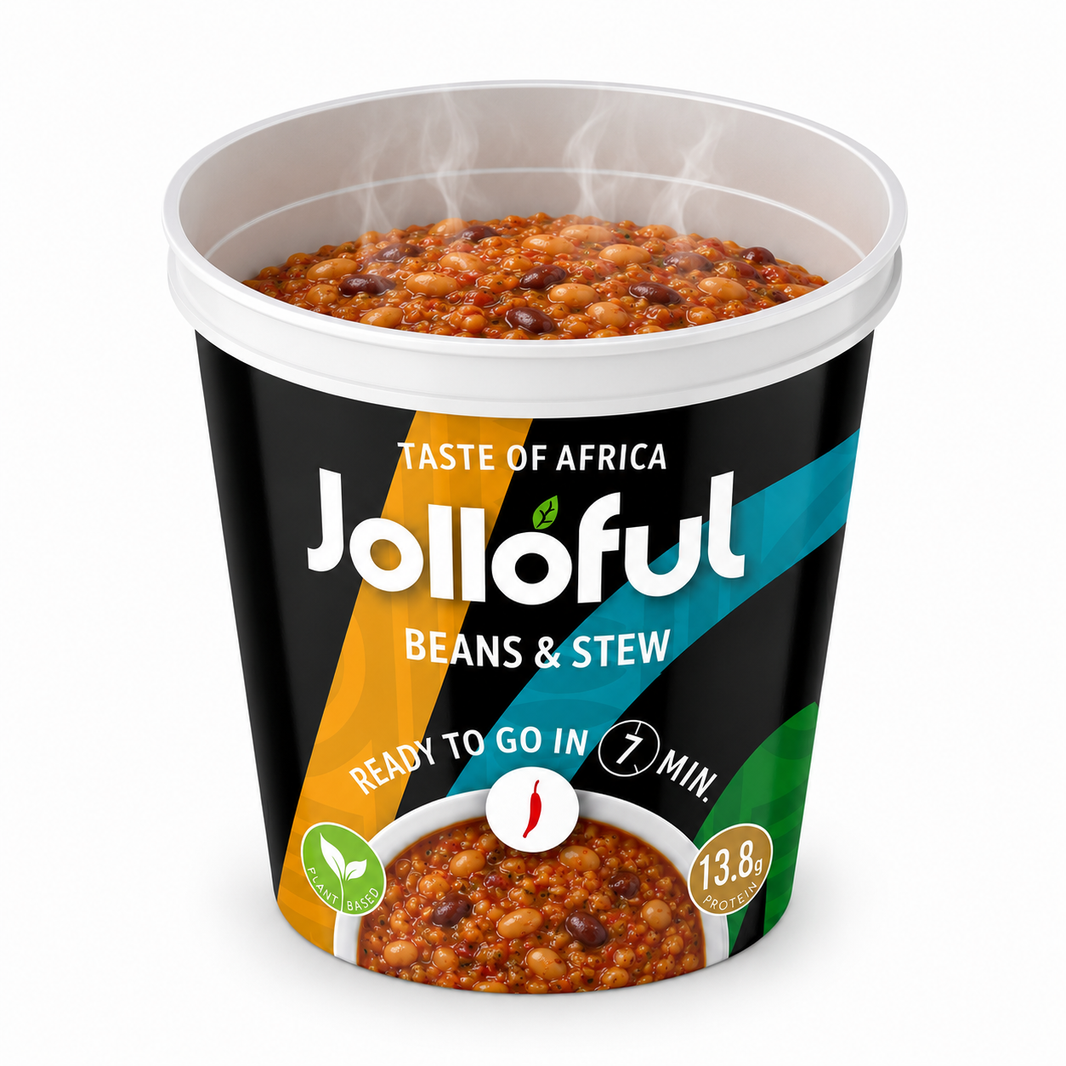
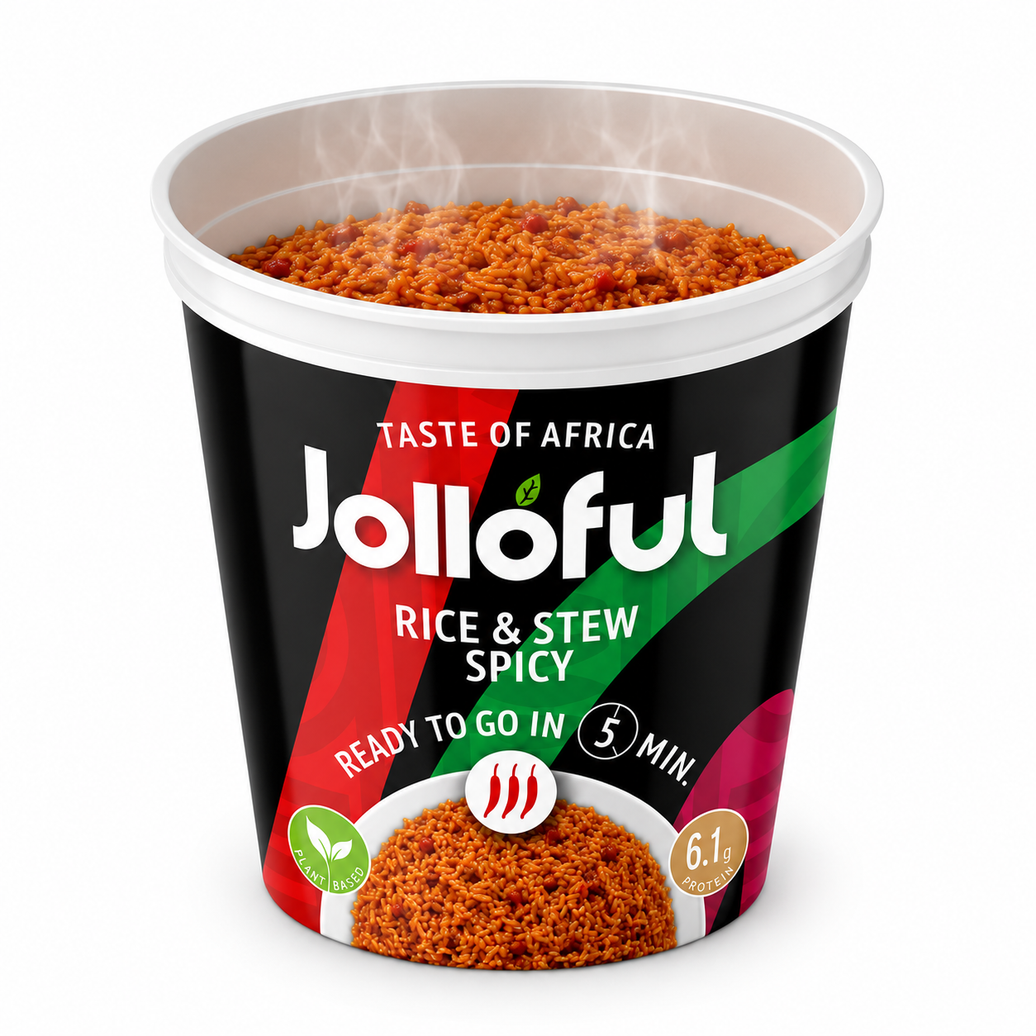
At 1 pm, with meetings stacked back-to-back and dinner still a question mark, most instant meals ask you to lower your standards. Healthy African instant food should do the opposite. It should give you speed without the usual trade-off - bland flavour, vague ingredients, and that heavy, overprocessed feel you regret halfway through the bowl.
That standard matters because convenience has changed. People want food that fits real life, but they also want meals with identity, flavour and a label they can actually read. For African food lovers, that means something even more specific: quick meals that still feel rooted in culture, not watered down to fit a generic “instant” category.
What healthy African instant food should actually mean
“Healthy” gets stretched in food marketing until it means almost nothing. In this space, it should be more concrete. Healthy African instant food is not just a meal with a short cook time. It should start with recognisable ingredients, proper seasoning, and recipes that respect the original dish rather than flattening it into a novelty product.
That also means looking beyond calorie counts. A meal can be low in calories and still leave you unsatisfied, or packed with additives that do the heavy lifting instead of real food. A better benchmark is balance: decent ingredients, no unnecessary extras, strong flavour, and enough substance to feel like a meal rather than a snack pretending to be one.
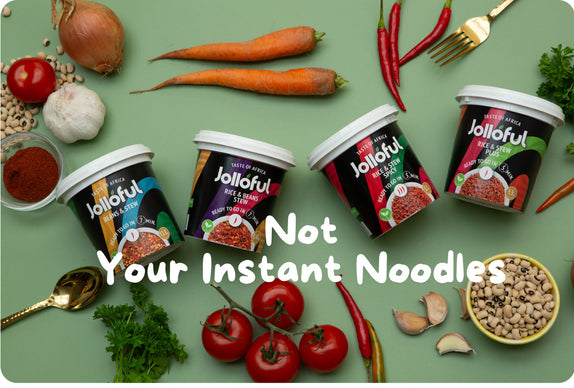
For many shoppers in the UK and across Europe, this is where frustration starts. The convenience aisle is full of products built around shelf life first and eating experience second. African cuisine deserves better than being squeezed into the same frame as ultra-cheap instant noodles with a spice sachet and a story attached.
Why the instant aisle needed an African reset
African food has always had depth. Layered spices, grains, rice dishes, stews, peppery notes, savoury richness - these are not flavours that need rescuing or simplification. Yet when African-inspired convenience foods appear on mainstream shelves, they are often stripped back to something safer, flatter and less recognisable.
That is exactly why healthy African instant food matters. It gives busy consumers a way to eat quickly without stepping away from the foods they grew up with or the flavours they are curious about trying. For diaspora households, that can feel personal. For first-time buyers, it removes the friction. You do not need a full pantry, two hours, or expert knowledge to enjoy the food properly.
There is also a practical reason this category matters now. More people are working hybrid schedules, commuting longer, cooking in smaller kitchens, or juggling family life with very little spare time. In that setting, shelf-stable meals with a fast prep time are not a gimmick. They are useful. The question is whether they can also be good.
How to spot good healthy African instant food
The first clue is the ingredient list. If the label reads like a chemistry test, walk on. A strong product usually leads with food, not fillers. Think rice, grains, legumes, vegetables, herbs and spices. If a brand is proud of what is inside, it usually says so plainly.
The second clue is whether the meal is trying too hard to sound healthy while avoiding flavour. African food is not meant to be timid. Spice, aroma and richness are part of the experience. A better-for-you instant meal should still taste alive. Clean labels are good. Clean labels without soul are not enough.
Texture matters too, and it is where many instant meals fail. Some products rehydrate into mush or stay oddly dry around the edges. A well-made meal should hold up in a cup or bowl, with grains that keep their bite and seasonings that do more than sit on top. Convenience should shorten prep, not flatten the eating experience.
Portion size is another real-world factor. If you need three add-ons just to feel full, the convenience starts to disappear. Some people want a lighter lunch, others need a proper desk dinner after a long day. The best options make sense on their own, while still being easy to pair with extras if you want more protein or veg.
Healthy African instant food is not the same as “diet food”
There is a difference between eating lightly and eating well. Too many convenience products lean on restriction as their main selling point. They cut flavour, reduce portion size, and package the result as virtue. That approach misses the point.
A healthy meal should still be satisfying. It should taste complete. It should leave you feeling fed, not as though you have been sold a compromise in nice packaging. African cuisine is especially strong here because so many dishes are built on naturally flavourful staples - rice, beans, grains, tomatoes, peppers, onions and spice blends with real character.
That does not mean every instant meal will suit every dietary goal. Some people are watching salt, some want more protein, some need plant-based options, and some simply want fewer artificial ingredients. It depends on what healthy means for you. But none of those needs require food to become joyless.
Who this category works best for
Busy professionals are an obvious fit, but not the only one. Healthy African instant food works for students tired of repetitive cupboard meals, parents who need something fast between school pick-up and evening routines, and travellers who want something shelf-stable that still tastes like a real meal.
It also works for two groups that are often spoken to separately but increasingly shop the same way: diaspora consumers looking for familiar flavours, and curious eaters looking for a low-barrier introduction to African food. One group wants recognition. The other wants access. A good instant product can serve both without diluting the culture behind the meal.
That is where modern African food brands have a real opening. They are not just selling convenience. They are fixing a gap in representation. They are proving that shelf-stable does not have to mean generic, and quick meals do not need to abandon credibility to reach a wider market.
Why authenticity still matters in healthy African instant food
Authenticity is not about gatekeeping who gets to enjoy the food. It is about whether the product respects the dish. Does it understand the flavour profile? Does it use ingredients with intention? Does it feel like it came from a real food tradition, or from a trend forecast?
This matters even more in instant formats because there is already scepticism built in. People expect shortcuts. They expect quality to drop. So when a meal delivers real spice, recognisable ingredients and a clear cultural point of view, it stands out immediately.
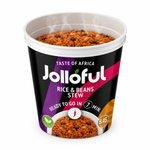
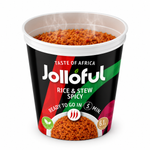
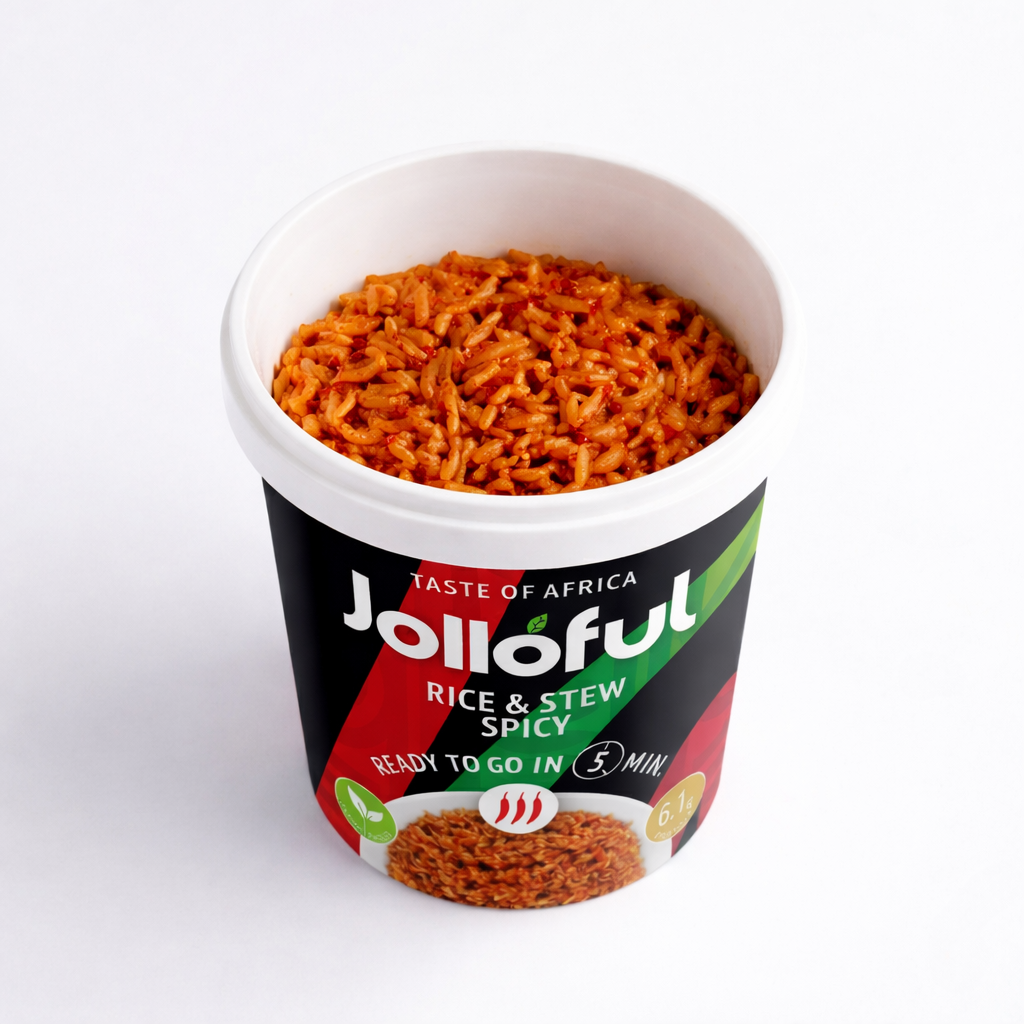
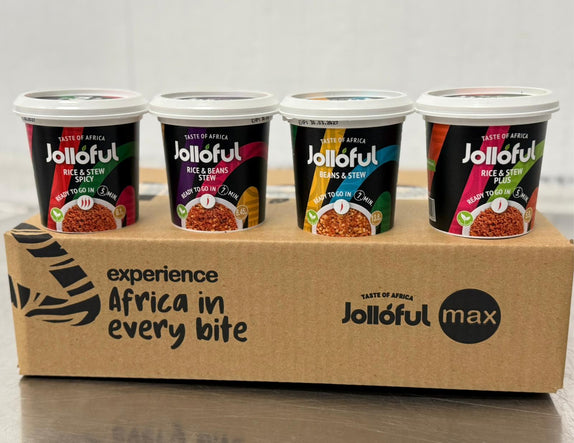
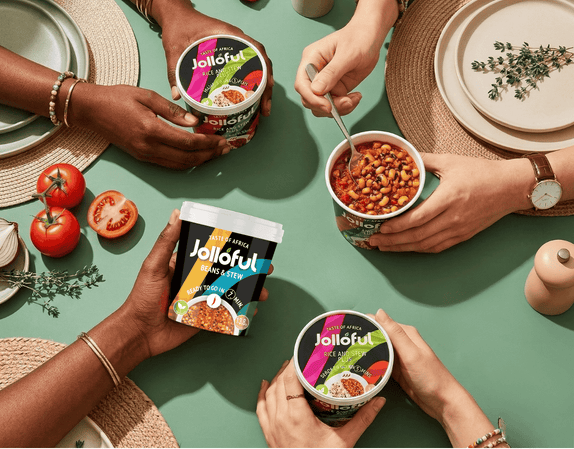
That is part of why brands like Jolloful have traction. The promise is not just speed. It is speed with standards. Real food, rooted in culture, built for modern life. That combination lands because consumers are tired of being told convenience must be beige.
The trade-offs are real, but they can be managed
No instant meal is going to replace every freshly cooked dish, and it should not have to. A five-minute cup is solving a different problem from a slow Sunday cook-up. The win is not that one replaces the other. The win is having an option that makes sense on your busiest days without feeling like a step down.
Price can be another consideration. Better ingredients and stronger recipes often cost more than bargain-basement convenience food. But value is not just about the shelf ticket. It is also about whether the meal satisfies you, tastes good, and saves you from ordering something more expensive later because lunch did not do the job.
Taste is personal as well. Some people want serious heat, others prefer a gentler entry point. Some want familiar West African staples, others are exploring for the first time. A strong category should make room for both. The key is honesty. A meal should say what it is, taste like what it claims to be, and avoid hiding behind buzzwords.
Healthy African instant food is at its best when it respects your time and your palate in equal measure. It should not ask you to choose between convenience and culture, or between speed and ingredient quality. If a meal can be ready in minutes, shelf-stable, satisfying and full of character, that is not a compromise. That is progress worth keeping in the cupboard.


Leave a comment