
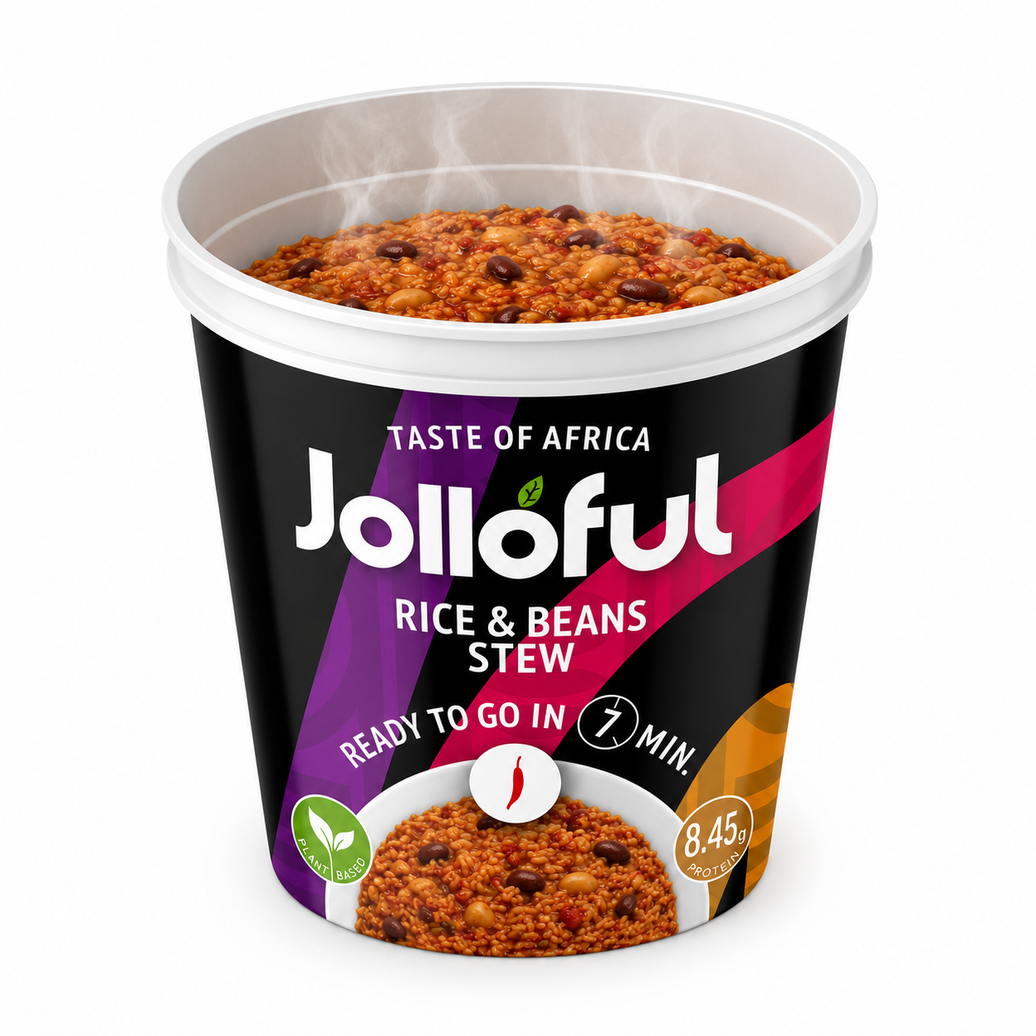
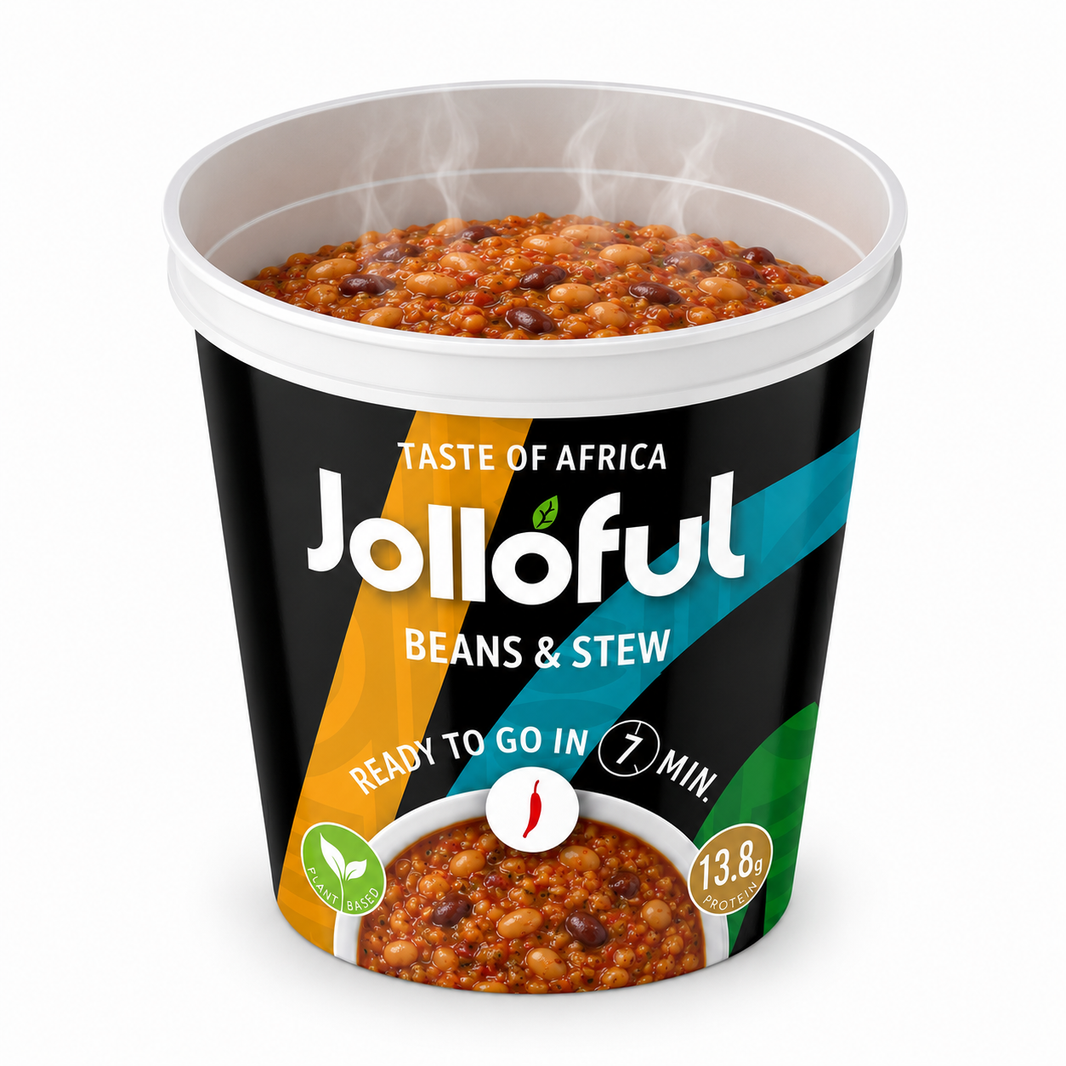
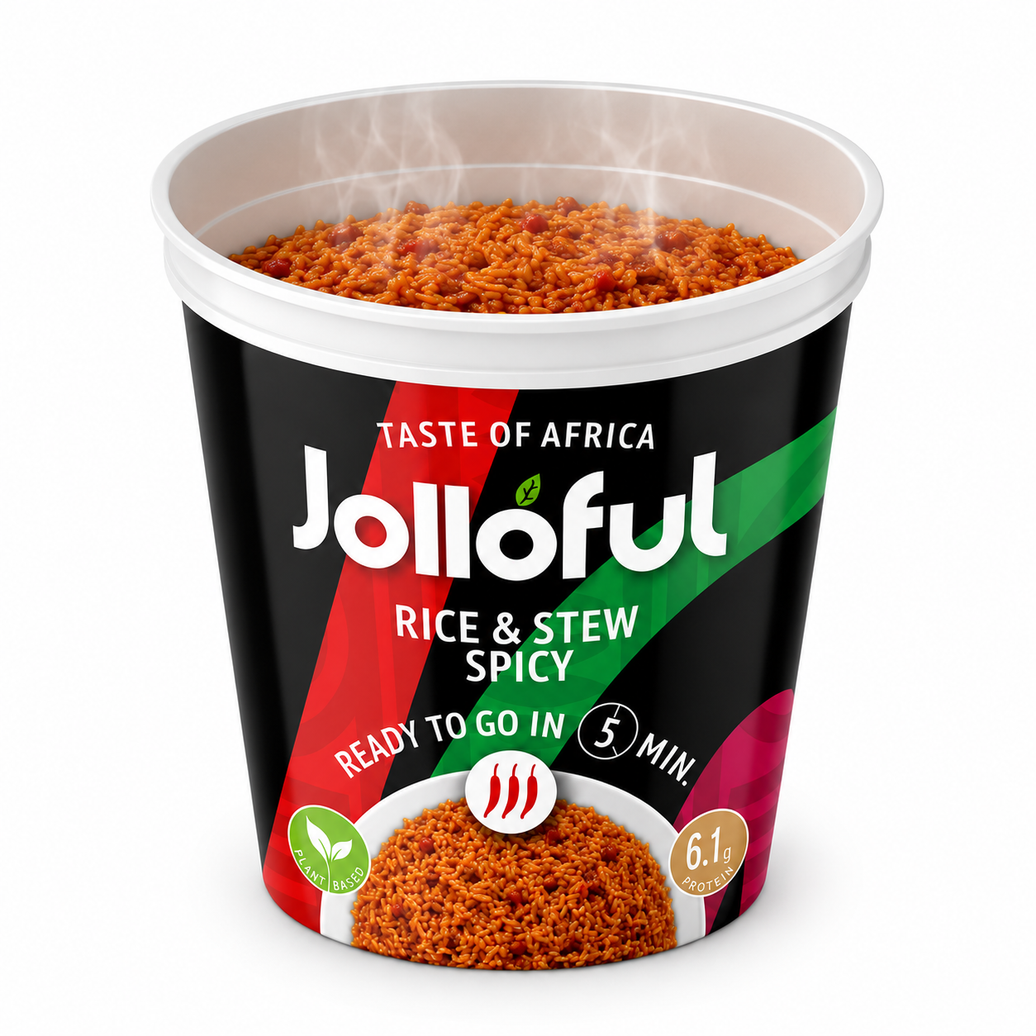
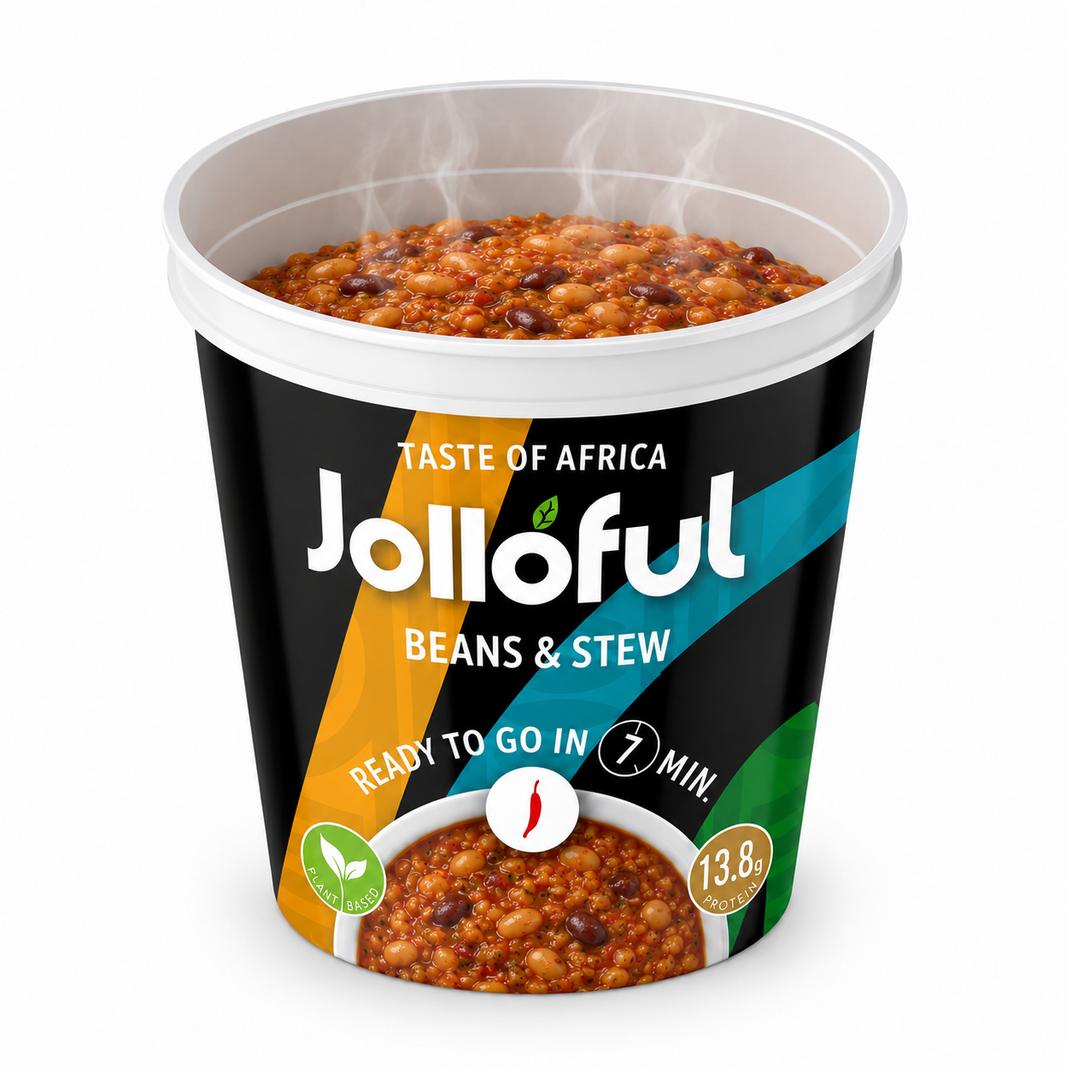
Order your 8-pack / 12 pack box today
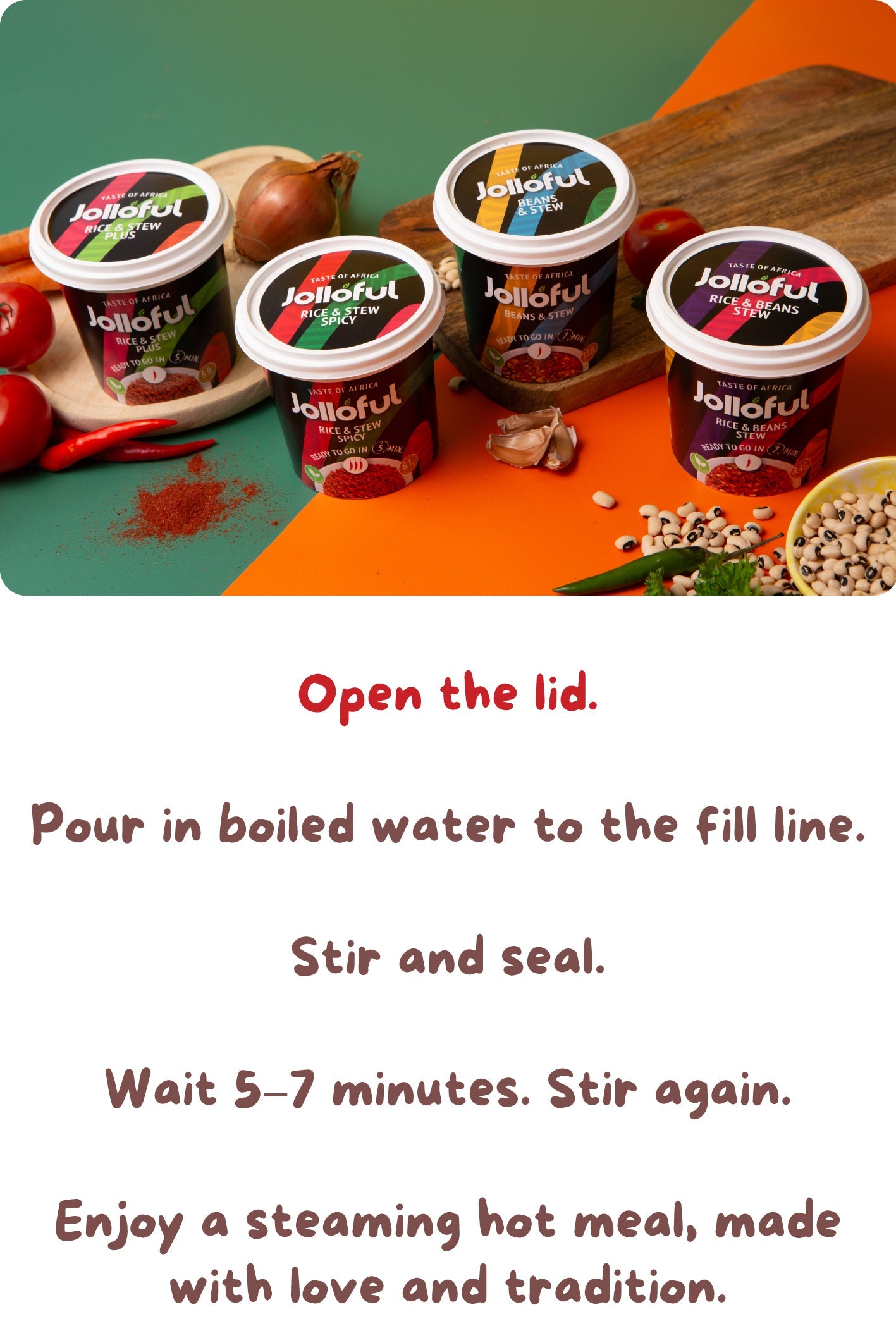
The difference between a brilliant five-minute lunch and a disappointing desk meal often comes down to one small thing: the water. To prepare meal cups properly, you do not need chef-level skills or a long list of extras. You need properly hot water, a little patience and enough attention to let the ingredients do what they were made to do.
A good meal cup is not a compromise for people who have run out of time. It is real food designed for real schedules - the train platform breakfast, the late meeting lunch, the post-gym dinner or the evening when cooking from scratch is simply not happening. When the flavour is rooted in African food culture, that convenience should still taste bold, generous and satisfying.
Prepare Meal Cups With Hot Water, Not Hope
The quickest way to weaken the result is using lukewarm water. Water from a warm tap or a kettle that has been sitting for ages will not properly rehydrate grains, vegetables, herbs and seasoning. Bring fresh water to a full boil, then use it straight away.
Check the preparation instructions on the pack first. Different recipes have different fill lines and resting times, and those details protect the texture as much as the flavour. Pouring in too much water can leave the meal thin and washed out. Too little can mean a dry centre and ingredients that have not softened evenly.
If you are using a kettle in an office kitchen, make your cup first and pour the water as soon as it boils. If you are at home, do not overthink it: boil, pour to the indicated level and get on with the next step. Fast food can still be made with care.
Stir from the bottom
Once the water is in, stir properly. This is not a decorative swirl around the top. Reach the spoon to the bottom and fold the ingredients through, making sure the seasoning is not sitting in one concentrated pocket.
A thorough stir helps every bite absorb moisture and flavour. It also means you are less likely to hit a bland spoonful followed by an unexpectedly fiery one. For meals with rich spices, vegetables or sauce elements, this step makes a bigger difference than most people expect.
After stirring, close the lid or cover the cup as instructed. Trapping the heat gives the ingredients time to soften and lets the flavours come together rather than tasting separate.
Give it the full wait time
Five minutes can feel surprisingly long when you are hungry. Still, do not cut the resting time short. The final minute is often when the centre catches up, the texture settles and the seasoning rounds out.
Use the wait well. Pack your bag, answer one message, set the table or make a quick side salad. Then uncover, stir once more and check the consistency. If the recipe calls for five to seven minutes, let it have those minutes. Rushing is how a good meal becomes merely an adequate one.
The Small Details That Make Meal Cups Better
The best way to prepare meal cups is to follow the pack, then make the experience your own where it makes sense. The cup should stand on a stable, heat-safe surface, especially if you are eating at your desk or travelling. Steam can be hotter than it looks, so lift the lid away from your face.
Once the meal has rested, taste it before adding anything. Bold flavour is part of the point, and extra salt or chilli added too quickly can bury the balance already built into the recipe. If you want more heat, add it gradually. If you prefer brightness, a squeeze of lemon can work well with many savoury meals, but it is optional rather than essential.
For a more substantial plate, pair your meal cup with something simple. A handful of greens, sliced cucumber, yoghurt, fruit or a piece of bread can turn a quick lunch into a fuller break without creating another cooking job. It depends on your appetite and your day. A late-night meal may need nothing else; a busy workday might call for an extra side.
Do not treat every cup the same
Not all shelf-stable meals are designed alike. Some are lighter and ideal for a quick snack. Others are more filling, with grains, pulses or vegetables that need the full hydration time. The instructions are not there to make a fast meal feel complicated. They are there because the right amount of water and resting time make the recipe taste as intended.
This matters even more when the food carries distinctive regional seasoning. African cuisine is not one flat flavour profile, and it should never be presented as one. Heat, savouriness, aromatics and depth can show up differently from one dish to the next. Let the meal speak before deciding what it needs.
When You Are Preparing a Meal Cup Away From Home
Meal cups earn their place because they travel well, but the setting changes the routine. At work, keep a spoon and a small napkin in your bag so a decent lunch does not depend on what is left in the shared kitchen. At university, find the nearest kettle before you are starving between lectures. On a long journey, prepare the cup only when you know you have a safe spot to sit and eat.
At home, the advantage is different. A shelf-stable meal is useful when the fridge is looking sparse, when plans change or when everyone wants food at different times. It gives you a dependable option without forcing a supermarket trip or another expensive takeaway.
That is the value of food made for modern life: it meets you where you are. It does not ask you to choose between a rushed schedule and flavour that feels familiar, exciting or genuinely new.
Avoid These Common Meal Cup Mistakes
The first mistake is treating the fill line as a suggestion. It is a recipe measurement, not a rough guide. The second is forgetting the final stir after resting, which leaves the texture uneven. The third is eating straight from the edges without checking the centre, where cooler or drier ingredients can hide.
Another common problem is storing meal cups somewhere damp or excessively hot. Shelf-stable does not mean indestructible. Keep them sealed and store them according to the pack guidance, ideally in a cool, dry cupboard where they are ready when you need them.
Finally, do not write off a meal because it is quick. Convenience food has spent years training people to expect blandness, artificial colours and a long ingredients list. It does not have to be that way. A well-made meal cup can be built around recognisable ingredients, deep seasoning and recipes with a point of view.
Fast Food Can Still Be Rooted in Culture
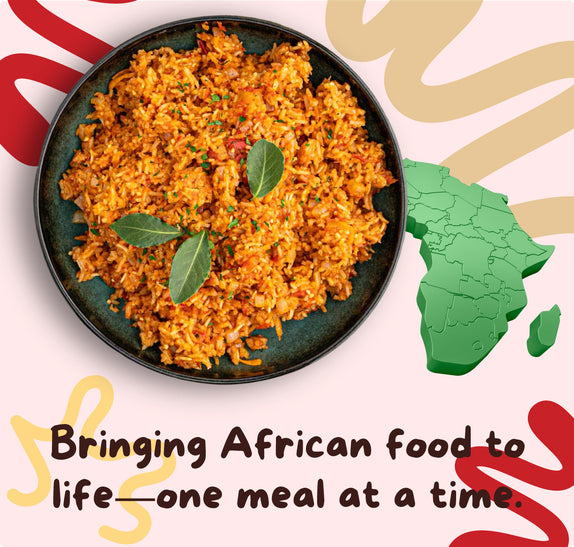
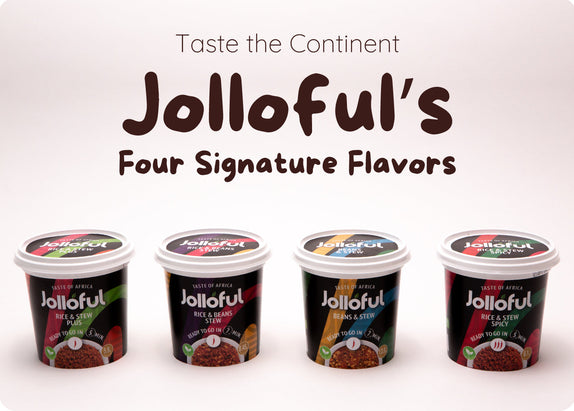
For Jolloful, speed is not the whole story. The goal is to put vibrant African flavours within reach on the days when time is tight, without watering down the cultural confidence behind the food. That means convenience with character - a meal that takes minutes, yet brings more to the table than a filler snack.
For diaspora households, that can mean a familiar flavour waiting in the cupboard when life is moving fast. For curious first-time eaters, it can be an easy, welcoming entry into African food without needing specialist shopping or hours in the kitchen. Both matter. Great food should be accessible, but it should also be represented with pride.
Keep a few meal cups where your life tends to get busiest: in the office drawer, the kitchen cupboard, your student room or the bag you pack for long days out. When hunger arrives with no time to spare, the right meal is not just the fastest one. It is the one that still gives you something worth sitting down for.



Leave a comment