
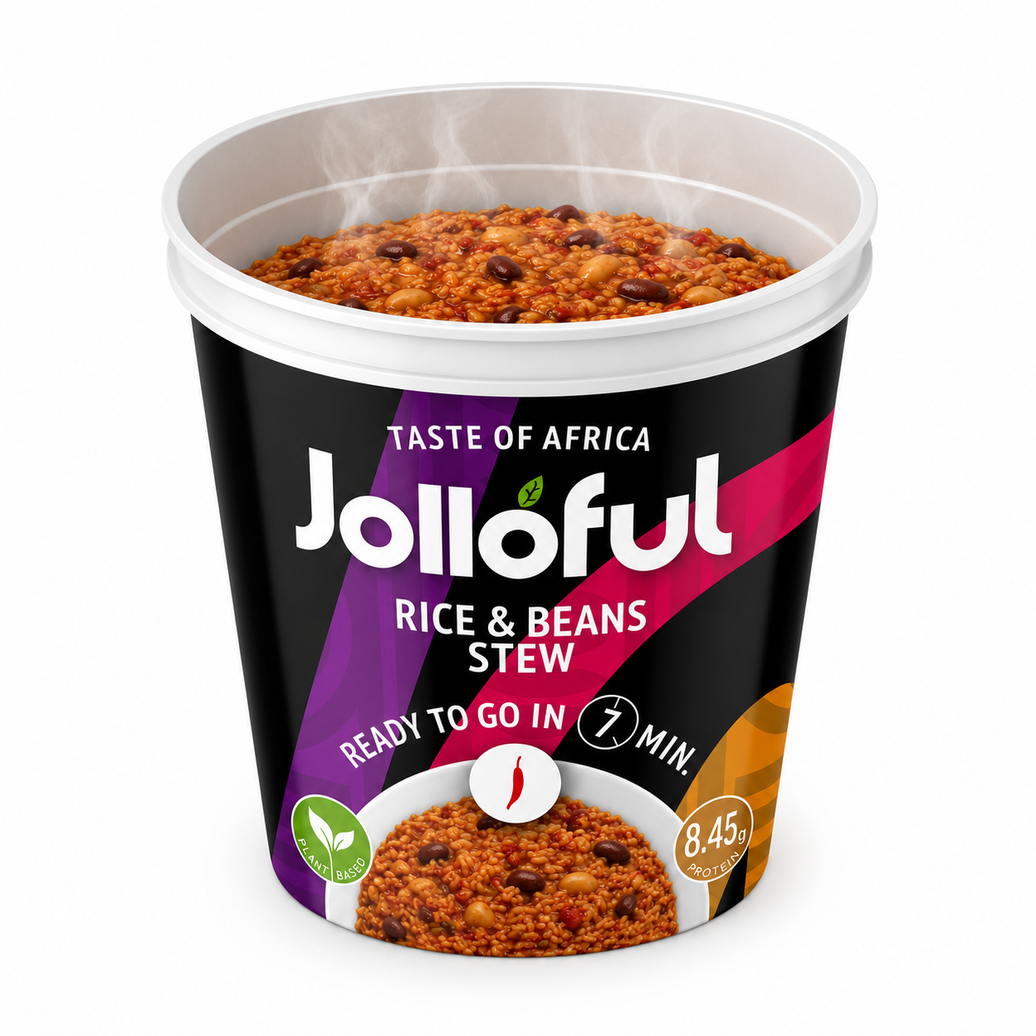
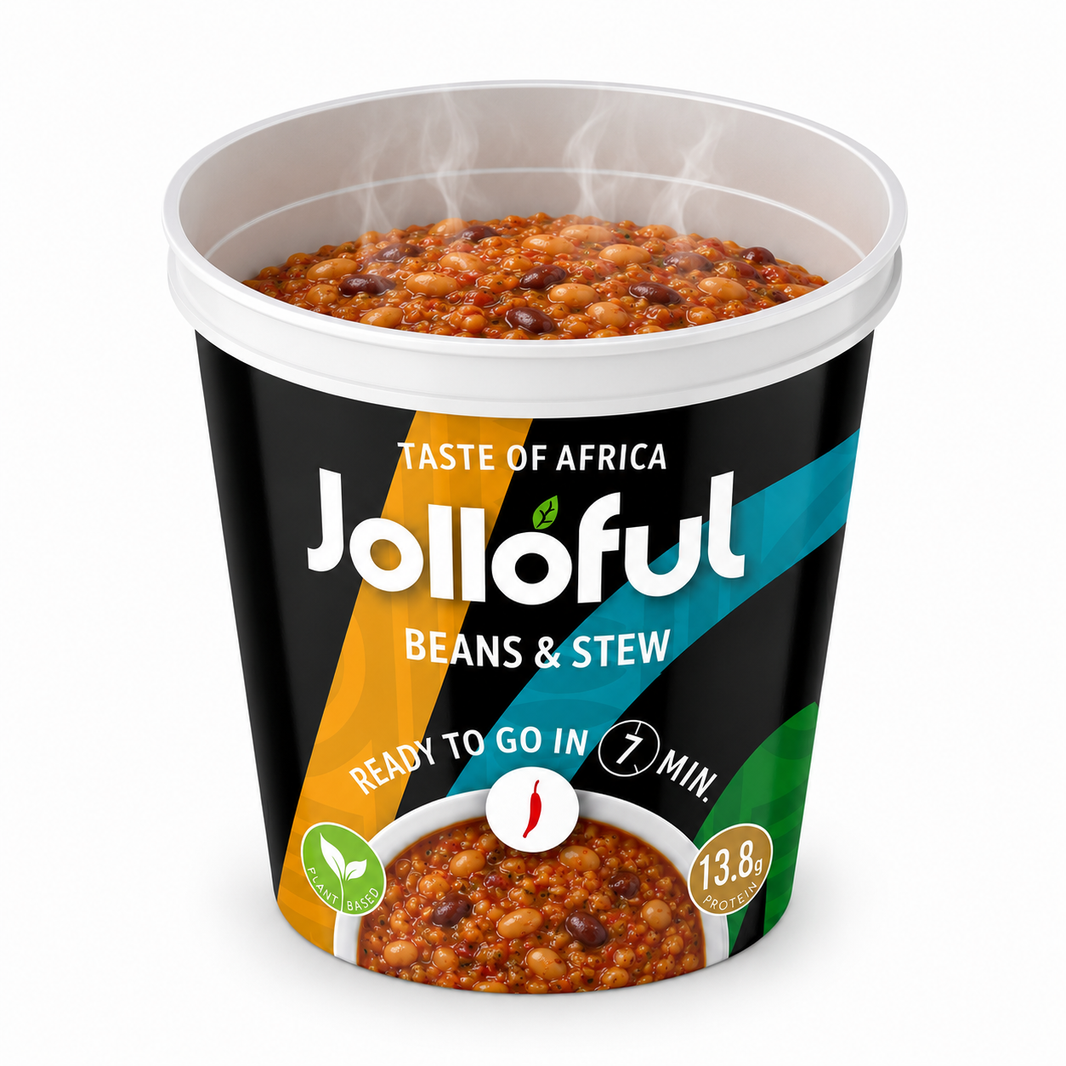
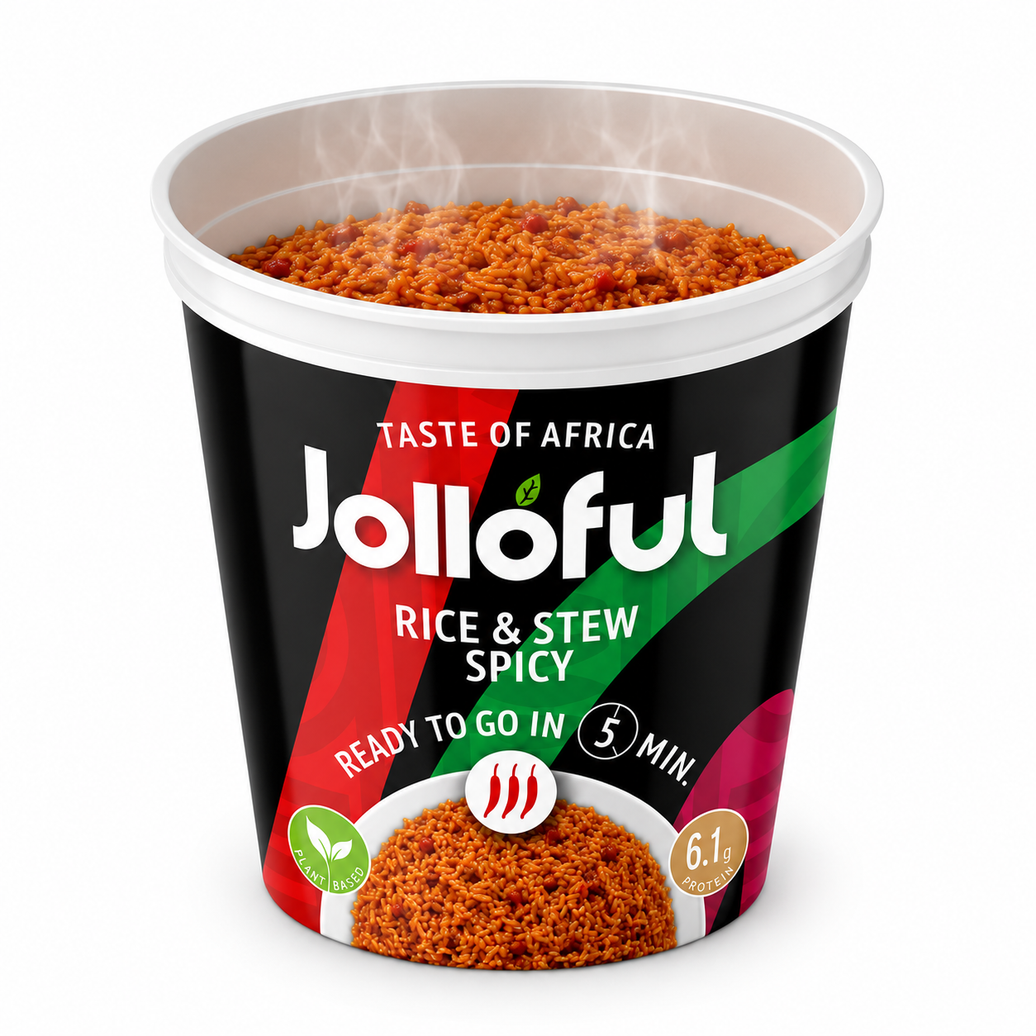
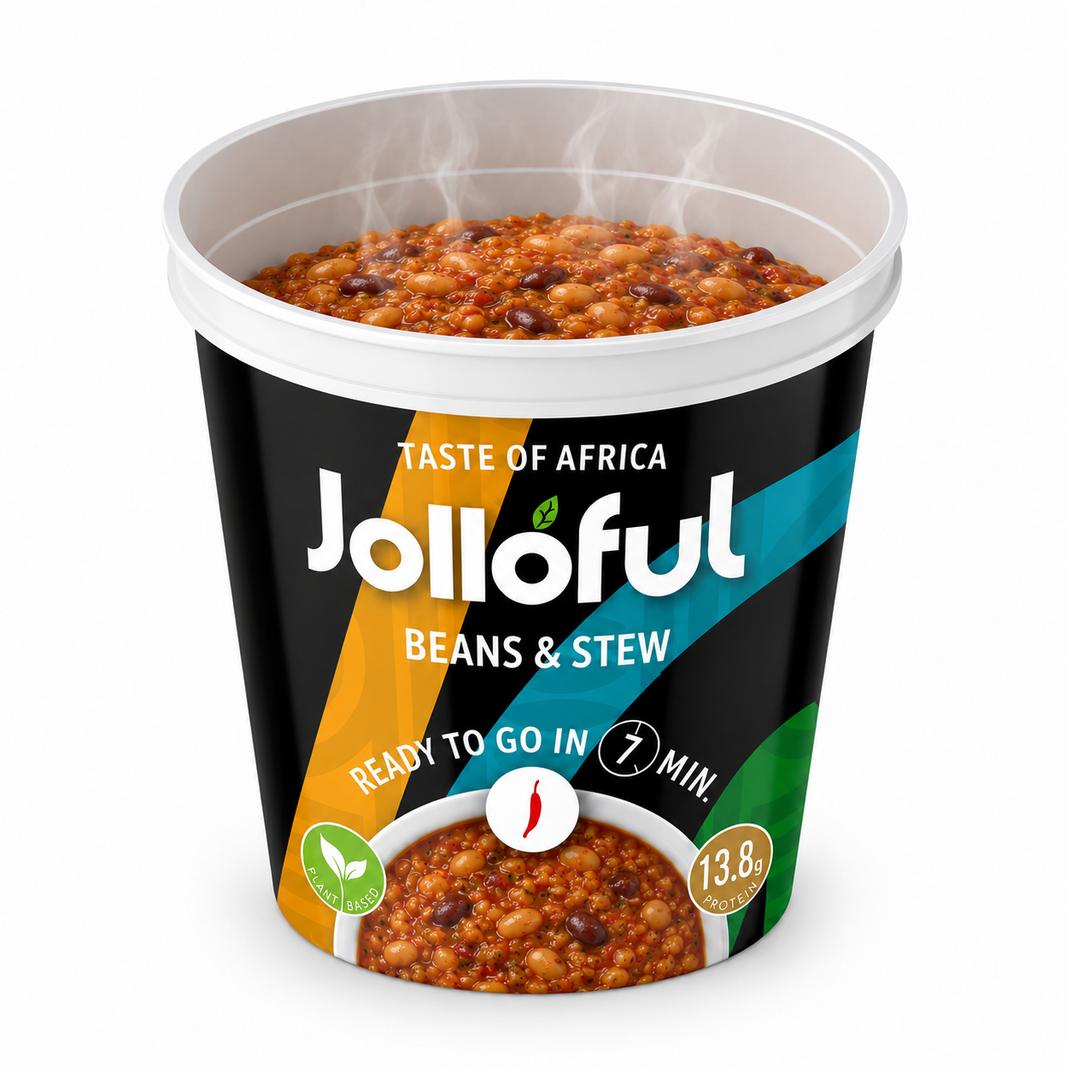

Order your 8-pack / 12 pack box today
A quick meal should not leave you choosing between getting on with your day and eating something that feels worthwhile. That is where meal cup nutrition deserves a closer look. The pot may be small and the prep may take minutes, but what is inside still needs to do the work: satisfy hunger, bring real flavour and fit into the way you actually eat.
Convenience food has spent years setting the bar too low. Bland starch, a long ingredient list and enough salt to make you reach for a litre of water is not a meal standard. It is simply fast. A better meal cup can be fast too, while offering ingredients you recognise, bold seasoning and nourishment that holds up beyond the first few bites.
What meal cup nutrition should tell you
A nutrition panel is useful, but it is only one part of the picture. Calories, protein, fat, carbohydrates, fibre and salt all matter, yet none of them tells the whole story alone. A meal with a respectable calorie number can still be light on protein and fibre, leaving you hungry again before your next meeting. Equally, a meal that is more calorie-dense may be a sensible lunch if it has a satisfying balance of grains, pulses, vegetables and flavour.
Start by checking whether the stated serving size is the full pot. Meal cups are usually designed as one portion, but never assume. If the label lists values for half a pack and you eat the whole thing, every number needs to be doubled. It is a small detail that changes the conversation quickly.
Then look at the meal as food, not just figures. Does it include a source of protein? Are pulses, grains or vegetables named in the ingredients? Is the flavour built with spices and herbs, or does most of the work come from sugar, flavourings and salt? Clean labels are not about chasing perfection. They are about knowing what you are eating and feeling good about making it part of your routine.
Protein helps a meal feel like a meal
Protein supports fullness, which is particularly useful when lunch has to carry you through a busy afternoon. The right amount depends on your appetite, activity and what else you eat across the day. There is no magic number that works for everybody.
Still, a meal cup with meaningful protein is often more satisfying than one built almost entirely around refined carbohydrates. Lentils, beans and peas can contribute protein while bringing texture and character. If your chosen meal is lighter on protein, make it work harder by pairing it with yoghurt, eggs, tofu, fish or a handful of roasted chickpeas, depending on your preferences.
Fibre is the quiet difference-maker
Fibre does not always get the attention it deserves. It helps support digestion and can make a quick meal feel more sustaining. Whole grains, beans, lentils, vegetables and seeds are familiar sources, and they also bring variety to a bowl that might otherwise feel one-note.
Not every meal cup needs to deliver your entire day’s fibre. That is not the point. What matters is the pattern. If your cupboard is stocked with convenient meals that contain pulses, vegetables and grains, it is easier to build a better week without turning lunch into a project.
Salt needs context, not panic
Shelf-stable meals often contain more salt than a meal cooked from scratch, and that is worth paying attention to. Salt has a role in preservation and, frankly, in flavour. But it should not be doing all the flavour work.
Check the salt value per pot and consider the rest of your day. If you have a saltier meal at lunch, choose fresher, less salty options later and drink water as normal. For people managing high blood pressure or following clinical dietary guidance, the label matters even more and personal advice should come first. The goal is informed choices, not fear around a single meal.
Read the ingredients like a food lover
The ingredient list is where a meal reveals its priorities. Shorter is not automatically better, but a list you can understand is usually a good sign. You want to see foods and seasonings that earn their place: grains, beans, vegetables, tomatoes, onions, peppers, herbs and spices.
The order matters too. Ingredients are generally listed from the greatest amount to the least. When recognisable staples appear near the beginning, that is a stronger signal than a label led by fillers. A meal can be shelf-stable and still be rooted in real cooking traditions. Those ideas are not opposites.
Be thoughtful with claims such as “high protein”, “low fat” or “reduced salt”. They can be helpful shortcuts, but they are not a full nutrition verdict. A low-fat option may still lack fibre. A high-protein option might not be enough for your appetite on its own. The best choice depends on whether you need a light desk lunch, a filling post-gym meal or an easy dinner after a late commute.
Fast food can still have cultural depth
African food is not a novelty flavour dusted over an anonymous instant meal. It is a vast collection of living cuisines, shaped by regions, ingredients, family tables and generous use of seasoning. When a meal cup takes inspiration from that depth, nutrition and authenticity should travel together.
That means a quick meal can bring warmth from spice, richness from pulses and grains, and the kind of flavour that makes you pause between bites. It should feel like food with a point of view, not a compromise hidden behind convenience packaging.
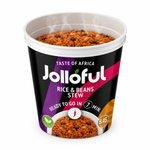
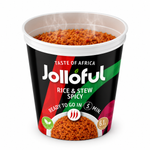
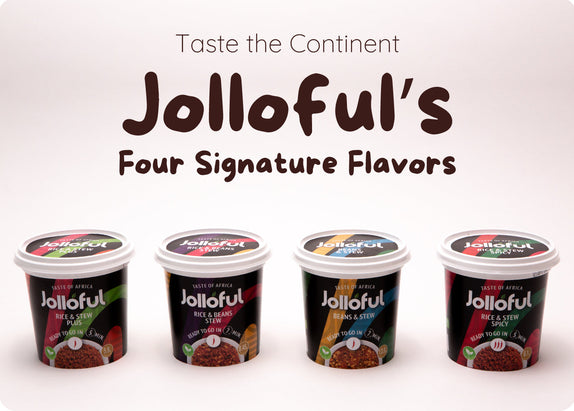
For diaspora households, that can mean a practical connection to familiar tastes on the days when cooking from scratch is not realistic. For anyone new to African flavours, it offers an easy first step that does not flatten the culture into something timid. Jolloful approaches quick meals with that standard in mind: real food, rooted in culture, ready when life is moving quickly.
How to make a meal cup more complete
Some days, the pot is exactly what you need. Other days, a few simple additions turn it into a more substantial plate. There is no need for a complicated upgrade ritual. Think about what is missing and add one useful thing.
If you need more protein, add an egg, some leftover chicken, tofu or beans. If you want more crunch and freshness, serve it alongside cucumber, tomatoes, salad leaves or sliced peppers. If you are especially hungry, fruit, yoghurt or a piece of wholegrain toast can round out the meal without competing with its flavours.
This is also a helpful way to use meal cups as part of family life. A parent may add extra vegetables to their own portion, while a student might build a more filling dinner with a protein side. The pot provides the flavour base and speed; your appetite decides the rest.
The nutrition question worth asking
Instead of asking whether meal cups are “good” or “bad”, ask a more useful question: does this meal help me eat well on the day I am actually having? A shelf-stable option is valuable when it stops you skipping lunch, ordering something forgettable or settling for a snack that never satisfies.
The strongest choices make convenience feel generous. They offer clear ingredients, satisfying texture, confident flavour and nutrition that makes sense in the context of your whole day. Keep a few options you genuinely look forward to eating in the cupboard. When time is short, that small act of planning can make real food the easiest choice.




Leave a comment