
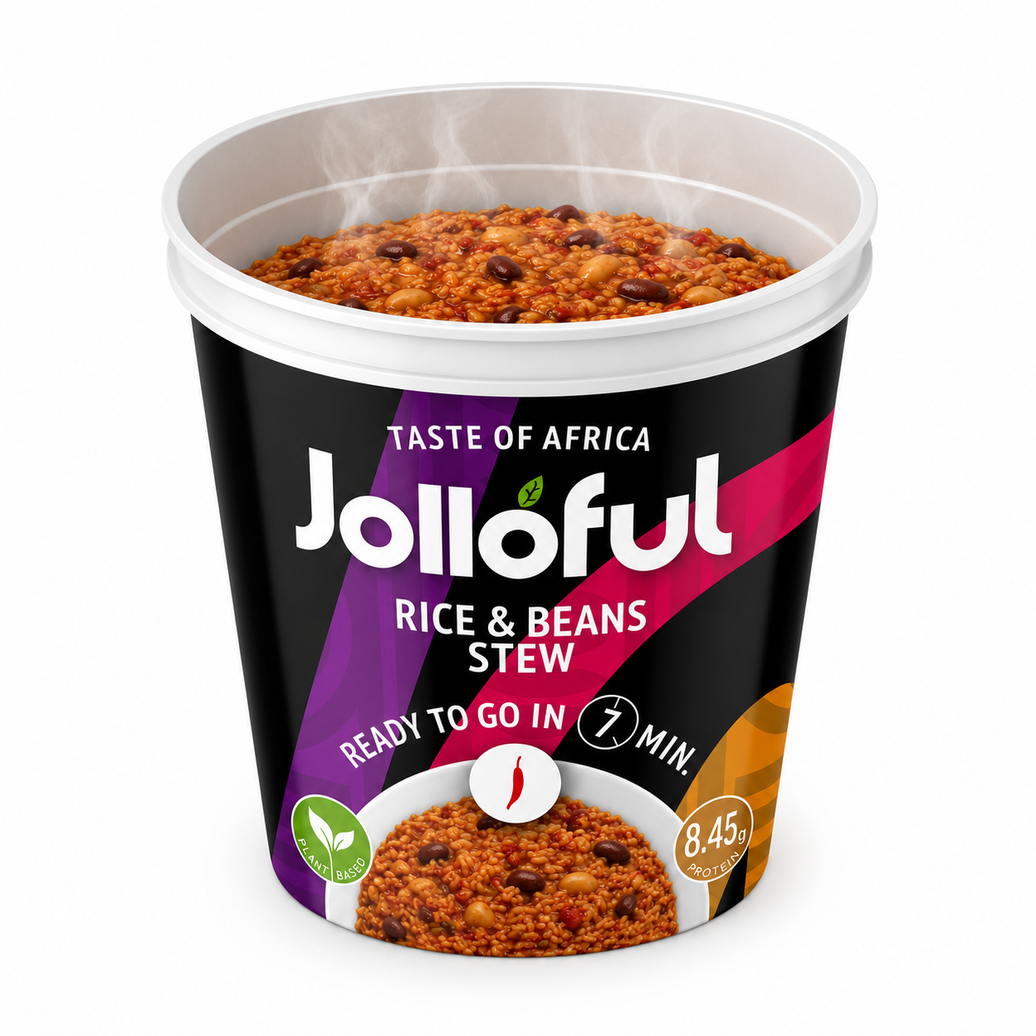
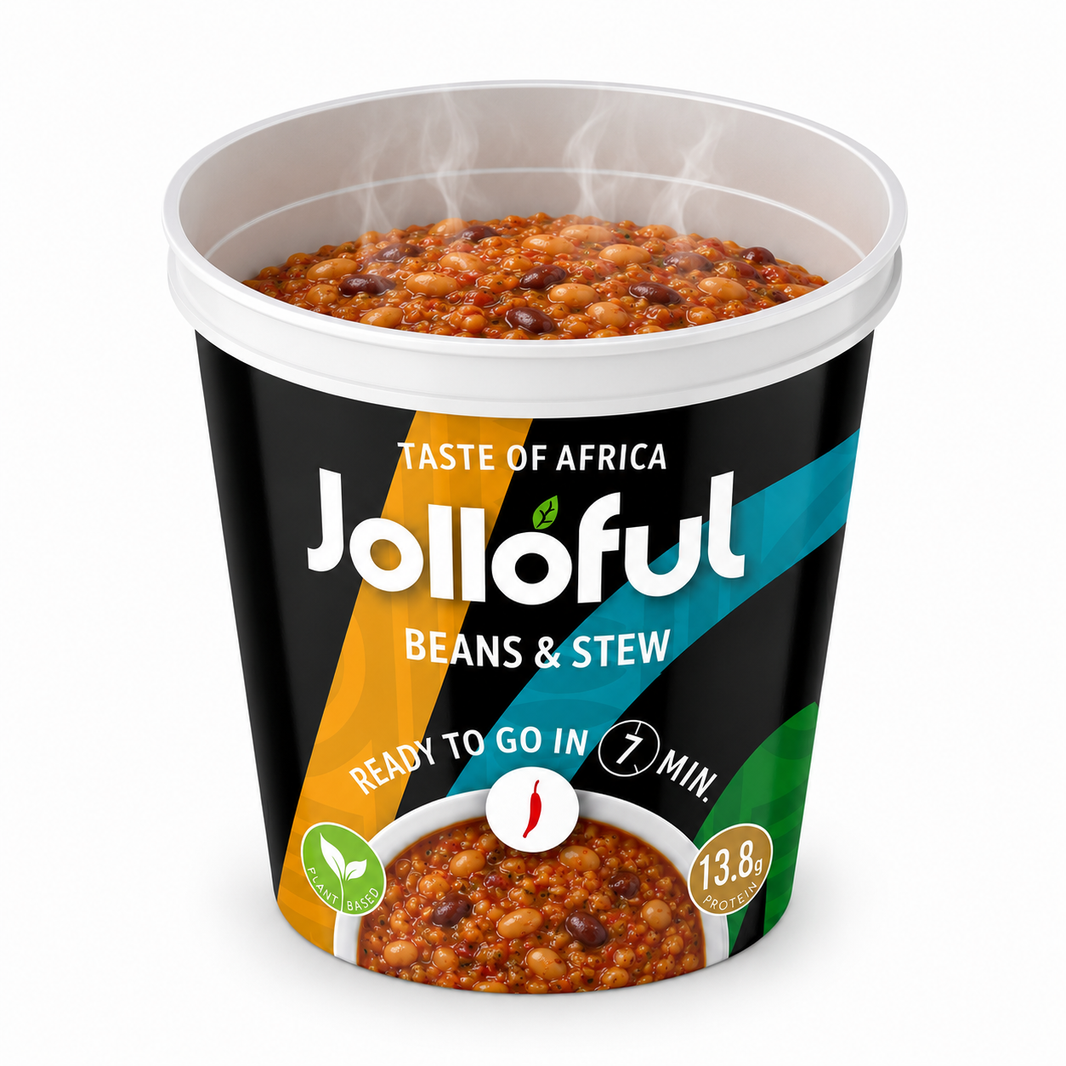
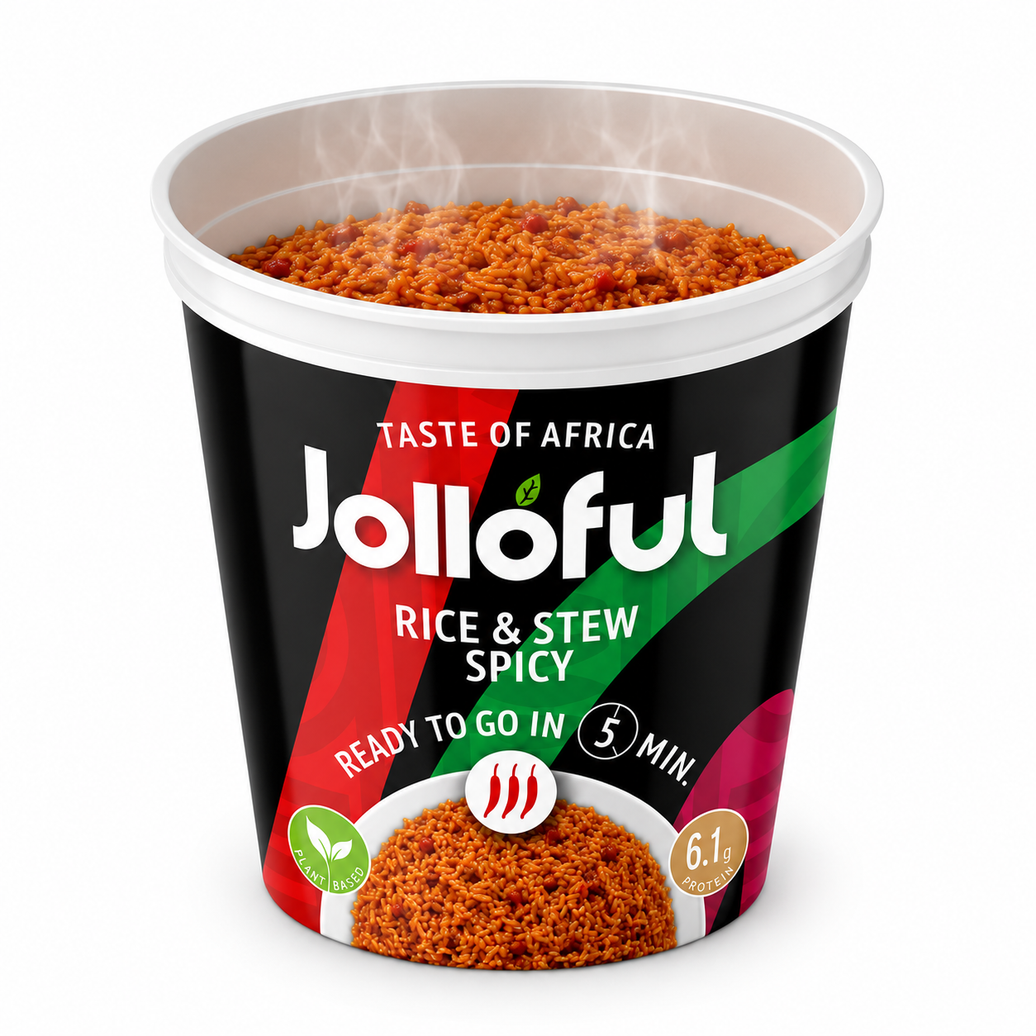
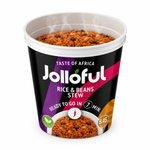
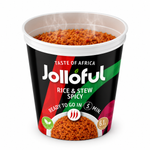

Order your 8-pack / 12 pack box today
Modern African cuisine is not a trend waiting for permission. It is a living, fast-moving food culture shaped by regions, families, migration, street food, home kitchens and serious culinary imagination. For anyone tired of beige convenience meals, it offers something far better: bold flavour, real depth and food with a point of view.
That matters when dinner has to happen between a late meeting, the school run, the gym and everything else competing for your evening. Good food should not require hours of prep or a specialist shop. But quick food should still taste like somebody cared.
What modern African cuisine really means
Modern African cuisine is not one recipe book, one flavour profile or one country’s food presented as a whole continent. Africa is vast, and its culinary traditions are richly regional. West African pepper sauces, North African spice blends, East African grain dishes and Southern African braai traditions all carry their own histories, ingredients and techniques.
The modern part is about how those traditions meet contemporary life. It can look like a family recipe adapted for a smaller kitchen, a chef using local British produce alongside familiar African spices, or a shelf-stable meal that brings proper flavour to a desk lunch. The best versions do not water anything down to seem more familiar. They make the food easier to enjoy while respecting where it comes from.
That distinction is worth holding onto. Fusion can be exciting when it is thoughtful, but it can also flatten a cuisine into a vague idea of heat, colour and novelty. Modern African food is strongest when the roots are clear and the innovation has a reason.
Big flavour is built, not added at the end
One reason African food has such staying power is its approach to layering flavour. Aromatics, herbs, dried spices, fermented ingredients, peppers, tomatoes, onions, nuts, pulses and grains can each play a role. Heat may be present, but heat alone is never the whole story.
A properly seasoned dish can be smoky, savoury, bright, earthy and warming at once. That complexity is what makes a meal feel satisfying, even when it is quick to prepare. It is also why a simple-looking bowl can hold your attention longer than a heavily processed ready meal packed with salt but short on character.
For first-time eaters, there is no need to prove anything by choosing the hottest option available. Start with the flavour profile that sounds most appealing: tomato-rich and savoury, nutty and warming, fragrant and herby, or gently spiced with a deeper chilli finish. Spice tolerance is personal. Great flavour is not a competition.
Convenience should not mean compromise
Convenience food has spent too long asking people to accept blandness as the price of speed. If it is fast, the thinking goes, it must be artificial, overly salty or forgettable. That is a low bar, and modern African cuisine does not need to accept it.
A well-made shelf-stable meal can be practical without being a shortcut in flavour. It can use recognisable ingredients, avoid artificial colour and added preservatives, and still be ready with hot water in minutes. For students, office workers, travelling professionals and parents managing a full household, that changes the everyday equation.
The trade-off is straightforward: a quick meal will not replicate every detail of a slow-cooked dish made over several hours. Nor should it pretend to. What it can do is deliver the core flavour, warmth and cultural confidence of the dish in a format that fits the day you actually have.
That is the space Jolloful is built for: real food rooted in culture, ready when life is moving fast. It is not about making African food smaller. It is about making access bigger.
Why representation belongs in the pantry
Food is one of the quickest ways people recognise home. For diaspora households, familiar flavours can bring comfort after a long week, spark a memory of family cooking or offer children a taste of something meaningful without turning a weekday meal into a production.
For people who are new to African food, accessible formats matter too. Curiosity is easier to follow when the barrier is low. You should be able to try a richly seasoned meal without needing to track down a dozen unfamiliar ingredients, learn a technique from scratch or reserve the experience for a special occasion.
That accessibility should never come at the cost of credibility. Representation is not simply putting an African-inspired label on a generic product. It means recipes informed by real culinary traditions, ingredients chosen for a reason, and a voice that treats the food as central rather than exotic.
There is room for discovery and familiarity at the same table. A flatshare can have one person reconnecting with flavours they grew up with while another tries them for the first time. Both deserve food that feels considered.
How to make African flavours part of your routine
The easiest way to enjoy modern African food more often is to stop treating it as an event. Keep flavourful options in the cupboard for the nights when cooking from scratch is unrealistic. Add a simple side when you have time: sliced cucumber, a handful of greens, roasted vegetables or a fried egg can make a quick meal feel more substantial.
If you are cooking, build confidence through repetition rather than chasing perfection. Learn what a base of onion, garlic, tomato, pepper and spice can do. Try beans, lentils, plantain, leafy greens, grilled fish or chicken alongside a grain or starchy side. Taste as you go, and adjust the chilli to suit your household.
It also helps to buy with intention. A clean label is not a magic phrase, but it gives you useful information. Look for ingredients you can recognise, seasoning with purpose and food that sounds like food. If a product promises cultural flavour, it should be able to deliver more than a vague burst of spice.
The future is broader, not blander
Modern African cuisine is gaining visibility because people are hungry for more than convenience. They want meals that travel well, work hard and taste alive. They want cultural food presented with pride, not reduced to a passing craze or softened until it loses its identity.
The opportunity is not to make every dish appeal to everyone. Some people will want more chilli; others will want milder heat. Some will seek a nostalgic taste of home; others will be starting from zero. The goal is to offer honest choices, clear flavour and an open invitation.
Make room in your cupboard for food that brings more than speed. The best quick meal is not the one that disappears from memory. It is the one that gives an ordinary Tuesday a little more flavour, warmth and possibility.


Leave a comment