

Ask ten people what African food tastes like and you will probably hear one dish, one country, or one stereotype repeated back. That is exactly why the question what is traditional African cuisine matters. It is not one flavour, one ingredient, or one cooking style. It is a vast, deeply rooted food culture shaped by region, climate, trade, migration, faith, and family tradition.
For anyone used to supermarket shortcuts and beige convenience meals, traditional African cuisine can feel like a revelation. It is built on real ingredients, layered seasoning, slow-developed flavour, and food that means something beyond filling a plate. It is everyday cooking with history in it.
What is traditional African cuisine really?
Traditional African cuisine refers to the long-established foodways of the African continent, including the ingredients people grow locally, the techniques they pass down, and the dishes tied to daily life, celebration, community, and survival. That sounds broad because it is broad. Africa has more than 50 countries, thousands of ethnic groups, and a huge range of landscapes, from coastlines and rainforests to savannah and desert.
So the honest answer is this: there is no single traditional African cuisine. There are many. West African stews, North African tagines, East African grilled meats, Southern African pap, Central African cassava-based dishes - all of these are traditional, all of them are African, and none of them can stand in for the whole continent.
That variety is part of the point. When people flatten African food into one idea, they usually miss what makes it special in the first place.
The foundations of traditional African cuisine
Across regions, some patterns show up again and again. Traditional African cooking is often built around staple carbohydrates, richly seasoned sauces or stews, pulses, grains, vegetables, and grilled or braised proteins. In many homes, meals are designed to be satisfying, practical, and shared.
Staples vary by place. In some areas, rice is central. In others, it is millet, sorghum, yam, cassava, maize, plantain, teff, or wheat. These are not side notes. They shape the texture and rhythm of a meal. A stew eaten with fufu lands differently from one served over rice or alongside flatbread.
Seasoning matters just as much. African cuisine is not defined by heat alone, though chilli has an important role in many regional dishes. Depth often comes from onions, ginger, garlic, fermented ingredients, dried fish, tomatoes, peanuts, palm oil, herbs, and spice blends that balance warmth, earthiness, sweetness, smoke, and savoury richness.
This is one reason the food feels so complete. It is not chasing novelty. It is building flavour with confidence.
Regional diversity matters
If you are asking what is traditional African cuisine, the most useful next step is to think regionally rather than generally.
West Africa
West African food is known for bold seasoning, hearty stews, rice dishes, beans, and starchy accompaniments such as fufu, eba, and pounded yam. Jollof rice is one of the most recognised dishes internationally, but it sits within a much broader culinary tradition that includes groundnut stews, pepper soups, waakye, moi moi, egusi, and richly layered tomato-based sauces.
This is a region where flavour does not apologise. Heat, smoke, umami, and spice often work together. Meals can be festive, but they are also practical and deeply everyday.
East Africa
East African cuisines often feature grilled meats, lentils, fragrant rice dishes, flatbreads, and spiced tea. In Ethiopia and Eritrea, injera and stews create a distinct dining style centred on sharing. Along the Swahili Coast, food reflects centuries of trade, with coconut, rice, cardamom, cloves, and other spices shaping the table.
Compared with some West African dishes, the heat level may be softer in certain areas, but the flavour complexity is no less serious.
North Africa
North African cuisine is often the most familiar to European audiences, partly because dishes like couscous and tagine have travelled widely. Traditional cooking here draws on grains, legumes, olive oil, preserved ingredients, dried fruit, lamb, and aromatic spices such as cumin, coriander, cinnamon, and saffron.
It is worth saying, though, that North African food is not more representative of Africa than any other region. It is one important part of a much bigger picture.
Central and Southern Africa
Central African cuisines make wide use of cassava, plantains, leafy greens, peanuts, freshwater fish, and slow-cooked sauces. In Southern Africa, maize meal appears in dishes such as pap, often served with meat, gravy, vegetables, or chakalaka. Grilling also plays a strong role, as do stews and dishes shaped by Indigenous, colonial, and migrant food histories.
The exact ingredients change, but the emphasis on substance, flavour, and communal eating remains familiar.
Traditional African cuisine is shaped by local ingredients
One of the biggest misunderstandings about African food is that its dishes are random combinations of spice and starch. In reality, traditional African cuisine is highly responsive to environment. People cook with what grows well, stores well, travels well, and nourishes families affordably.
That means cassava where cassava thrives. Millet where rainfall is lower. Coconut near the coast. Groundnuts in regions where they are abundant. Fish by lakes and shorelines. Greens, beans, and grains where they support everyday cooking.
This matters because authenticity is not about freezing food in time. It is about understanding why a dish exists in the form it does. Traditional food is practical as well as cultural. It reflects farming, trade routes, seasonality, and the realities of home life.
More than recipes - it is also how food is eaten
Traditional African cuisine is not just a set of dishes. It is also a way of eating and gathering. In many cultures, food is shared from common dishes, eaten by hand, or served in a rhythm where starch and sauce belong together rather than separately.
That changes the experience. Texture matters more. Balance matters more. A dish may be designed to scoop, dip, stretch, or soak. It may be prepared for a ceremony, a weekend family meal, or a quick weekday supper that still carries the feel of home.
For diaspora households in the UK and across Europe, these foods often hold emotional weight. They are not simply tasty. They connect generations, places, and memory. For people new to African food, that same sense of meaning can make the meal feel more human and grounded than standard convenience fare.
Common myths about traditional African cuisine
A few myths keep showing up, and they are worth clearing out.
The first is that African food is all the same. It is not. Saying that is like treating all European food as one cuisine.
The second is that it is always extremely spicy. Some dishes bring serious heat, others focus more on savoury depth, fragrance, tang, or gentle warmth. It depends on the region, the household, and the dish.
The third is that traditional means old-fashioned or inaccessible. Not at all. Traditional recipes can absolutely meet modern life. The real question is whether convenience keeps the soul of the dish intact. That is where ingredient quality and recipe integrity matter.
The fourth is that African food is heavy. Some meals are rich and comforting, as they should be. Others are bright, vegetable-led, grilled, fermented, or built around legumes and grains. There is no single nutritional profile.
Why the question matters now
More people in Britain, Ireland, Germany and across Europe want food that is quick but still tastes real. They are tired of convenience meals that feel industrial, bland, or nutritionally thin. That shift creates space for African cuisine to be seen more clearly - not as a niche curiosity, but as serious food with depth, range, and everyday relevance.
That is also why shelf-stable African meals done properly matter. They can lower the barrier for first-time eaters while giving diaspora customers something closer to the flavours they actually want. If a modern format respects the dish, uses real ingredients, and avoids the usual instant-food shortcuts, it can bring traditional flavours into busy schedules without flattening them.
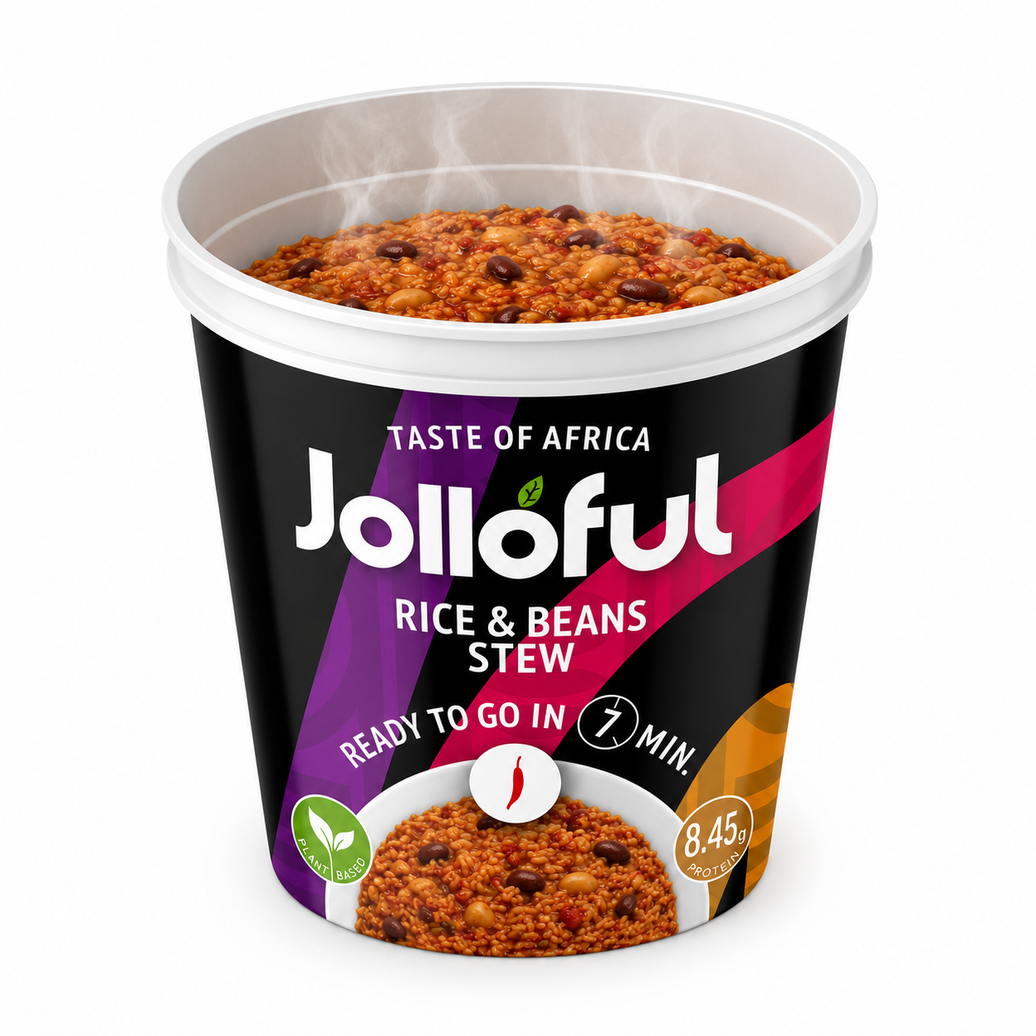
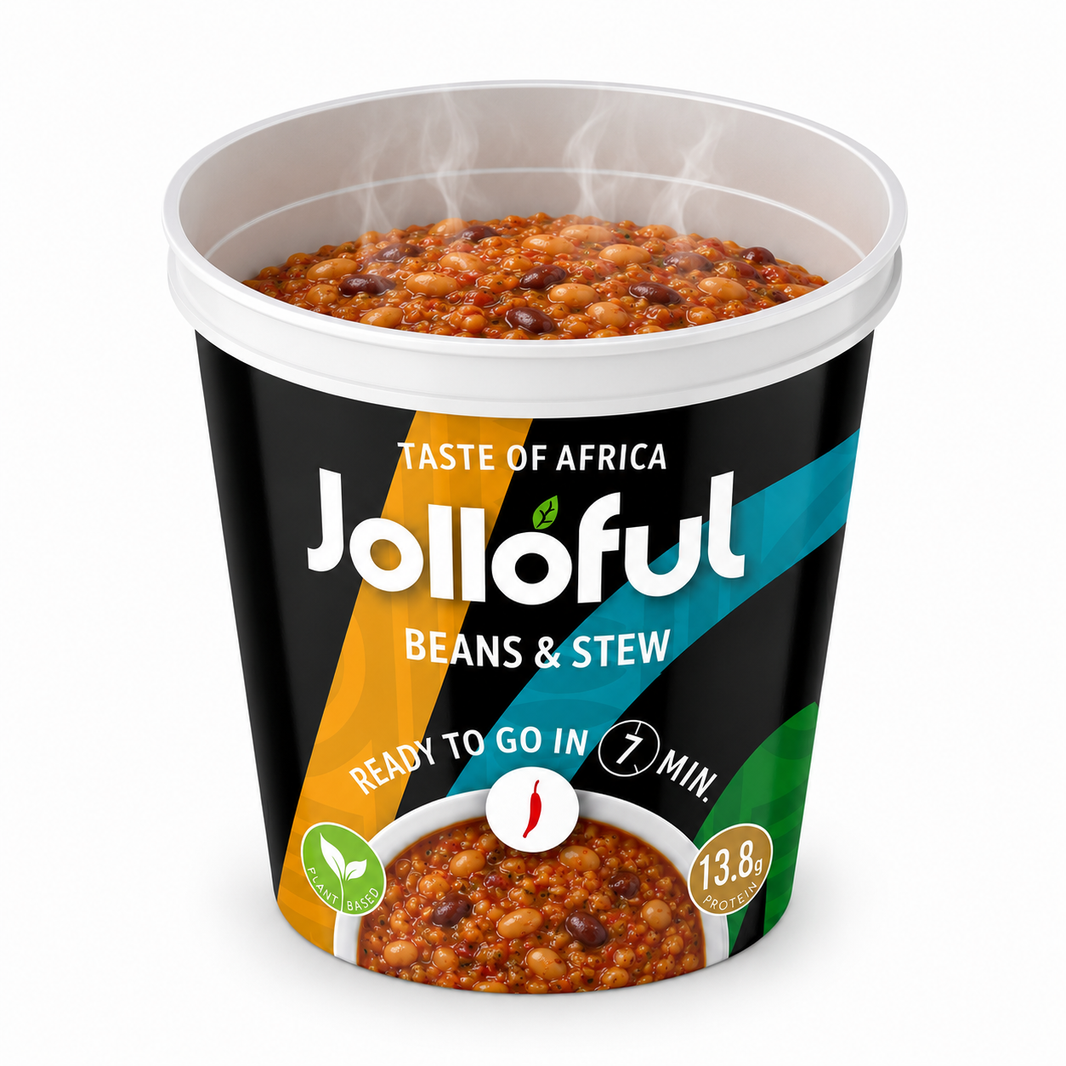
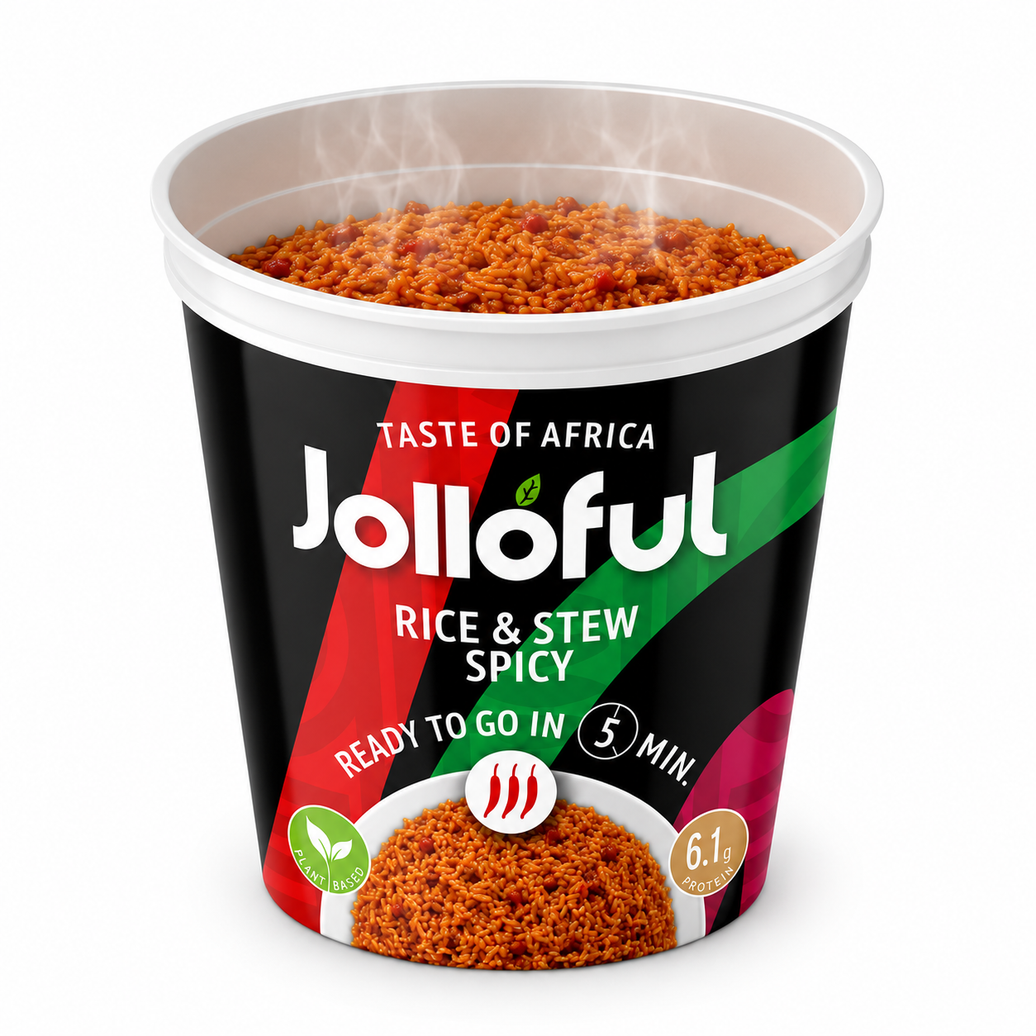
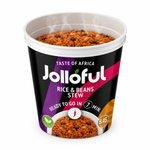
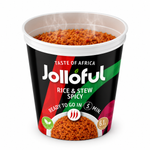
Jolloful sits in that modern lane - fast to make, rooted in culture, and miles away from the sad instant cup category people are trying to escape.
So, what is traditional African cuisine?
It is regional, layered, practical, celebratory, and impossible to reduce to one plate. It is food built from local staples and deep culinary knowledge. It is rice and stew, flatbread and lentils, grilled meat and spice, cassava and greens, slow sauces and shared meals. It is comfort food, festival food, family food, and everyday food.
Most of all, it is real food. The kind with identity, memory, and structure behind it. Once you understand that, African cuisine stops looking like a trend and starts being recognised for what it has always been - one of the world’s richest food traditions.
If you are curious, start with one dish and pay attention to what holds it together: the staple, the sauce, the seasoning, the balance. That is often where appreciation begins.
SHOP NOW>>> https://jolloful.com


Leave a comment