

A quick lunch does not have to taste flat, processed or forgettable. Traditional African meals have always known how to do more than fill a plate - they bring heat, depth, comfort and a real sense of place. For busy people who still want food with character, that matters.
What makes traditional African meals stand out?
African food is often flattened into a single idea, which misses the point completely. This is a continent of many culinary traditions, shaped by climate, trade, migration, local farming and family ritual. So when people talk about African food as if it were one cuisine, they usually mean they have only scratched the surface.
What links many traditional African meals is not one flavour profile or one ingredient. It is a way of cooking and eating that values substance, layered seasoning and meals that feel grounded in real life. Grains, rice, cassava, yam, beans, peppers, tomatoes, leafy greens, plantain, peanuts and spices all play a role, but they show up differently from one region to the next.
That variety is exactly why these meals continue to resonate. They are practical without being bland. They are often built from pantry staples, but they never feel cheap. And they carry memory - the kind tied to home kitchens, weekend gatherings and food that people actually look forward to.
Traditional African meals are not one thing
If your first thought is jollof rice, you are not wrong - but you are only at the beginning. West Africa alone offers a wide range of meals with distinct identities. Jollof rice is known for its rich tomato base and assertive seasoning, while waakye brings rice and beans together in a way that feels both everyday and deeply satisfying. Egusi soup, often eaten with pounded yam or other swallows, delivers texture and richness in a completely different register.
Move across the continent and the frame changes again. In East Africa, dishes built around maize, stews and grilled meat show another side of comfort and communal eating. In North Africa, spice blends, slow-cooked tagines and couscous bring a different rhythm to the table. Southern African meals may lean into pap, chakalaka or braaied meats, each rooted in its own history and local ingredients.
The point is not to force these traditions into a neat box. The point is to recognise that traditional African meals are broad, specific and proudly regional. That is a strength, not a complication.
Why these meals have lasted
Traditional food survives because it works. It tastes good, first of all, but that is only part of it. Many African dishes were shaped by everyday realities - feeding families, stretching ingredients wisely, creating meals with staying power and making simple produce taste extraordinary.
That is why you will find so much intelligence in the cooking. Heat is balanced with sweetness. Rich sauces are paired with starches that carry flavour well. Fermented ingredients, spice blends and slow building of flavour all create meals that feel complete rather than one-note.
There is also a social dimension. Many of these dishes are designed for sharing, serving and gathering. Even when eaten quickly on a weekday, they still carry that spirit. A bowl of properly seasoned rice, beans or stew can feel generous in a way many convenience meals never do.
The ingredients do the heavy lifting
One reason African meals remain so compelling is that they do not need artificial tricks to create impact. Tomatoes, onions, chillies, ginger, garlic, peppers, legumes and grains already bring complexity. Palm oil, groundnuts, smoked fish, fermented seasonings or warming spices can shift a dish from simple to unforgettable.
That matters more now than ever. Many shoppers in the UK and across Europe want quick food, but they are tired of ingredient lists that read like lab work. They want meals that feel closer to real cooking, even when time is short. Traditional African meals meet that expectation naturally because they were never built around fake flavour to begin with.
Of course, authenticity is not one rigid rulebook. Recipes vary by country, community and household. A dish your auntie makes in Lagos may not match the version someone swears by in Accra, and that is part of the beauty. Real food cultures are living things. They adapt, but they still know where they come from.
Why traditional African meals fit modern life
There is a tired assumption that convenience and authenticity sit on opposite sides of the table. They do not. People have always adapted cooking to the demands of their time. The difference now is that modern schedules are brutal, and many consumers are no longer willing to trade flavour and cultural integrity for speed.
This is where African food has a real opportunity. The boldness of the cuisine means it can hold its own in faster formats without losing identity. Rice dishes, bean dishes, stews and grain-based meals often translate well when prepared thoughtfully for modern routines. If the recipe is respected, the result can still feel rooted rather than watered down.
That does not mean every traditional dish should be reduced to a grab-and-go format. Some meals are at their best when cooked slowly, shared widely and eaten with time. But there is room for both. A food culture does not become less authentic because it meets people where they are.
For students, working parents and young professionals, that balance matters. You might want the warmth and familiarity of home, or you might be trying African food for the first time without wanting a complicated shopping list. Either way, accessibility is not the enemy. Done properly, it is an invitation.
What to expect if you are new to African food
Start with openness, not assumptions. African meals are not all fiery, and they are not all heavy. Some are bright and tomato-led, some nutty and rich, some smoky, some earthy, some clean and peppery. Texture matters just as much as spice. So does aroma.
If you are new to traditional African meals, rice dishes are often an easy place to begin because they are familiar in format but more layered in flavour than many people expect. Bean-based dishes are another good entry point, especially for anyone looking for a filling meal with real depth. From there, you can branch into soups, stews and starch pairings that show a wider range of how African food is actually eaten.
The main thing is not to approach the food as a novelty. Approach it as a serious cuisine with everyday relevance. That mindset changes the experience immediately.
Traditional African meals deserve better than the convenience aisle stereotype
Too much packaged convenience food asks you to lower your standards. Less flavour, less texture, less care, more additives. That trade-off has been normalised for years, and frankly, it is tired.
Traditional African meals challenge that logic. They prove that fast food can still be real food, and that shelf-stable does not have to mean lifeless. That is especially meaningful for diaspora consumers who have spent years watching their cuisines either ignored or reduced to caricature. But it also matters for mainstream shoppers who want better options than another sad pot of noodles.
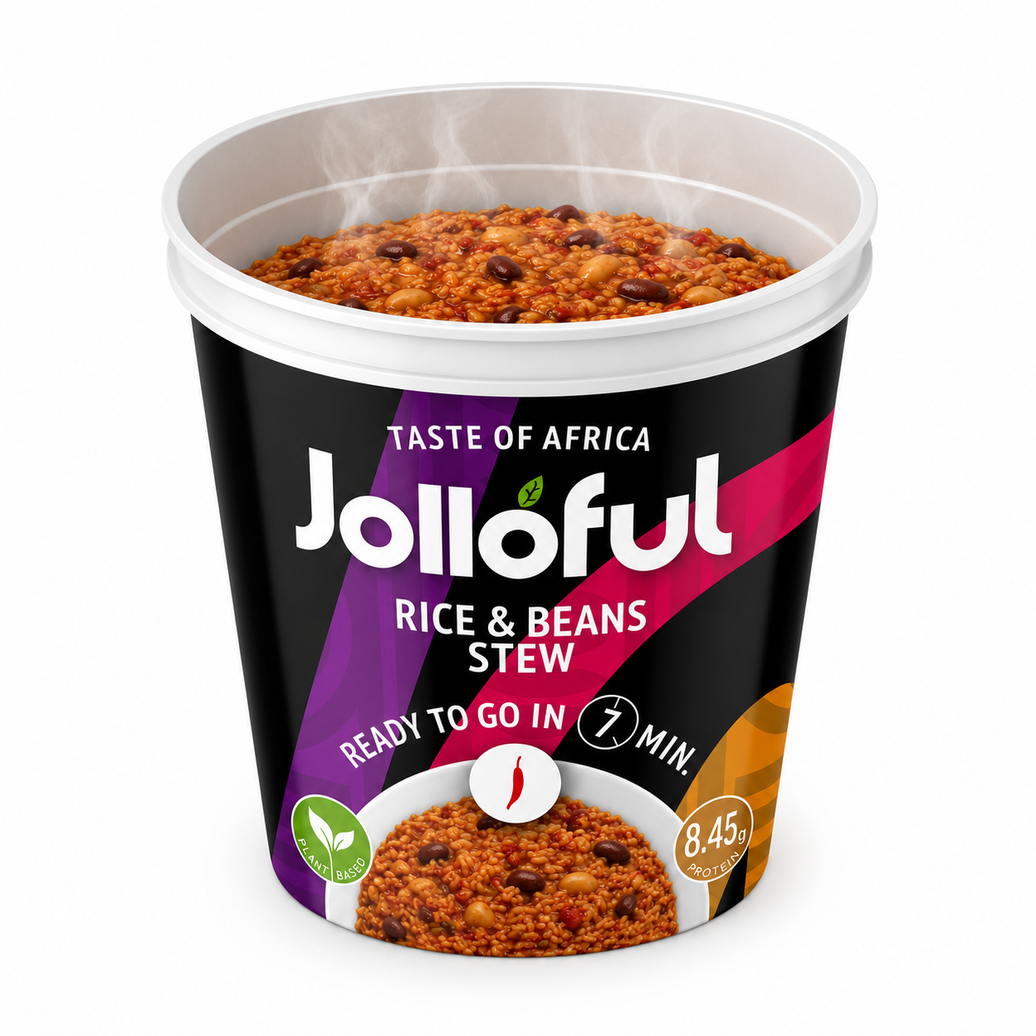
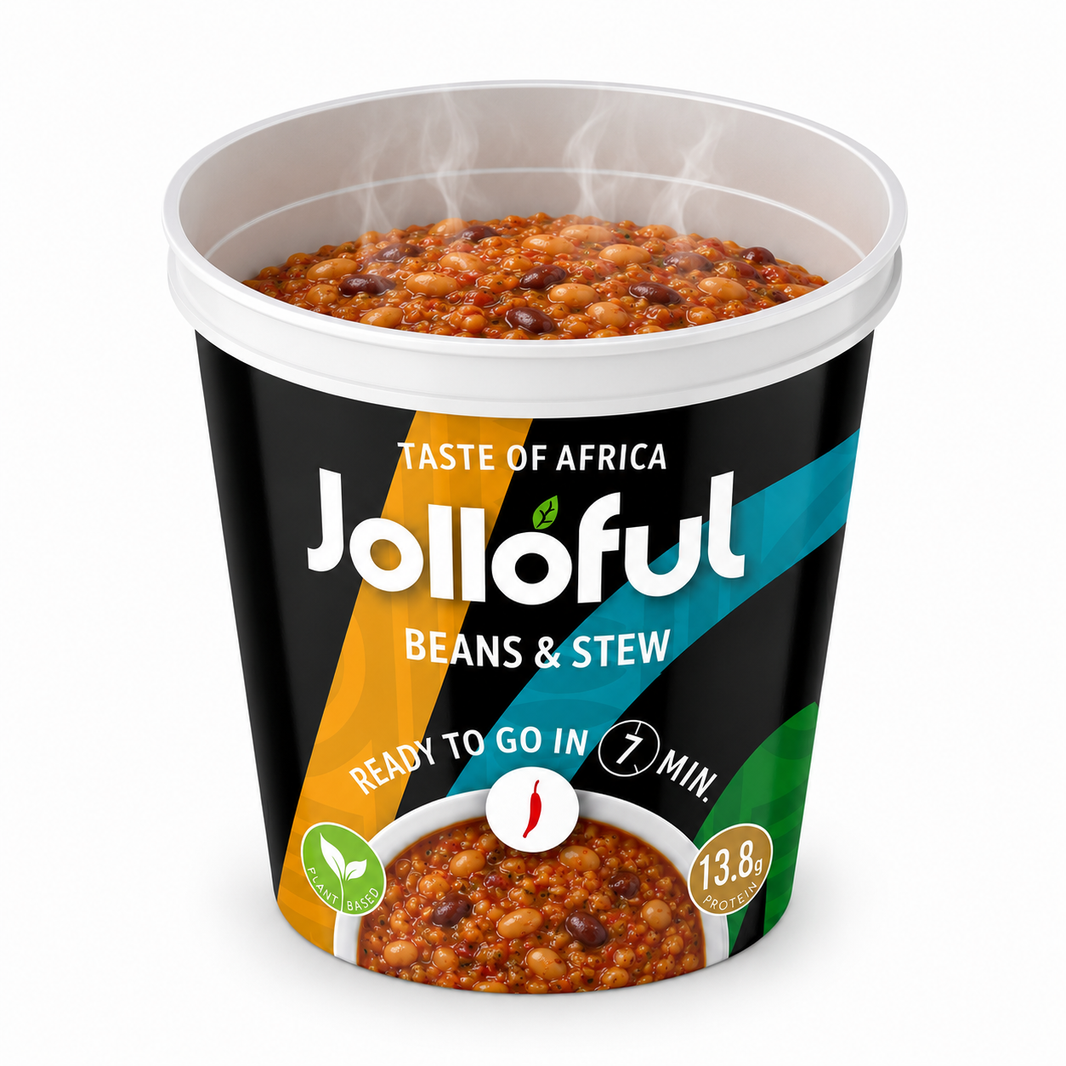
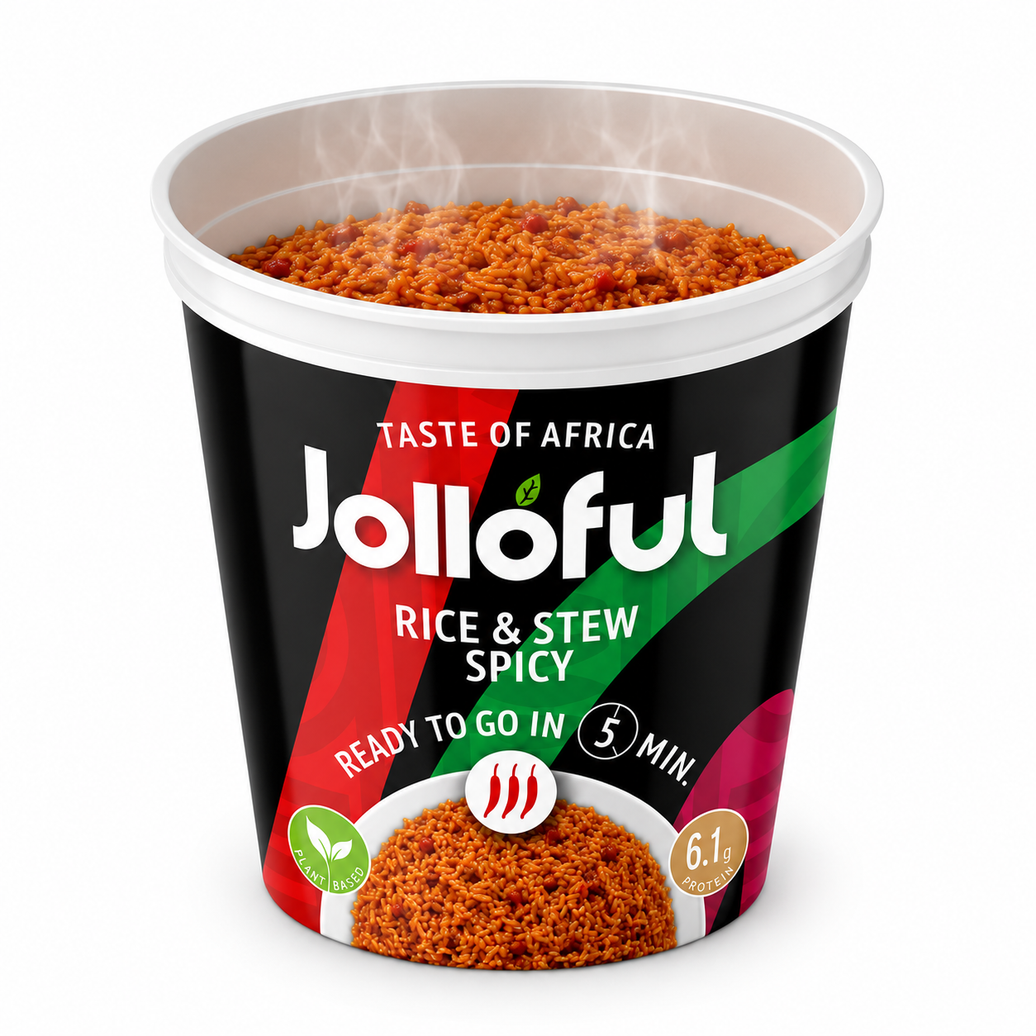
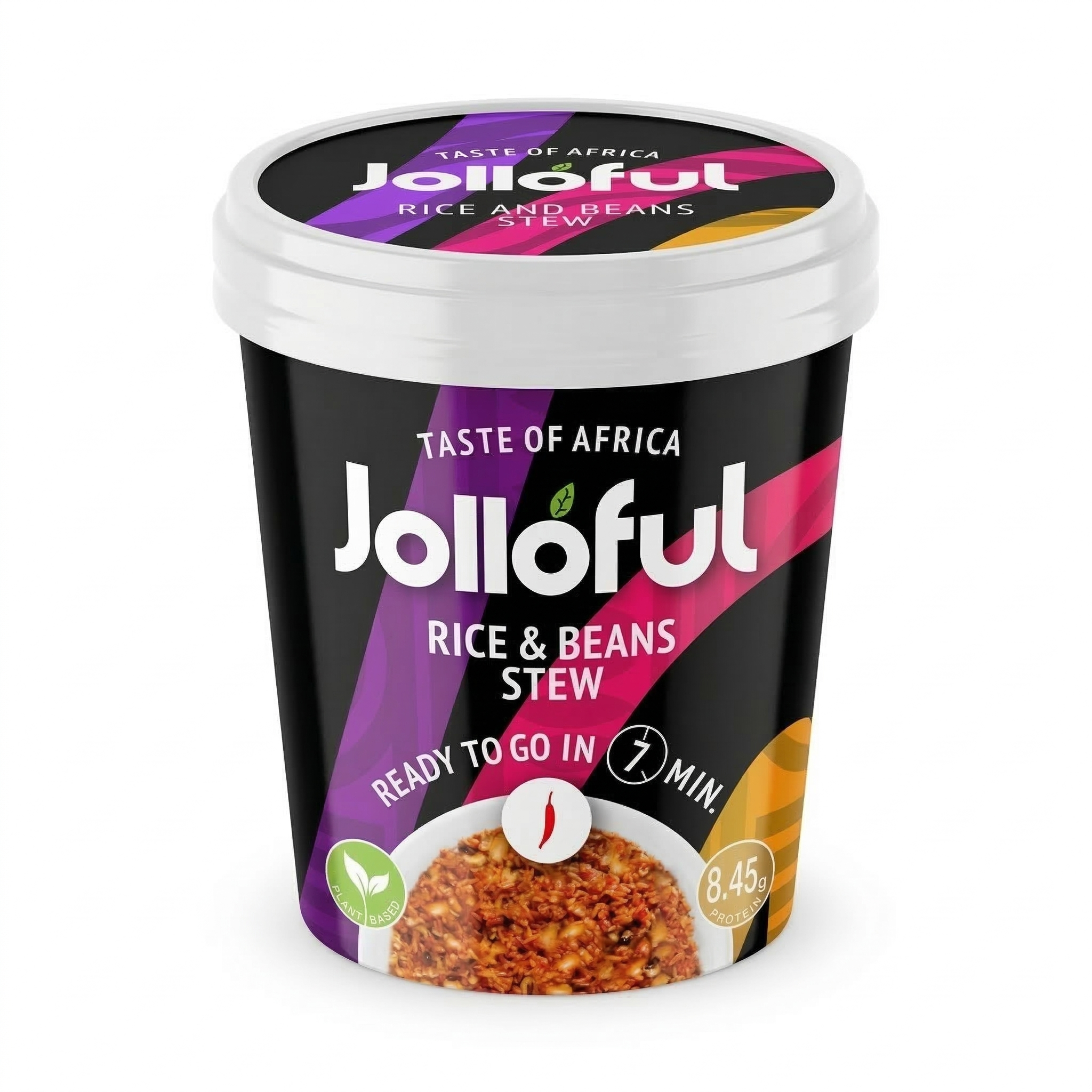
Brands like Jolloful are part of that shift. The value is not just speed. It is the fact that convenience can still come with cultural credibility, proper flavour and ingredients you actually recognise.
A smarter way to think about African food
The best way to understand African cuisine is not through clichés about exotic flavours or spicy food. It is through respect for craft, region and use. These meals were not designed to perform for outsiders. They were designed to nourish people, celebrate community and make everyday eating more meaningful.
That is why they continue to travel well across generations and borders. In a London flat, a student room in Manchester or a busy office lunch break in Berlin, a properly made African meal can still do what it has always done - offer comfort, energy and flavour with real identity.
And that may be the strongest argument of all. Food does not need to lose its roots to fit modern life. The better question is why we ever accepted convenience that forgot where flavour comes from.
If your week is packed and your standards are still high, traditional African meals are not a compromise. They are a reminder that quick food can still have soul.


Leave a comment