
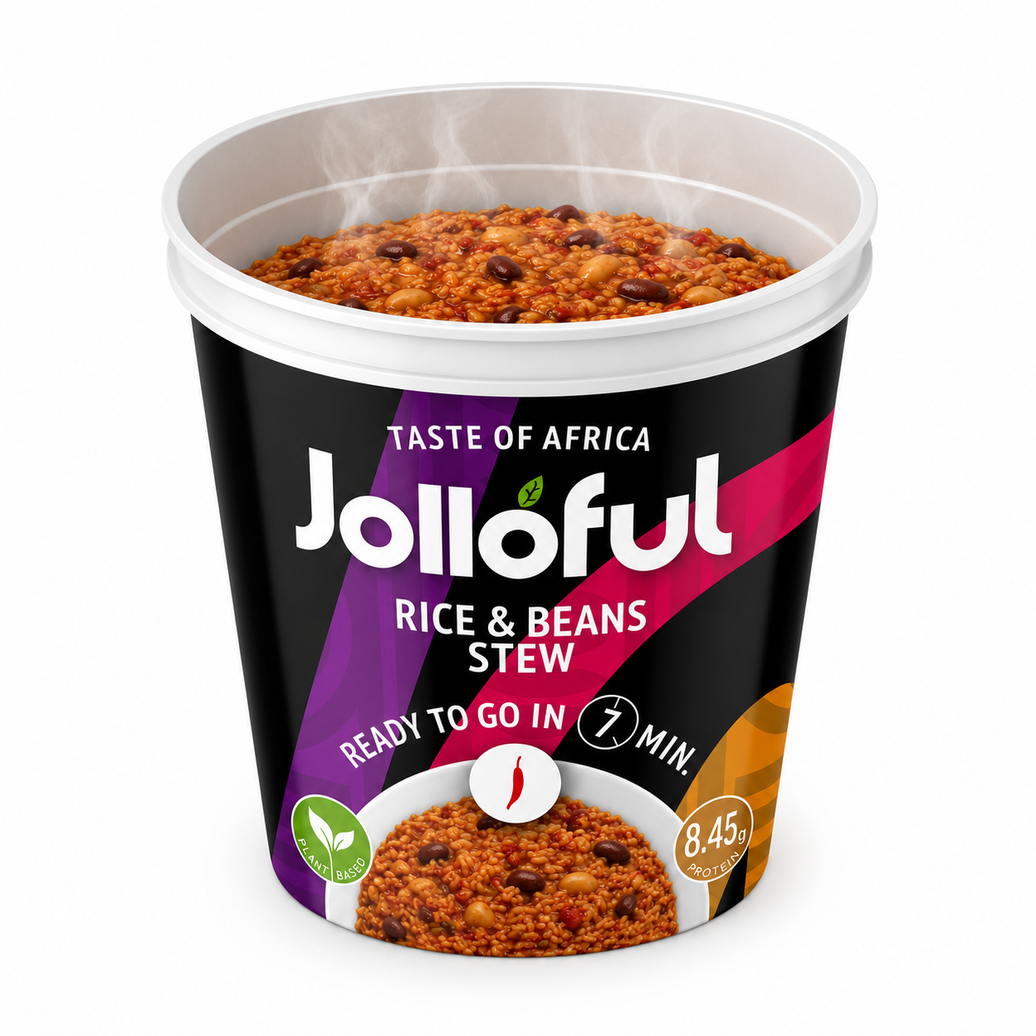
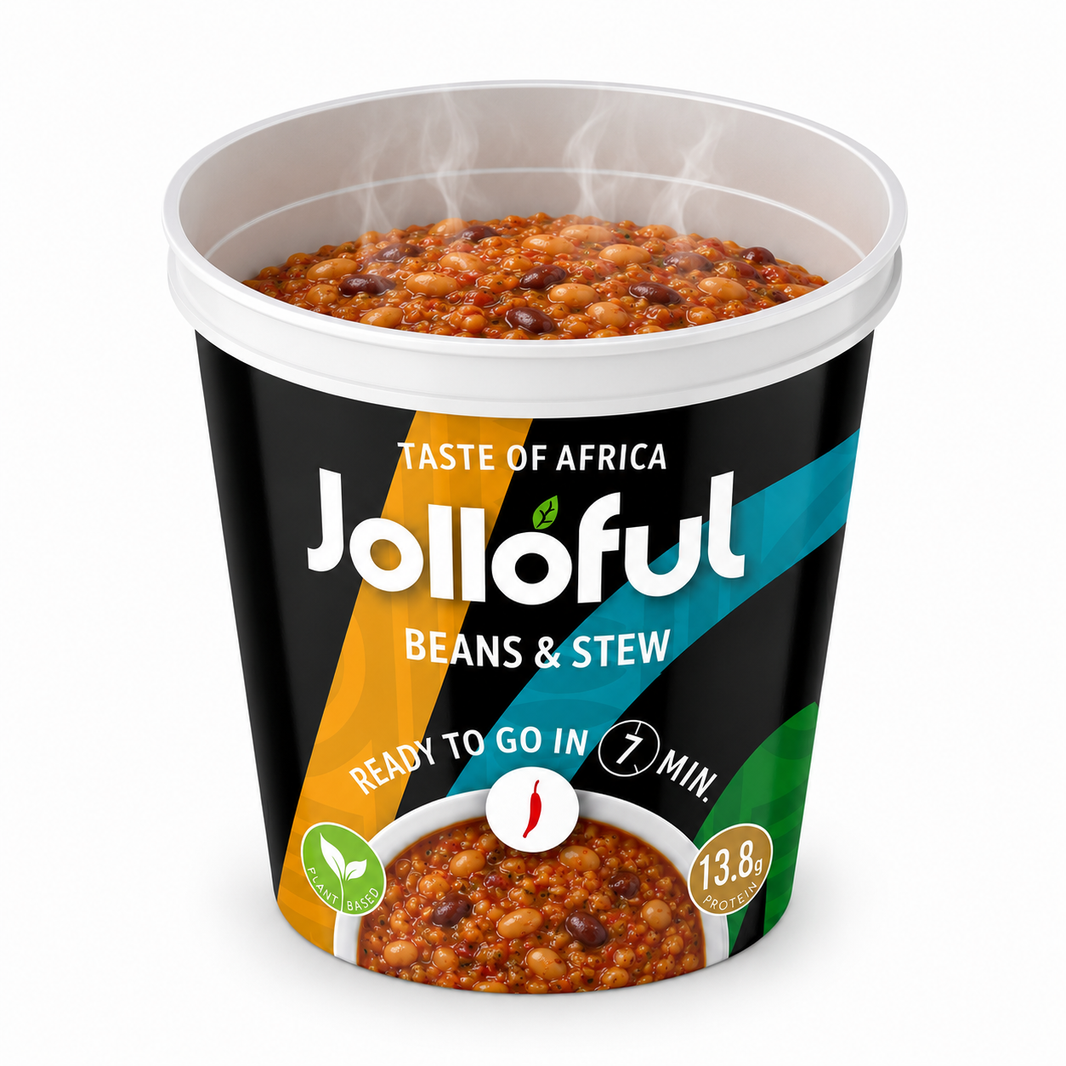
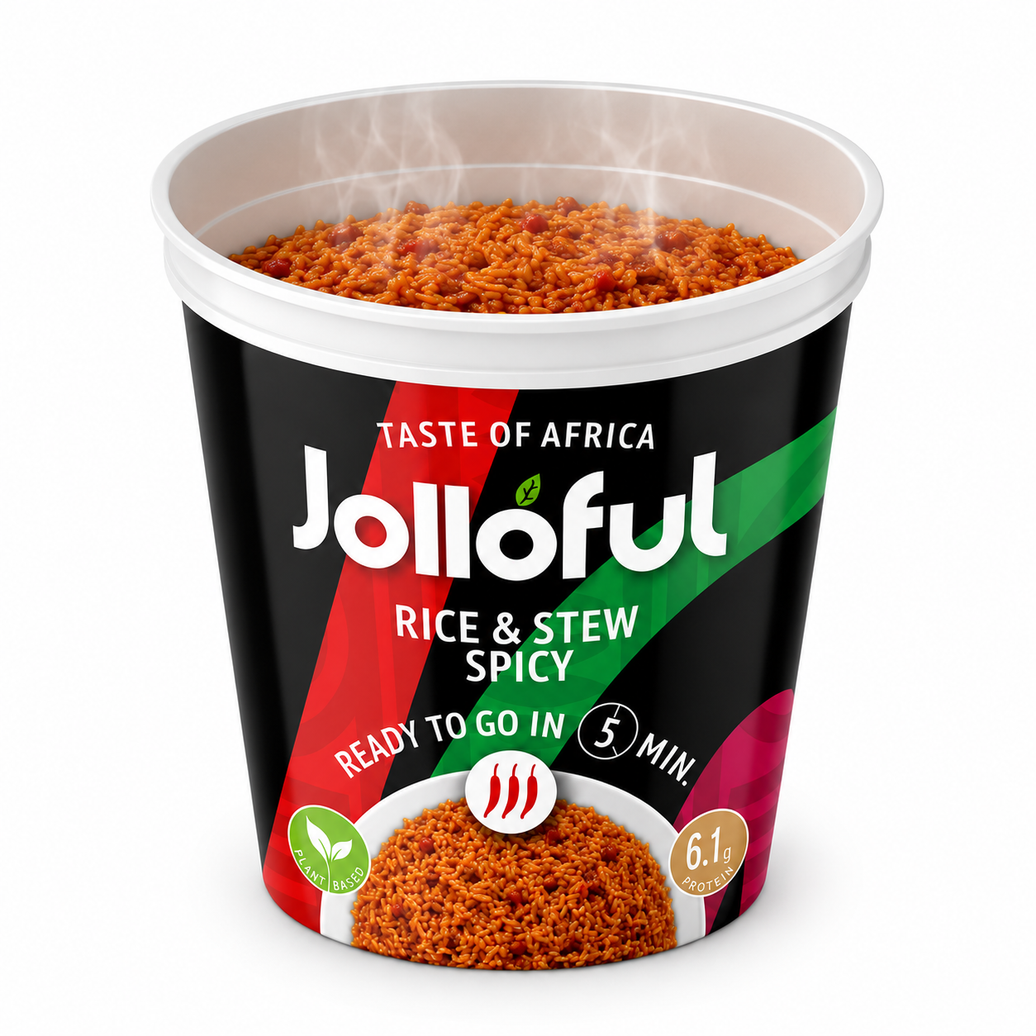
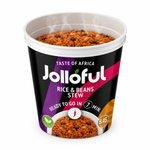
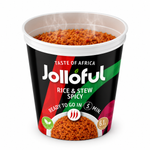
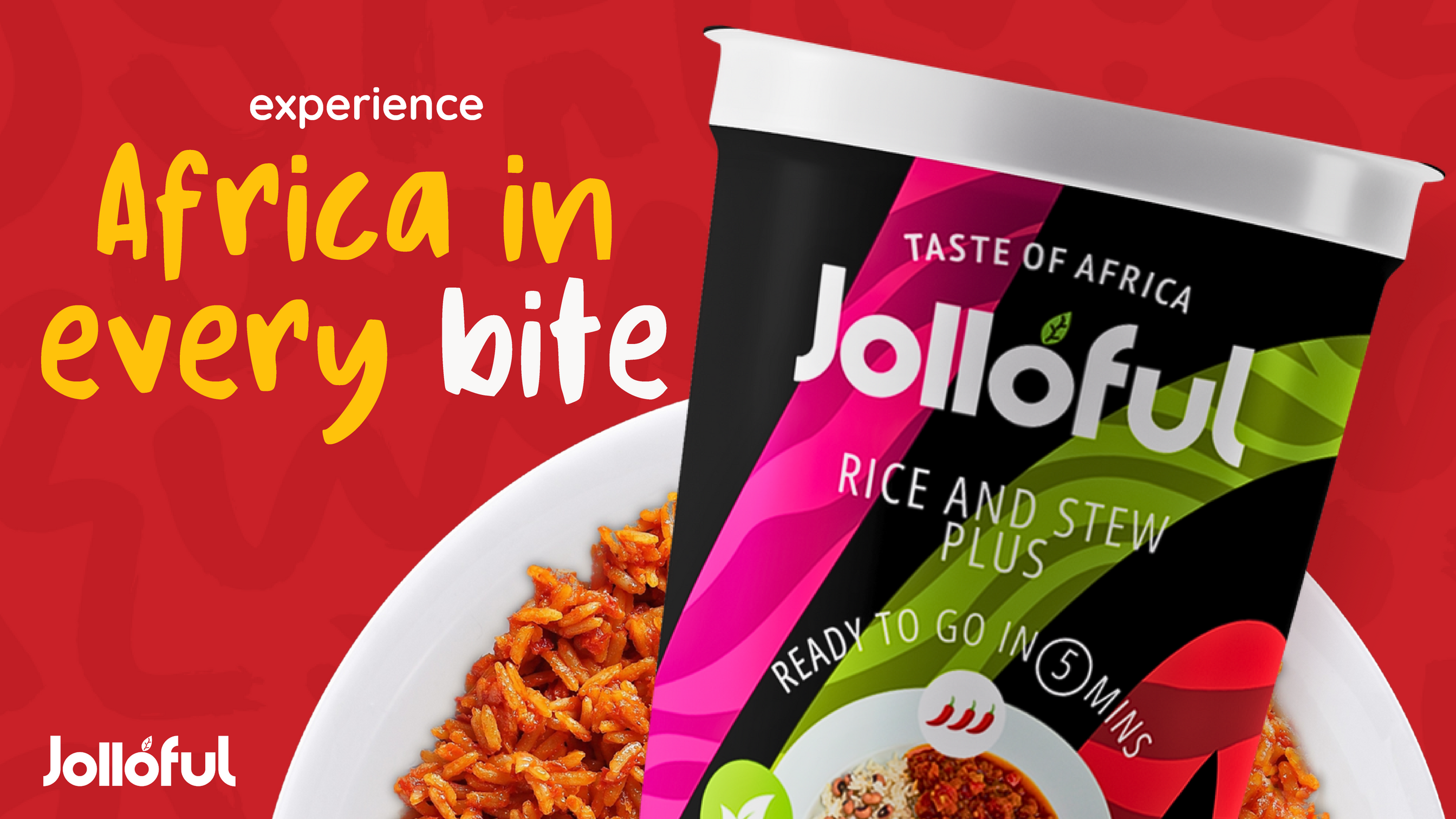
Lunch at your desk should not taste like compromise. Neither should a late train home dinner, a quick uni meal, or the cupboard backup you reach for when the fridge looks bare. That is exactly why instant African food cups are getting real attention - not as a novelty, but as a smarter kind of convenience food built around flavour, culture and actual satisfaction.
For a long time, the instant meal aisle trained people to expect very little. Fast meant flat flavour, long ingredient lists and the familiar feeling that you had eaten something filling without it being especially good. African food has never belonged in that lane. The flavours are too layered, the spice too intentional, the recipes too rooted in memory and place to be reduced to bland convenience.
What is changing now is the format. A well-made meal cup can deliver speed without stripping away identity. That matters to busy people who want more from their food, and it matters even more to anyone tired of seeing African cuisine treated as either a special-occasion feast or an unfamiliar category too difficult for everyday life.
What makes instant African food cups different?
The short answer is this: they work best when they are built like real food first and convenience food second.
That sounds obvious, but it is where many packaged meals go wrong. They begin with shelf life, cost-cutting and mass-market neutrality, then try to add flavour back in later. The better instant African food cups start with recognisable dishes, proper seasoning and ingredients that still feel honest in a cupboard format. The goal is not to imitate instant noodles with a different label. The goal is to make African meals genuinely practical for modern life.
That difference shows up in a few ways. The flavour profile tends to be bolder, with more heat, more savoury depth and more personality. The ingredient story matters more too. Shoppers increasingly look for clean labels, no artificial colour and no added preservatives, especially when they are buying pantry meals for regular use rather than emergencies. Then there is emotional value. For diaspora households, one cup can carry familiarity, comfort and routine in a way generic convenience products simply cannot.
For newcomers, the appeal is slightly different but just as strong. A meal cup lowers the barrier. You do not need specialist knowledge, a long shopping list or an hour in the kitchen. You just need hot water and a few minutes.
Why the category is growing now
People are not only busier. They are also more selective.
The modern shopper wants speed, but not at any cost. They read labels. They care about texture. They notice whether a brand is offering something rooted and credible or merely borrowing global flavours for packaging. In cities across the UK, Ireland and parts of Europe, there is a clear appetite for meals that feel more meaningful than standard convenience fare.
African cuisine fits that shift naturally. It brings depth, warmth and variety to a category that has often been repetitive. But format matters. Frozen meals require freezer space. Takeaways are expensive if they become routine. Cooking from scratch is brilliant when you have the time, but not every Tuesday gives you that luxury.
A shelf-stable cup solves a very specific modern problem. It sits quietly in the cupboard, travels easily, works in a small office kitchen, and comes through when you need a proper meal fast. That balance of portability and flavour is hard to ignore.
Instant African food cups for busy lives
Convenience means different things depending on who you are.
For a young professional, it might mean a quick lunch between calls that does not leave you hunting for snacks an hour later. For a student, it might mean a better option than the usual beige staples that dominate shared kitchens. For parents, it can be the meal that saves the evening when schedules slip. For travellers, it is something familiar and reliable to pack or keep on hand.
This is where the format earns its place. Most instant African food cups are prepared in five to seven minutes, which is quick enough to fit real life without becoming another processed shortcut you regret. They are also tidy and easy to portion. You are not opening three packets, dirtying a pan and storing leftovers you may forget about.
Still, there are trade-offs. A cup meal is not trying to replace the full experience of a home-cooked pot shared around the table. It is solving a different need. The best way to think about it is not as a lesser version of traditional cooking, but as an everyday extension of it. Same culinary roots, different use case.
What to look for before you buy
Not every product in this space deserves the hype. If you are choosing between meal cups, the details matter.
First, look at the ingredients. If the list reads like a chemistry set, that tells you something. Better products keep the ingredient deck clearer and let real spices, grains and vegetables do the work. Second, pay attention to the dish itself. Is it recognisably tied to African food traditions, or is it a vague “inspired” idea designed to feel exotic without saying much? Authenticity is not a marketing flourish. It should show up in flavour, naming and formulation.
Texture matters as well. Instant meals often lose points here. Rice that turns mushy, grains that stay hard, sauces that taste powdery - these are common failures in the category. A strong product gets as close as possible to a freshly made experience within the limits of the format.
Then there is spice. Bold does not always mean punishingly hot. Good African meal cups should taste seasoned, balanced and distinctive. Heat can be part of that, but flavour should lead.
Not your standard instant aisle
There is a reason many consumers now actively reject the old instant meal model. It has long been built on sameness.
Same cheap starches. Same flat savoury base. Same promise of convenience with very little joy attached to it. Instant African food cups stand out because they can offer something the aisle often lacks - identity. They are not pretending food culture does not matter. They are built on the idea that it does.
That shift matters commercially, but it also matters culturally. For too long, African cuisine in Western markets has been underrepresented, oversimplified or treated as niche. A strong meal cup format helps change that by making these flavours visible in daily routines, not just in restaurants or celebratory moments.
That visibility has value. It tells African consumers that their food belongs in modern convenience spaces without being diluted. It tells curious shoppers that African meals are approachable, practical and worth repeating.
Who benefits most from instant African food cups?
The obvious answer is anyone short on time. The better answer is anyone who wants convenience without flattening their standards.
If you are part of the African diaspora, these products can offer a rare mix of speed and recognition. If you are trying African food for the first time, they can be an easy and low-pressure entry point. If you care about pantry practicality, they make sense because they store well and prepare quickly. If you are trying to move away from ultra-processed defaults, the right product can be a major upgrade.
That said, expectations should stay realistic. A meal cup is ideal for solo lunches, backup dinners, travel and busy weekdays. It may not be the centrepiece of a weekend gathering, and it is not meant to be. Its strength is consistency, speed and flavour when time is tight.
Brands that understand this are shaping a stronger category. Jolloful, for example, has helped push the idea that fast African meals do not need to mimic low-grade instant products to be convenient. That distinction matters because it raises the standard for everyone.
The bigger shift behind the trend
What looks like a product trend is really a food culture shift.
People want meals that fit the pace of modern life, but they also want those meals to say something. About quality. About heritage. About what kind of convenience is worth paying for. The rise of instant African food cups reflects all of that. It is not only about eating quickly. It is about refusing the old choice between speed and substance.
That is why this category has staying power. It meets real daily needs, but it also brings pride and possibility to the shelf. For some, that means a fast lunch with real flavour. For others, it means seeing African food treated with the respect it deserves in a format built for now.
If a cupboard meal can do that and still be ready in minutes, it is not a compromise. It is progress.
SHOP NOW>>> https://www.jolloful.com


Leave a comment