
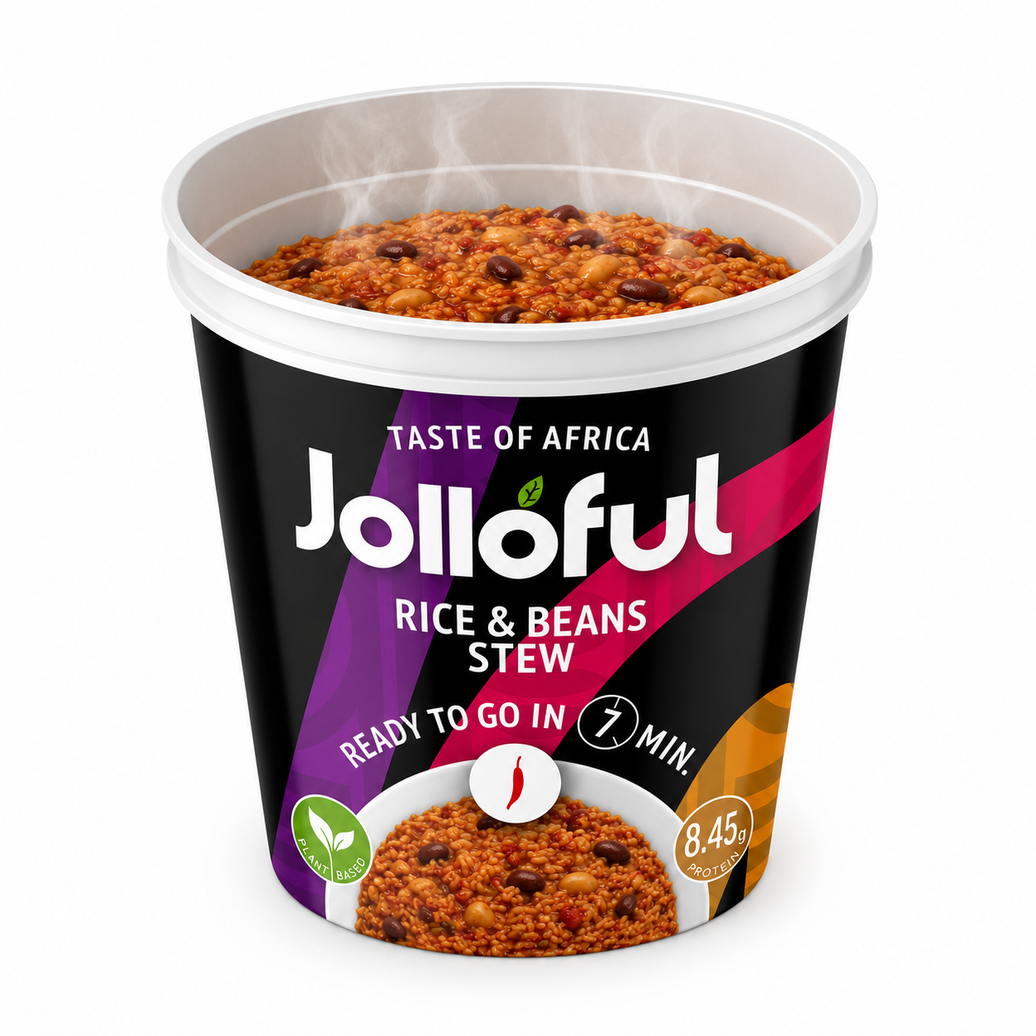
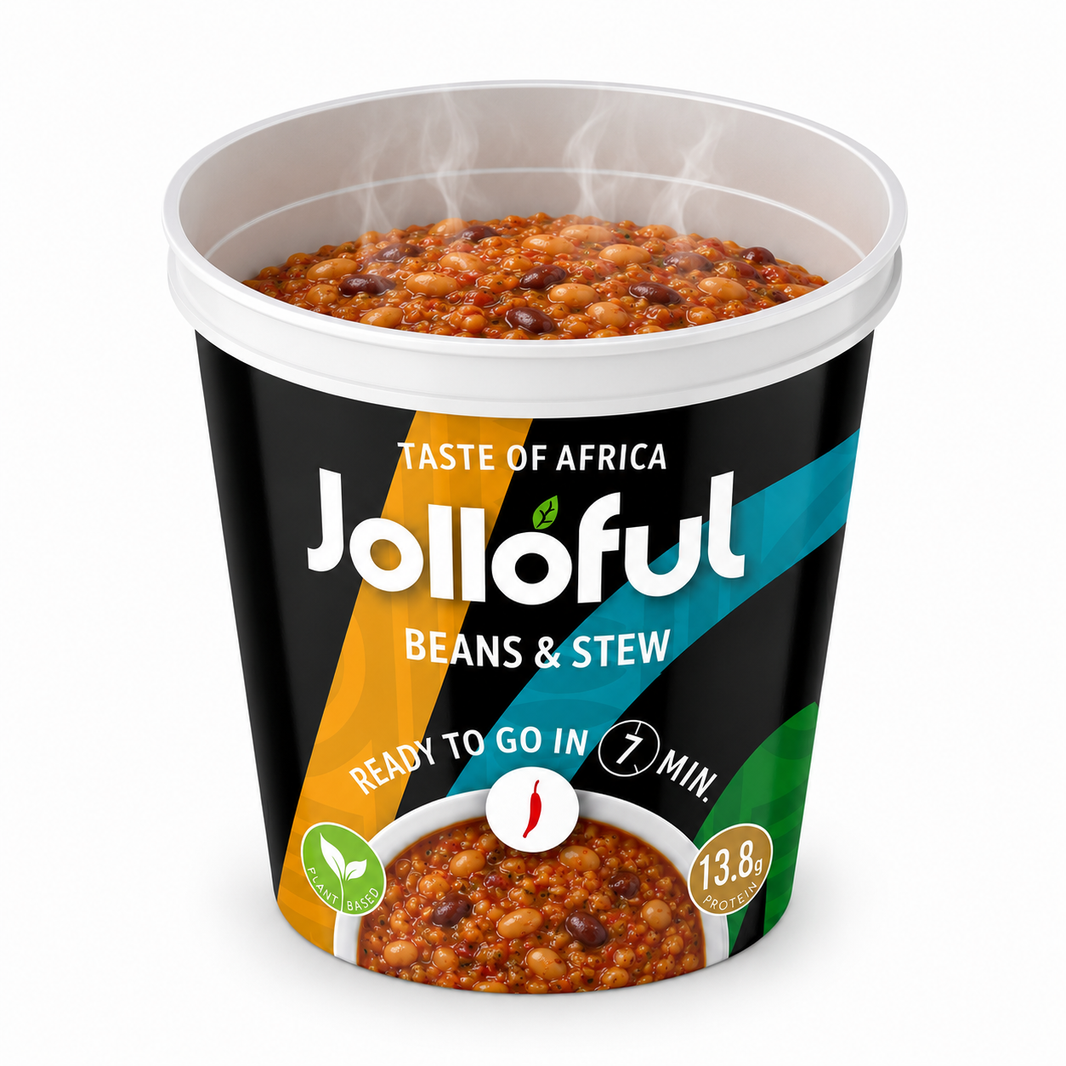
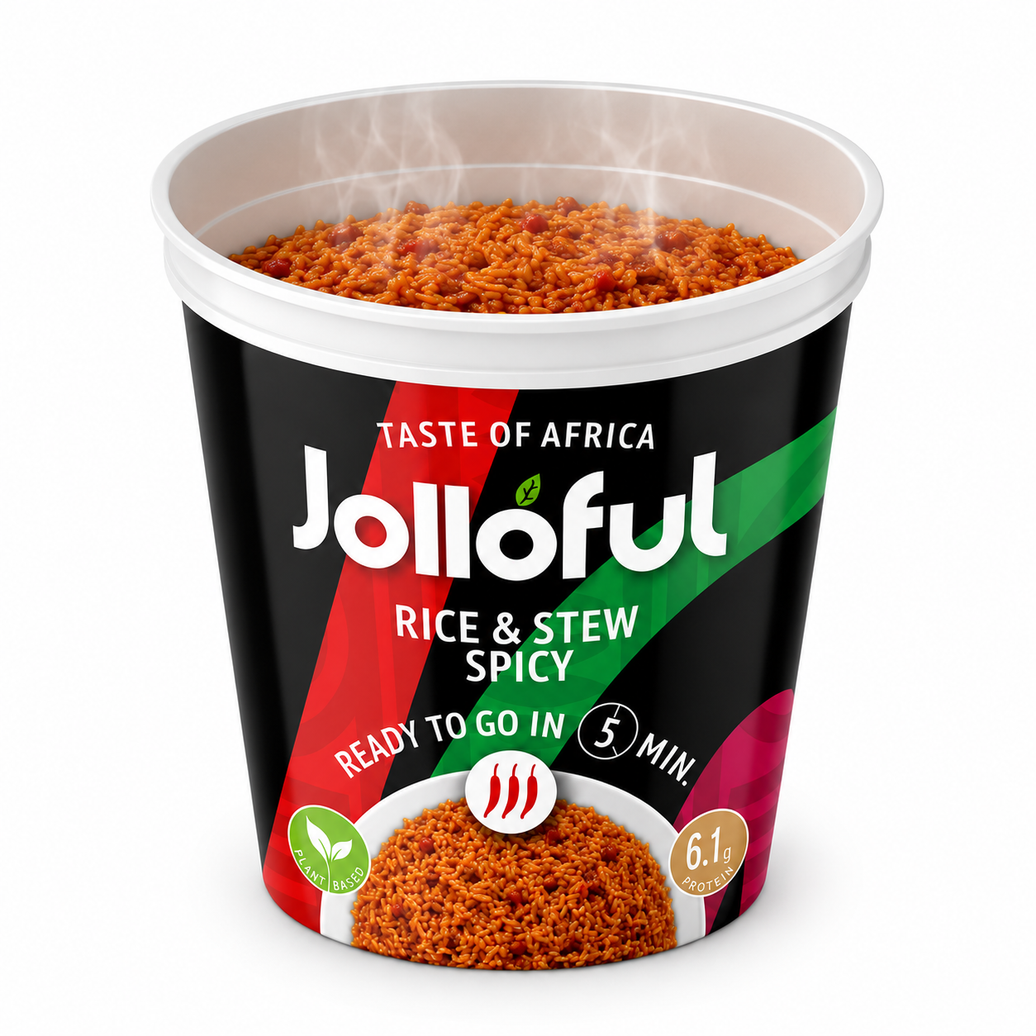
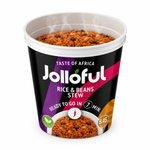
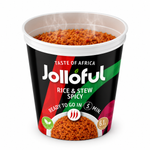
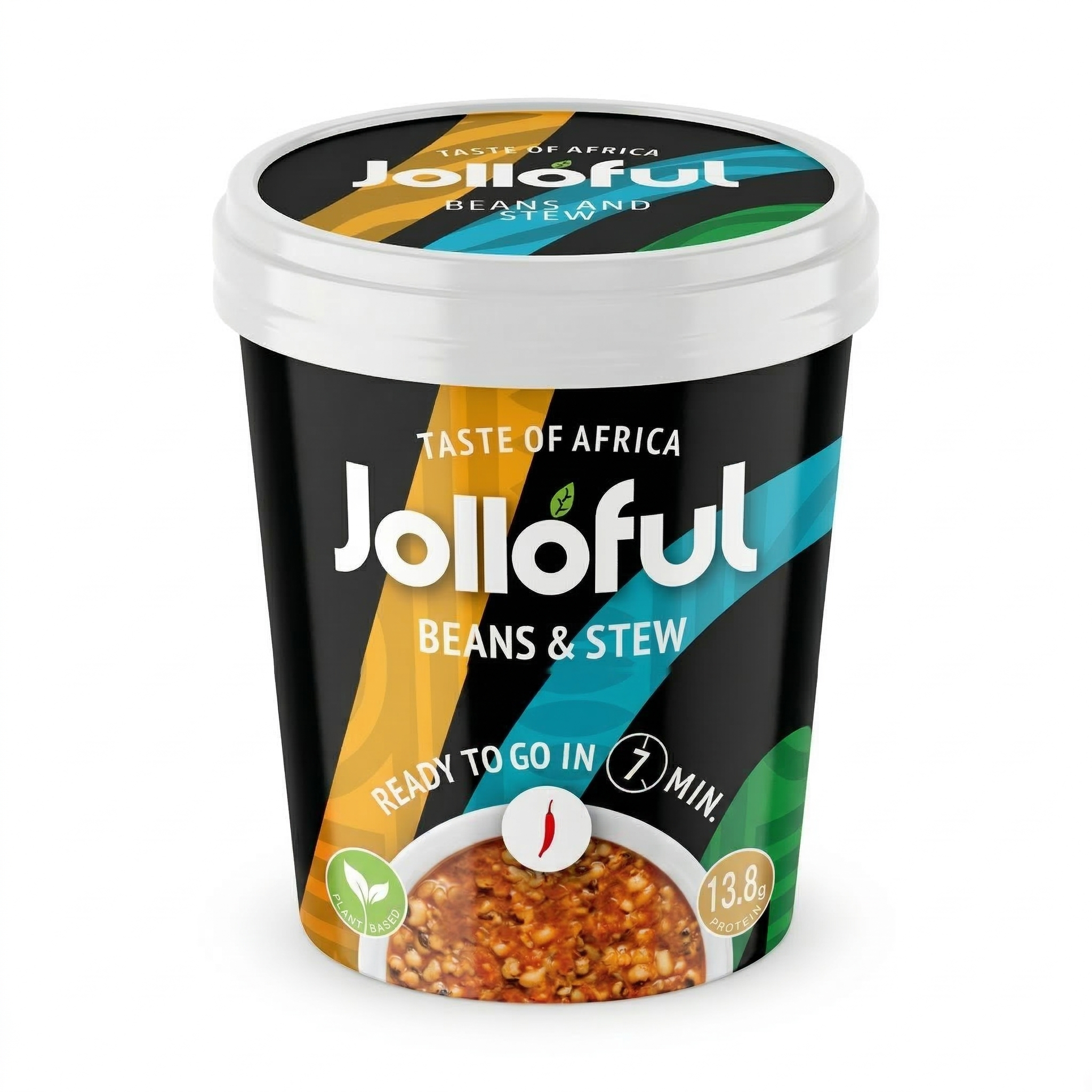
You need lunch in seven minutes, not another sad desk meal. That is exactly where West African meal packs make sense. They bring real flavour, proper satisfaction and cultural depth into the kind of schedule that usually leaves people choosing between bland convenience and expensive takeaway.
For a lot of people, convenience food still means compromise. It means soft textures, flat seasoning, mystery ingredients and packaging that promises comfort but delivers very little. West African meal packs change that equation. They offer a faster route to food that feels intentional - not a backup plan, not a guilty shortcut, and definitely not a dressed-up version of instant noodles.
What makes West African meal packs different
The difference starts with the food itself. West African cuisine is not built around timid flavour. It is layered, aromatic, savoury and often gently smoky or spicy, with ingredients that are meant to taste like something. When that profile is translated well into shelf-stable meals, the result feels far more alive than the average cupboard staple.
That matters if you are eating at your desk between meetings, feeding yourself after the gym, or trying to keep something decent in the kitchen for the evenings when cooking from scratch is not happening. A good meal pack should still taste like a meal. It should have character. It should feel rooted in an actual food culture rather than engineered for the broadest possible blandness.
There is also an emotional side to it. For African diaspora households, these meals can offer familiarity in a format that suits modern life. For first-time buyers, they provide an easy entry point into West African flavours without needing specialist ingredients, advanced cooking skills or a full recipe plan. That balance matters - authentic enough to feel credible, accessible enough to fit everyday routines.
West African meal packs for modern routines
Busy people do not need lectures about meal prep. They need food that works when life is messy. That could mean a long commute, a tiny office kitchenette, university deadlines, late finishes, or a cupboard that has somehow become a graveyard of abandoned pasta and cereal.
West African meal packs fit these moments because they are practical without feeling cheap. They are shelf-stable, which means less pressure to use everything immediately. They are portable, which makes them useful at work, while travelling, or during those weeks when plans keep changing. And if preparation takes only hot water and a few minutes, that removes one of the main barriers to eating properly on a tight schedule.
This is especially relevant in places like the UK, Germany and Ireland, where people often want speed but are becoming more selective about what speed looks like. Fast food is easy to find. Better fast food is harder. The appeal of a meal pack rooted in West African recipes is that it offers efficiency without stripping away flavour or identity.
Not all convenience is equal
There is a big difference between food that is quick and food that is worth eating. Plenty of products win on speed and lose everywhere else. They fill a gap, but they do not satisfy. An hour later, you are hungry again, or regretting the salt-heavy, texture-light thing you settled for.
The better West African meal packs sit in a different category. They are designed for convenience, yes, but they are also built around real ingredients and recognisable recipes. That means cleaner labels, fewer unnecessary extras and a stronger sense of what the meal is trying to be. You can taste the difference when a product respects the original dish instead of flattening it into generic packet food.
There is a trade-off, of course. Shelf-stable meals will never be identical to something slow-cooked at home by someone who knows exactly how the flavours should land. Anyone pretending otherwise is overselling it. But that is not the point. The point is getting much closer to real food than conventional instant options ever do, while keeping the speed people genuinely need.
Why ingredient quality matters
Ingredient quality is not just a health claim. It affects flavour, texture and trust. If a meal relies on artificial colour, excessive fillers or a long list of additives to simulate taste, people notice - even if they cannot name exactly why it feels off.
By contrast, meal packs made with real vegetables, grains, spices and legumes tend to taste more grounded. They also fit better with what many shoppers already want: food they can understand, food they can keep in the cupboard, and food that does not read like a chemistry set. That is one reason brands like Jolloful stand apart. The promise is not convenience at any cost. It is convenience without cultural or ingredient compromise.
Who West African meal packs are really for
The obvious answer is busy people, but that is too broad to be useful. What makes this category strong is that it solves different problems for different kinds of eaters.
For diaspora consumers, it can be about access and recognition. Familiar flavours are not always easy to find in mainstream convenience aisles, especially in a format that feels modern rather than watered down. A good meal pack offers speed without asking people to settle for a version of home that barely resembles the real thing.
For curious mainstream consumers, the appeal is different. There is interest in African food, but many people still feel unsure where to begin. A ready-to-go meal removes friction. There is no need to decode a long shopping list or commit to a full dinner party experiment. You get a straightforward, lower-risk way to try bold West African flavours on an ordinary Tuesday.
For students, working parents and professionals, the value is brutally simple: less time, better food. That combination is harder to find than it should be.
What to look for before you buy
Not every product using African flavour cues deserves your money. Some lean heavily on the language of authenticity while delivering something vague and overprocessed. If you are choosing West African meal packs, it helps to look beyond the front of the pack.
Start with the ingredient list. Shorter and clearer is usually a good sign, though not an automatic guarantee. Then consider preparation. If a meal claims convenience but still demands half your kitchen and twenty minutes of effort, it misses the brief.
Flavour profile matters too. West African food should not taste shy. Heat levels can vary, and not every dish needs to be fiery, but there should be depth, spice and a clear point of view. Finally, think about whether the product feels like a one-off novelty or something you would genuinely keep stocked for everyday life. The best meal packs do not depend on curiosity alone. They earn repeat use.
The value of variety packs
Variety packs are especially useful in this category because they let people explore without overcommitting. If you are new to West African flavours, a mixed pack helps you work out what suits you. If you already know the cuisine, variety stops convenience from becoming repetitive.
That matters more than brands sometimes admit. One reason people abandon shelf-stable meals is boredom. A range of flavour profiles, textures and spice levels keeps the format interesting and turns it into a practical cupboard staple rather than an emergency-only option.
A better standard for convenience food
There is a broader shift happening here. Consumers are less impressed by convenience on its own. They want food that respects their time, but they also want it to respect their palate. That is good news for categories like West African meal packs, because they answer both needs at once.
They are fast, but not flimsy. They are accessible, but not stripped of identity. They fit into a modern routine without pretending that all convenience food should taste the same.
And that may be the real reason they matter. They raise the standard. They suggest that a quick meal can still have flavour, heritage and substance. Once you have had that, it is hard to go back to the beige stuff at the back of the cupboard.
If your week moves quickly, your food does not need to become forgettable to keep up.


Leave a comment