
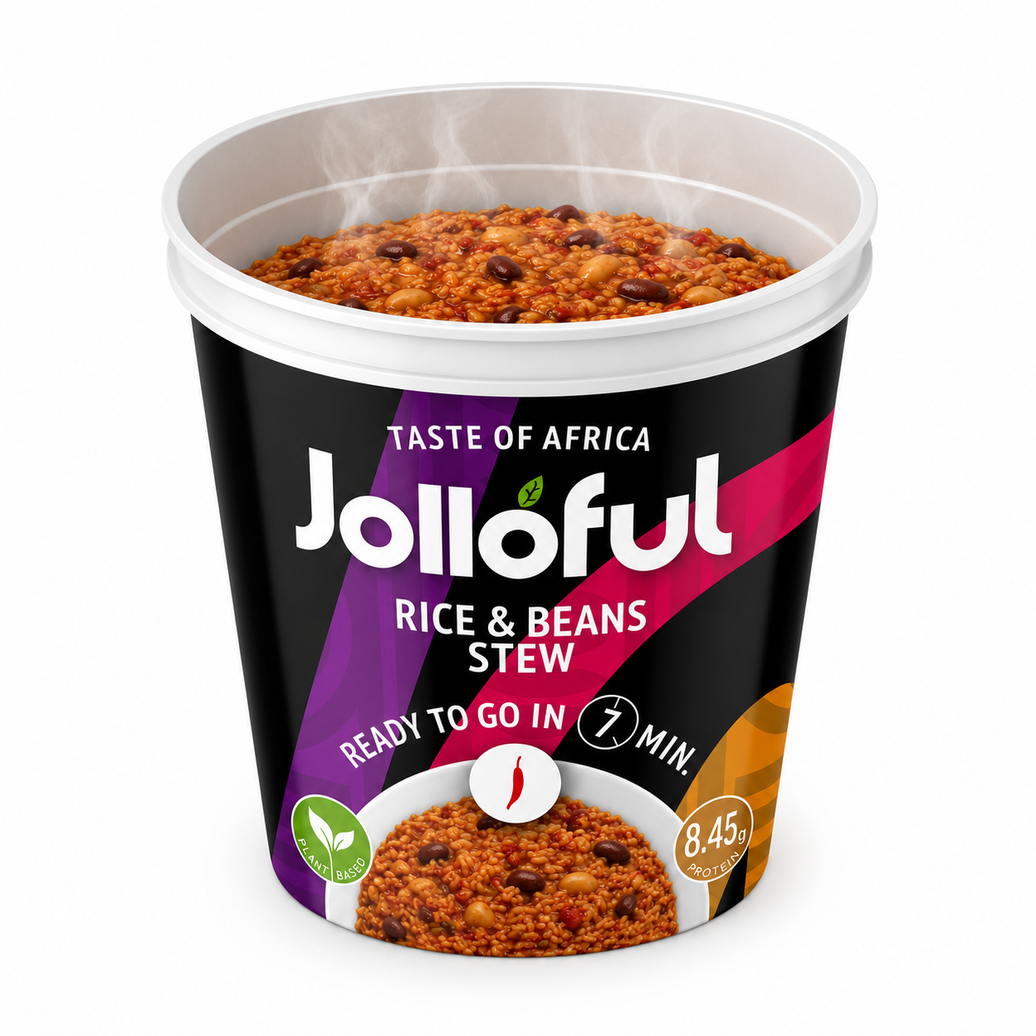
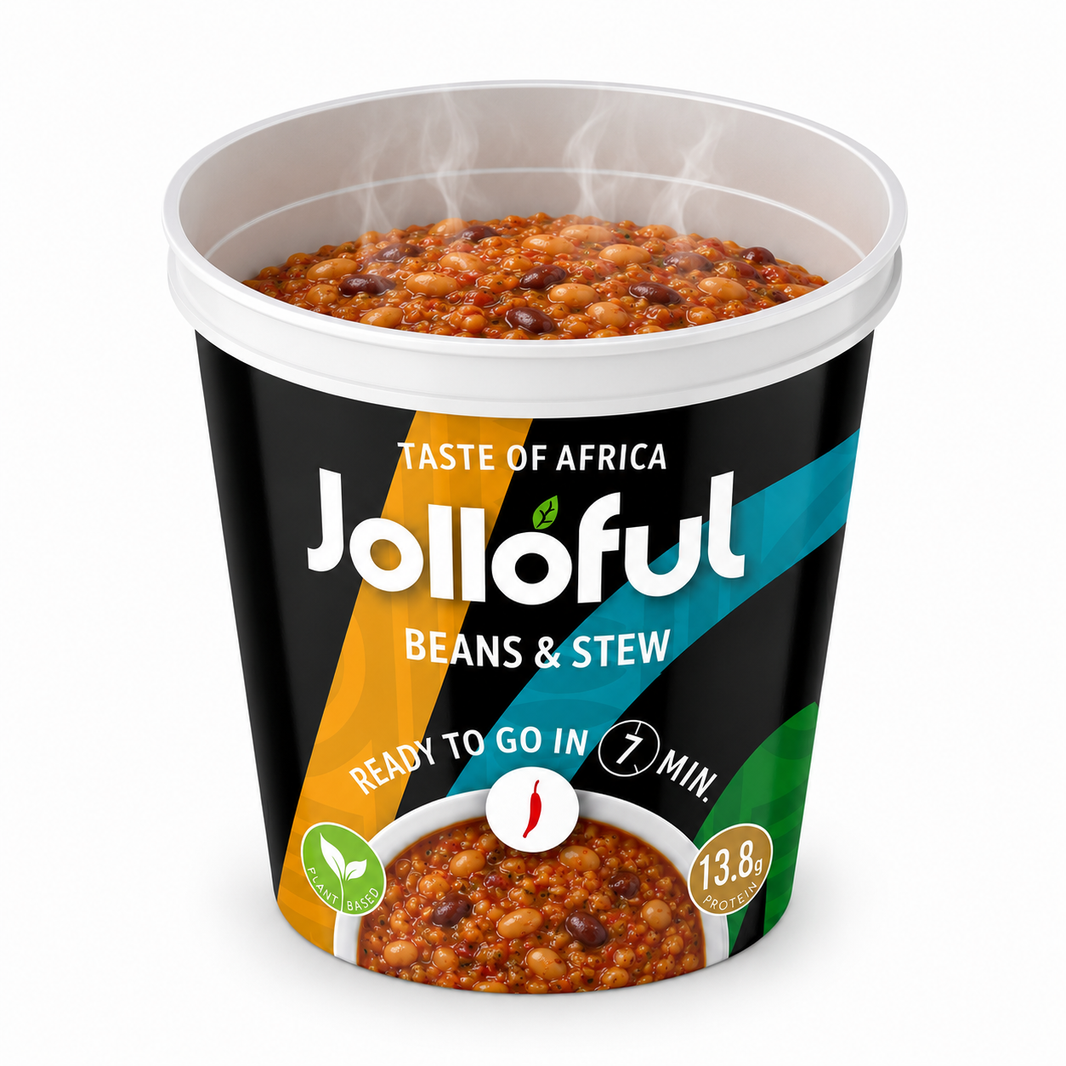
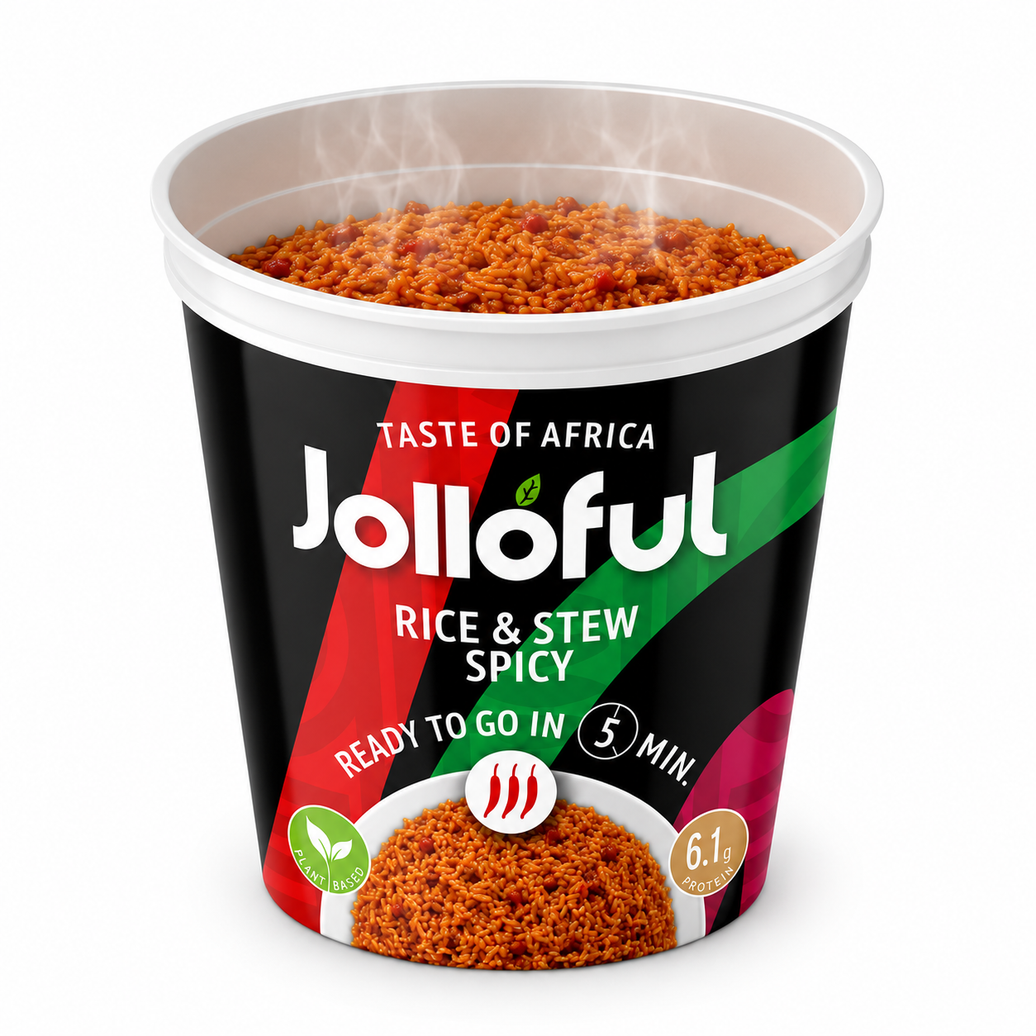
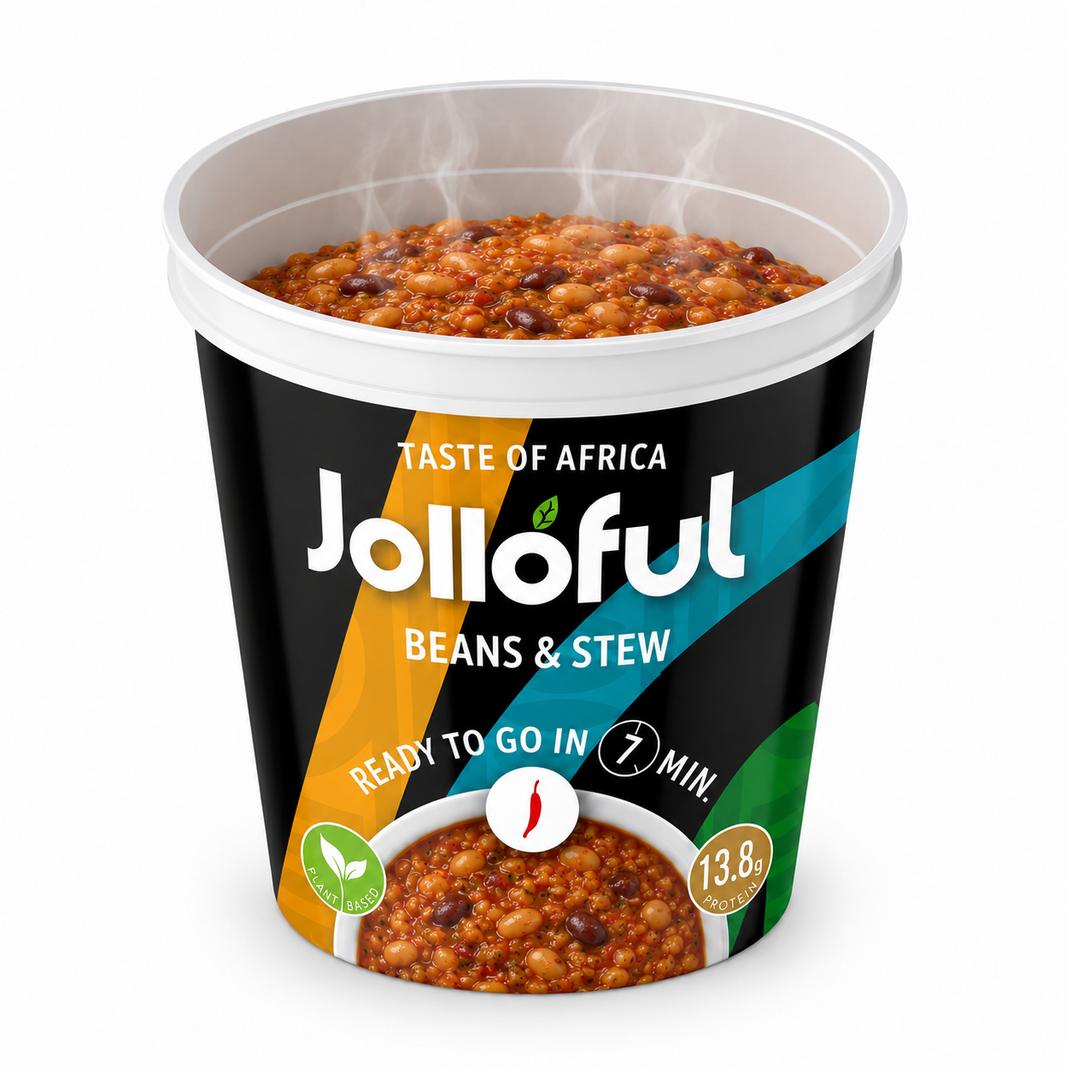
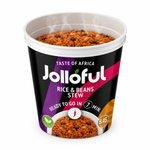
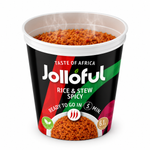
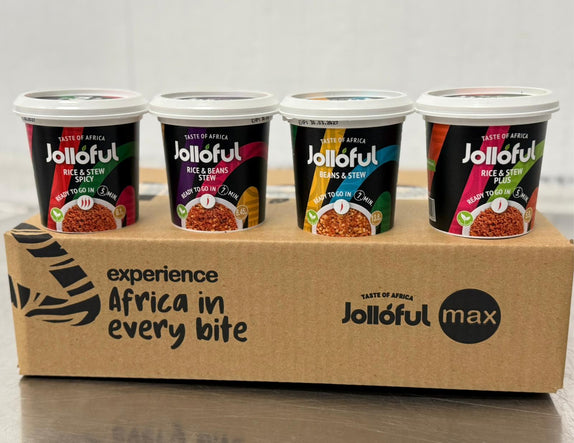
Order your 8-pack / 12 pack box today
A bowl built around beans, cassava, millet, plantain or rice can look like an easy win when you avoid gluten. Often, it is. But are African meals gluten free? The honest answer is: many are naturally gluten-free, yet African food is far too varied to make one continent-wide promise. The ingredients, the recipe, the cook and the kitchen all matter.
African cuisine is not one single cuisine. It holds thousands of food traditions, shaped by local crops, trade routes, faith, migration and family recipes. That variety is exactly what makes it exciting - and why a little label-reading and asking the right question goes a long way.
Are African meals gluten free by default?
No. Many African meals begin with naturally gluten-free staples, but not every dish is gluten-free by default.
Across much of West, Central and East Africa, everyday cooking often centres on foods such as rice, maize, millet, sorghum, cassava, yam, plantain, beans, peas, vegetables, fish and meat. In their plain forms, these ingredients do not contain gluten. That gives gluten-free eaters an enormous amount to enjoy, from hearty bean dishes and grilled proteins to rich vegetable stews and cassava-based sides.
Teff is naturally gluten-free too, and traditional teff flatbreads can be suitable. Fonio, a small ancient grain with a light, nutty character, is another naturally gluten-free African staple worth knowing. These are not substitutes pretending to be something else. They are part of long-standing food cultures with flavour and purpose of their own.
The complication begins when a recipe includes wheat, barley or rye, or when a naturally gluten-free dish is prepared alongside them. North African cooking, for example, commonly features wheat-based breads, semolina couscous and pastries. Elsewhere, flour may be added to thicken a sauce, stretch a batter or create a crisp coating. A meal can be rooted in naturally gluten-free ingredients and still be unsuitable for someone with coeliac disease.
The naturally gluten-free staples to know
If you are new to African food, start with the building blocks rather than relying on a dish name alone. Rice, cassava, maize, millet, sorghum, teff, fonio, beans, lentils, plantain, sweet potato, yam, meat, fish, eggs, fruit and vegetables are naturally free from gluten.
That matters because flavour in African cooking does not depend on wheat. It comes from onions slowly cooked down, chilli, ginger, garlic, tomatoes, fermented ingredients, smoked fish, aromatic spices and deeply seasoned sauces. A quick meal can still taste layered, generous and unmistakably real.
A few examples need care. Maize porridge is usually gluten-free, but a packaged version may be processed in a facility that also handles wheat. Cassava flour is naturally gluten-free, yet blends can contain added wheat flour. Bean fritters may be gluten-free in one household and made with a little wheat flour in another. Recipes are not fixed rules, especially when they have travelled across regions and generations.
Where gluten can hide in African food
Gluten is rarely the star of the plate. It is more likely to appear in the supporting ingredients.
Wheat flour may be used in bread, pastries, dumplings, pancakes, coatings and certain thickened soups or sauces. Semolina and couscous are made from wheat, so they are not suitable for a gluten-free diet. Some noodles and pasta dishes are wheat-based too.
Then there are the less obvious additions. Soy sauce can contain wheat. Stock powders, seasoning cubes, spice blends and bottled sauces may use wheat-derived ingredients or carry a cross-contact warning. Malted drinks and malt flavouring come from barley. Even a simple grilled dish can become a problem if it is brushed with a sauce containing gluten.
This is why “rice-based” does not automatically mean gluten-free, and why “African” is not an allergen statement. The same applies to any cuisine. The safest question is not, “Is this type of food gluten-free?” but, “What is in this exact meal, and how was it made?”
Gluten-free cooking and cross-contact
For people avoiding gluten by preference, an ingredient list may be enough. For people with coeliac disease or a diagnosed wheat allergy, preparation is just as important as the recipe.
Cross-contact can happen when the same oil is used for breaded foods and naturally gluten-free items, when utensils are shared, or when flour is handled nearby. A restaurant may serve a gluten-free stew, for instance, but use the same ladle for a wheat-containing sauce. At home, crumbs in a toaster, shared chopping boards and unwashed pans can also create a risk.
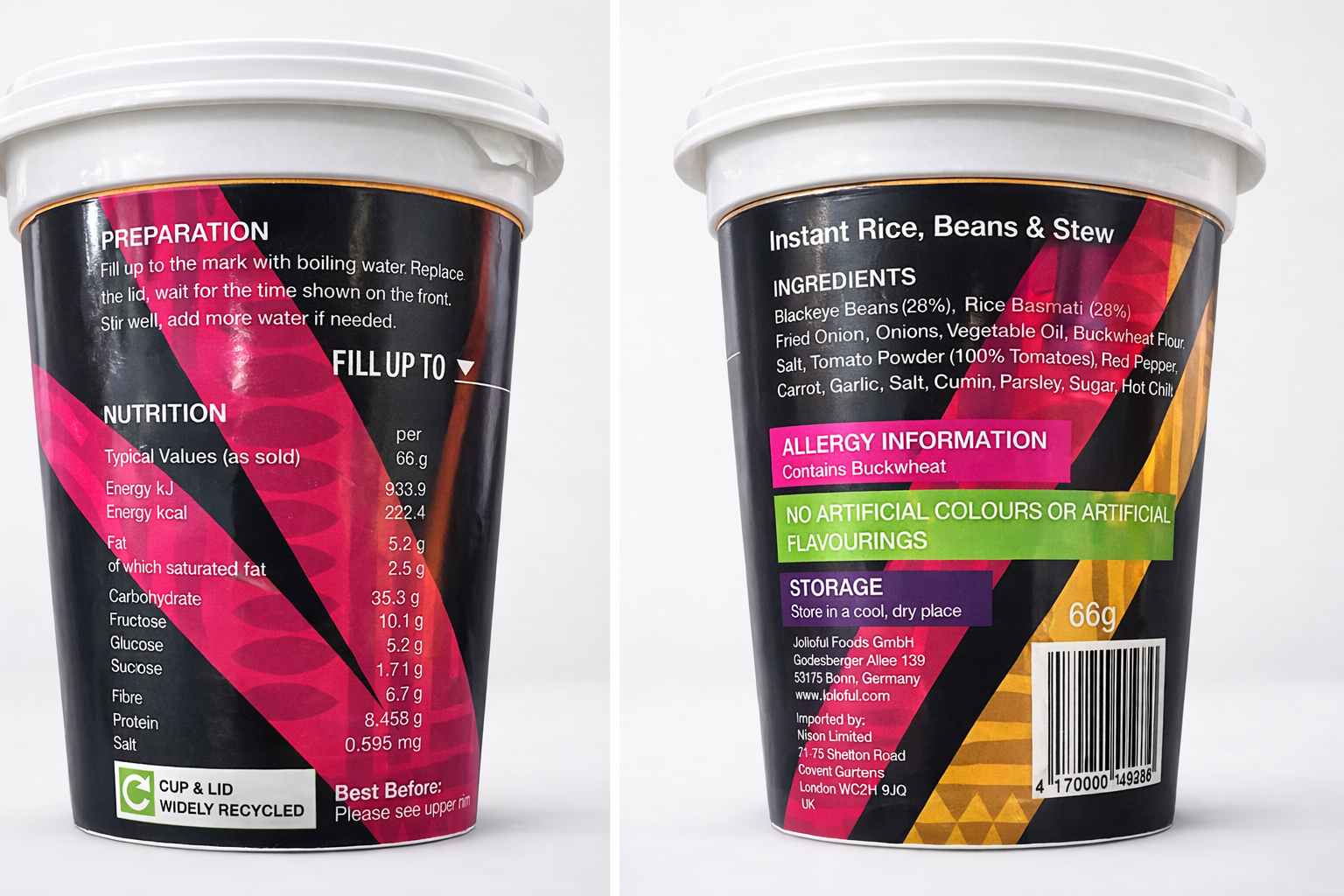
Packaged meals need the same attention. A product may use naturally gluten-free ingredients but still not be suitable for coeliac diets if it is made in a space that handles gluten. Read the allergen information on the specific pack every time, as recipes and manufacturing arrangements can change.
In the UK and Germany, a food labelled “gluten-free” must meet a strict threshold of no more than 20 mg of gluten per kg. That claim is more meaningful than assuming a product is safe because it contains rice, beans or maize. If you have coeliac disease, choose products clearly labelled gluten-free and follow advice from your healthcare professional.
What to ask when eating African food out
You do not need to turn a meal into an interrogation. A clear, direct question is usually best: “Does this contain wheat, barley or rye, and is it prepared separately from foods that do?”
Ask about the sauce, seasoning and side dishes as well as the main component. A server may know that a grilled chicken dish contains no flour, but not realise the marinade includes soy sauce. If the answer is uncertain, choose something with simpler ingredients or speak to the kitchen.
Be especially cautious with buffets, shared fryers, bakery counters and dishes served with breads or wheat-based sides. These settings make cross-contact more likely. That does not mean you have to miss out on African food. It means choosing places that take allergen questions seriously and are happy to explain how they cook.
How to choose a convenient gluten-free meal
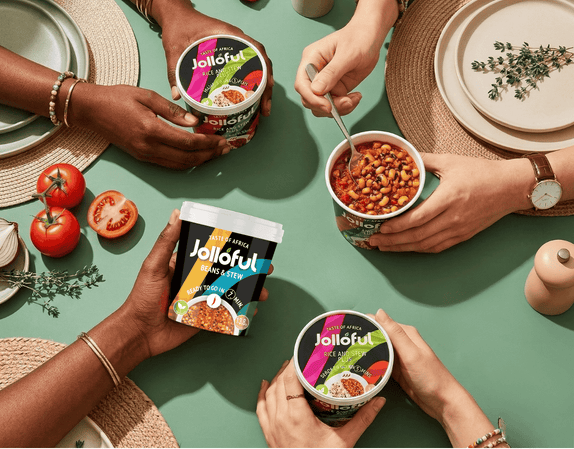
Convenience should not mean guessing. When buying shelf-stable African meals, turn the pack around before you boil the kettle. Look for a clear gluten-free claim where relevant, check the allergen panel for wheat, barley and rye, and read preparation instructions for any add-ins or toppings.
Also remember that wheat-free and gluten-free are not interchangeable. Barley and rye contain gluten, while oats can be affected by cross-contact unless they are specifically labelled gluten-free. For someone managing a wheat allergy, other ingredients and manufacturing practices may matter differently, so personal medical guidance comes first.
A good shortcut is to favour products with a short, understandable ingredient list and transparent allergen information. Real food should not be a mystery. Whether you are stocking a desk drawer, packing a work lunch or keeping a fast supper on hand, clarity is part of quality.
African food offers far more naturally gluten-free possibilities than many people realise. Bring curiosity to the table, but let the label and the kitchen answer the safety question. That way, you can enjoy bold, culture-rich flavour with the confidence your diet deserves.



Hinterlasse einen Kommentar