
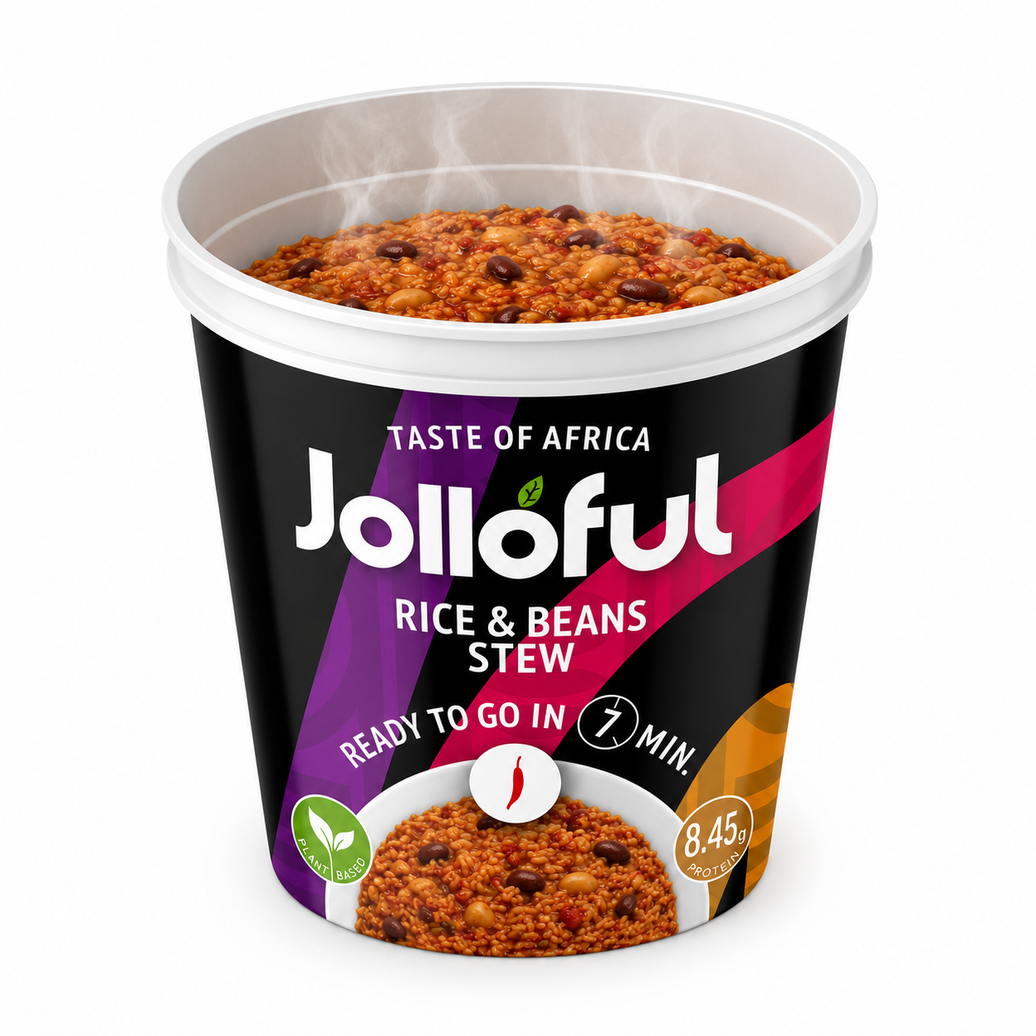
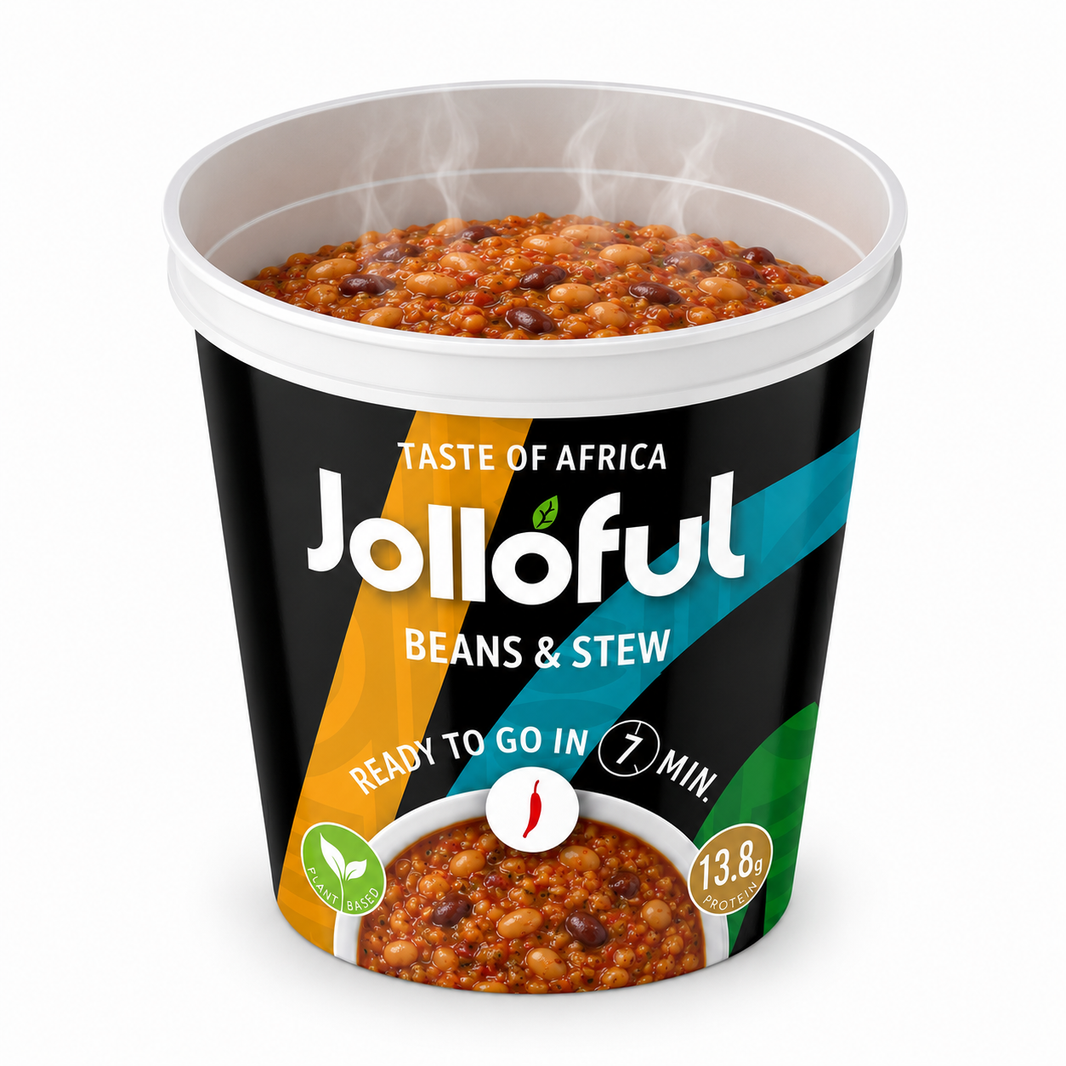
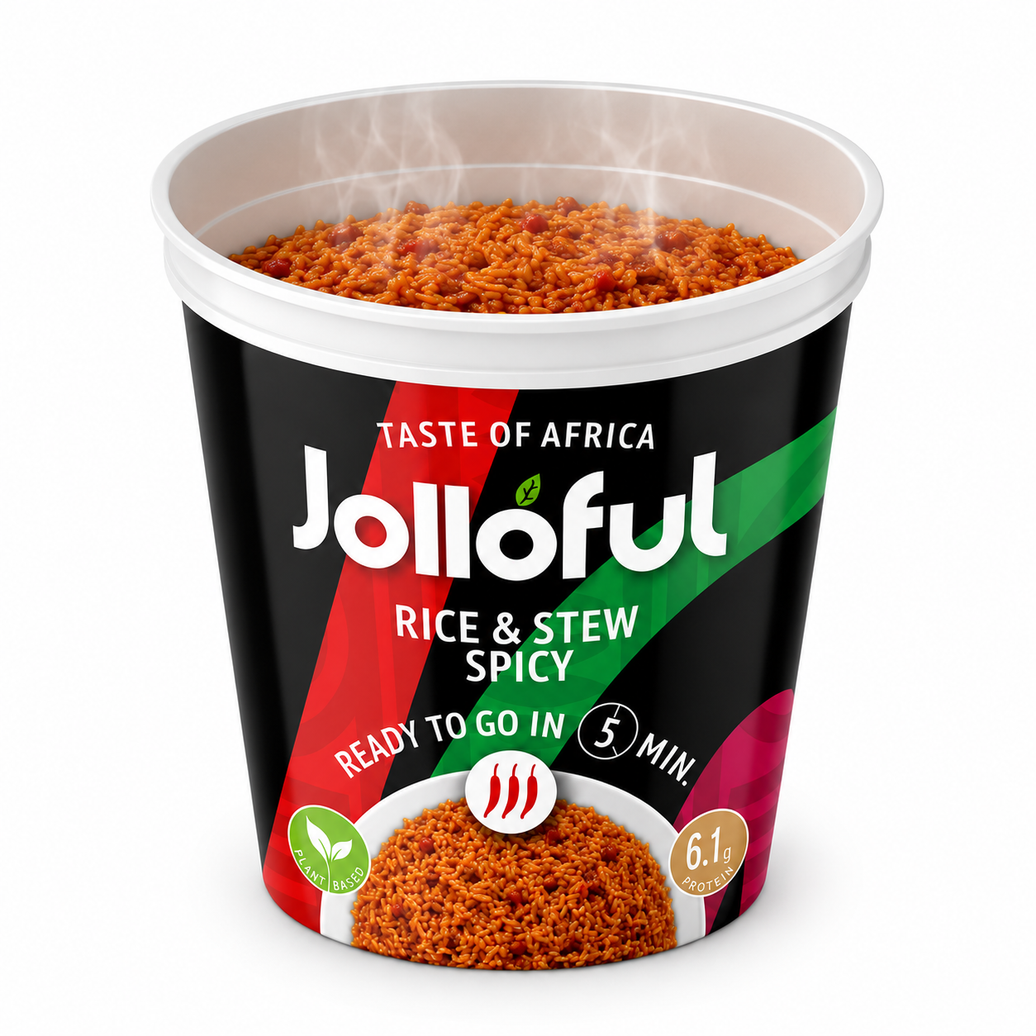

Order your 8-pack / 12 pack box today
A great pantry should do more than rescue you on the nights when the fridge is bare. It should give you something worth looking forward to. This guide to African pantry meals is for anyone who wants food with real depth, generous spice and proper comfort - without committing an hour to the hob.
African cooking is not one flavour or one formula. Across the continent, pantry foods bring together pulses, grains, tomatoes, aromatics, chilli, dried vegetables and carefully layered spices in countless combinations. The point is not to recreate every dish from scratch on a Tuesday between meetings. It is to keep the building blocks of satisfying, culturally rooted meals close at hand.
What makes an African pantry meal feel complete?
A pantry meal earns its place when it is quick, filling and full of character. Convenience alone is not enough. If the result tastes flat, overly salty or anonymous, it has solved the clock but not dinner.
The best African-inspired pantry meals have contrast. Think warming spices against bright tomato, earthy beans alongside fragrant grains, or a kick of chilli softened by a rich, savoury sauce. These are flavours with presence. A small bowl can still feel like a proper meal when every ingredient has a job to do.
Shelf-stable does not mean settling for less. Dry ingredients, tins and thoughtfully prepared meal cups can hold onto serious flavour for months. What matters is the recipe, the quality of the ingredients and whether the food has been made with care rather than engineered to taste vaguely familiar.
The foundations of a pantry built for flavour
Start with a few ingredients you will genuinely use. There is no prize for a cupboard full of specialist jars that never make it past the back shelf. Build around flexible staples, then add bolder accents that make a meal distinctly yours.
Grains and starchy staples
Rice, couscous, millet, maize meal and dried noodles can all carry a richly seasoned sauce or stew. Choose what suits your routine. Rice is dependable for batch cooking, while couscous is useful when you need a base in minutes. Instant meal cups designed around African recipes are another practical option for desks, student kitchens, hotel rooms and late arrivals home.
The trade-off is texture. A freshly cooked grain may have more bite, but a ready-to-prepare meal wins when time, equipment and washing-up are limited. Both have a place in a well-stocked kitchen.
Beans, lentils and peas
Black-eyed beans, chickpeas, lentils and other pulses bring substance without needing meat to make dinner feel substantial. Keep a mix of dried and tinned versions. Dried pulses are economical and rewarding when you have time; tinned pulses are the answer when dinner needs to happen now.
Warm them through with tomato, onion, garlic, ginger and chilli, then serve with grains or flatbread. A squeeze of citrus at the end can make the whole bowl taste brighter.
Tomatoes, aromatics and spice
Tinned chopped tomatoes, tomato purée, onions, garlic and ginger create a strong starting point for many pantry meals. Add curry powder, smoked paprika, cumin, coriander, thyme, dried chilli or a favourite African spice blend, and the cupboard starts working much harder.
Spices are not a shortcut to authenticity by themselves. The difference comes from balance and layering. Let onions soften properly if you have the time. Bloom dry spices in oil for a minute before adding liquid. Taste as you go. Heat should bring energy, not drown out every other flavour.
Rich finishing touches
Peanut butter, tahini, coconut milk, stock powder, dried herbs and chilli sauces can turn simple staples into a meal with body. Peanut butter stirred into a tomato-based bean stew creates a nutty richness that feels generous without requiring a long ingredient list.
Use these additions with intention. Coconut milk can soften spice beautifully, but too much can make a dish heavy. Chilli sauce is excellent at the table because everyone can choose their own level of heat.
How to build African pantry meals in 15 minutes
The easiest approach is a simple formula: choose a base, add a protein-rich element, make a sauce, then finish with something fresh or sharp. You do not need a strict recipe every time. Once the rhythm is familiar, dinner becomes less of a decision.
For a fast tomato and bean bowl, soften onion and garlic in a little oil. Add tomato purée, dried spices and chopped tomatoes, then simmer with drained beans until thick. Spoon it over rice or couscous and finish with lemon, fresh herbs if you have them, and chilli sauce for those who want more fire.
For a fuller pantry supper, use a prepared African meal as the centre of the plate, then add easy extras. A handful of spinach wilts down in seconds. Sliced avocado, cucumber, a fried egg or leftover roast chicken can add freshness and protein without changing the meal’s character. This is not about disguising convenience food. It is about making a good meal work even harder for your day.
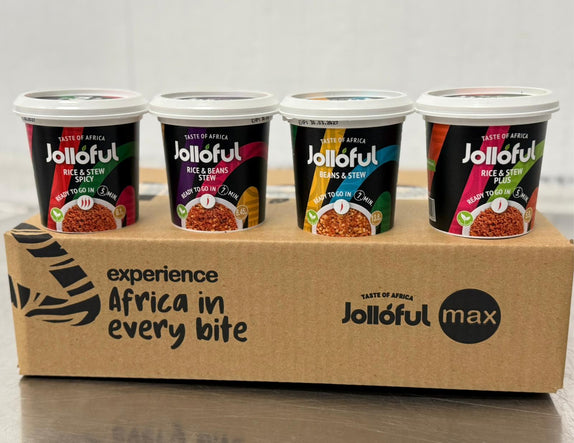
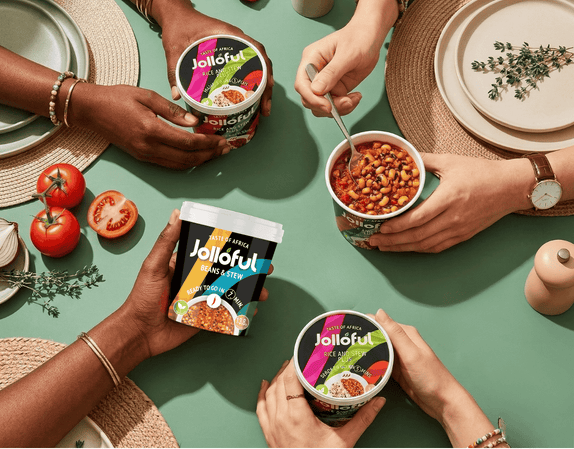
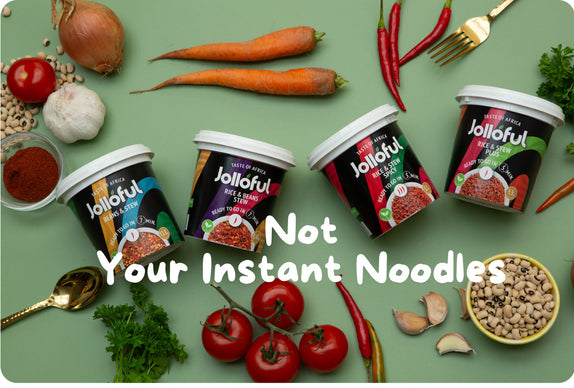
If you have five to seven minutes and hot water, a flavour-led meal cup can be the smarter choice over takeaway. Jolloful makes shelf-stable West African meals for exactly this kind of moment: real food, rooted in culture, ready when life gets busy.
A practical guide to African pantry meals for busy weeks
A useful pantry is planned around moments, not perfection. Think about the lunches you eat between calls, the post-gym dinner when cooking feels like effort, and the Sunday evening when you need something comforting before the week begins.
Keep one or two options that need only hot water, a few tinned ingredients for quick cooking, and something fresh that lasts well, such as lemons, onions or cabbage. Cabbage is particularly hardworking: it can be shredded into a quick salad, sautéed with spices or folded into a bean dish for extra crunch and colour.
Batch cooking can help, but it is not compulsory. A big pot of grains or a spiced lentil stew can carry you through several meals, especially if you change the finish each time. One day, add herbs and lemon. The next, add a fried egg and chilli. Variety often comes from the final two minutes, not from starting again.
What to look for when buying shelf-stable meals
Read beyond the front of the pack. A strong convenience meal should name ingredients you recognise and offer a clear sense of what the recipe is trying to be. Look for real grains, pulses, vegetables and spices rather than a long list of fillers. No artificial colours and no added preservatives are meaningful signals when they are paired with flavour that actually delivers.
Portion size matters too. Some products work best as a light lunch, while others need a side or topping to become dinner. There is nothing wrong with either, as long as you know what you are buying. A meal that takes minutes to prepare but leaves you hungry an hour later is not necessarily the best value.
Finally, respect regional specificity. African food is not a single aisle category, and no one product can represent a whole continent. Be curious about different ingredients and recipes, but choose brands and meals that speak with care, confidence and a clear connection to the food they make.
Your pantry can be fast without being forgettable. Stock it with foods that bring warmth, spice and a sense of place to the table - then let dinner meet you where you are.



Hinterlasse einen Kommentar