

Open a West African kitchen cupboard and you will not find bland backup food. You will find the backbone of deeply flavoured, everyday cooking - ingredients that work hard, store well, and turn a quick meal into something with real character. This guide to West African pantry staples is for anyone who wants that same energy at home, whether you grew up with these flavours or you are just getting started.
What makes these staples so useful is not just tradition. It is practicality. West African cooking has always known how to build flavour from ingredients that keep well, stretch across multiple meals, and adapt to what is available. For busy households in the UK and across Europe, that makes this pantry style feel especially current. Real food. Big flavour. No need for compromise.
Why a guide to West African pantry staples matters
A pantry is not just storage. It is your shortcut to better meals. When you keep the right West African basics on hand, dinner stops depending on a complicated shop or a free afternoon. You can make jollof-style rice on a weeknight, build a quick bean stew, enrich a soup, or add depth to grilled fish or roast vegetables without starting from scratch.
There is also a bigger point here. West African food is too often reduced to a few headline dishes, while the ingredients that make those dishes sing get overlooked. Understanding the pantry gives you something more useful than a restaurant order. It gives you fluency. You start to recognise the logic of the cuisine - heat, savoury depth, sweetness, smoke, body, and balance.
The core grains and starches
Rice sits at the centre of many West African kitchens, and for good reason. Long-grain rice is a staple for jollof, fried rice, coconut rice, and simple rice served alongside stews and sauces. The grain matters. You want rice that can cook through while staying distinct, especially for dishes where texture is part of the appeal. Softer rice has its place, but if it turns mushy too quickly, it will fight the dish.
Another key cupboard ingredient is gari, made from cassava. It is lightly fermented, dry, and incredibly versatile. It can be soaked and eaten simply, used as a base for eba, or added in ways that bring texture and substance. Gari has a tang that catches first-time eaters off guard, but that sharpness is part of its charm. It is not meant to be neutral.
Yam flour and other pounded-swallow alternatives also matter in many households because they offer convenience without giving up the eating experience people want with soups such as egusi or okra. The trade-off is that texture can vary a lot by brand. Some flours produce a smoother, more elastic swallow, while others can feel grainy or flat. It often takes a little trial and error to find the one that suits your table.
Beans, legumes and the everyday protein base
Beans are serious pantry workhorses in West African cooking. Black-eyed beans are especially common, forming the base of dishes like beans porridge and akara. They bring creaminess, hold seasoning well, and can carry a meal without needing much else beyond onions, palm oil or spices.
Brown beans and honey beans are also widely used. If you are new to them, think less about exact labels and more about function. Some beans cook softer and faster. Others hold their shape and give more bite. Both are useful. A softer bean is excellent for porridge and mash-style dishes. A firmer bean works well when you want texture.
Peanuts deserve a place here too. Groundnuts are used whole, blended, roasted, or milled into powder depending on the dish. They add richness and body, especially in soups and sauces. The main thing to watch is sweetness. Some peanut products sold in mainstream shops are processed in a way that pushes them towards snack food rather than cooking ingredient. For savoury dishes, you want a clean, roasted peanut flavour, not sugar.
The flavour builders that do the heavy lifting
If there is one thing this guide to West African pantry staples should make clear, it is that flavour does not come from one magic ingredient. It comes from layers.
Tomato paste is one of the big ones. In many West African dishes, it is not used lazily or in a rush. It is cooked down properly to deepen its sweetness, reduce raw acidity, and create a richer base. That step matters. A quick stir-in and a well-fried tomato base are not the same meal.
Onion, dried or fresh, is another foundation ingredient. Even when fresh onions are standard, onion powder can still be useful in pantry cooking because it builds depth fast. The same goes for garlic powder and ginger powder. Fresh versions bring brightness, but the dried forms offer consistency and speed, which is exactly what a strong pantry is meant to do.
Then there are stock cubes and seasoning powders. Yes, they are common, and yes, people have strong opinions about them. Used well, they can add concentrated savoury depth. Used carelessly, they flatten a dish into one-note saltiness. It depends on what else is going in the pot. If your stew already has dried fish, crayfish, fermented seasoning, and salted meat, you may need less than you think.
Oils, heat and colour
Red palm oil is one of the most recognisable West African pantry staples. It brings colour, richness, and a distinct flavour that shapes dishes rather than just lubricating the pan. In some recipes, there is no real substitute. In others, you can swap oils, but the result will be different, not equal.
That is worth saying clearly because palm oil tends to get discussed in broad strokes. From a cooking point of view, it is not just about fat. It is about taste. If you are making a dish where palm oil is central, using sunflower or rapeseed oil may make the meal lighter, but it can also strip out part of its identity.
Vegetable oils still have their place, especially for frying or when you want a cleaner backdrop for spices and aromatics. Many kitchens keep both. One for neutrality, one for character. That is not excess. It is range.
Heat often comes from dried chillies, chilli powders, or pepper blends. Scotch bonnet is iconic in fresh form, but pantry cooking often relies on dried options that are easier to store and portion. Heat levels vary wildly, so this is one area where confidence should come with restraint. You can always add more. Pulling heat back is harder.
Umami, smoke and depth
West African pantry cooking is full of ingredients that give food backbone. Crayfish is a major one. Ground or whole, it adds savoury depth to soups, stews, and sauces in a way that is instantly recognisable to many West Africans and eye-opening to newcomers. It is powerful, so a little goes far.
Dried fish plays a similar role. It can be soaked, simmered, and folded into soups or stews to bring smoky, marine depth. Some people love that assertive flavour straight away. Others need time with it. If you are new to it, start small and let it support the dish rather than dominate it.
Fermented ingredients such as iru or locust beans are another category entirely. They have a pungency that can surprise first-timers, but they bring extraordinary complexity when handled properly. This is not beginner-friendly in every case, and that is fine. A good pantry does not need to include every ingredient at once. Build in stages.
Spice blends and seasoning staples
Curry powder has a particular place in many West African kitchens, especially in dishes shaped by layered regional and colonial food histories. Used alongside thyme, white pepper, ginger, and stock, it creates the familiar seasoning profile found in many rice dishes, stews, and marinades.
Thyme, bay leaves, white pepper, nutmeg, and all-purpose seasoning often sit nearby. These are not always used in dramatic quantities, but they help create that rounded, savoury flavour people often recognise without being able to name. The point is not to throw everything in. The point is balance.
You will also find ingredients that vary by country and household - suya spice blends, uda, ehuru, grains of paradise. These are worth exploring once your core pantry is in place. Think of them as expanding your vocabulary rather than learning the alphabet.
How to build a West African pantry without overbuying
Start with the ingredients that give you the most flexibility: long-grain rice, beans, tomato paste, onions, chilli, stock seasoning, a neutral oil, and palm oil if you want authentic depth. Then add one or two deeper flavour builders such as crayfish or dried fish, depending on what you cook most.
If you are shopping in the UK, Germany or Ireland and using a mix of African grocers and mainstream supermarkets, quality can be uneven. Read labels. Check whether spice blends are padded with salt. Look at ingredient lists on seasoning powders. Pay attention to freshness with flours and dried seafood. Shelf-stable does not mean flavour-proof.
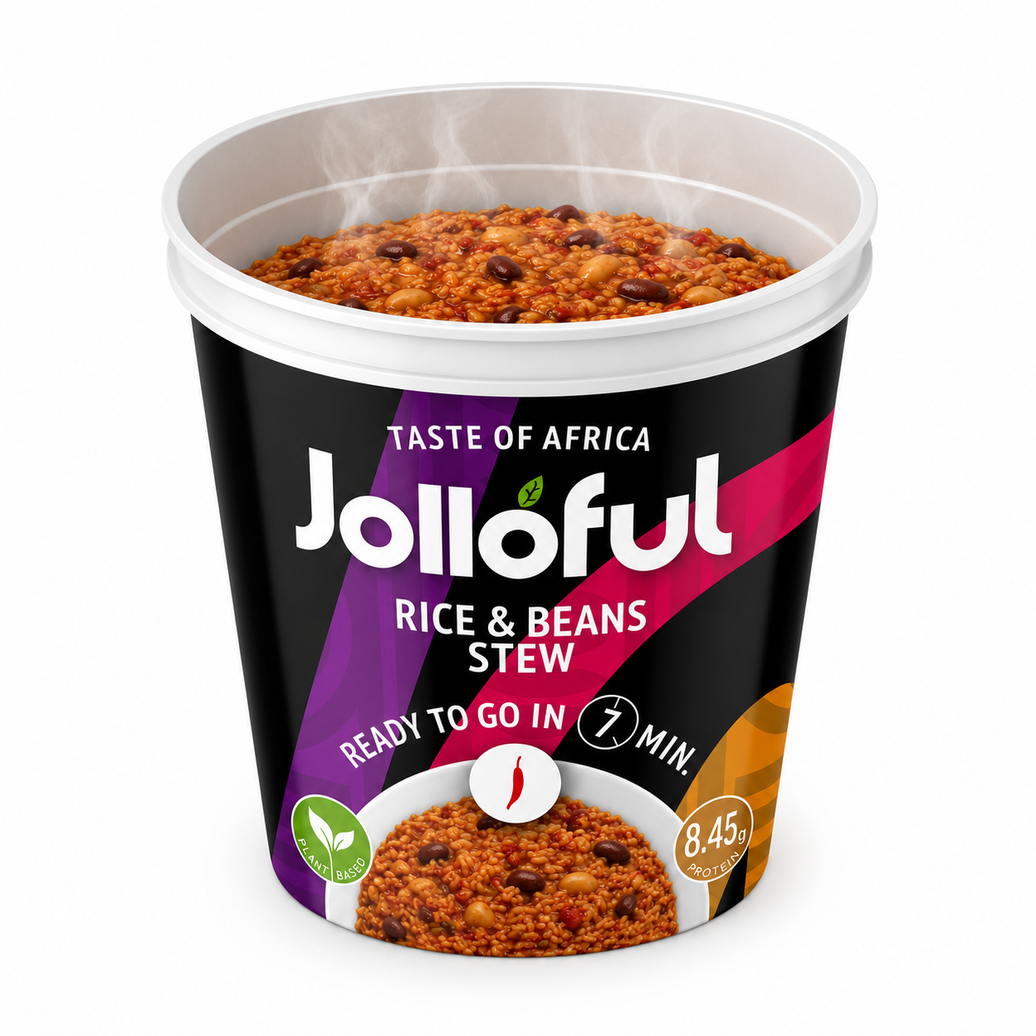
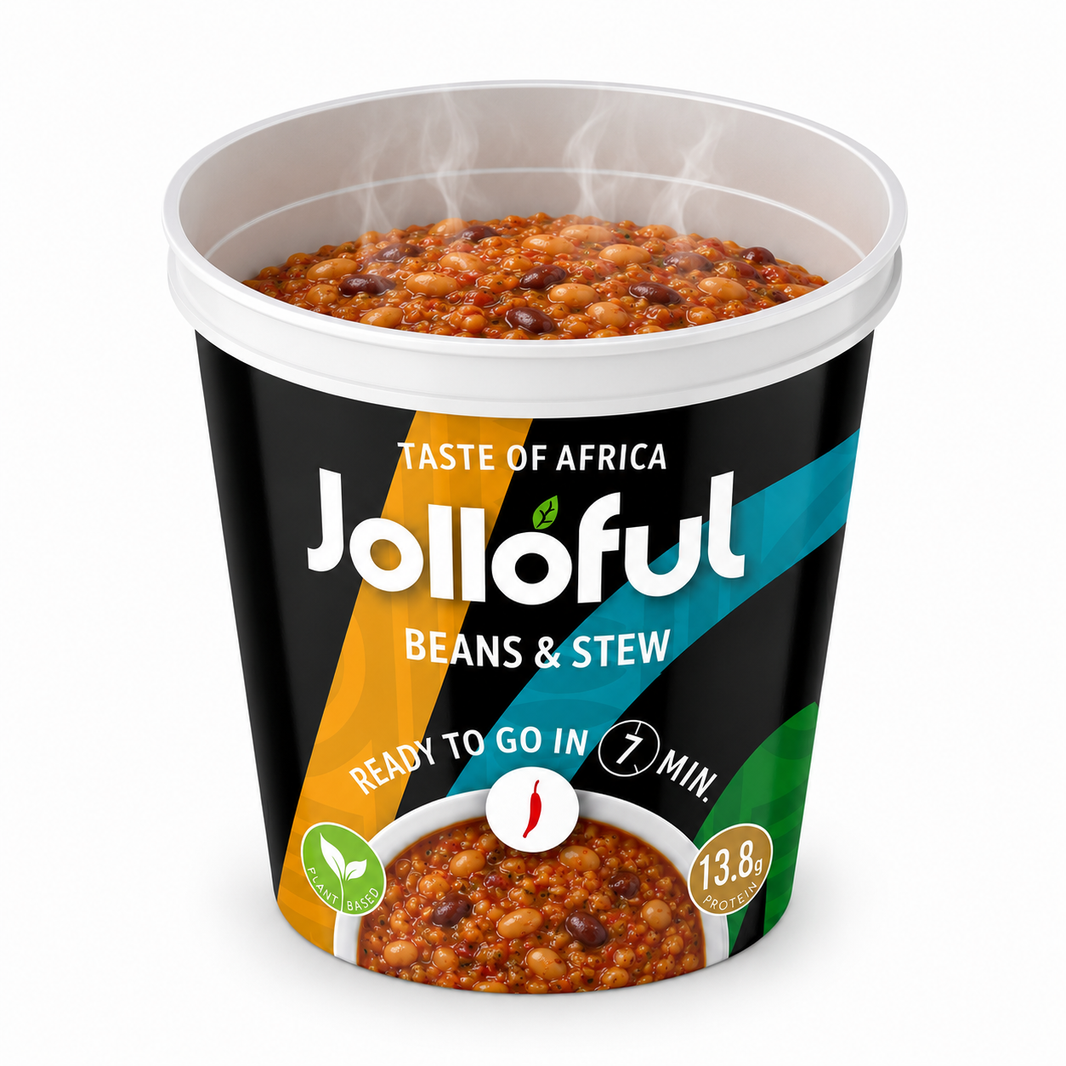
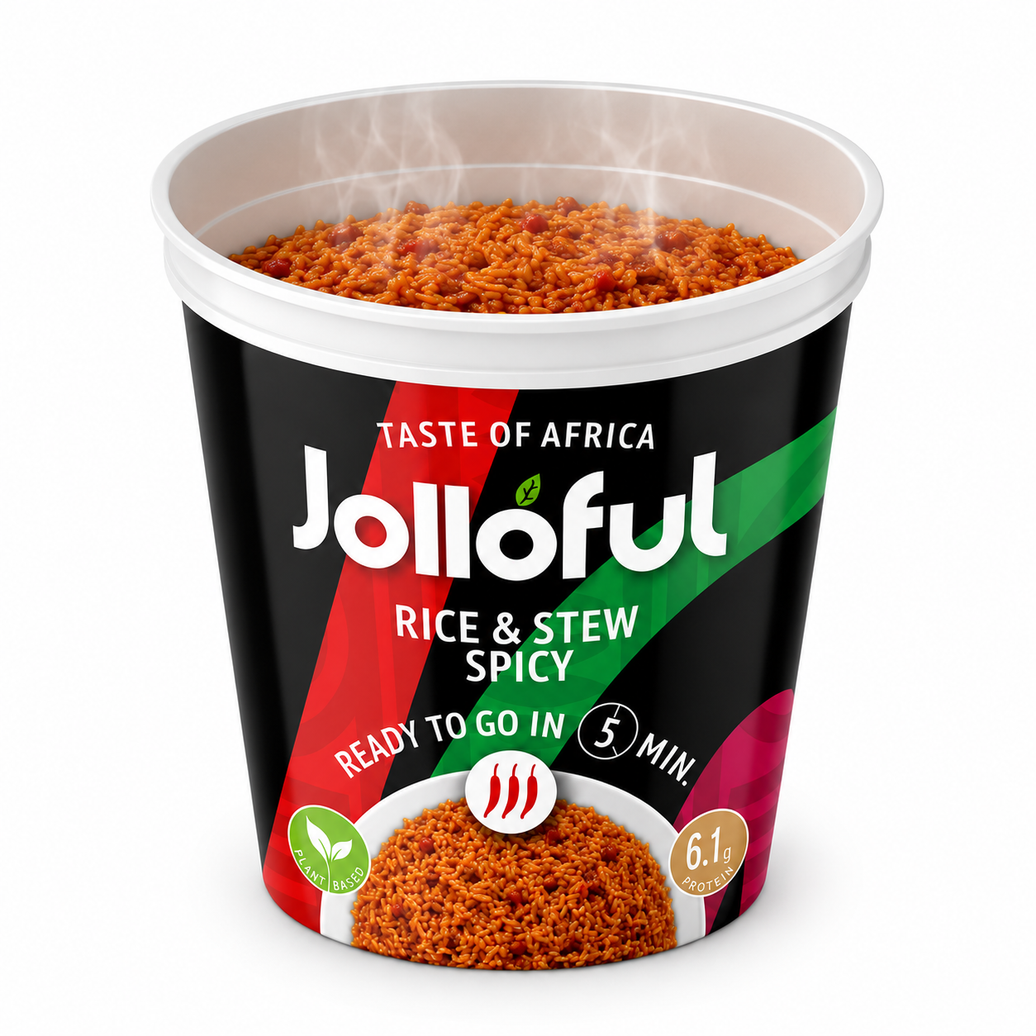
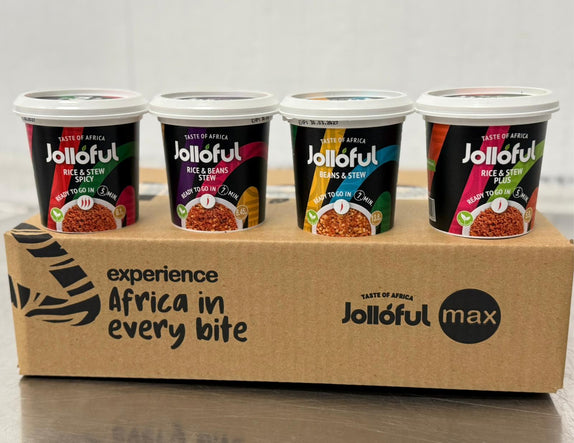
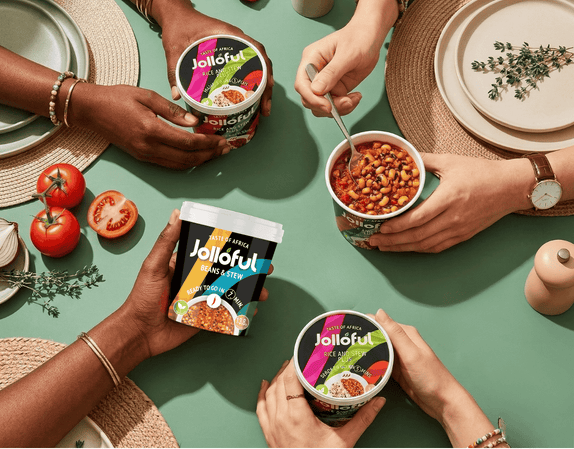
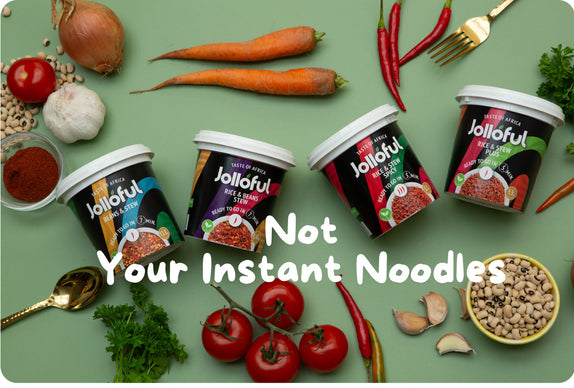
And do not confuse authenticity with complication. A useful pantry should make life easier, not perform cultural theatre on your shelves. If a ready-to-go meal or a well-made shortcut helps you eat better during a packed week, that still counts. In fact, that practicality is very much in the spirit of the pantry itself. Brands like Jolloful are part of that modern shift - making rooted flavours more accessible without flattening them into generic convenience food.
The best pantry is the one that gets used. Keep ingredients that earn their space, learn what each one brings, and let your cooking grow from there. One well-stocked cupboard can change the way you eat all week.


Hinterlasse einen Kommentar