
If you have ever stood in front of a supermarket shelf wondering whether convenience food is helping or quietly sabotaging your week, you are not alone. Are meal cups actually healthy? The honest answer is less dramatic than the packaging on most ready meals - some are thoughtfully made and genuinely useful, while others are little more than fast filler in a tub.
That distinction matters. Meal cups have become a go-to for busy lunches, late dinners, office drawers, student cupboards and travel days when cooking properly is not happening. But "quick" tells you nothing about quality. To work out whether a meal cup deserves a place in your routine, you need to look past the format and pay attention to what is actually inside.
Are meal cups actually healthy, or just convenient?
A meal cup is simply a format, not a nutritional category. A cup can hold heavily processed starch with flavouring powder, or it can hold a balanced meal built from grains, vegetables, legumes, spices and sensible seasoning. Calling all meal cups unhealthy makes about as much sense as calling all sandwiches unhealthy.
What makes the difference is the recipe. Ingredient quality, how much processing has happened, the amount of salt, whether the meal offers protein and fibre, and how full it keeps you for the calories - those are the real questions.
Convenience food has a poor reputation for a reason. Plenty of products are designed around low cost, long shelf life and addictive taste rather than nourishment. That usually means refined carbohydrates, excess sodium, artificial additives and not much in the way of vegetables or protein. If that is your benchmark, meal cups can look suspicious.
But the category has moved on. Better brands are proving that shelf-stable does not have to mean nutritionally empty, and that fast meals do not need to imitate instant noodles to be successful. A well-made meal cup can be practical, flavourful and reasonably balanced at the same time.
What actually makes a meal cup healthy?
Start with the ingredient list. The shorter and more recognisable it is, the better the sign. If you can see real foods - rice, beans, grains, vegetables, herbs, spices, oils you would use at home - that is usually more encouraging than a long list of stabilisers, flavour enhancers and artificial colourings.
Then look at protein and fibre. These two do a lot of heavy lifting when it comes to satiety. A meal cup that gives you carbohydrates but barely any protein or fibre may feel filling for half an hour, then leave you prowling for snacks by mid-afternoon. Beans, lentils, peas and grains can all help create a more complete meal, especially for people who want plant-based convenience that still feels substantial.
Sodium is another big one. Shelf-stable foods often rely on salt for flavour and preservation, so some meal cups can be surprisingly high in it. That does not mean they are automatically unhealthy, but it does mean context matters. If the rest of your day is already salt-heavy, your "quick lunch" may tip the balance further than you realise.
Finally, think about energy density. Does the meal give you real nourishment for its calorie count, or is it mostly starch and seasoning? A healthy meal cup should do more than technically stop hunger. It should support your day without leaving you flat, bloated or hungry again too soon.
The ingredients test matters more than the marketing
Front-of-pack claims can be useful, but they are not enough. "Natural", "high protein", "vegan" and "low fat" all sound promising, yet none of them guarantees a genuinely balanced product.
A low-fat meal cup, for instance, may compensate with extra sugar or sodium. A high-protein option may still be heavily processed. A vegan cup can be excellent, or it can be nutritionally thin. Health is rarely about one claim in isolation.
This is where culturally rooted food often has an edge when it is treated with respect. Traditional African-inspired meals built around beans, grains, vegetables and spice can naturally offer fibre, flavour and satisfaction without depending on artificial shortcuts. When brands stay close to real ingredients rather than stripping dishes down into bland convenience formulas, the result usually feels more like food and less like product.
That is also why clean labels matter. No artificial colour and no added preservatives will not turn an unbalanced meal into a healthy one, but they can be a sign that the brand is not trying to manufacture flavour through chemistry alone. Real food should still taste like something.
Where meal cups usually go wrong
The weakest meal cups tend to fail in predictable ways. They are often too salty, too low in protein, too reliant on refined starch and too light on vegetables. Some are sold as full meals when they are really closer to a snack.
Portion size can be misleading too. A cup may look substantial, but once prepared it might not be enough for an adult lunch unless you add something alongside it. That is not necessarily a problem - many people pair a meal cup with fruit, yoghurt or a boiled egg - but it is worth knowing what you are buying.
Another issue is the halo effect. Because a meal cup feels smaller and neater than a takeaway or frozen pizza, people sometimes assume it is automatically healthier. Sometimes it is. Sometimes it is just smaller, and still nutritionally poor.
Are meal cups actually healthy for busy people?
For busy people, healthy does not only mean perfect nutrition on paper. It also means something you will realistically eat instead of skipping meals or ordering whatever is fastest. That practical side matters.
If a meal cup helps you avoid the cycle of missing lunch, crashing at 4 pm and then eating anything in sight, it can absolutely support healthier habits. The right convenience food can reduce decision fatigue, make portioning easier and give structure to chaotic days.
This is especially true for young professionals, students and parents trying to feed themselves between meetings, school runs and deadlines. A meal that is ready in minutes and still contains recognisable ingredients is often a better choice than a pastry at a station, crisps from a vending machine or a delivery app spiral.
That said, no one should pretend every cup is a nutritional hero. Some are emergency food. Some are everyday food. Knowing the difference is what matters.
How to choose a better meal cup
A good rule is to look for balance rather than buzzwords. Check whether the meal contains a meaningful source of protein, some fibre, and ingredients you can recognise without needing a chemistry degree. Watch the sodium, especially if you eat convenience food often, and be realistic about whether the portion is enough for you.
Flavour matters too. People are more likely to stick with better food choices when those choices are genuinely enjoyable. That is where boldly seasoned meals can outperform bland "health food" alternatives. If a cup delivers depth, warmth and proper character, it is much easier to make it part of a sustainable routine.
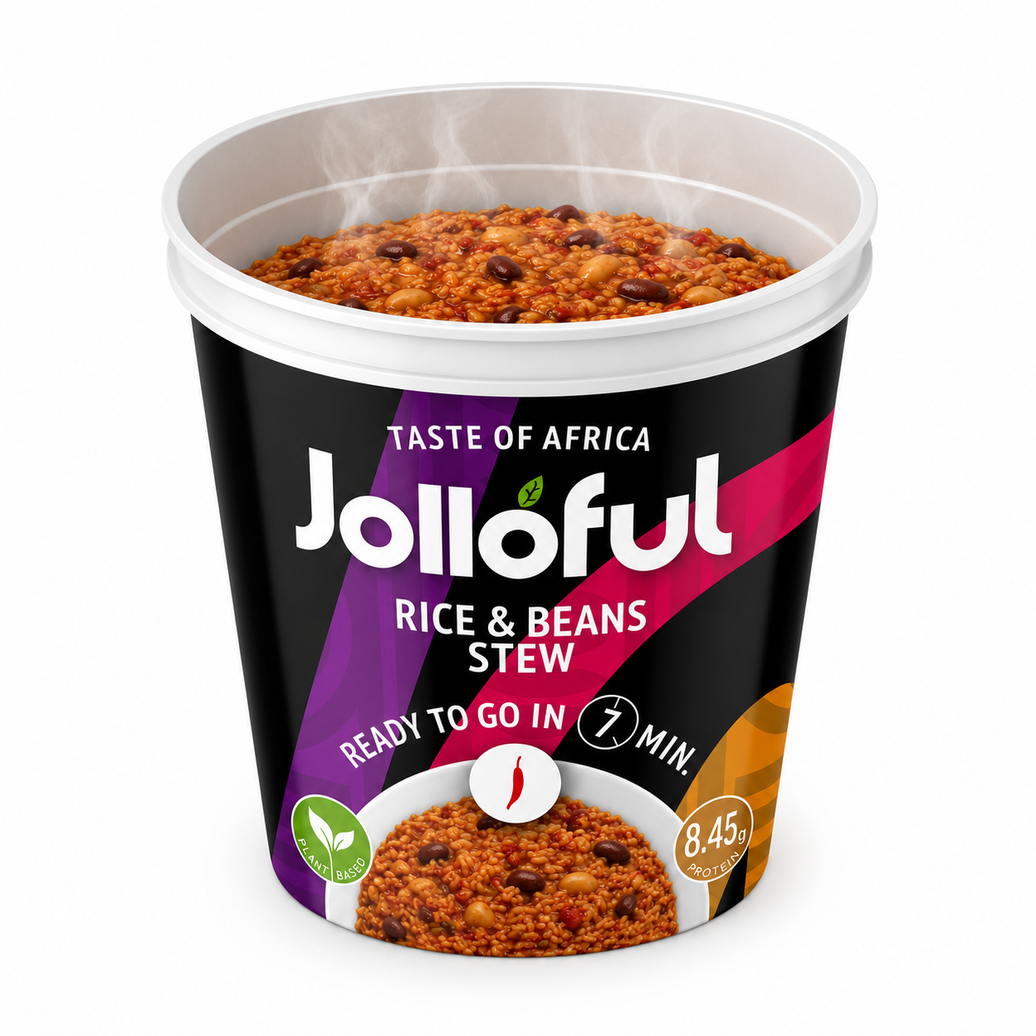
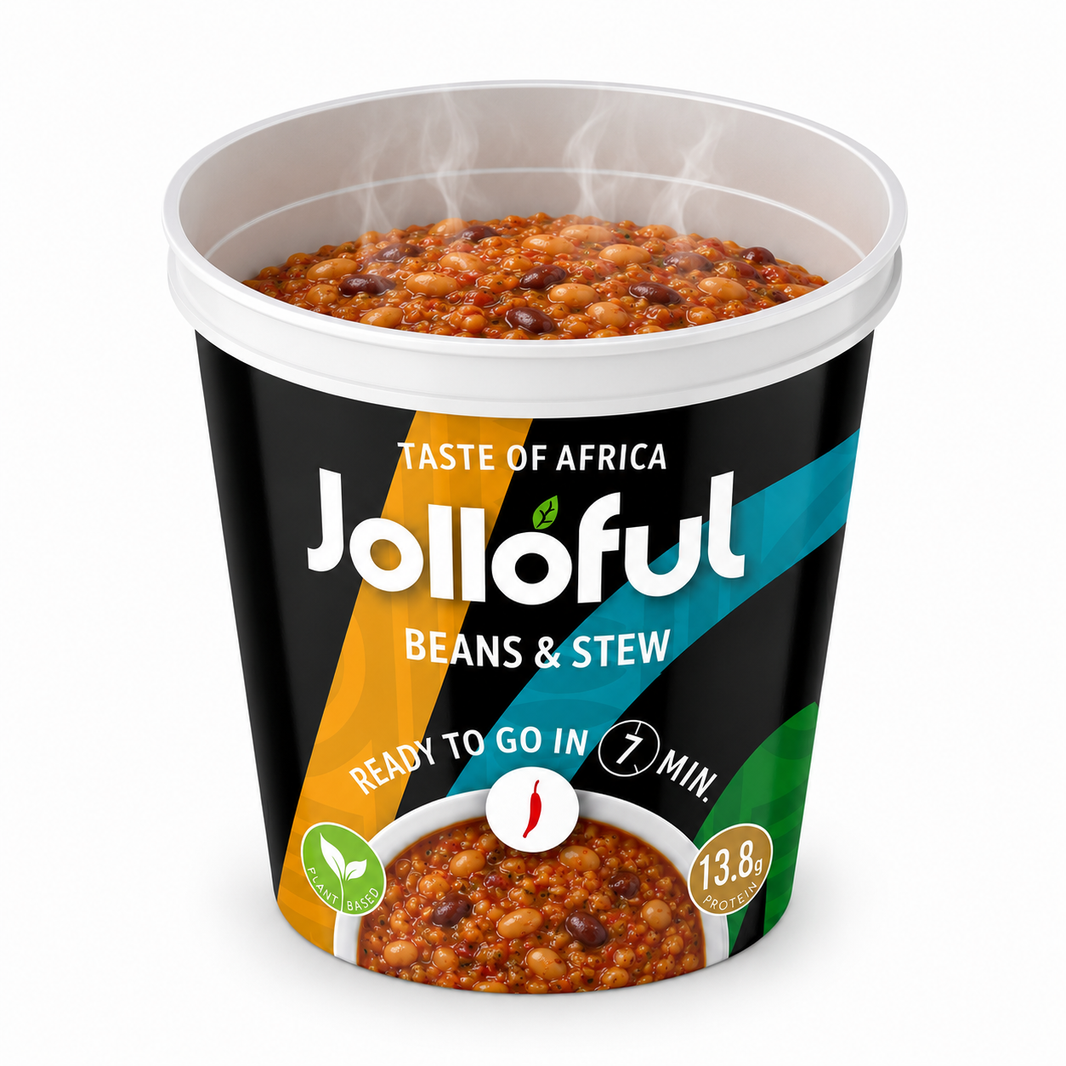
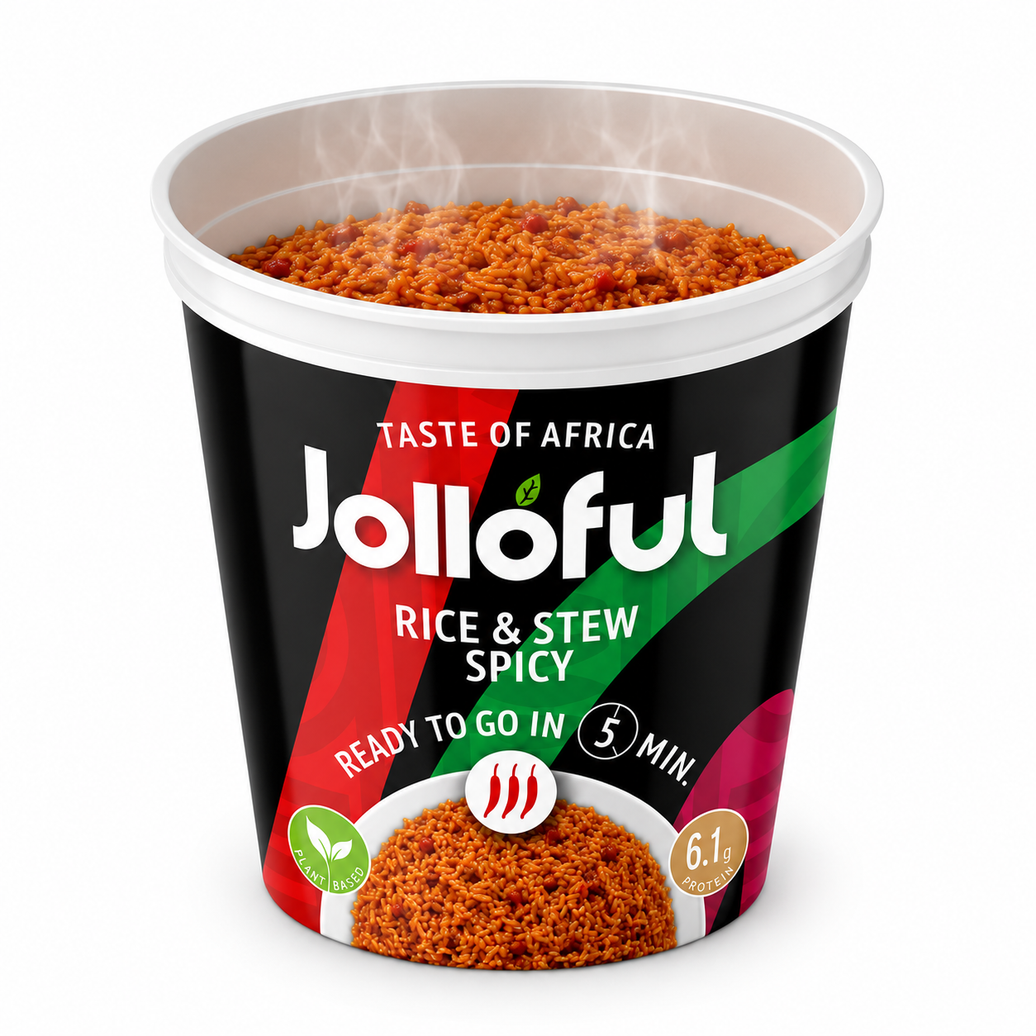
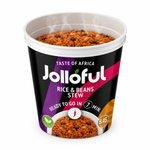
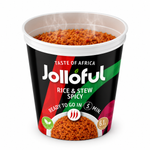
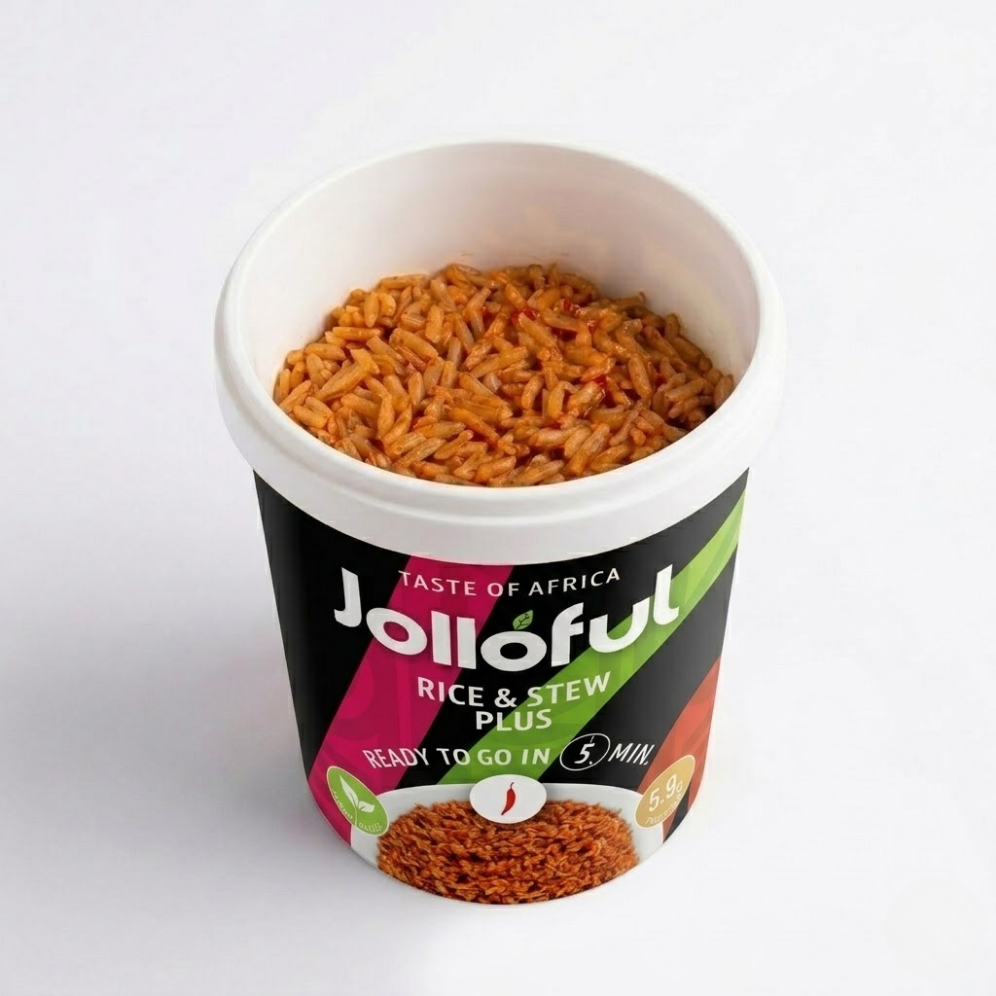
For shoppers across the UK and Europe, this is also where newer pantry-friendly brands are changing expectations. Instead of treating convenience as a licence to lower standards, they are building fast meals around real ingredients and cultural integrity. Jolloful sits in that better-for-you space - shelf-stable, quick to prepare, rooted in African flavours, and designed to feel like actual food rather than a compromise.
The healthiest way to think about meal cups
The smartest question is not whether meal cups are healthy in the abstract. It is whether this specific meal cup fits into a healthy pattern of eating.
If you eat a varied diet, drink enough water, include fruit and vegetables across the day, and use meal cups as one practical tool rather than your entire diet, they can fit very well. If your cupboard is full of ultra-processed, salt-heavy, nutritionally thin cups and little else, that is a different story.
Healthy eating in real life is rarely about purity. It is about repeatable choices that support your energy, satisfy your appetite and work with your schedule. A well-made meal cup can do that. A poor one cannot, no matter how clever the branding.
So yes, meal cups can be healthy. Not because they come in a cup, and not because they promise speed, but because the best ones respect the food itself. When convenience meets real ingredients, proper flavour and cultural authenticity, fast meals stop feeling like a downgrade and start earning their place in the cupboard.
The next time you pick one up, do not ask whether it looks healthy. Ask whether it looks like real food you would be glad to eat again tomorrow.


Leave a comment