


You can tell a lot about a fast meal from what it leaves behind. Cup noodles usually leave you full for an hour and thirsty for the rest of the afternoon. A better instant meal leaves you satisfied, clear on what you just ate, and far less likely to raid the biscuit tin at 4pm. That is the real starting point for instant meals vs cup noodles: not just speed, but what kind of convenience you are actually buying.
For years, cup noodles owned the quick-meal category. They were cheap, everywhere, and easy to prepare in a student kitchen, office break room or late-night flat. But convenience has moved on. People want fast food that still feels like food - something with real ingredients, proper flavour and a bit more substance than salty broth and springy strands.
Instant meals vs cup noodles: the real difference
At a glance, the two can look similar. Both are shelf-stable. Both are quick. Both often come in cups or compact packaging and only need hot water. But that is where the similarity starts to thin out.
Cup noodles are usually built around dried noodles as the main event, with flavour carried by seasoning powder, oil sachets and a few dehydrated extras. The formula is designed for maximum shelf life and minimum cost. It is convenience in its most basic form.
Instant meals, at least the better kind, are built differently. They are centred on an actual dish rather than a noodle format. That means grains, sauces, pulses, vegetables and layered seasoning can all play a real role. Instead of asking you to accept instant food as a compromise, they try to make speed and flavour work together.
That distinction matters if you care about more than just getting something hot into a bowl in three minutes.
Taste is where cup noodles often fall short
Most people know the cup noodle flavour profile by heart. Salty, savoury, vaguely spicy if you are lucky, with a strong hit upfront and not much complexity after that. It is engineered to be craveable, not memorable.
A proper instant meal aims higher. The flavour has to feel cooked, not just flavoured. You should be able to taste ingredients, not just seasoning. Spice should have character. Heat should build rather than simply burn. If the meal is rooted in a real food tradition, that should come through too.
This is one of the biggest reasons shoppers are rethinking the category. Fast meals used to mean lowering your standards. Now the expectation is different. If people can get barista coffee in seconds and restaurant-level sauces in supermarket aisles, they are not going to keep pretending a cup of soft noodles is the peak of modern convenience.
For diaspora households especially, there is another layer to this. A quick meal is not just fuel. It can also be a point of connection. Familiar spices, recognisable textures and food that actually reflects culture carry far more weight than generic “chicken” or “curry” flavour dust.
Ingredients tell you what the product respects
Read the back of a typical cup noodle pack and you will usually find the same story: refined noodles, a long list of additives, flavour enhancers, palm oil, sugar, and ingredients that sound more industrial than culinary. That does not make every cup noodle identical, and some brands have improved. But the category standard is still built around low-cost formulation.
With instant meals, the ingredient list can reveal a completely different philosophy. Better products lean into whole ingredients, clearer labels and recipes that make sense. You can usually spot the difference quickly. Does the meal read like food, or like a chemistry workaround?
That is not about snobbery. It is about trust. Consumers in the UK and across Europe have become far more label-aware. They want convenience, yes, but not at the cost of eating something that feels stripped of quality. If a product claims to be modern, it should meet modern expectations around ingredients too.
Real food does not need to be complicated. It just needs to feel honest.
Instant meals vs cup noodles on nutrition
Nutrition is where the conversation gets a bit more nuanced. Neither category should pretend to be a fresh, home-cooked supper made from scratch. Shelf-stable convenience food has limits. But those limits are not the same across the board.
Cup noodles are often heavy on refined carbohydrates and sodium while offering modest fibre and protein. The portion can look generous but still leave you nutritionally short-changed. That is why so many people treat them as a stopgap rather than a satisfying meal.
Instant meals can do better when they are built around a fuller mix of ingredients. Grains, legumes and vegetables tend to create a more balanced eating experience. You are more likely to get texture, fibre and a steadier sense of fullness. That does not automatically make every instant meal healthy, of course. Some are still loaded with salt or rely on fillers. It depends on the recipe.
Still, the ceiling is higher. A thoughtfully made instant meal has more room to nourish because it is not trapped inside the old noodle model.
Convenience is not just about prep time
Cup noodles win one argument very easily: they are familiar. Everyone knows how they work. Peel lid, add water, wait, stir, eat. No learning curve.
But instant meals are no longer far behind. Many prepare in five to seven minutes, travel well, and fit easily into workdays, commutes, campus life and tight family schedules. For most people, that extra minute or two is barely the issue.
The better question is what happens after preparation. Does it feel like a real meal? Is the portion satisfying? Would you choose it again when you are not desperate? That is where convenience gets more interesting.
A meal that takes five minutes and leaves you happy is more convenient than one that takes three minutes and sends you looking for crisps straight after. Speed matters, but usefulness matters more.
Cost matters, but value matters more
Cup noodles are often cheaper at the shelf. That is one reason they have stayed popular for so long. If your only filter is price, they will usually come out ahead.
But low upfront cost is not the whole picture. If the meal is nutritionally thin, low in satisfaction and forgettable in flavour, then the value equation shifts. Cheap food that does not really meet the moment can end up feeling expensive in a different way.
A stronger instant meal may cost more, but it can replace the need for add-ons, second snacks or takeaway temptation later on. It can also offer something cup noodles rarely do: a sense that convenience has not flattened the eating experience into pure function.
That is especially relevant for busy professionals and students who are trying to eat better without becoming full-time meal preppers. Paying a bit more for something that tastes like intention, not compromise, can make perfect sense.
Culture is part of quality
This is where the category gap becomes hard to ignore. Mainstream cup noodles tend to flatten food into broad, generic flavours designed for mass familiarity. Even when they borrow from global cuisines, they often reduce them to a shorthand.
A new generation of instant meals is moving in the opposite direction. Instead of sanding off cultural specificity, they lean into it. They treat regional flavour, spice and culinary identity as strengths, not risks.
That shift matters. It means convenience food no longer has to be bland to be accessible. It means diaspora consumers can find faster options that still feel rooted. And it gives curious eaters a more meaningful way into cuisines they may not have grown up with.
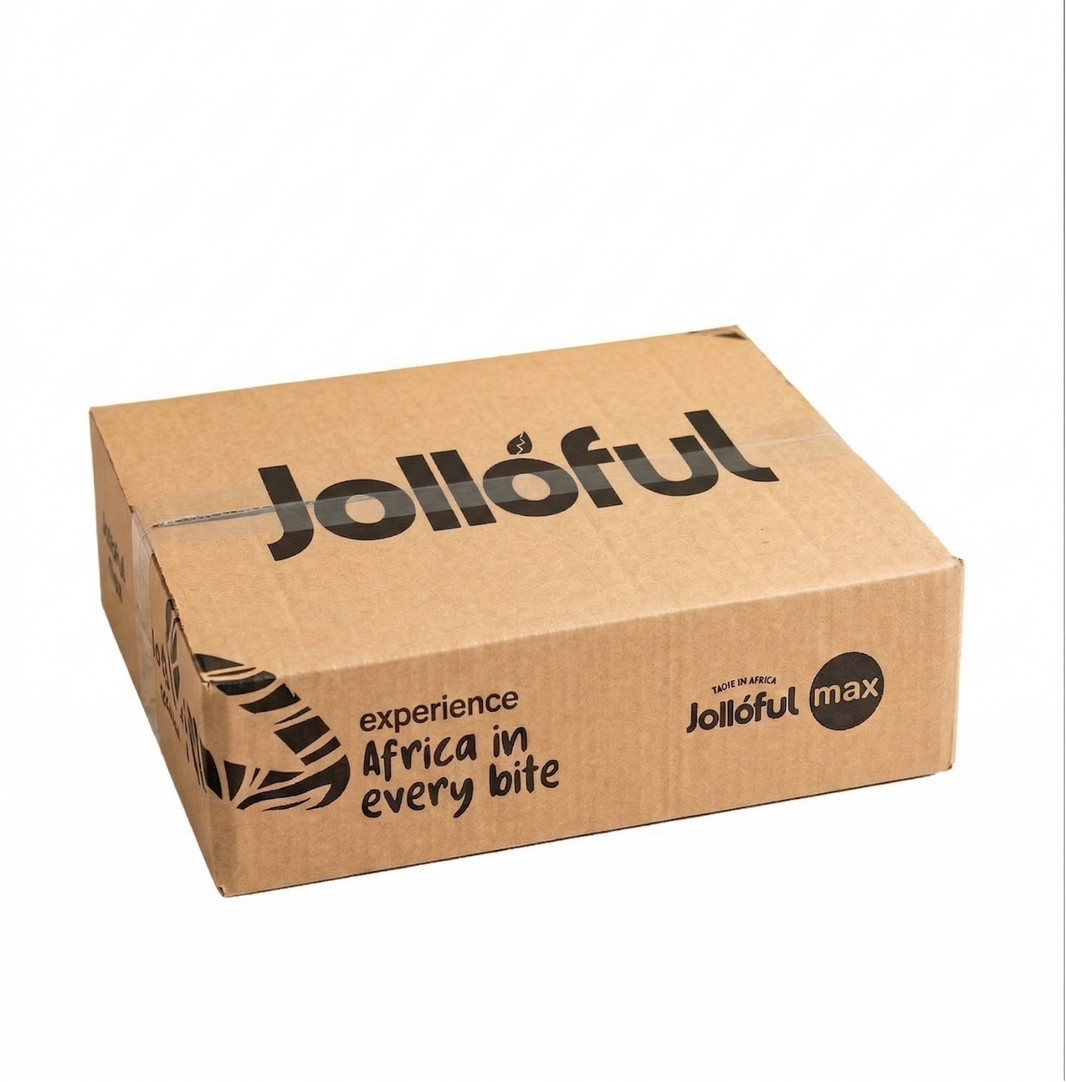
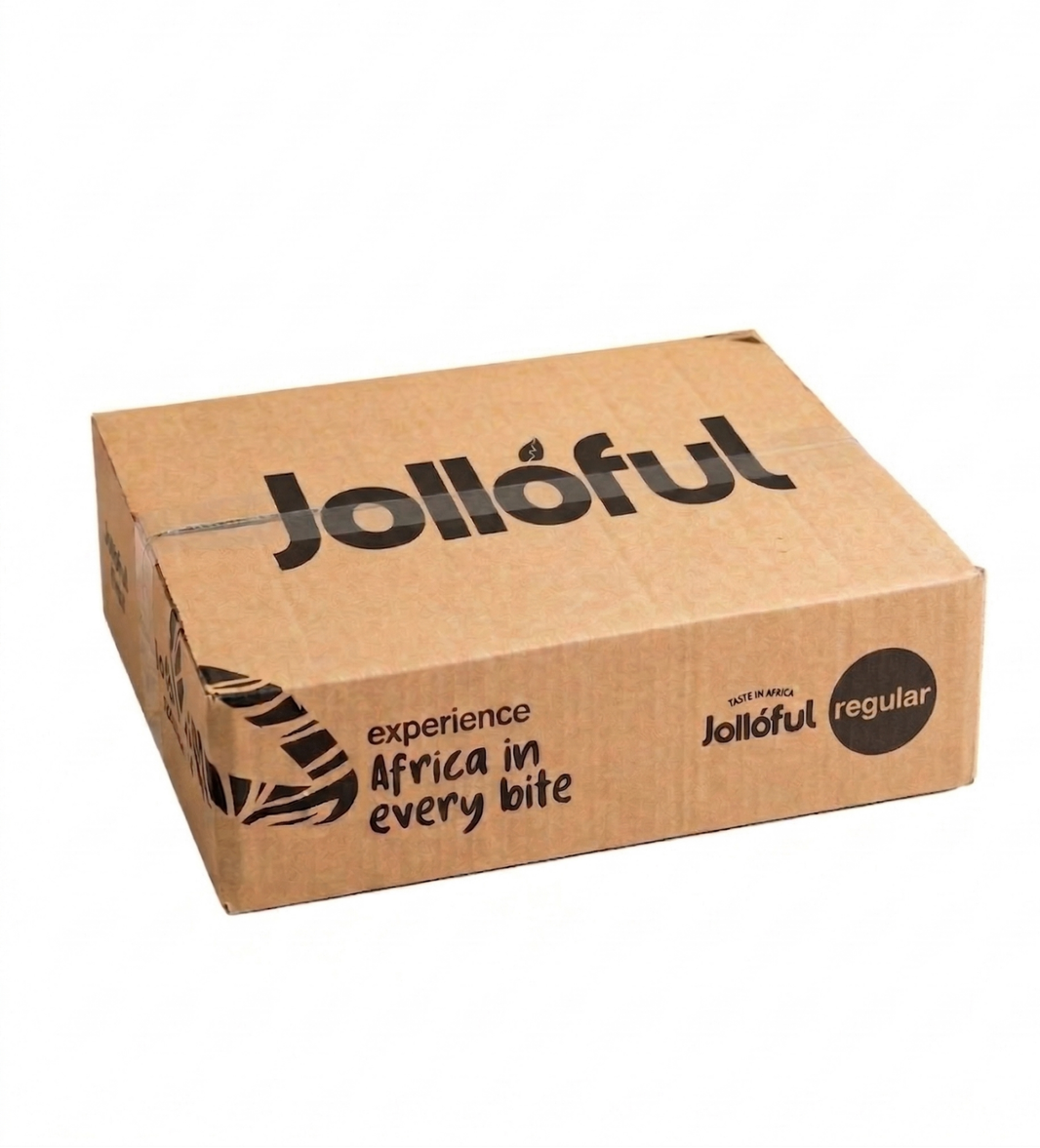
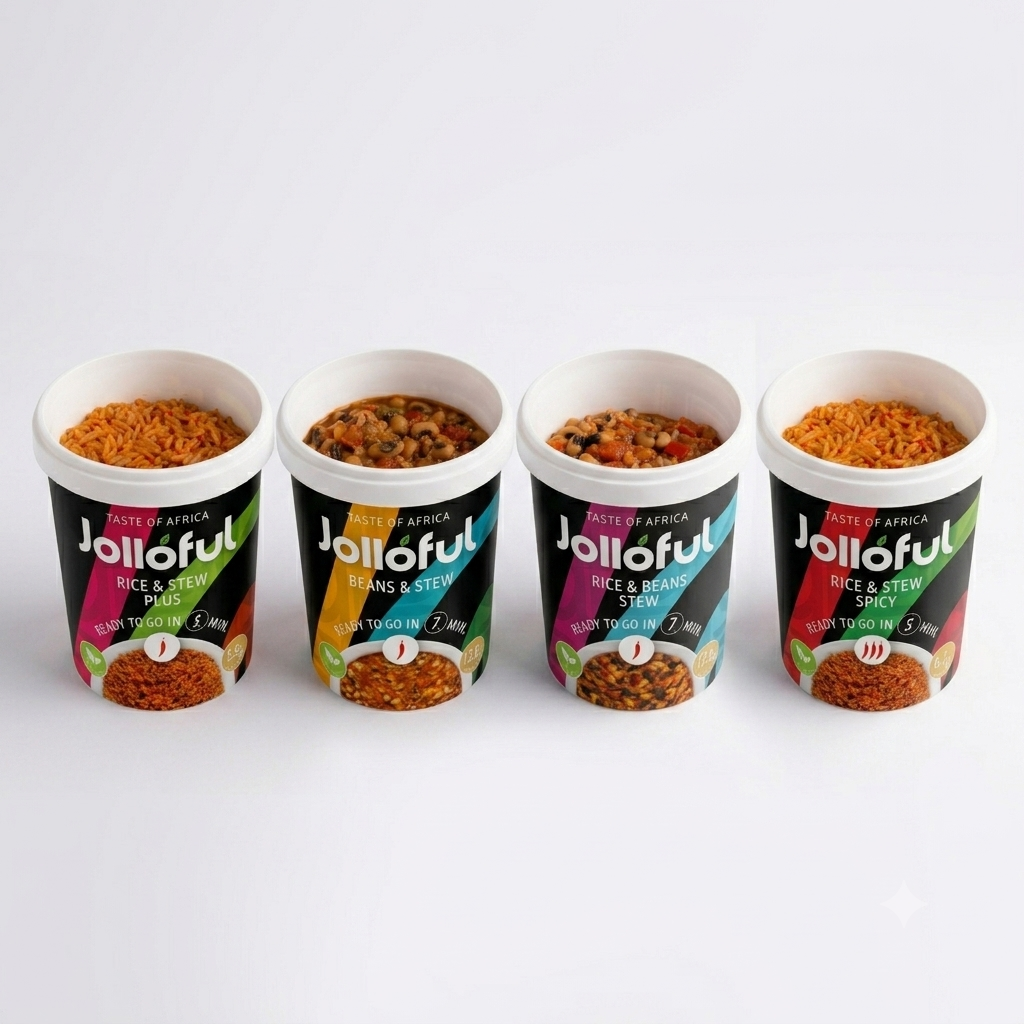
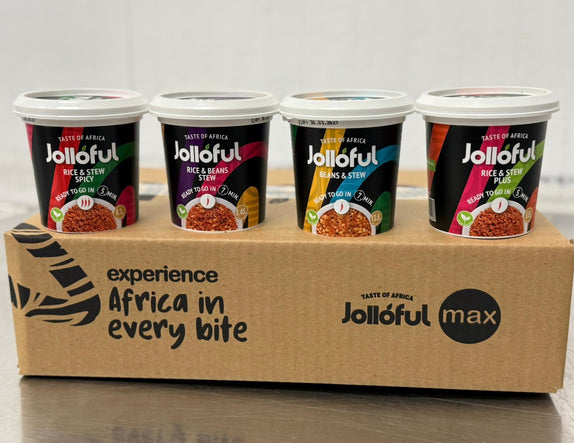
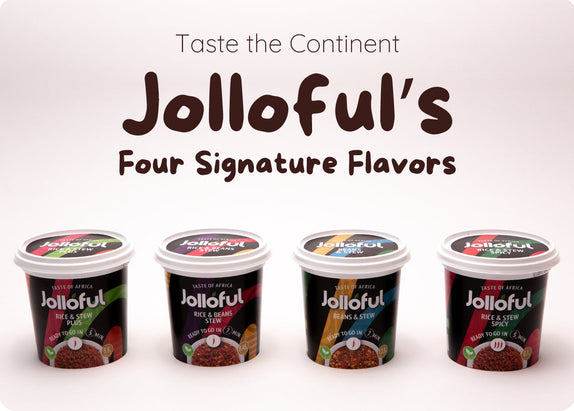
That is part of what makes brands like Jolloful stand out. The point is not to imitate the instant noodle aisle with better branding. The point is to prove that shelf-stable food can be fast, flavourful and culturally grounded at the same time.
So, which one should you choose?
If you want the cheapest possible hot meal and your expectations are modest, cup noodles still have a place. They are easy, familiar and widely available. For some people, that is enough.
But if you care about ingredient quality, flavour depth, better satisfaction and meals that feel closer to real food, instant meals are in a different league. Not all of them are excellent, and some overpromise. Still, the category offers far more potential than cup noodles ever did.
That is the heart of instant meals vs cup noodles. One was built for bare-minimum convenience. The other has the chance to meet modern standards - speed, yes, but also taste, transparency and cultural relevance.
Fast food does not have to feel like a downgrade. If your cupboard is stocked for real life, it should also be stocked for real flavour.


Leave a comment