
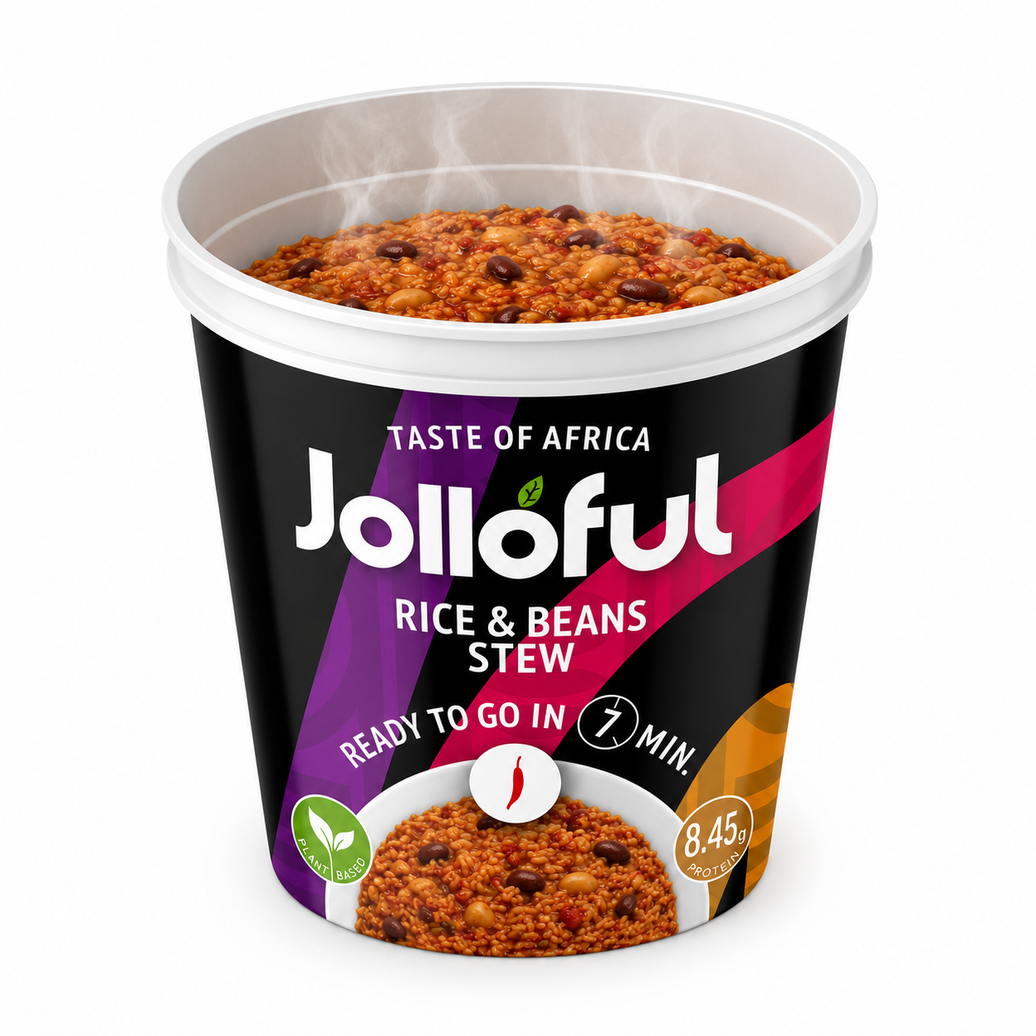
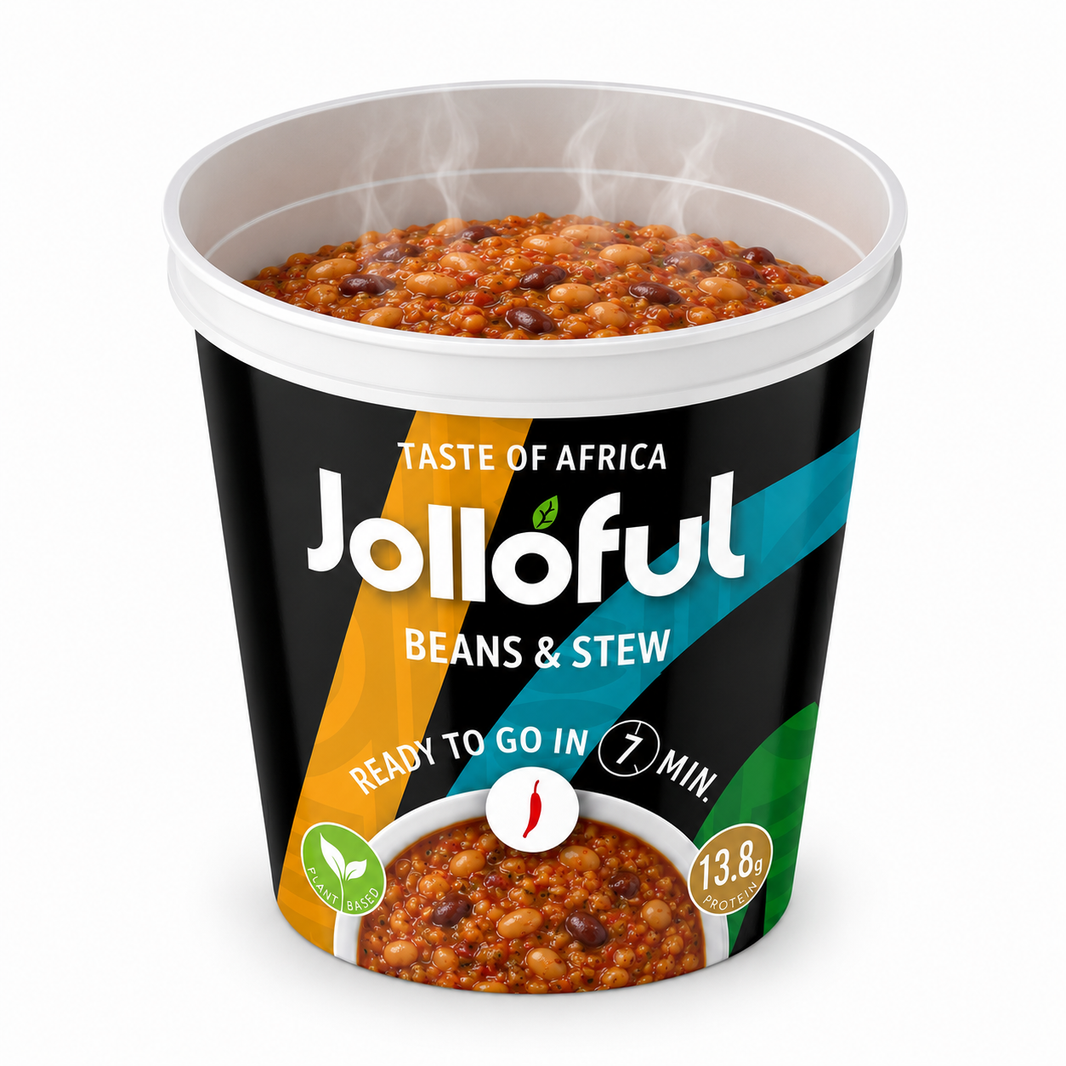
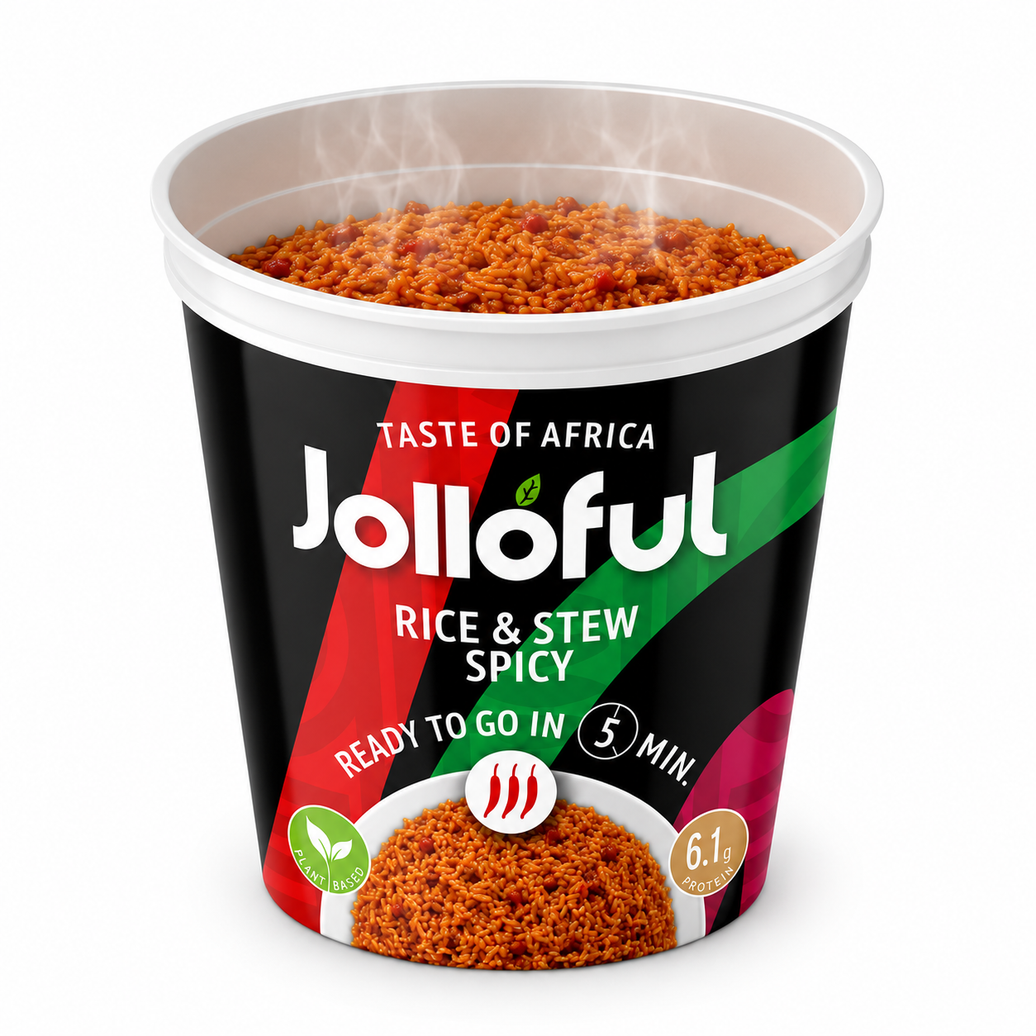
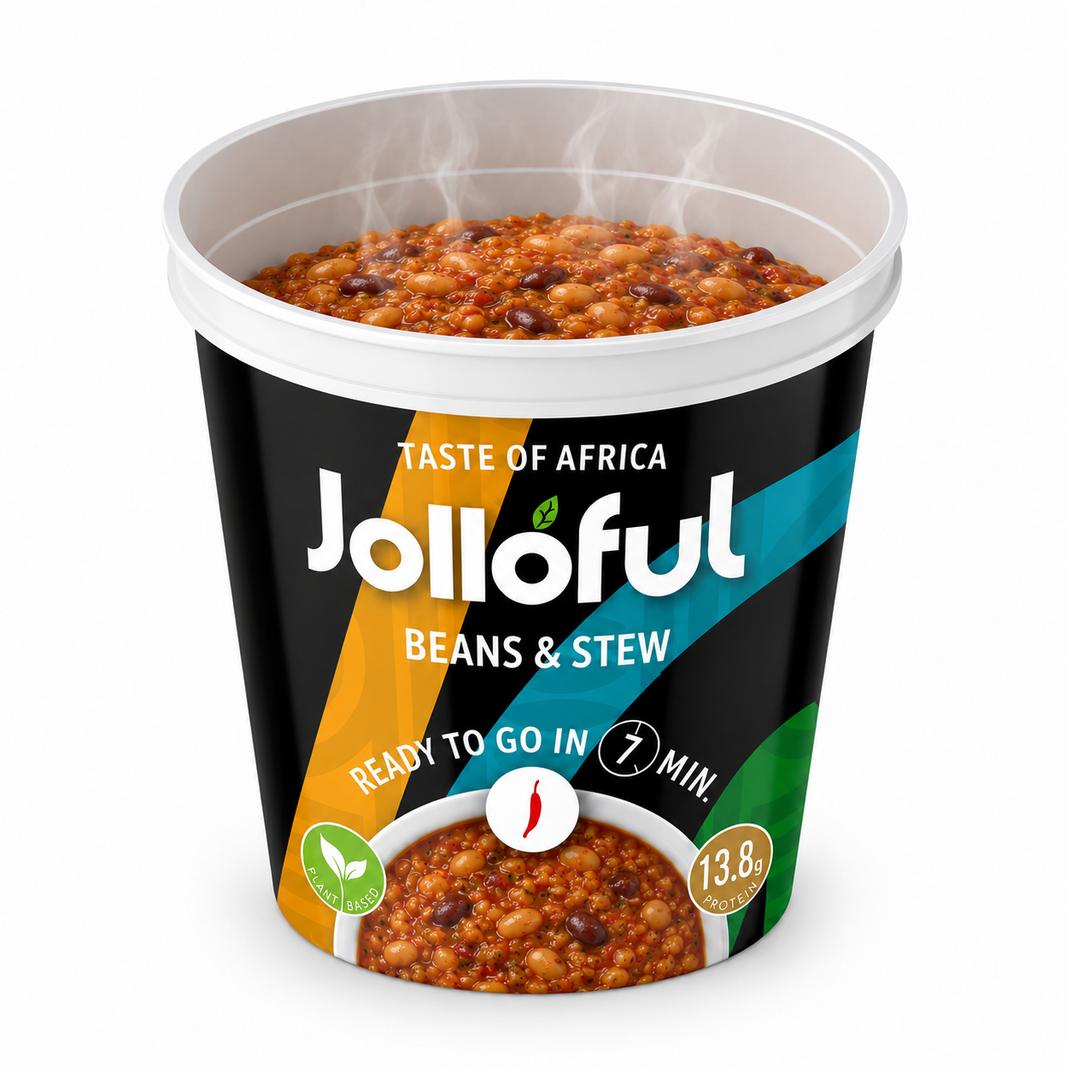
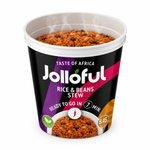
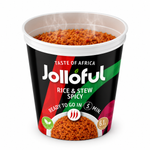

Order your 8-pack / 12 pack box today
A proper authentic African food review should never begin and end with, “It’s spicy.” That shortcut flattens a continent of cuisines into one lazy description. African food can be bright with citrus, deep with smoke, rich with slow-cooked aromatics, nutty with seeds, earthy with leafy greens, or fiery when the dish calls for it. Heat may be part of the experience, but it is rarely the whole story.
For busy people looking for food that is fast, satisfying and genuinely rooted in culture, the better question is this: does the meal still taste like it knows where it comes from? That matters whether you grew up with these flavours at home or are trying them for the first time.
Authentic African Food Review: What Are We Really Reviewing?
Authenticity is not about turning food into a museum piece. Recipes travel. Families adapt them. Ingredients change by region, season and availability. A meal made in a London flat can be every bit as meaningful as one made in a family kitchen elsewhere, provided it respects the flavour logic, ingredients and story behind the dish.
The strongest reviews look beyond a dramatic first bite. They ask whether the seasoning has balance, whether the base ingredients feel recognisable and whether the dish delivers more than a generic “international” flavour. African cuisine deserves the same care people bring to reviewing Italian pasta, Japanese ramen or Indian curries. Specificity is respect.
A good review also separates personal preference from cultural judgement. You may prefer less chilli, more salt or a softer texture. That is useful feedback. Calling a dish inauthentic simply because it is unfamiliar is not. The point is to describe what is on the spoon clearly enough for the next person to make an informed choice.
Flavour Comes First, But It Is Not the Only Test
For a shelf-stable meal, the first test is simple: does it taste like real food? Convenience has earned a poor reputation because too many quick options rely on excessive salt, artificial colour, vague seasoning and a texture that feels engineered rather than cooked. African flavours should not have to accept that standard.
Look for layers. Does the aroma arrive before the first bite? Can you identify the warmth of spices, the savoury depth of vegetables or pulses, and the deliberate use of herbs and seasoning? Does the chilli support the meal rather than drown it out? A well-made dish has a point of view. It should not taste like a bland base with heat scattered on top.
Texture deserves attention too, especially in meals prepared with hot water. Some dishes are naturally soft and comforting; others should retain a little bite. The key is whether the texture feels appropriate to the recipe. A quick meal will not replicate every detail of a dish cooked slowly from scratch, and pretending otherwise is not helpful. But it should still feel satisfying, coherent and worth eating again.
The difference between bold and one-note
Bold food is not automatically hot food. A meal can be mild and still carry enormous character through onions, peppers, fermented notes, warming spices, greens or rich savoury depth. Equally, a hot dish can be beautifully balanced when the heat has freshness and flavour behind it.
In an honest review, say what kind of spice you are tasting. Is it a slow warmth, a sharp kick or a smoky burn? Is it enjoyable at a full serving, or does it overpower everything after three bites? That level of detail helps chilli-lovers and cautious eaters alike.
Convenience Should Not Mean Cultural Compromise
The modern need is real. Work runs late. Children need feeding. Students have limited kit and limited time. A meal that is ready in five to seven minutes can make the difference between eating properly and settling for another forgettable snack.
But speed alone is not a triumph. The real achievement is keeping flavour, ingredient integrity and cultural identity intact while making food practical for contemporary routines. That is where a review should be demanding.
Check the ingredient list. Are the ingredients understandable? Is the product relying on artificial colour or unnecessary preservatives? Does it offer a meal with substance, rather than a heavily processed filler designed only to sit on a shelf? Shelf stability is useful. It should not be confused with low standards.
There are trade-offs, of course. A dried meal may have a different texture from a freshly prepared version. A compact pack cannot offer every garnish, side or finishing touch found at a big family meal. The best brands are upfront about that. They focus on making a credible, flavourful everyday option, not a flimsy imitation of a restaurant feast.
Representation Is Part of the Taste
Food is never just food when it carries memory. For people in the African diaspora, a familiar aroma can bring back family gatherings, school holidays, busy kitchens and the comfort of being understood without explanation. For someone new to African cuisine, it can be a first invitation into flavours that mainstream supermarket shelves have overlooked for far too long.
That means representation matters. Who is making the product? Are African recipes treated as a source of real culinary knowledge, or simply as a trend to borrow from? Is the language respectful and specific, or does it lean on tired clichés about “exotic” food? The answers shape trust.
A credible brand does not need to claim that one meal speaks for all of Africa. It cannot. Africa contains vast regional, national and local food traditions. What it can do is name its inspiration clearly, honour particular flavour traditions and make room for people to be curious without being patronised.
Jolloful approaches that challenge with a clear belief: fast food can still be real food, rooted in culture. That is a more exciting standard than asking African meals to fit the bland expectations of the convenience aisle.
How to Write a Better Authentic African Food Review
Start with the practical facts: preparation time, portion size, aroma and texture. Then move to flavour. Describe the first taste, the finish, the level and type of heat, and whether the seasoning feels balanced. Avoid treating “spicy” as a complete verdict.
Next, consider value. A premium shelf-stable meal may cost more than a basic packet meal, but the comparison should be fair. Better ingredients, fuller flavour and a meal that genuinely keeps you going have value. On the other hand, premium positioning is not a free pass. If the portion is too small, the preparation instructions are unclear or the flavour feels timid, say so.
Finally, explain who would enjoy it. A deeply spiced meal may be ideal for someone who wants a proper kick after a long day, while a gentler option may be the better introduction for a first-time buyer. This is more useful than declaring a dish universally good or bad.
The Standard Should Be Higher
African food does not need to be softened, simplified or treated as a novelty to belong in busy British kitchens. It belongs there because it is delicious, varied and built on serious culinary traditions. The opportunity is not to make it less African for convenience. It is to make convenience worthy of African food.
So when you read or write an authentic African food review, expect more than a heat rating and a quick star score. Look for flavour with depth, ingredients with purpose and a product that respects both your time and the culture on the plate. That is how everyday meals become something worth coming back to.


Leave a comment