
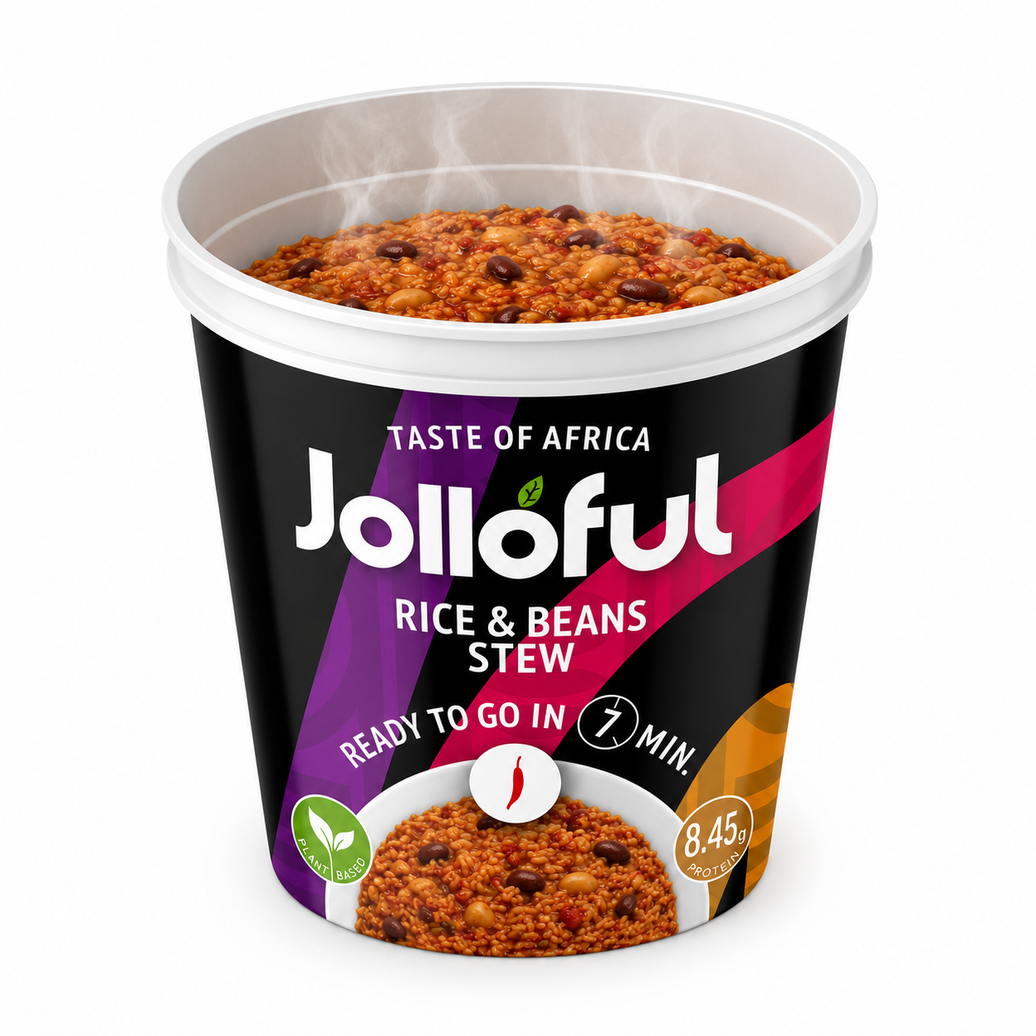
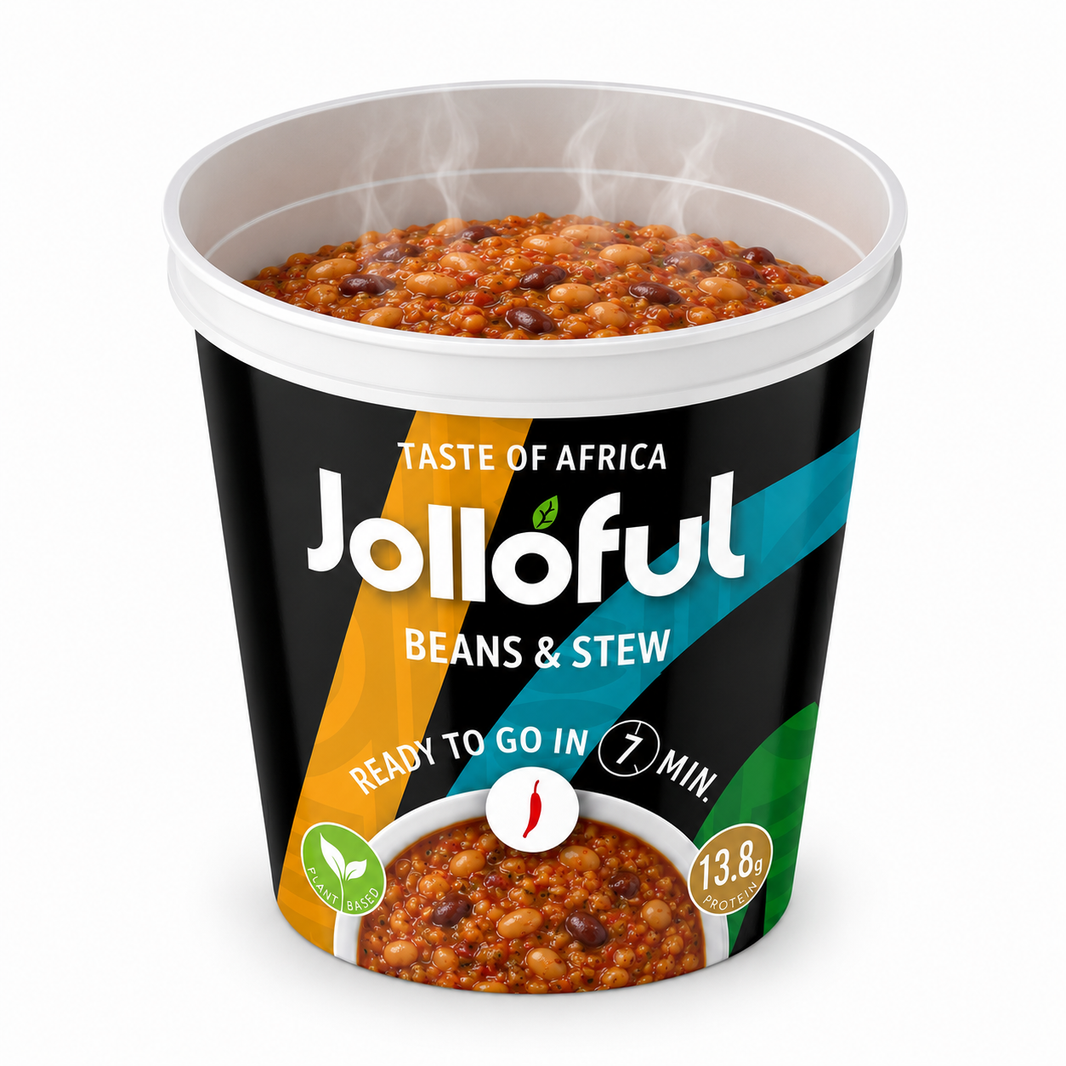
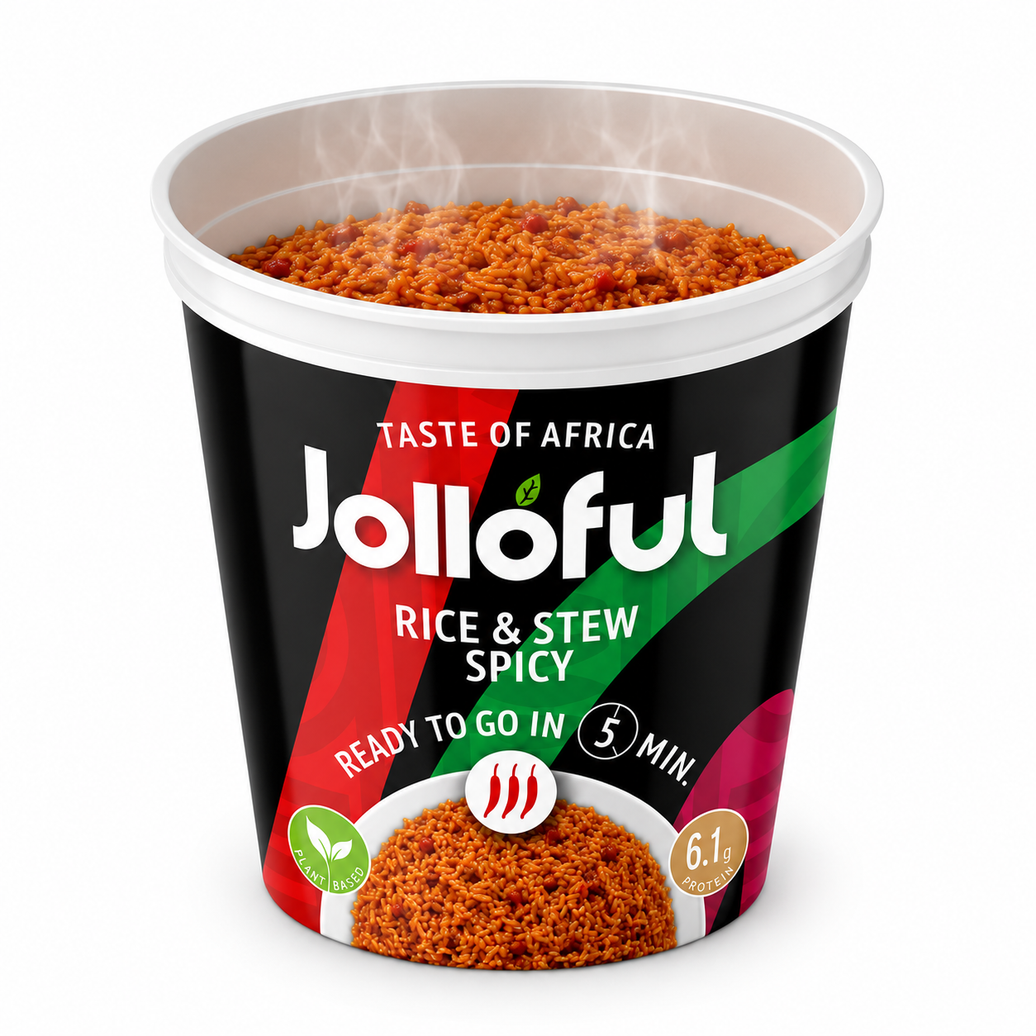
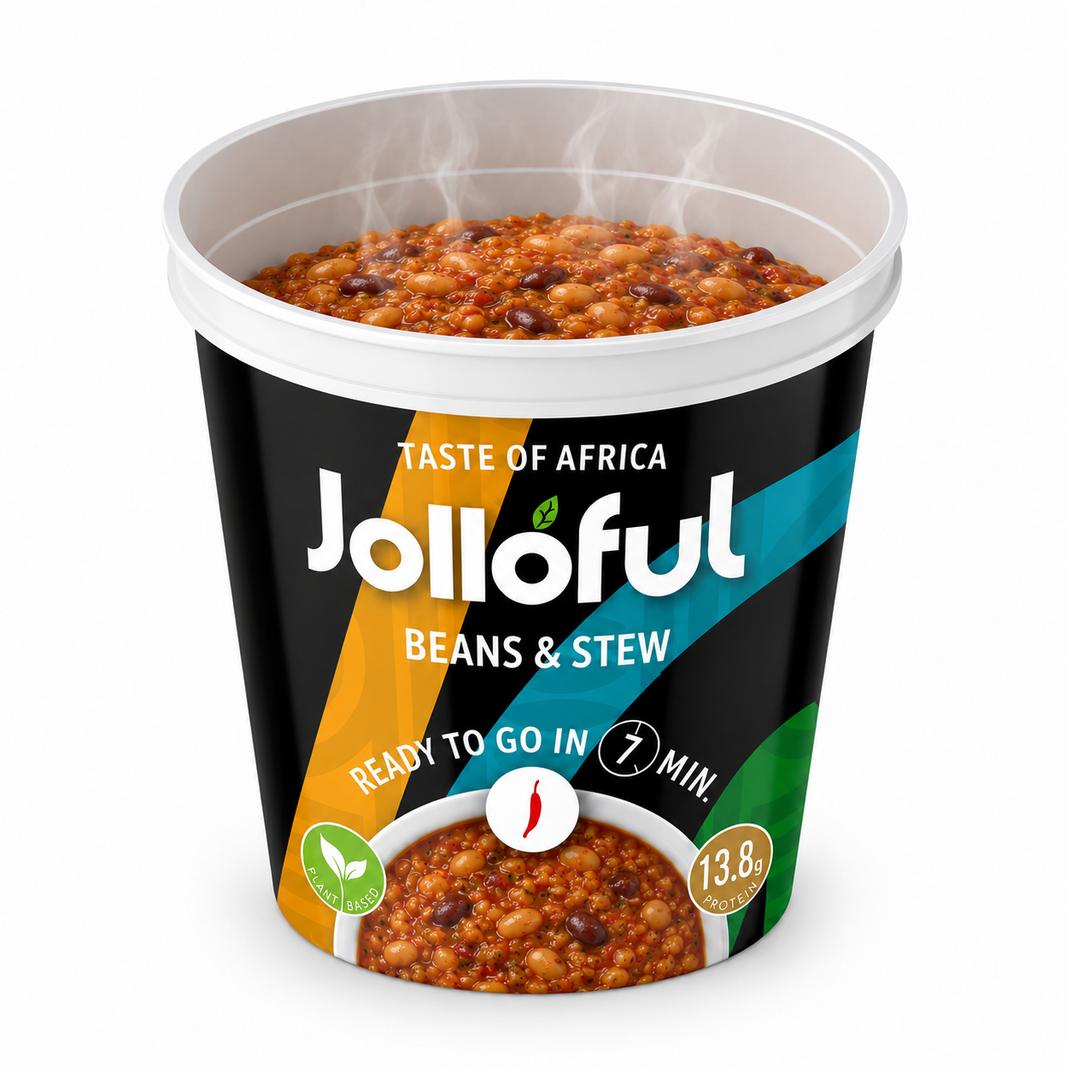
Order your 8-pack / 12 pack box today
A good guide to modern African cuisine starts with one clear idea: African food is not one flavour, one recipe or one way of eating. It is a continent-spanning collection of food cultures, shaped by local crops, trade, migration, family rituals and fearless seasoning. The result is food with depth - the kind that makes a quick weekday meal feel like an actual meal.
For busy households, that matters. Convenience should not mean beige, bland or overly processed. Modern African cuisine makes space for heritage and speed at the same table: aromatic grains, richly seasoned sauces, beans, greens, smoky peppers and warming spices, prepared in ways that fit real life.
What modern African cuisine really means
Modern African cuisine is not a departure from tradition. It is tradition moving with the people who cook and eat it. A family recipe may be made with ingredients available in a British supermarket. A classic stew might be served with roasted vegetables rather than its usual accompaniment. A shelf-stable meal can carry the familiar heat, fragrance and comfort of home when fresh cooking is not possible.
The word “modern” can mean many things, so it is worth being precise. It can refer to contemporary restaurant cooking, diaspora-led recipe innovation, better packaging, plant-forward meals or simply a more practical route to eating foods rooted in African culinary traditions. It should not mean flattening distinct cuisines into a vague category called “African”. Nigerian food, Ethiopian food, Ghanaian food, Kenyan food, Senegalese food and South African food each have their own ingredients, techniques and food stories.
That variety is the point. Start with curiosity, not assumptions.
The flavours that make a meal sing
Many people meet African cuisine through heat. Chilli is certainly present in plenty of dishes, but spice is only one part of the picture. The deeper appeal comes from layers: savoury umami, bright acidity, smoke, sweetness, earthiness and slow-building warmth.
A meal might begin with onions, garlic and ginger cooked down until fragrant. It may gain richness from tomatoes, peppers, groundnuts, beans, dried seafood or fermented ingredients. Fresh herbs, citrus, smoky spices and chilli can then bring lift and energy. The goal is not always maximum heat. It is balance and character.
That is why a good African-inspired pantry is more useful than a single “African seasoning”. Look for individual ingredients and learn what they do. Smoked paprika adds depth, ginger brings brightness, Scotch bonnet brings both fruitiness and fire, while ground cloves and nutmeg can add gentle warmth when used with restraint. Palm oil has an unmistakable flavour and colour in several West and Central African traditions, but it is not a universal ingredient and should never be treated as one.
A practical guide to modern African cuisine
If you are new to these flavours, begin with meals that offer an easy win. Choose something with a clear base - grains, beans, noodles, vegetables or a hearty sauce - then add a protein or side you already enjoy. This keeps the experience approachable without diluting the food into something unrecognisable.
A richly seasoned tomato and pepper sauce, for example, can work with grilled chicken, roasted cauliflower, prawns or beans. Groundnut-based sauces bring creamy savouriness to vegetables and protein. Spiced lentils can make an economical, satisfying lunch. Flatbreads, steamed grains, roots and plantain all bring different textures and are worth trying when you are ready to expand the plate.
There is no single correct way to build the meal. That depends on the dish, the region and the cook. What helps is giving each element a role: something saucy, something starchy, something fresh or sharp, and perhaps something grilled or crisp. A spoonful of yoghurt, a squeeze of lemon or a simple cucumber salad can cool and brighten a meal with real chilli heat.
Let your taste lead, not a heat scale
A common mistake is treating African food as a test of bravery. It is food, not a dare. If you are chilli-sensitive, start with a small amount and build. You can always add more heat at the table, but you cannot easily take it out of a finished pot.
For diaspora households, the opposite can also be true. A meal that is labelled “mild” may still need a little extra pepper, seasoning or a familiar side to feel right. Modern convenience works best when it leaves room for your own taste.
Real food can still be fast
A long-simmered meal has its place. So does a five-minute lunch between meetings, a quick dinner after the commute, or something reliable to keep in the cupboard when the fridge is looking bare. These are not competing ideas. They are different answers to different days.
The trade-off is honest: a shelf-stable meal will not replace every detail of food cooked from scratch for hours. But it can deliver a meaningful, flavour-packed alternative to generic instant options, especially when made with recognisable ingredients and recipes that respect where they come from.
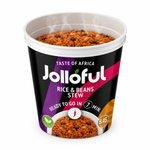
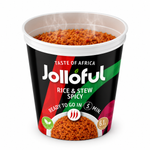
That is the space Jolloful is built for: ready-to-go African meals with real flavour, no artificial colour and no added preservatives. Add hot water, wait a few minutes, and use the time you saved to make the meal your own. A handful of fresh herbs, sliced avocado, leftover roast chicken or a fried egg can turn a quick bowl into a fuller plate.
Build a cupboard that works harder
You do not need to buy everything at once. Build gradually around ingredients you will genuinely use. Tinned beans, chopped tomatoes, onions, garlic, ginger, stock, rice, dried chillies and a few reliable spices can take you far. Add plantain, cassava, millet, fonio or specific regional condiments when you find a recipe or product that calls for them.
Be thoughtful about substitutions. Swapping one leafy green for another is often practical. Replacing a defining ingredient simply because it is unfamiliar may change the dish completely. If you cannot source something, look for a recipe designed around what is available rather than forcing a poor substitute.
This is particularly useful in the UK, where African grocers and larger supermarkets offer more choice than ever, but availability still varies by neighbourhood. A good shortcut is not a compromise when it gets good food on the table more often.
Cook with respect, eat with confidence
Modern African cuisine deserves the same attention given to Italian, Japanese or Mexican food: name the dish where possible, recognise the region, and avoid presenting one recipe as the voice of an entire continent. Respect does not require perfection or a culinary history degree. It asks for care, credit and a willingness to keep learning.
It also means dropping the idea that authenticity is frozen in time. Food travels. Families adapt recipes. Students cook with limited equipment. Parents make weeknight versions. Diaspora kitchens create new traditions. The most exciting food cultures have always changed while keeping their foundations close.
Try one new flavour, then make it part of your routine. Keep the dishes that make you pause after the first bite. Let your cupboard hold more possibility than another plain packet meal. Real food, rooted in culture, belongs on a busy table too.


Leave a comment