
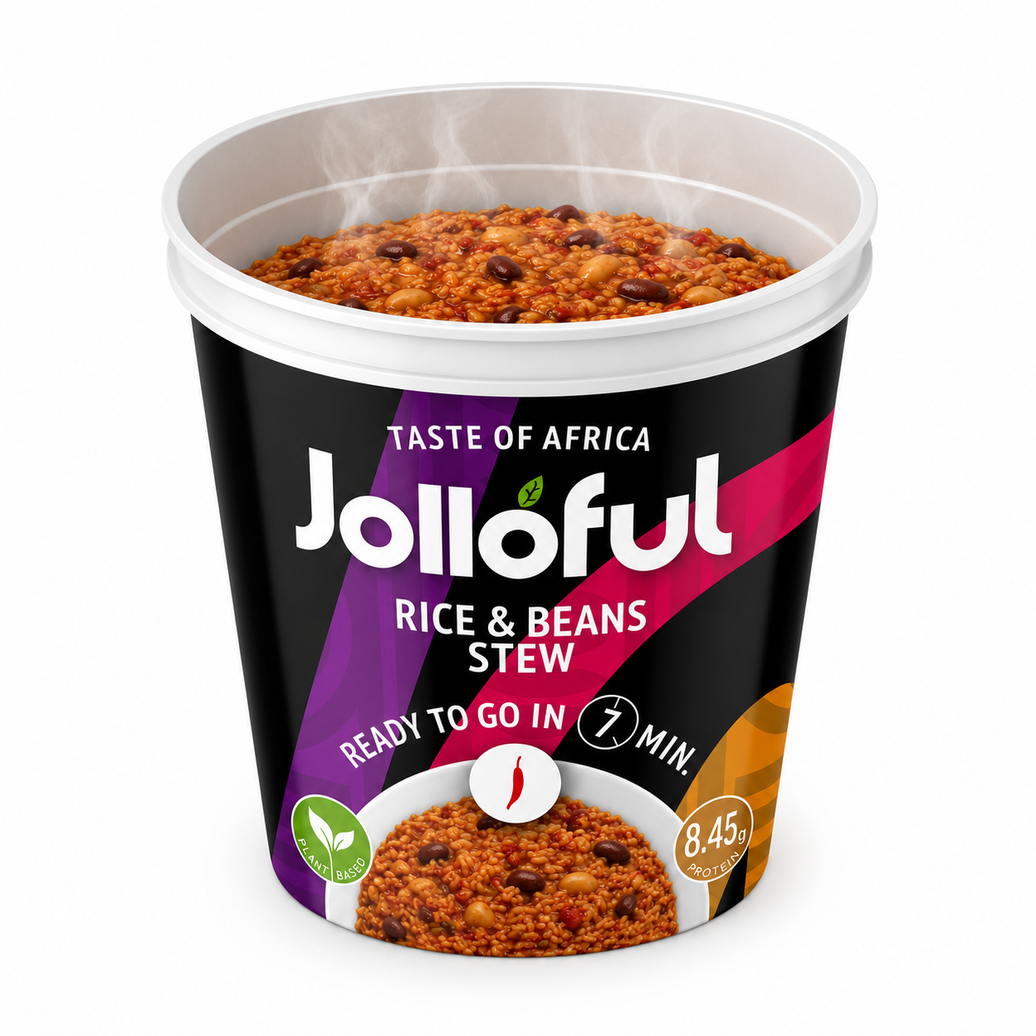
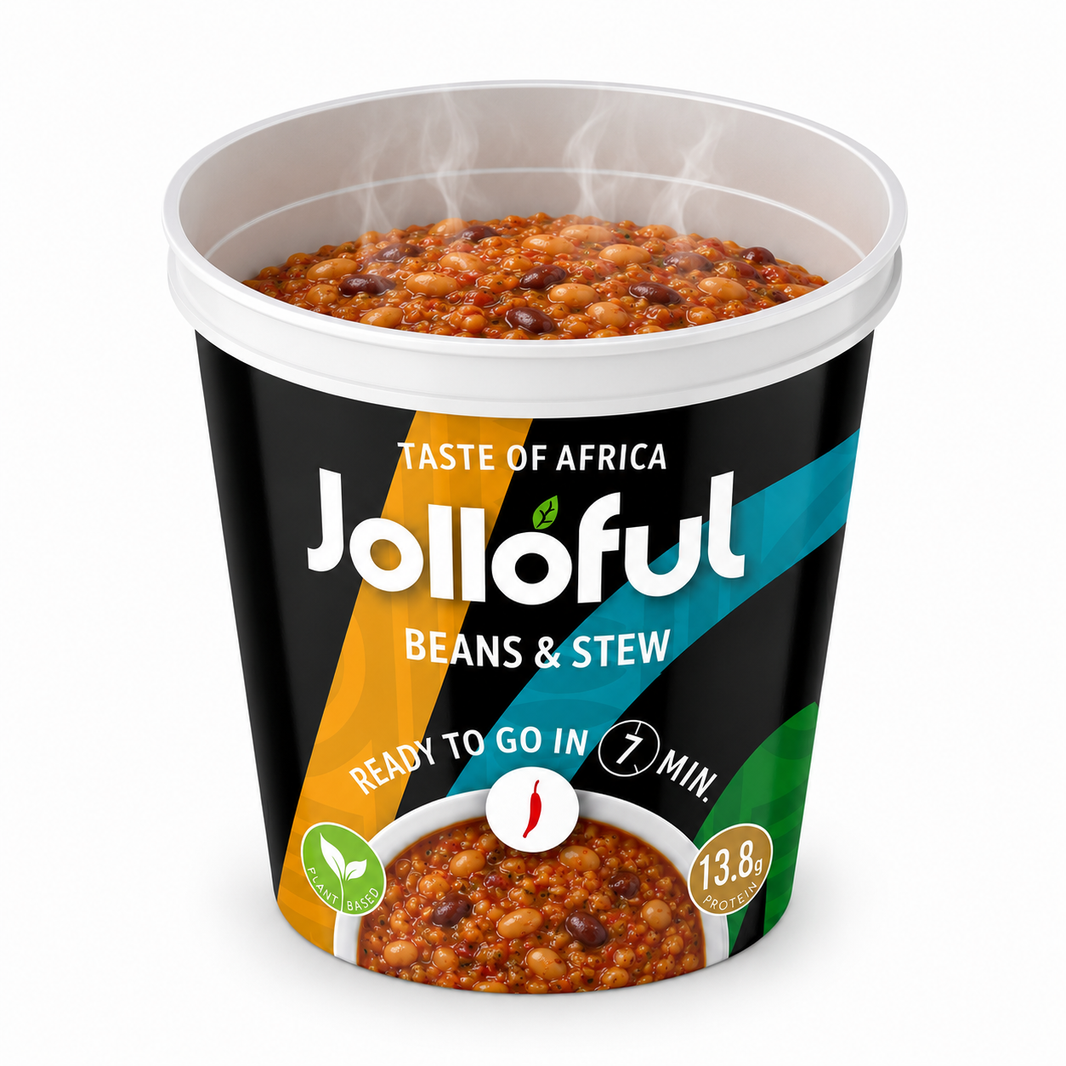
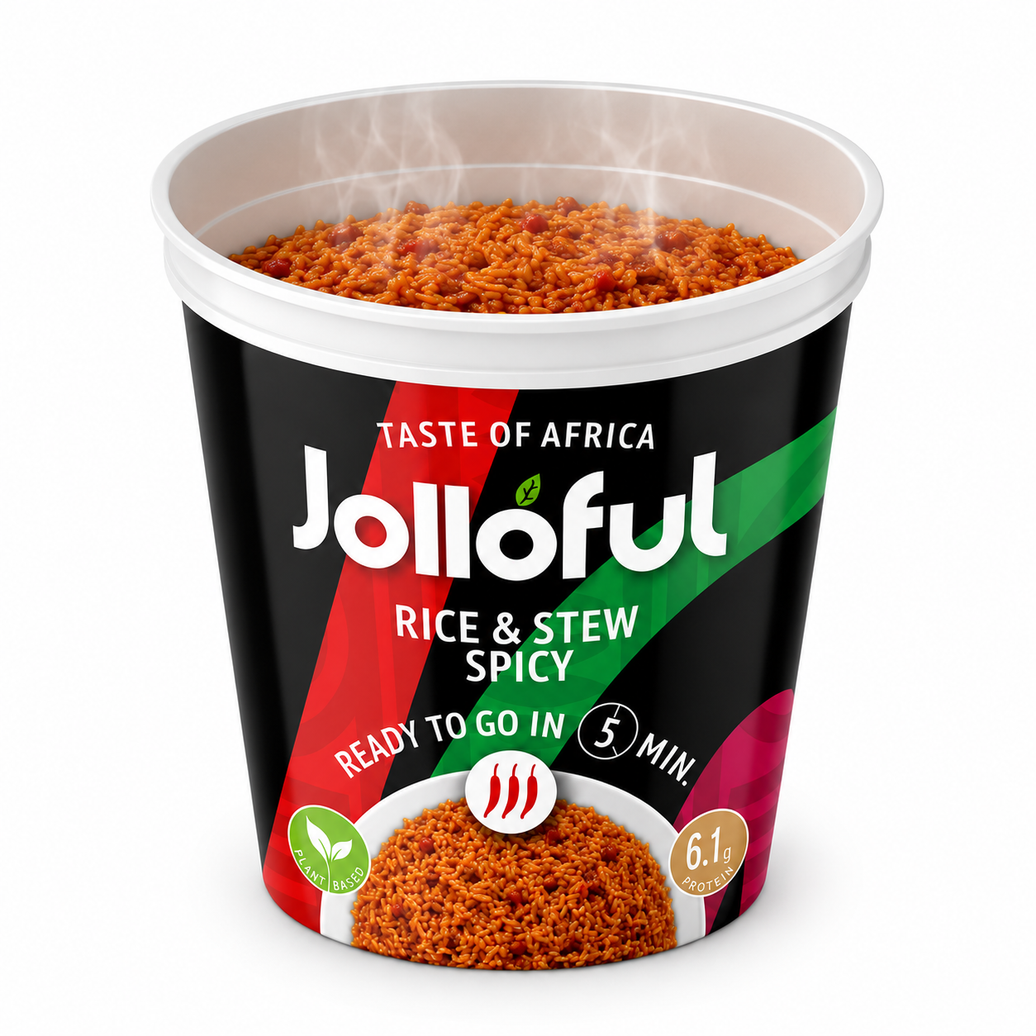
Lunch at your desk. Dinner after the gym. Something quick before the school run starts all over again. This is where ready to eat African food earns its place - not as a compromise meal, but as a smarter one. When the flavours are right, the ingredients are real, and the format respects how people actually live, convenience stops feeling cheap.
That matters because African food has too often been treated as something you only get in a restaurant, at a family gathering, or after spending hours in the kitchen. The truth is simpler. Great African meals can belong in everyday life too. They can be fast, shelf-stable, easy to prepare, and still carry the depth, heat, comfort and character that make them worth eating in the first place.
What ready to eat African food should actually deliver
There is a big difference between quick food and low-effort food. Too many convenience meals rely on salt, fillers and vague flavouring to do the heavy lifting. You get speed, but not satisfaction. You finish eating and still feel like you settled.
Ready to eat African food should do more than save time. It should taste like a real dish, not a shortcut pretending to be one. That means recipes built around recognisable ingredients, layered seasoning, and textures that make sense for the meal. Rice should still feel like rice. Stews should taste cooked, not powdered. Spice should have purpose, not just heat for heat's sake.
For diaspora households, that standard is even higher. Familiar flavours come with memory. You know when jollof tastes rounded and tomato-rich, and you know when it has been flattened into something generic. Convenience does not cancel culture. If anything, it has to work harder to honour it.
For people trying African cuisine for the first time, the bar matters too. A rushed, badly made version can put someone off an entire food tradition they would otherwise love. A well-made ready meal can do the opposite. It can be an easy first step that leads to genuine curiosity and repeat cravings.
Why ready to eat African food is growing now
Modern life has changed what people expect from the cupboard. The old split between proper food and instant food is breaking down. People still want speed, but they are asking sharper questions about what is inside the pack, how long it takes to prepare, and whether the meal will actually feel worth it.
That shift creates space for ready to eat African food in a serious way. Busy professionals want meals they can keep at work without relying on another supermarket sandwich. Students want something fast that has more personality than plain noodles. Parents want back-up options that are practical without being depressing. Travellers want food that packs well and still tastes like something.
At the same time, African cuisine is no longer sitting at the edges of the conversation. More people in the UK and across Europe are actively looking for bolder global flavours. They want food with identity. They want meals that feel rooted somewhere, not products designed to offend nobody.
That does not mean every ready meal branded as African gets it right. Some lean too hard on the trend and miss the substance. Others strip away the soul in the name of mass appeal. The real opportunity sits in food that keeps its culinary point of view while making the format easier for modern routines.
Convenience is only useful if the food still feels real
Shelf-stable food can make people sceptical, and fairly so. For years, the category has trained shoppers to expect artificial colours, long ingredient lists and the sort of taste that needs a lot of brand nostalgia to survive. So when a product claims convenience and quality at the same time, people have every right to look closely.
The strongest ready to eat African food products answer that scepticism with clarity. Real ingredients. No added preservatives. No artificial colour. Straightforward preparation. A meal that is ready in minutes, but still tastes grounded in a real cooking tradition.
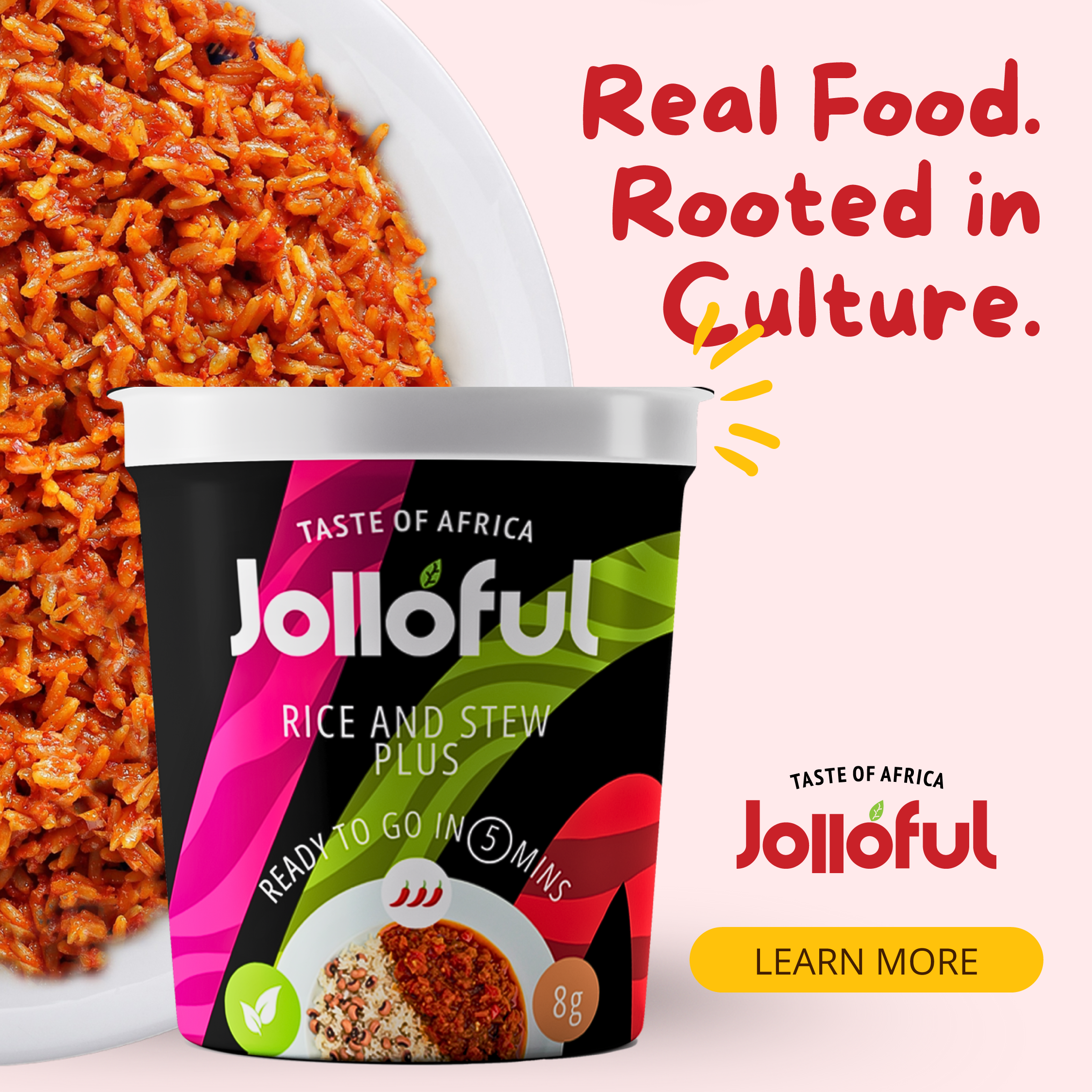
This is where format matters. A cup or pouch that prepares with hot water in 5 to 7 minutes suits how people actually eat now. It works in offices, student kitchens, hotel rooms and homes where dinner has to happen between everything else. But the format only wins if what comes out tastes complete.
That is also why the category should not be lumped in with cheap instant noodles. They solve one problem - speed - but usually create another one in quality. A better convenience meal should solve both. It should be fast and flavourful, practical and satisfying.
How to judge ready to eat African food before you buy
Start with the ingredient list. If it reads like a chemistry exercise, move on. Good convenience food does not need to hide behind mystery additives. Look for ingredients you would recognise in a real kitchen and a recipe profile that sounds like a dish, not a flavour concept.
Then consider the cooking logic. Does the product need only hot water or a few minutes in the microwave? That is useful. But ask what kind of meal it promises in return. A light snack and a proper lunch are different things. The best products are honest about where they fit.
Pay attention to flavour specificity as well. African food is not one taste. West African dishes, for example, carry very different notes depending on the recipe - tomato richness, pepper warmth, savoury depth, sometimes smokiness, sometimes a cleaner spice line. Generic packaging that says only "African style" tells you very little. Named dishes and clearly rooted inspiration usually signal more care.
Finally, think about repeatability. One of the biggest tests for any convenience food is whether you would genuinely keep it stocked. Novelty can get a first purchase. Only quality earns a second.
Ready to eat African food for different kinds of eaters
Not everyone comes to this category for the same reason, and that is part of its strength.
For diaspora consumers, it can be emotional as much as practical. There is comfort in having familiar flavours close at hand, especially on days when cooking from scratch is not realistic. That does not replace home cooking. It supports real life around it.
For curious eaters, the format lowers the barrier. You do not need specialist ingredients, advanced cooking skills or a free Sunday afternoon to try something new. You can start with one meal and decide what you love.
For health-conscious shoppers, the appeal is cleaner convenience. The point is not to chase some unrealistic idea of wellness. It is to avoid the usual trade-off where easy food means overly processed food.
And for anyone with a packed schedule, the benefit is obvious. Meals that live in the cupboard and taste good when you need them remove friction from the day. That sounds small, but it adds up.
What the future of ready to eat African food looks like
The category is moving beyond novelty and into habit. That is a good thing. African food does not need to be presented as an occasional experience to be respected. It can be everyday food. In fact, that is part of respecting it properly.
As the market matures, people will expect more range, more regional clarity and better quality across the board. They will want products that represent actual dishes with confidence instead of sanding everything down for the broadest possible audience. They will also expect convenience formats to keep improving, with stronger textures, cleaner labels and more satisfying portions.
Brands that understand both culture and modern eating will lead that shift. Jolloful sits in that lane for a reason. The promise is not just speed. It is African food that shows up for contemporary life without losing its roots.
That is the real standard now. Not exotic. Not watered down. Not a sad emergency meal sitting at the back of the cupboard. Just bold, practical, culturally grounded food that is ready when you are.
If ready to eat African food is going to earn a permanent place in your routine, it should make your day easier and your meal better at the same time.
ORDER NOW>>> https://wwww.jolloful.com


Leave a comment