
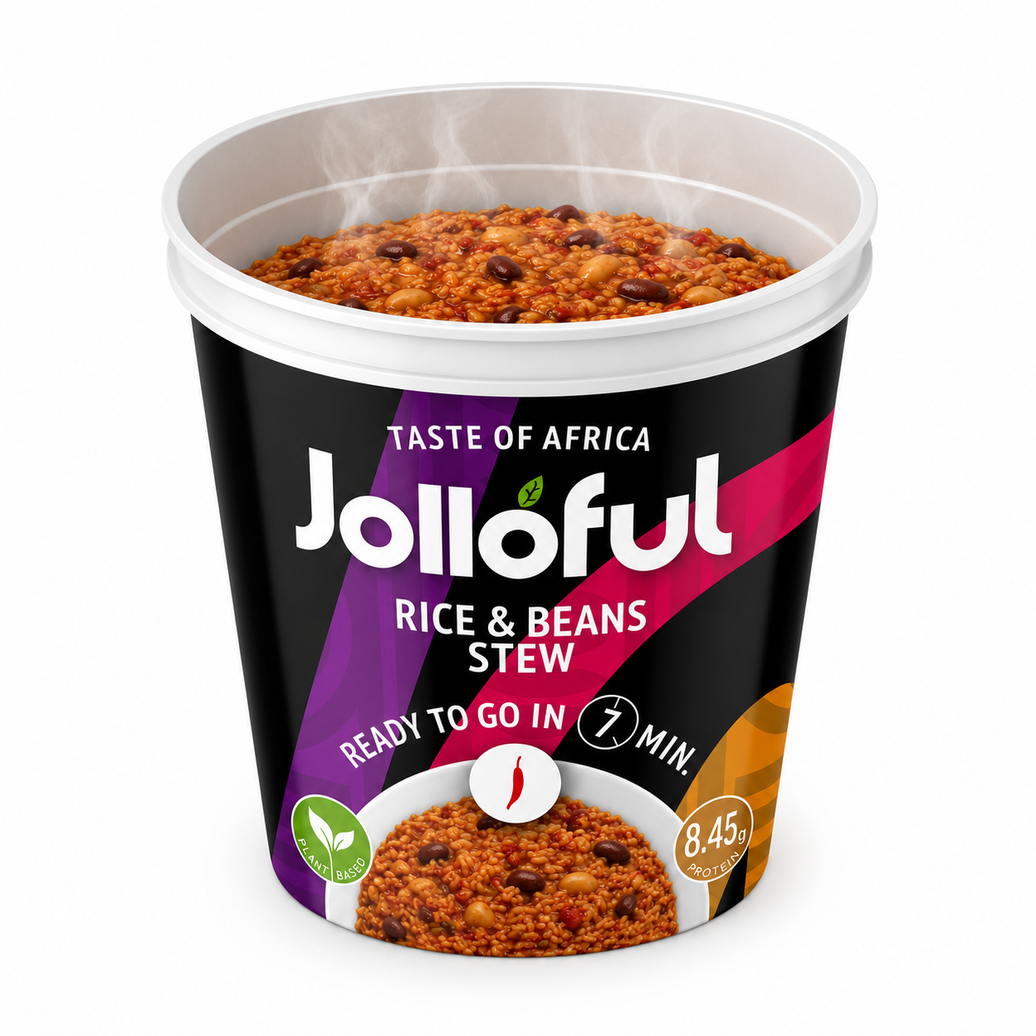
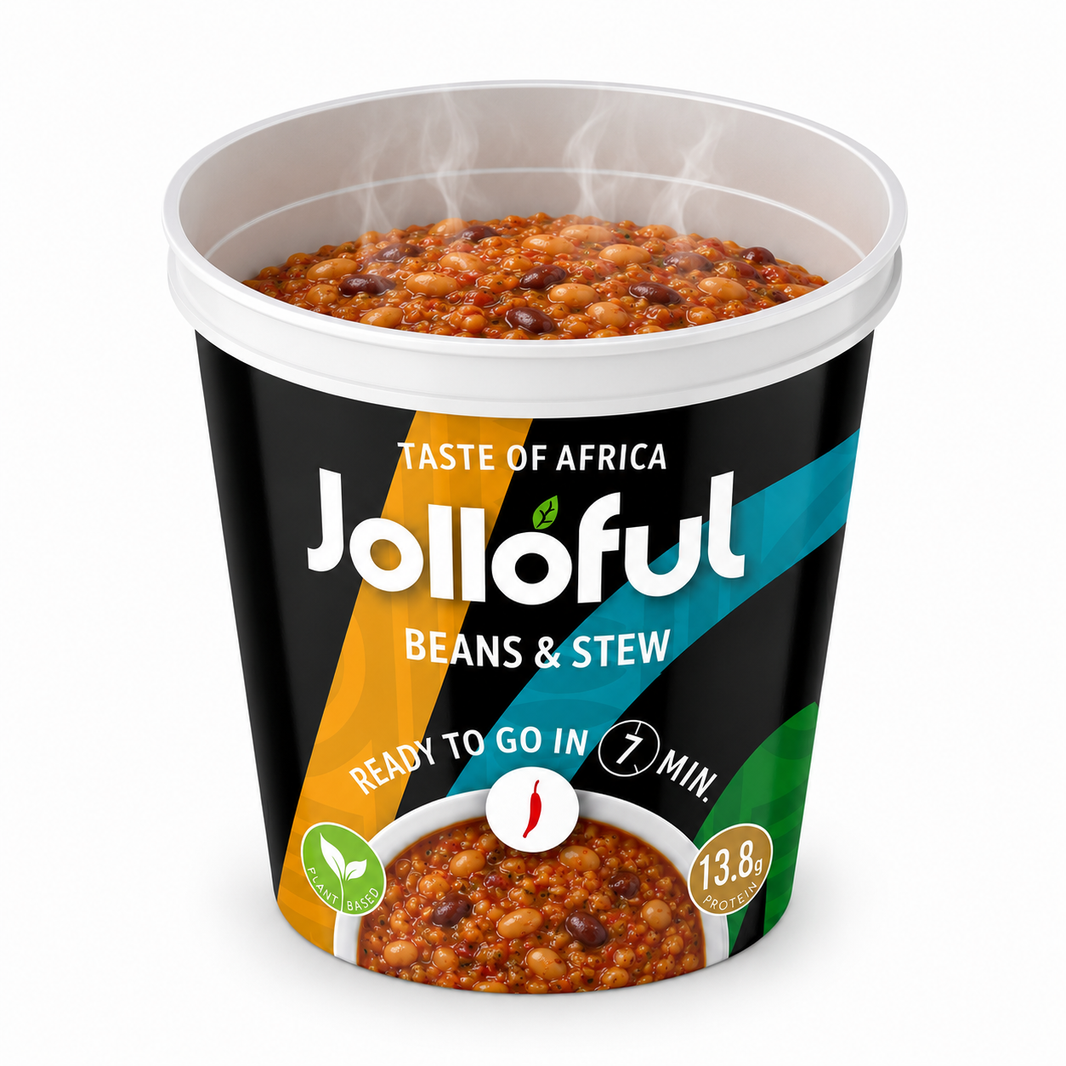
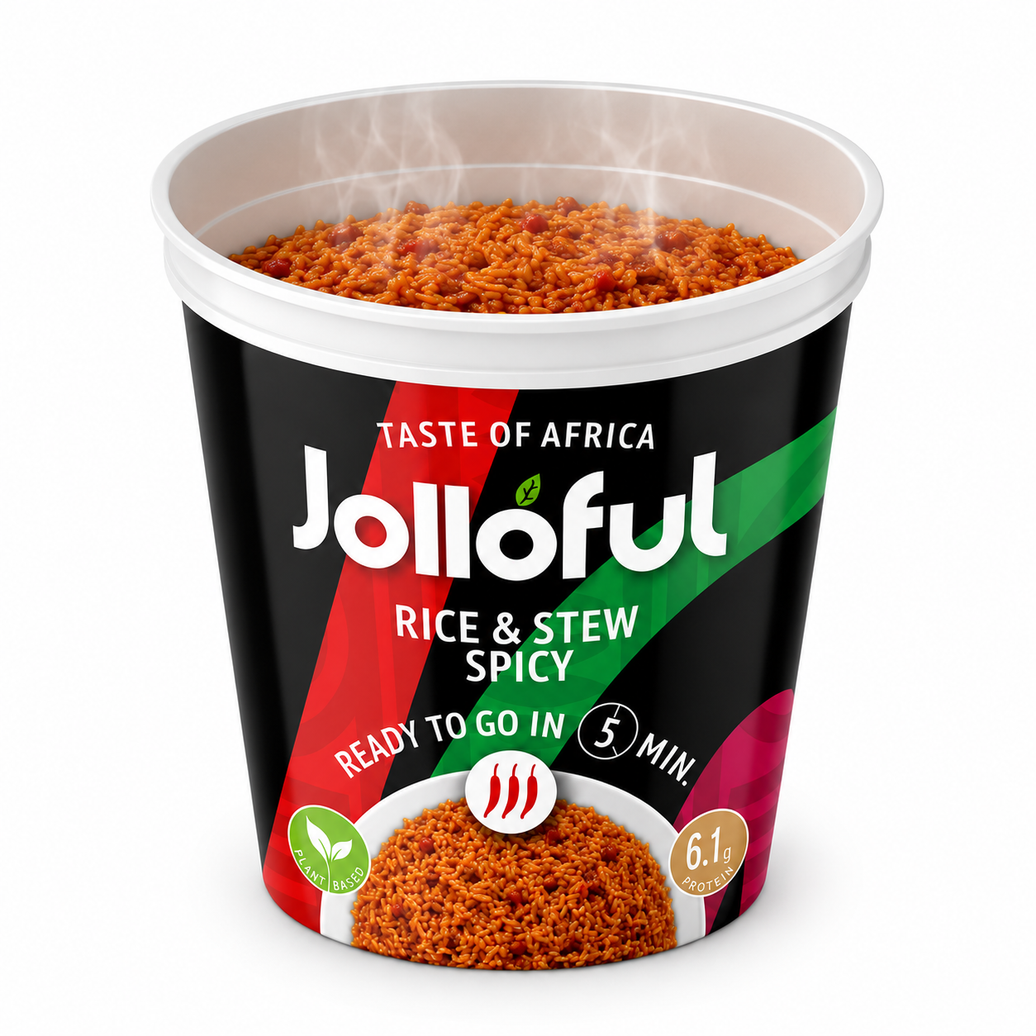
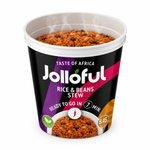
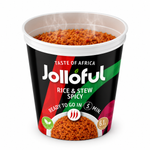
Order your 8-pack / 12 pack box today
A late meeting, a packed train home, an empty fridge: this is when instant cup noodles have traditionally stepped in. They are fast, familiar and easy to find. But speed no longer has to mean settling for a salty, forgettable meal that only does one job: filling a gap.
The better question is not whether convenience belongs in your cupboard. It does. The question is what you want that convenience to taste like. Real food can be shelf-stable. Big flavour can be ready in minutes. And African dishes deserve to be part of everyday quick-meal culture, not saved for the rare occasion when there is time to cook from scratch.
Why Instant Cup Noodles Set a Low Bar
For decades, the standard quick meal has been built around noodles, seasoning powder and very little expectation beyond speed. That model made sense when convenience food was treated as a compromise. You ate it because you were busy, not because you were excited.
But busy people still have standards. Students want something more satisfying between lectures. Working parents need a quick lunch that does not feel like an afterthought. Young professionals want a desk-drawer meal with actual personality. And for many African diaspora households, convenience should not mean leaving familiar flavours behind.
This is where the category starts to feel dated. A meal can be ready after the kettle boils and still have depth, texture and a recipe that feels rooted somewhere real. Convenience is the format. It should not be the whole story.
Fast Food, With a Proper Point of View
African food has never lacked flavour. Its dishes are built with seasoning, spice, aromatics and the kind of slow-developed character that makes one spoonful feel complete. The challenge has been access: finding those flavours in a format that suits a rushed weekday, a small kitchen or a shared office.
Shelf-stable meal pots help close that gap. Add hot water, wait a few minutes, and you have something warmer and more substantial than a snack. The best versions are designed around ingredients you can recognise, with a clear recipe behind them rather than a vague “spiced” promise.
That difference matters. A convenient meal should not ask you to choose between flavour and practicality, or between cultural connection and an easy lunch. It can do both.
What to look for on the label
A quick scan of the ingredients can tell you plenty. Look for food-led components such as grains, pulses, vegetables, herbs and spices. Be wary of products that rely on artificial colours, a long list of additives or flavour descriptions that say more than the ingredient list does.
Sodium matters too, though context matters more than panic. A shelf-stable meal will often contain salt because salt carries flavour and supports preservation. The aim is not to chase a perfect number at the expense of taste. It is to choose products that feel balanced enough to become a regular option, rather than a last-resort fix.
Portion size is another useful check. Some quick foods leave you hungry an hour later; others are better suited to a lighter lunch than dinner. If you need more staying power, pair your meal with fruit, yoghurt, a simple salad or whatever fresh food is already in the kitchen.
Instant Cup Noodles Versus a Better Pantry Meal
There is no need to pretend every packet of noodles is a disaster. They can be cheap, comforting and useful when options are limited. They may also suit a particular craving. Food does not need to be morally graded.
Still, there is a clear difference between emergency fuel and a meal you actively want to eat. A more thoughtful pantry meal gives you a stronger base, more distinctive seasoning and a greater sense of occasion, even when you are eating at your desk. That is a meaningful upgrade for a similar amount of effort.
It also changes what people expect from packaged food. Instead of asking, “Will this do?”, you can ask, “What am I in the mood for?” That is how convenience becomes part of a well-stocked kitchen rather than a compromise hiding at the back of a cupboard.
Make the Most of a Five-Minute Meal
Preparation is simple, but a few small choices can make a fast meal feel even better. Use freshly boiled water and follow the fill line carefully, as too much water can flatten the flavour. Give it the full standing time, then stir from the bottom so every bite is properly seasoned.
If you are at home, add a quick finishing touch only if it earns its place. A squeeze of lemon can brighten a spicy dish. Fresh herbs bring lift. Leftover roast chicken, a boiled egg or a handful of greens can turn lunch into a more substantial supper. The point is not to create extra work. It is to use what is already there.
At work or while travelling, keep it uncomplicated. A good meal should stand confidently on its own. All you should need is hot water, a spoon and a few quiet minutes before the next thing begins.
A More Honest Kind of Convenience
The phrase “quick meal” has often been used to excuse poor quality. Bland flavours, unnecessary additives and a feeling that you should eat something better later. That old bargain is losing its appeal.
Modern shoppers are reading labels, paying attention to origin and expecting more from the brands in their cupboards. They want food that fits real life without being stripped of identity. For African cuisine, that shift creates an opportunity to be seen not as a niche discovery, but as a bold, everyday choice.
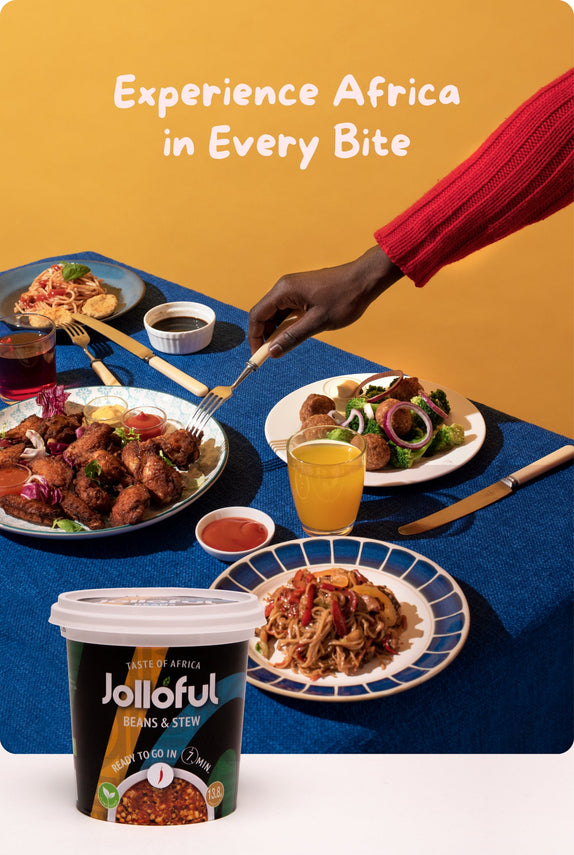
Jolloful is built around that idea: shelf-stable African meals that meet the pace of modern life while keeping flavour at the centre. The goal is not to imitate the old convenience aisle. It is to raise its standard with culturally rooted recipes, real ingredients and food worth looking forward to.
Your Cupboard Can Have Better Plans
A reliable pantry is not only about tins and emergency pasta. It is a small act of care for your future self: the version of you arriving home late, working through lunch or trying to feed a hungry household without starting from zero.
Keep quick meals where you can see them. Choose options with flavours you genuinely enjoy. Mix familiar favourites with something new, especially if you are curious about African food but unsure where to begin. A shelf-stable meal is a low-pressure introduction - no specialist shopping trip, no complicated recipe, no need to know every ingredient before the first bite.
Fast food does not have to be bland food, and convenient food does not have to be disconnected from culture. When the kettle is on and time is short, you deserve a meal that still brings something to the table.




Leave a comment