
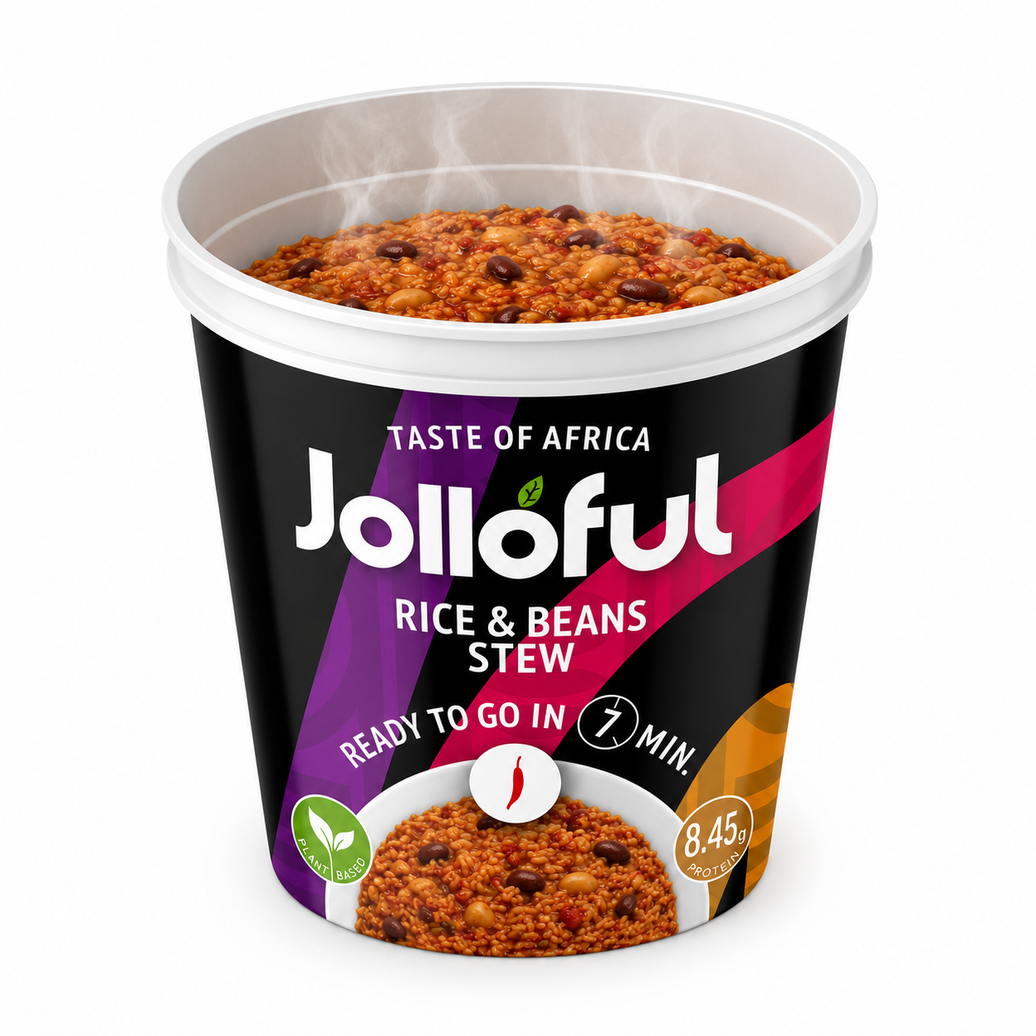
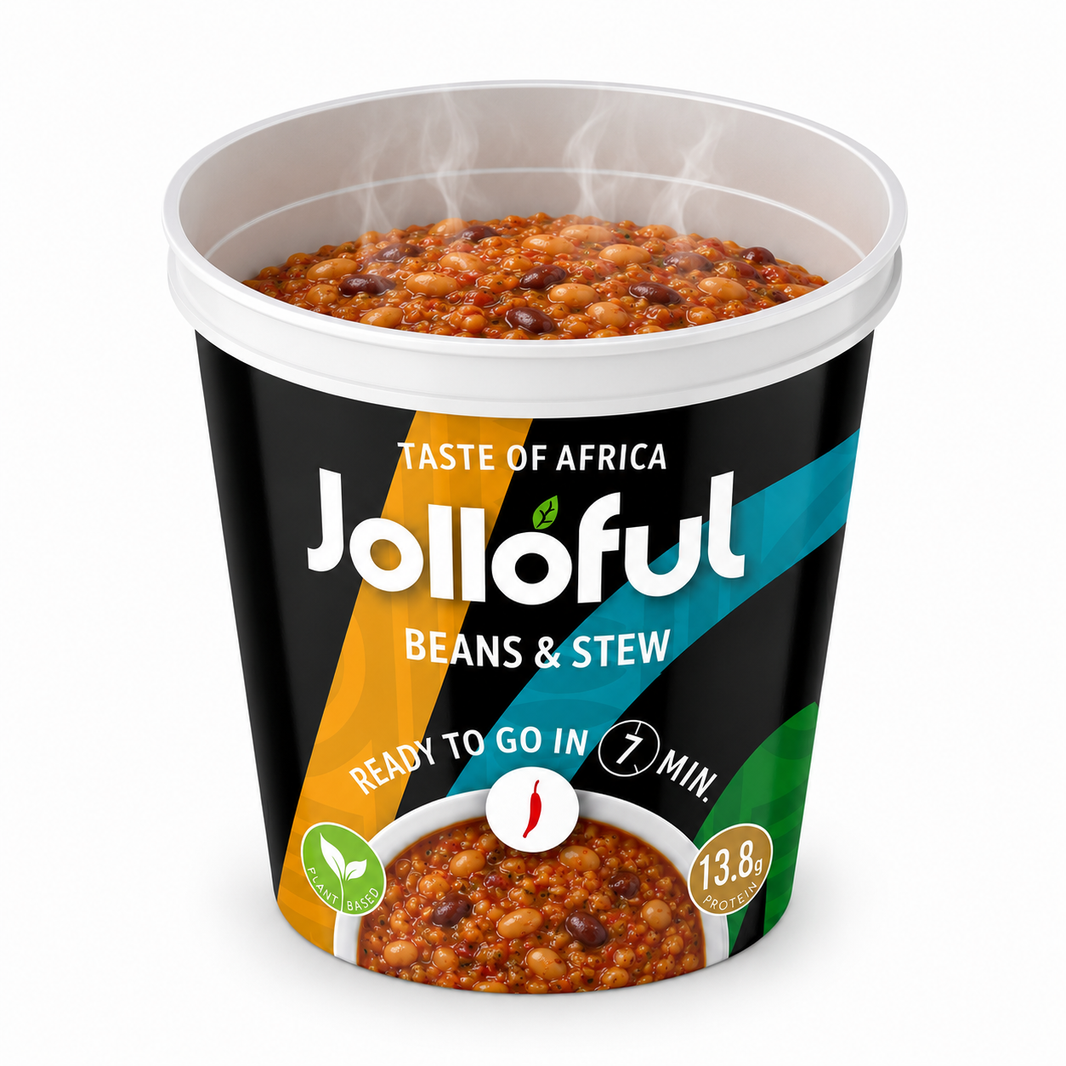
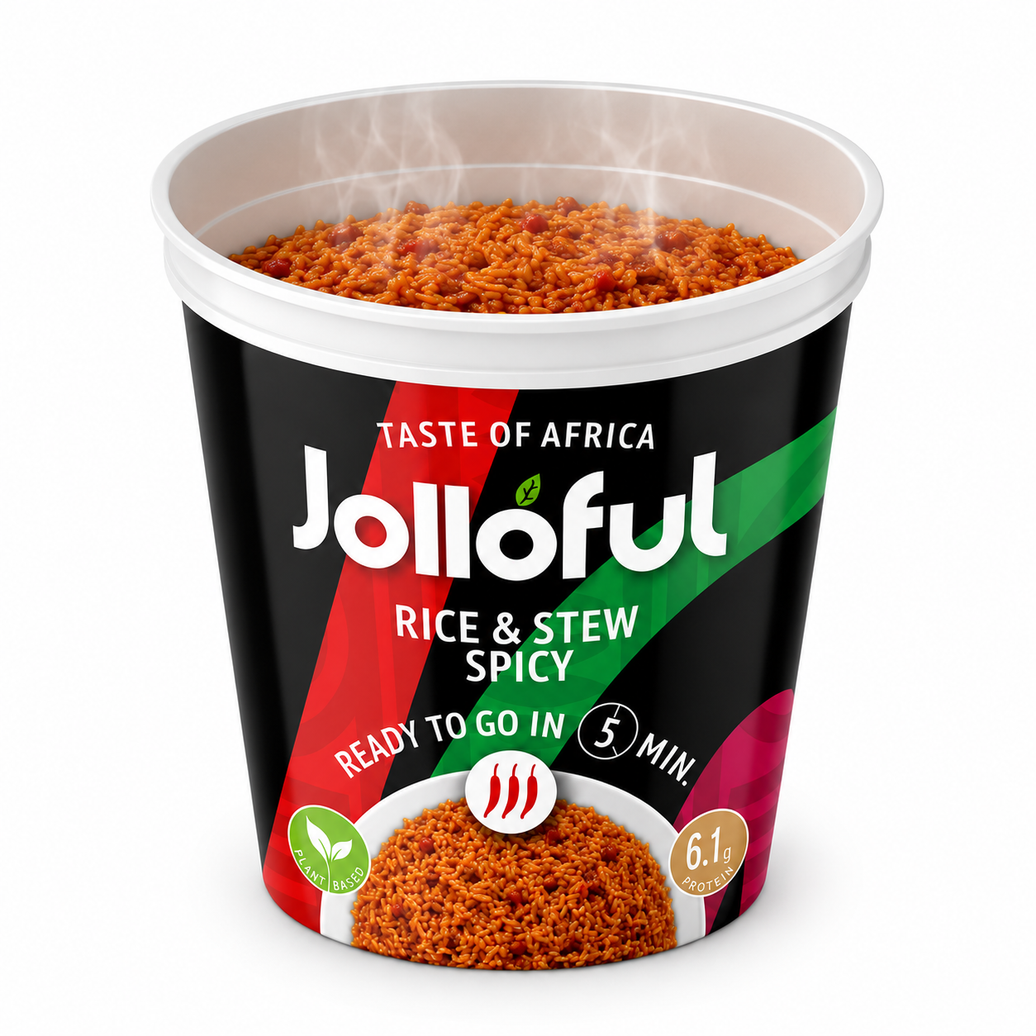
You know the moment. It is late, you are hungry, and you want something fast that still feels worth eating. That is where jollof rice vs instant ramen becomes a real decision, not a food debate for the internet. One promises speed because it has always been sold that way. The other proves quick meals do not have to taste flat, look beige, or feel like a compromise.
For plenty of people across the UK and beyond, instant ramen has been the default cupboard backup for years. It is cheap, familiar, and ready in minutes. But speed alone is not the full story any more. People want convenience, yes, but they also want flavour that tastes intentional, ingredients they can recognise, and meals that feel a bit more connected to real food and real culture.
Jollof rice vs instant ramen: what are you really comparing?
At first glance, both sit in the same lane. They are shelf-stable, fast to prepare, and easy to keep on hand for busy weekdays, study sessions, office lunches, or those evenings when cooking from scratch is simply not happening.
But the eating experience is very different. Instant ramen is usually built around processed noodles and a seasoning sachet designed for maximum impact with minimum cost. It does the job, but often in a one-note way. Salty, soft, and fast disappears from memory quickly.
Jollof rice, by contrast, is about layered flavour. A proper jollof profile brings together tomato, pepper, onion, spice, and depth. Even in a quick format, it should taste like a meal with character, not just a packet with heat added. That difference matters more than people think, because convenience food is not only about filling a gap. It is about whether the food actually satisfies you.
The flavour gap is bigger than people expect
This is where the comparison becomes clear. Instant ramen often leads with salt and artificial flavouring. Some versions are spicy, some are savoury, some aim for umami, but many land in a very similar place. The bowl tastes strong for a few minutes, then flat halfway through.
Jollof rice has a different kind of intensity. It is not only spice. It is depth. The tomato base carries sweetness and acidity, the pepper brings warmth, and the seasoning builds flavour in layers. Good jollof does not need to shout because the profile already has range.
That matters if you are someone who is tired of quick meals tasting engineered rather than cooked. Busy professionals, students, and parents do not just want something hot in five minutes. They want food that feels like someone cared about the recipe.
Why cultural authenticity changes the meal
A lot of convenience food has been designed to be neutral first and memorable second. African food does not work like that. It is proud, expressive, and rooted in real culinary traditions. Jollof rice carries identity with it. For diaspora households, that can mean familiarity and comfort. For first-time eaters, it offers an easy way in without watering the culture down.
That is one reason the jollof rice experience lands differently from instant ramen. It is not pretending to be generic. It knows exactly what it is.
Ingredients tell another story
If you turn the pack around, the gap can widen quickly.
Instant ramen has long been associated with ultra-processed ingredients, high sodium, artificial colourings, preservatives, and flavour boosters doing much of the heavy lifting. Not every pack is the same, of course, and some newer brands have cleaned things up. But the category still carries that reputation for a reason.
Jollof rice in a modern shelf-stable format can offer a stronger answer to what shoppers now care about: recognisable ingredients, no unnecessary extras, and flavour that comes from the recipe itself. That does not mean every jollof product is automatically healthier. It does mean the category has room to deliver convenience without leaning so heavily on the old instant-noodle formula.
For consumers reading labels more carefully, that difference matters. If your lunch takes six minutes to make but leaves you wondering what half the ingredients are, the convenience starts to feel less impressive.
Not all fast food is built the same
There is a lazy assumption that all shelf-stable meals belong in one quality bracket. They do not. A meal cup made with real ingredients and no added preservatives sits in a different conversation from a bargain noodle brick and a chemical-heavy sachet. Both may be quick, but quick is not the only metric that counts.
That shift in expectation is exactly why convenience food is changing. People are less willing to accept low standards just because a meal lives in the cupboard.
Convenience is not the same as compromise
To be fair, instant ramen earned its place because it is easy. It is cheap, portable, and uncomplicated. If all you need is a very low-cost stopgap, it can still be useful.
But there is a trade-off. Many ramen products are more snack than meal, especially if you end up adding an egg, vegetables, or leftover chicken just to make the bowl feel complete. Once you start dressing it up, the headline convenience is not quite as simple as it looked.
Jollof rice can work better as a complete option. When the flavour base is already developed, you are not scrambling to fix it. You can eat it on its own or pair it with whatever you have on hand, but it should still stand up by itself. That is a stronger convenience proposition because it saves both time and effort.
For people balancing packed commutes, hybrid work, childcare, lectures, or long days that run into longer evenings, that kind of convenience is worth more than the cheapest possible price point.
Jollof rice vs instant ramen on satisfaction
Here is the part brands often skip. The real question is not only what is fastest or cheapest. It is what leaves you satisfied an hour later.
Instant ramen can be comforting in a nostalgic way, but it often feels light in the wrong places and heavy in the wrong ones. You finish the bowl and still want something else, either because the portion did not quite hit or because the flavour was all spike and no substance.
Jollof rice tends to feel more grounded. Rice has that naturally filling quality, and when it is paired with a richer sauce profile, the meal can feel more substantial without becoming fussy. It tastes like a proper plate translated into a fast format.
That distinction matters if you are trying to move away from mindless convenience eating. Fast food should still feel like food, not just a placeholder until your next meal.
Price matters, but value matters more
Let us be honest. Instant ramen often wins on sticker price. If the only goal is to spend as little as possible, noodles usually come out ahead.
But value is not the same as price. Value is what you get for your money: flavour, ingredient quality, cultural authenticity, portion satisfaction, and how often you actually want to eat it. A cheap meal that disappoints you every time is not especially good value. It is just cheap.
A better quick meal may cost more, but if it tastes better, feels more complete, and fits your standards around ingredients, that extra cost can be easy to justify. This is especially true for shoppers who have outgrown the student-kitchen era of eating whatever is quickest and are now looking for convenience that feels more adult, more intentional, and frankly more enjoyable.
Who should choose what?
It depends on what you need from the meal.
If you want the absolute lowest-cost emergency option, instant ramen still has a place. If nostalgia is part of the appeal, that counts too. Food is emotional, and no one needs to pretend otherwise.
But if you want speed without the usual instant-food baggage, jollof rice is the more exciting choice. It brings flavour complexity, cultural depth, and a better shot at genuine satisfaction. For diaspora consumers, it can feel like a cupboard staple with actual meaning. For curious eaters, it is a stronger upgrade from the same old noodle routine.
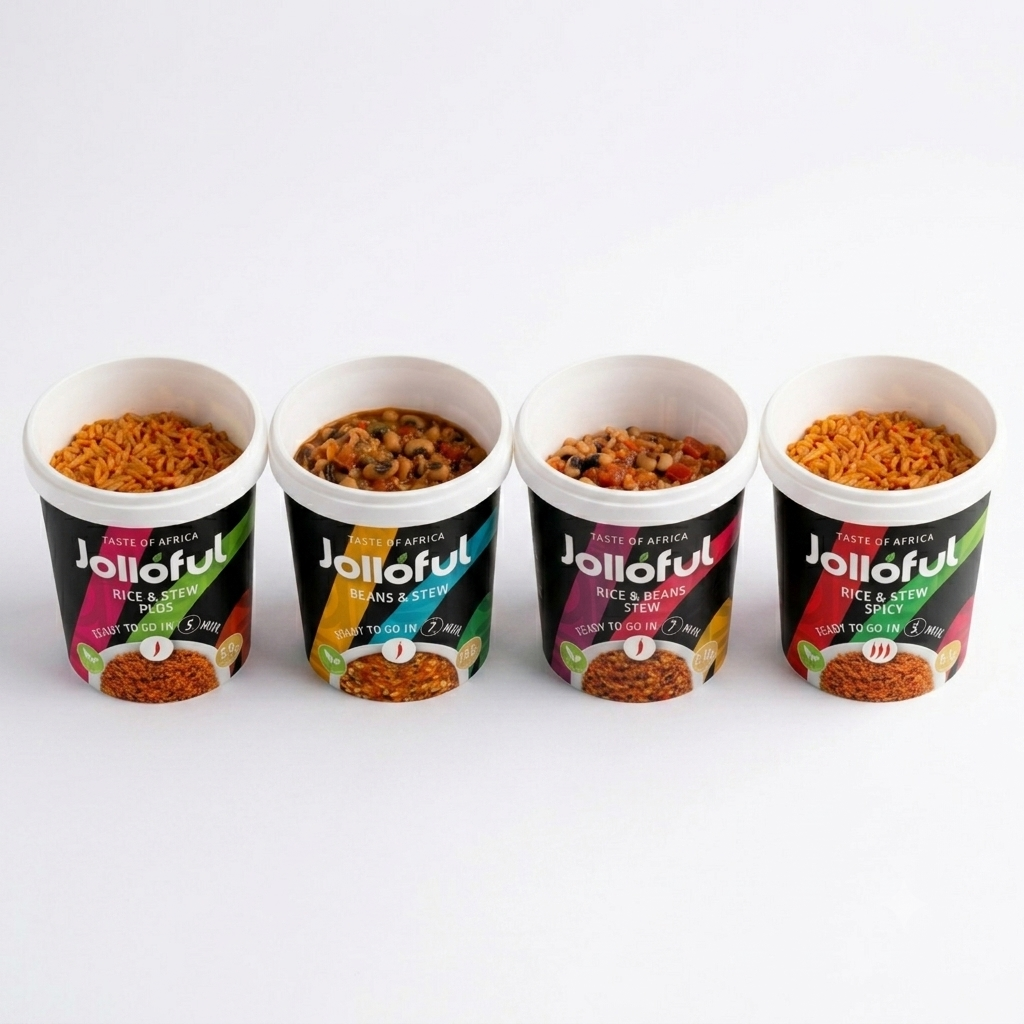
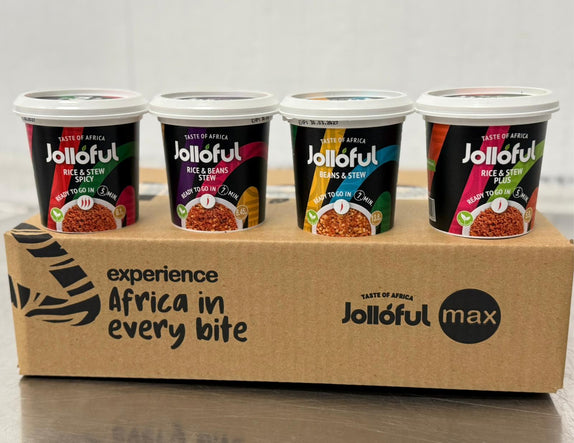
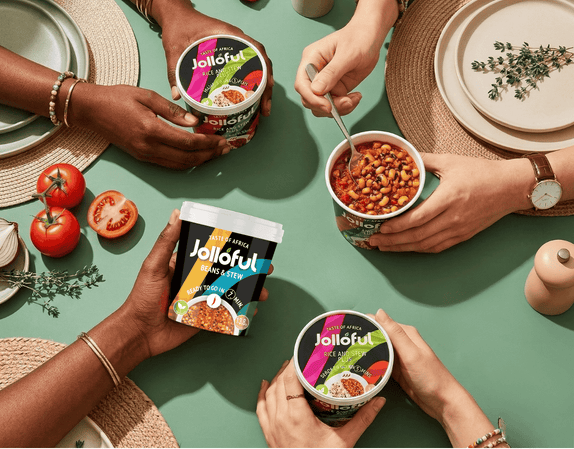
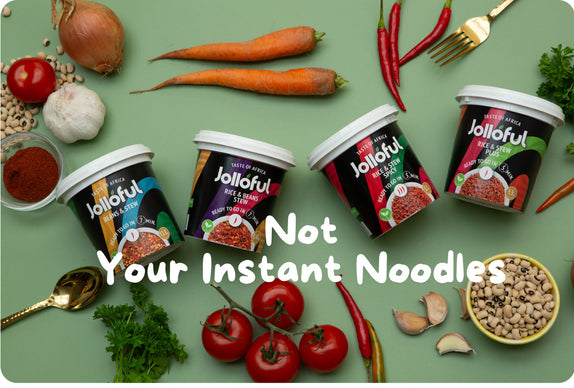
That is also why brands like Jolloful are gaining attention. They are not trying to imitate the instant-noodle model with different packaging. They are building a different category standard altogether: quick meals rooted in African food culture, made for modern life.
The better question than jollof rice vs instant ramen
The better question is not which one is faster. It is what kind of convenience you want to keep buying into.
If convenience means bland, overprocessed, and forgettable, instant ramen has already written that script. If convenience can also mean real flavour, cultural credibility, and ingredients that feel more honest, then jollof rice points somewhere better.
Your cupboard should not only save time. It should also raise the standard of what fast food can be. Once you have tasted that difference, going back to the dusty noodle packet feels less like a habit and more like settling.


Leave a comment