
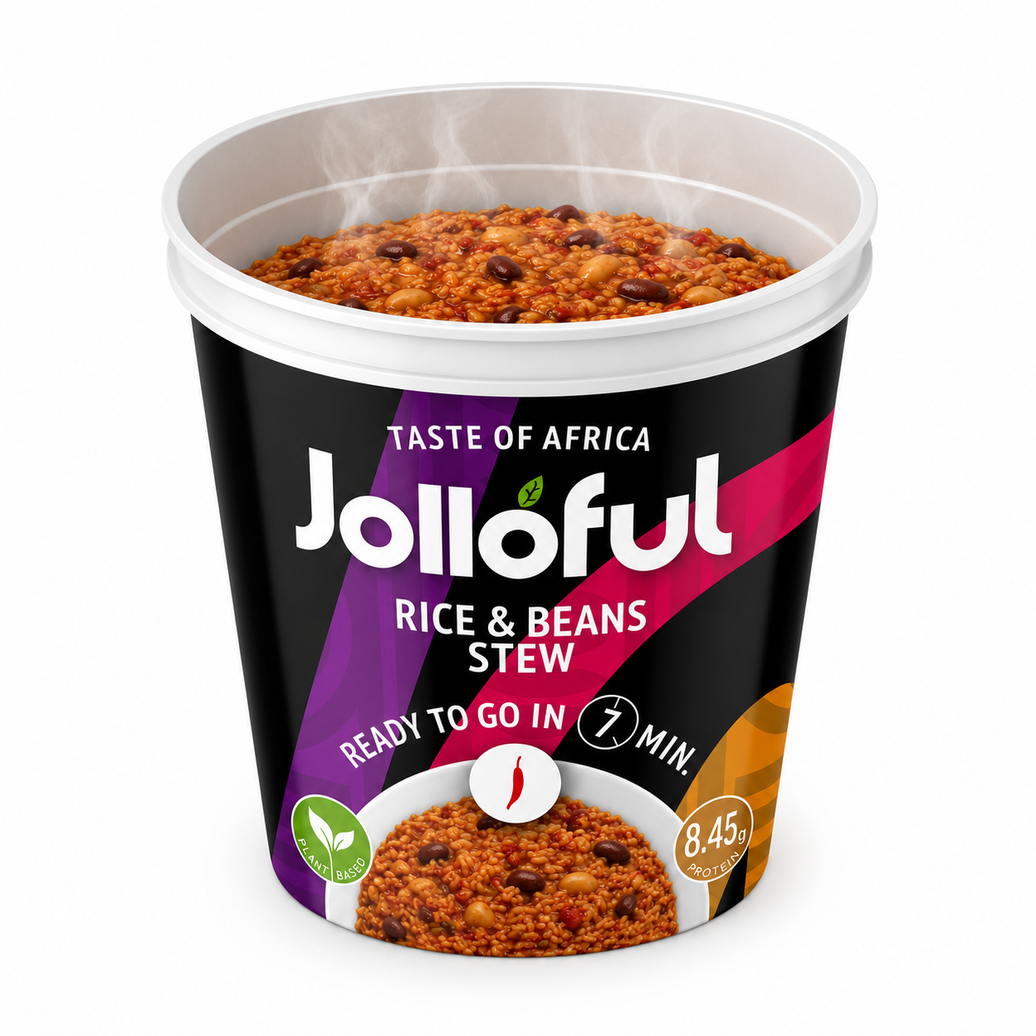
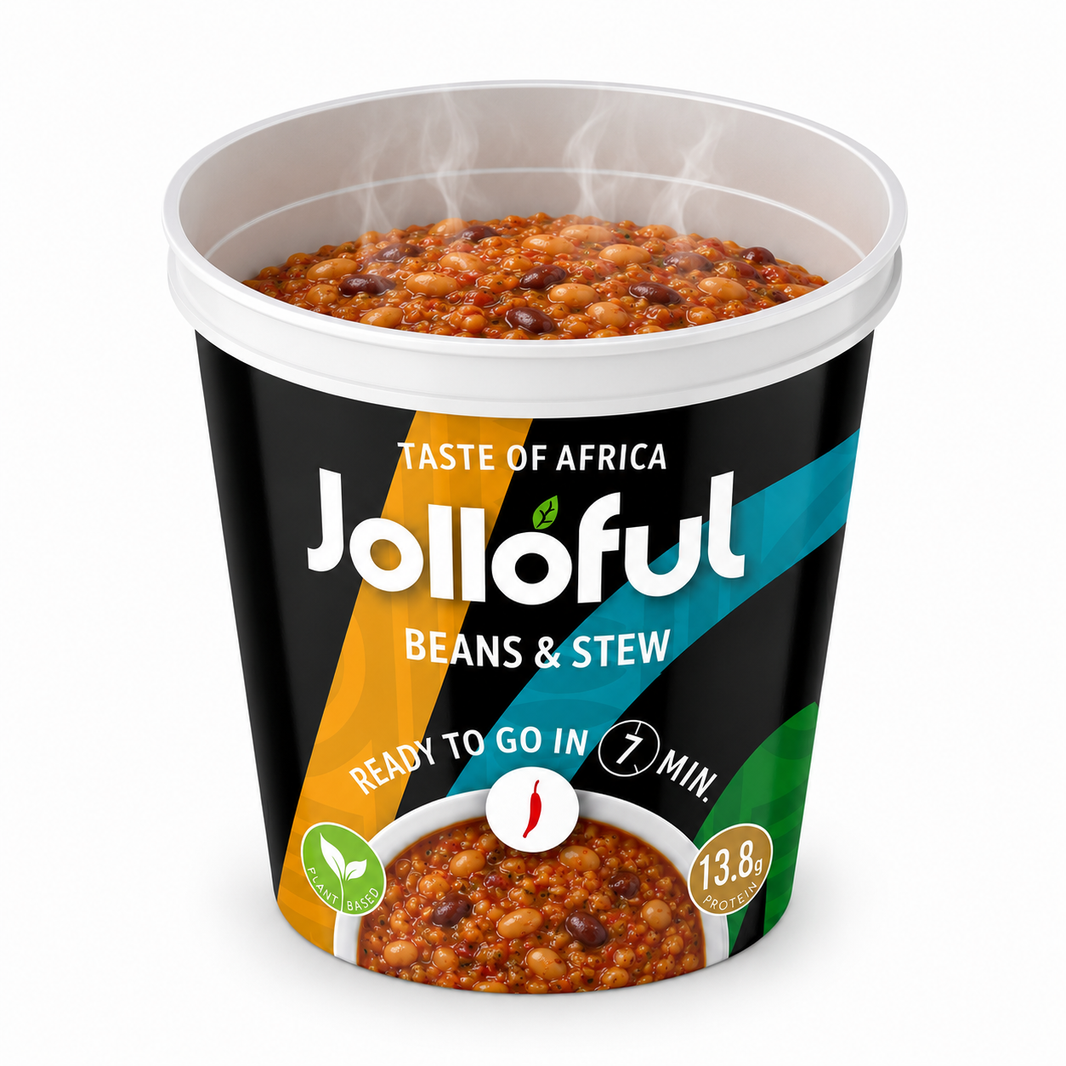
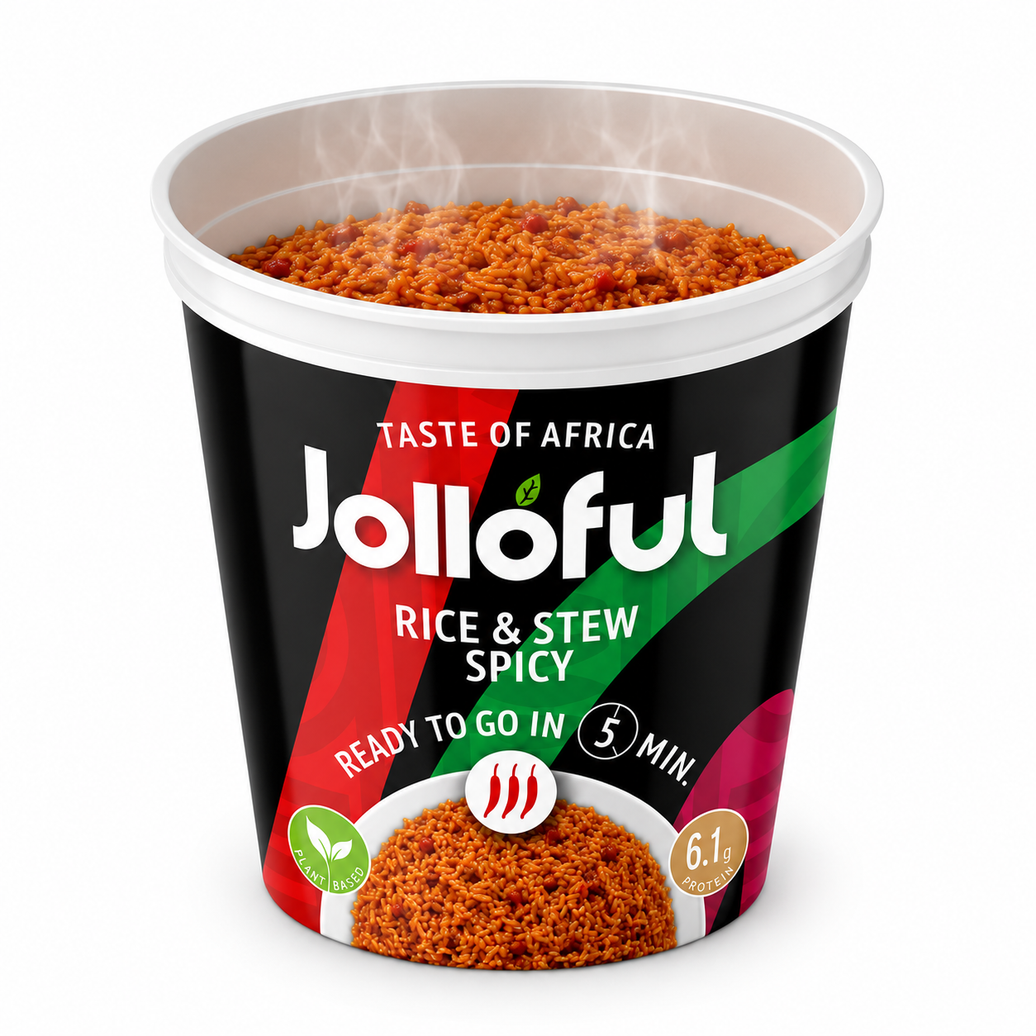
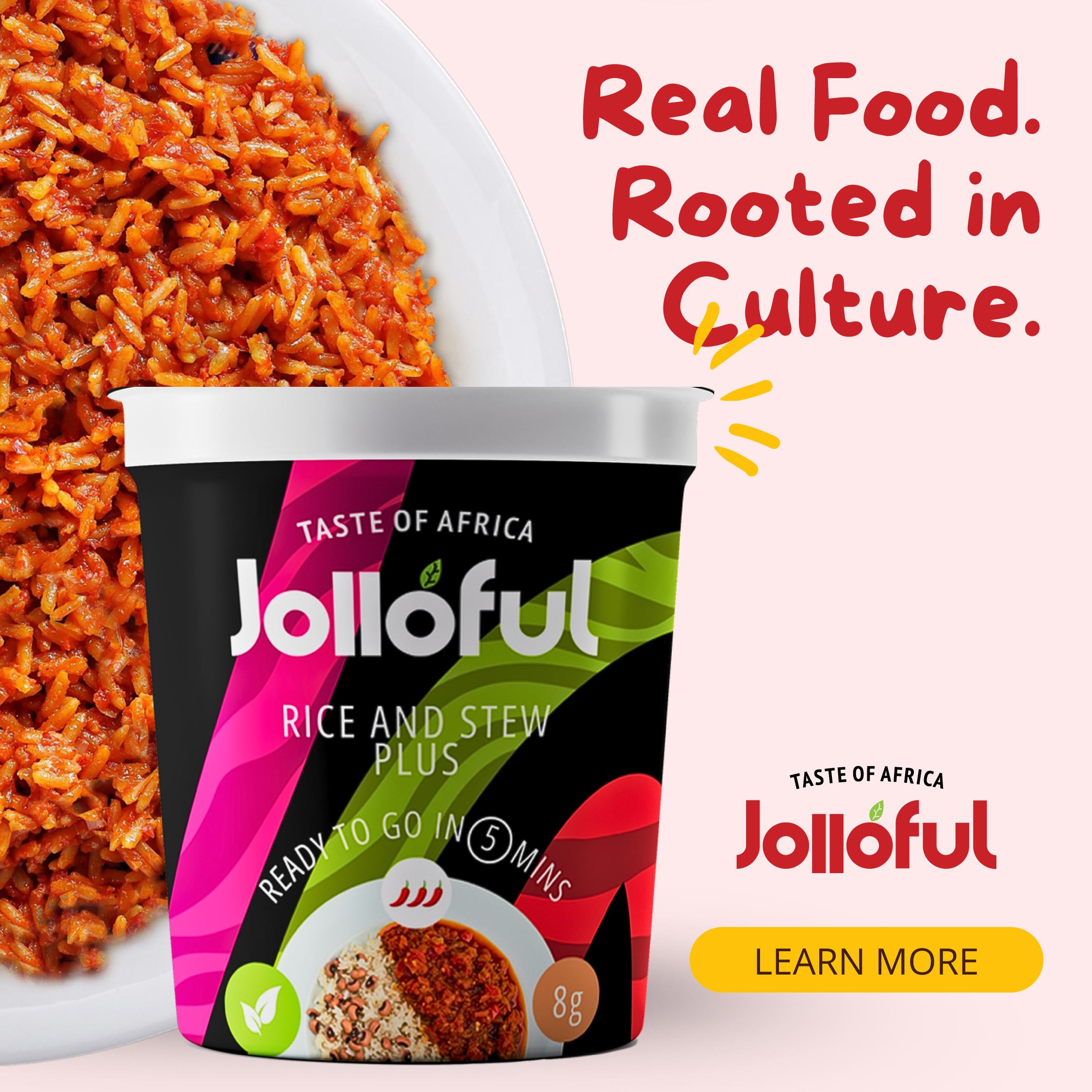
At a glance, the concept is simple. A shelf-stable cup meal inspired by African dishes, usually built around rice, grains, noodles, pulses or seasoning blends, prepared with hot water in around five to seven minutes. That puts it in the convenience category, but it should not automatically place it next to low-effort instant snacks.
The better meal cups are aiming higher. They are trying to give you a proper lunch, quick dinner or emergency desk meal that still carries distinct flavour. That means the review cannot stop at prep time. Speed is easy to advertise. The real test is whether the cup tastes layered, filling and culturally credible once the lid comes off.
This is where expectations need to be fair. A meal cup is not a slow-cooked pot from a family kitchen, and it should not be judged as if it is trying to replace one. But it also should not get a free pass just because it is quick. The best products in this category respect both sides - convenience and flavour.
Taste is the make-or-break factor
If the spices are timid, the whole thing falls apart. African food is not one flavour profile, of course, but many meal cups inspired by West African cooking lean on bold seasoning, warmth, savoury depth and a little heat. If those elements are missing, the product can feel generic very quickly.
A good cup should taste intentional. You want seasoning that feels rounded rather than dusty, chilli that lifts rather than attacks, and a savoury base that does not vanish after two bites. Tomato-rich profiles should taste lively instead of flatly sweet. Onion, pepper and spice notes should come through clearly. If there is a smoky edge, all the better.
Texture matters nearly as much. Rice that turns mushy or grains that stay chalky can spoil an otherwise good flavour. Instant meals always walk a line here because rehydration is tricky. Some cups get surprisingly close to a proper cooked texture, while others feel halfway between porridge and packet food. It depends heavily on the base ingredient and how well the cooking instructions are calibrated.
That is why an honest review should admit the trade-off. A meal cup can absolutely be flavourful and satisfying, but it is unlikely to replicate the exact texture of a freshly made dish. The win is when it gets close enough that you stop thinking about what is missing.
Convenience is not a small benefit
People often talk about convenience as if it is a lazy shortcut. It is not. For a lot of shoppers, especially in the UK and across Europe, convenience is what decides whether they eat something decent at all. A meal cup that lives in your cupboard, comes to work in your bag, or sits ready in a student flat can solve a very real problem.
The strongest point in favour of African meal cups is speed without freezing, chilling or complicated prep. Add hot water, wait a few minutes, stir and eat. That matters for office lunches, travel, late evenings and days when cooking from scratch is simply not happening.
Portability is another plus. Shelf-stable meals travel well, last longer and make sense for people who do not want their meal planning held together by fresh ingredients expiring on a Wednesday. For diaspora households, there is also an emotional convenience in having familiar flavour nearby without needing a full cooking session.
Still, convenience should not be used to excuse poor execution. If a meal is quick but leaves you hungry an hour later, or if it needs heavy doctoring with extra seasoning just to wake it up, it has not done enough.
Ingredients tell you whether the brand respects the food
This is one of the most important parts of any African meal cup review, and shoppers are getting sharper about it. Turn the pack around. The ingredient list usually reveals whether the product was built with care or with shortcuts.
A stronger product tends to avoid artificial colours and unnecessary additives, and it gives you recognisable ingredients rather than a chemistry lesson. You also want to see that flavour is coming from actual spices, vegetables and seasonings, not just salt and vague flavour powders.
Salt is a good example of where nuance matters. Convenience foods are often sodium-heavy, and some meal cups are no exception. That does not make them automatically bad, but it does mean they work better as part of a balanced routine than an everyday default. If you are health-conscious, this is worth checking before you buy in bulk.
Protein and fibre matter too. Some cups are satisfying because they include pulses, grains or substantial starches. Others taste nice enough but eat more like a snack than a meal. If you are counting on one cup to get you through an afternoon of meetings, lectures or commuting, fullness matters just as much as flavour.
Who will enjoy them most?
These products make immediate sense for three groups. First, people from African backgrounds who want a convenient option that still feels connected to home. Second, curious eaters who want an easy entry point into African flavours without needing a full pantry of ingredients. Third, busy shoppers who are simply bored of bland instant food and want something with personality.
For first-time buyers, the format lowers the barrier nicely. You do not need to know how to cook the dish. You do not need a long shopping list. You can try the flavour, get a feel for the spice level and decide whether you want to explore more.
For those who already know the cuisine well, standards may be higher, and rightly so. They are more likely to notice when seasoning feels watered down or when the product leans into a generic "spicy exotic" profile instead of a specific, thoughtful one. That does not mean they will reject the category. It just means authenticity has to be earned.
Value for money depends on what you compare it with
Meal cups can seem expensive if you compare them with the cheapest instant noodles on a supermarket shelf. But that is usually the wrong comparison. If the product uses better ingredients, stronger flavour development and a more substantial format, it is playing in a different lane.
The more useful comparison is with premium grab-and-go lunches, meal deals, takeaway extras or emergency online grocery buys when your fridge is empty. Against those, a well-made African meal cup can look far more reasonable.
That said, value still depends on portion size. If the cup feels light, buyers may hesitate to reorder even if the flavour is good. Some people will treat it as a lunch on its own. Others will prefer it with a side, such as boiled egg, plantain, salad or leftover protein. There is no problem with that, but it affects whether the price feels fair.
The verdict on African meal cups
The category is strong when it stays honest about what it is. African meal cups are not trying to replace home cooking. They are trying to rescue busy days from boring food. When done well, they offer speed, shelf stability and flavour that actually has character. That alone makes them far more interesting than standard instant options.
The weaknesses are predictable. Texture can vary, portion size may not suit everyone, and some products will be more exciting in theory than in the cup. But the upside is real. For shoppers who want quick meals with proper seasoning, cultural depth and cleaner ingredients, this category has genuine appeal.
Brands like Jolloful are pushing that standard forward by treating convenience as a format, not a flavour compromise. That is the difference that matters.
If you are curious, the smartest approach is simple: start with the flavour profile that already sounds like something you would gladly eat, not something you feel you ought to try. Convenience food only earns a place in your cupboard when it tastes like food you would choose again.
SHOP NOW>>


Hinterlasse einen Kommentar