
Your freezer is full, you are late home, and the meal you planned is still solid as a brick. That is where the shelf stable meals vs frozen question becomes more than a supermarket comparison. It is about whether convenience actually works with your kitchen, your schedule and the kind of food you want to eat.
Frozen food has earned its place. It can be familiar, quick and useful for keeping ingredients on hand. Shelf-stable meals offer a different kind of freedom: real meals that live in the cupboard, travel well and are ready when the freezer is not. Neither format wins every time. The better choice depends on what you value most.
Shelf stable meals vs frozen: the practical difference
Frozen meals are preserved by being kept at a low temperature from production to your home. They need freezer space, and they stay dependent on it until you cook them. Shelf-stable meals are made and packaged to remain safe at room temperature for a longer period. They belong in the cupboard, desk drawer, work locker or travel bag rather than the freezer.
That difference changes everyday life. A frozen meal can be a reliable dinner after a long day, provided you have space to store it and time to heat it through. A shelf-stable meal is there for the days when there is nothing defrosted, the shops are shut, you are between meetings, or you need a proper lunch at work without a freezer nearby.
For busy households, shelf stability is not just about a long date on the pack. It is about reducing the mental load of meal planning. You can keep a few meals at home without rearranging bags of peas, ice trays and last week’s batch-cooked leftovers.
Storage: cupboard calm or freezer capacity?
Freezer space is valuable. In a shared flat, a student kitchen or a family home, it fills up quickly. Frozen meals compete with everyday essentials, bulk buys and food prepared for the week. They can also become easy to forget when buried under everything else.
Shelf-stable meals take pressure off that crowded space. They are particularly handy for smaller kitchens, office lunches, camping trips and holiday accommodation where freezer access is uncertain. They also make a sensible pantry backup for unexpected late finishes, rail delays or the evenings when cooking from scratch is simply not happening.
There is a trade-off. Once opened or prepared, shelf-stable food must be handled according to its pack instructions, just like any other food. Frozen food can offer longer storage for certain ingredients and can be useful when you want to stock up on produce or family-sized portions. The right format may be both: frozen staples for cooking projects, cupboard meals for fast, flavour-first moments.
Preparation time is not the whole story
A frozen meal may say it is ready in minutes, but the total experience can involve preheating, removing packaging, stirring halfway through and waiting for the centre to heat properly. That can be perfectly worthwhile when you want a specific meal or a generous portion.
Shelf-stable meals are designed for a more immediate rhythm. Add hot water, wait a few minutes, and eat. For someone moving between work, childcare, the gym and a social life, that lower level of effort matters. It is not about treating food as an afterthought. It is about making space for food that tastes considered when life is not.
The best convenience meal should not leave you choosing between speed and character. A rich spice blend, recognisable ingredients and a satisfying texture make a quick meal feel like food, not a compromise. That is the standard worth looking for, whatever aisle you shop in.
Flavour and texture: where expectations matter
Freezing can protect flavour well, especially in dishes designed to be reheated in the oven or microwave. It is often a strong choice for saucy meals, vegetables and recipes where a softer texture is part of the point. But not every frozen meal reheats evenly. Some end up watery around the edges and cold in the middle, while others lose the contrast that made the dish exciting in the first place.
Shelf-stable meals have their own strengths and limits. They are formulated to rehydrate or heat quickly, so the format suits grains, pulses, noodles and layered spice profiles particularly well. A good shelf-stable meal should deliver depth, warmth and balance, not just salt and heat.
This is where ingredient quality and recipe integrity matter more than the format alone. Look for food that is clear about what is inside. Real herbs, spices, vegetables, legumes and grains bring more personality to a meal than vague flavouring language ever can. African food has always had range, regionality and serious flavour. Convenience should make that richness easier to enjoy, not flatten it into a bland imitation.
Ingredients and nutrition: read beyond the front of pack
It is tempting to assume frozen automatically means fresher or shelf-stable automatically means more processed. Neither assumption is reliable. Frozen vegetables, for example, can be a brilliant everyday choice. They are often frozen soon after harvest and can be nutritious, affordable and low-waste.
Shelf-stable meals vary widely too. Some rely heavily on refined starches, salt and additives. Others use straightforward ingredients and carefully built seasoning to create a meal with real substance. The useful question is not simply, “Is it frozen?” Ask what the product is made of, how much fibre and protein it provides, how much salt it contains, and whether the ingredients sound like food you would recognise in your own kitchen.
For many shoppers, a clean label is part of the appeal. No artificial colours and no added preservatives can be a meaningful signal, but it should sit alongside the full ingredients list and nutrition panel. A meal does not need to pretend to be perfect. It needs to be honest, satisfying and suited to how you actually eat.
Waste, energy and the choices behind convenience
Frozen meals require energy throughout their life: freezing at production, refrigerated transport, freezer storage at the shop and your freezer at home. That does not make them a poor choice by default, but it is a factor worth considering, especially if food is frequently forgotten and thrown away.
Shelf-stable meals do not need continuous freezing, and their lighter, cupboard-friendly format can make them easier to store and transport. They can also reduce household waste when you only prepare what you need. Still, packaging materials, manufacturing methods and portion sizes all matter, so there is no honest one-line answer on sustainability.
The most responsible meal is often the one you will genuinely use. If a frozen family tray prevents takeaway and feeds everyone, that can be a smart choice. If a shelf-stable meal stops you buying an overpriced lunch or binning wilted ingredients, that has value too.
When shelf-stable meals make the most sense
Shelf-stable meals are especially strong when flexibility is the priority. Keep them for work lunches, emergency dinners, travel days and the gap between a food shop and a fully stocked kitchen. They are also an easy entry point for anyone curious about new flavours but not ready to buy a long list of unfamiliar ingredients.
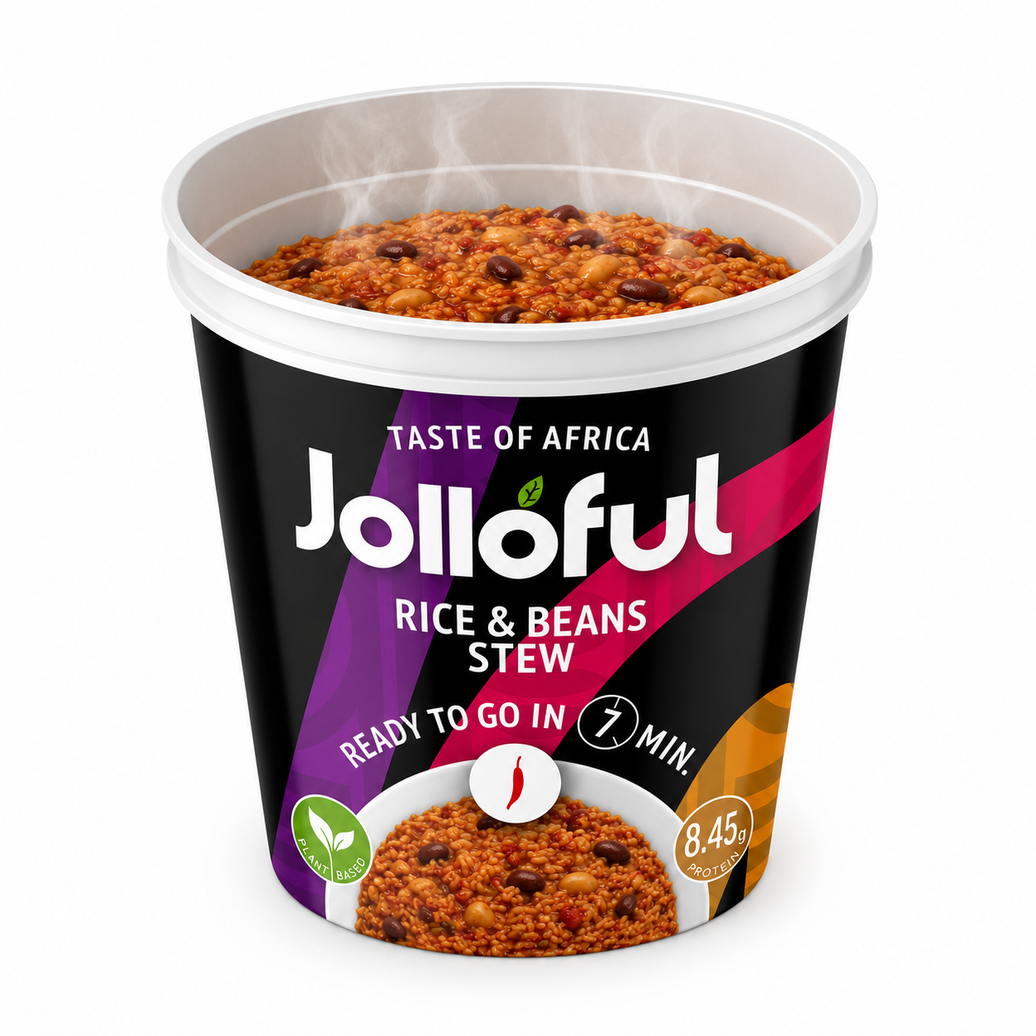
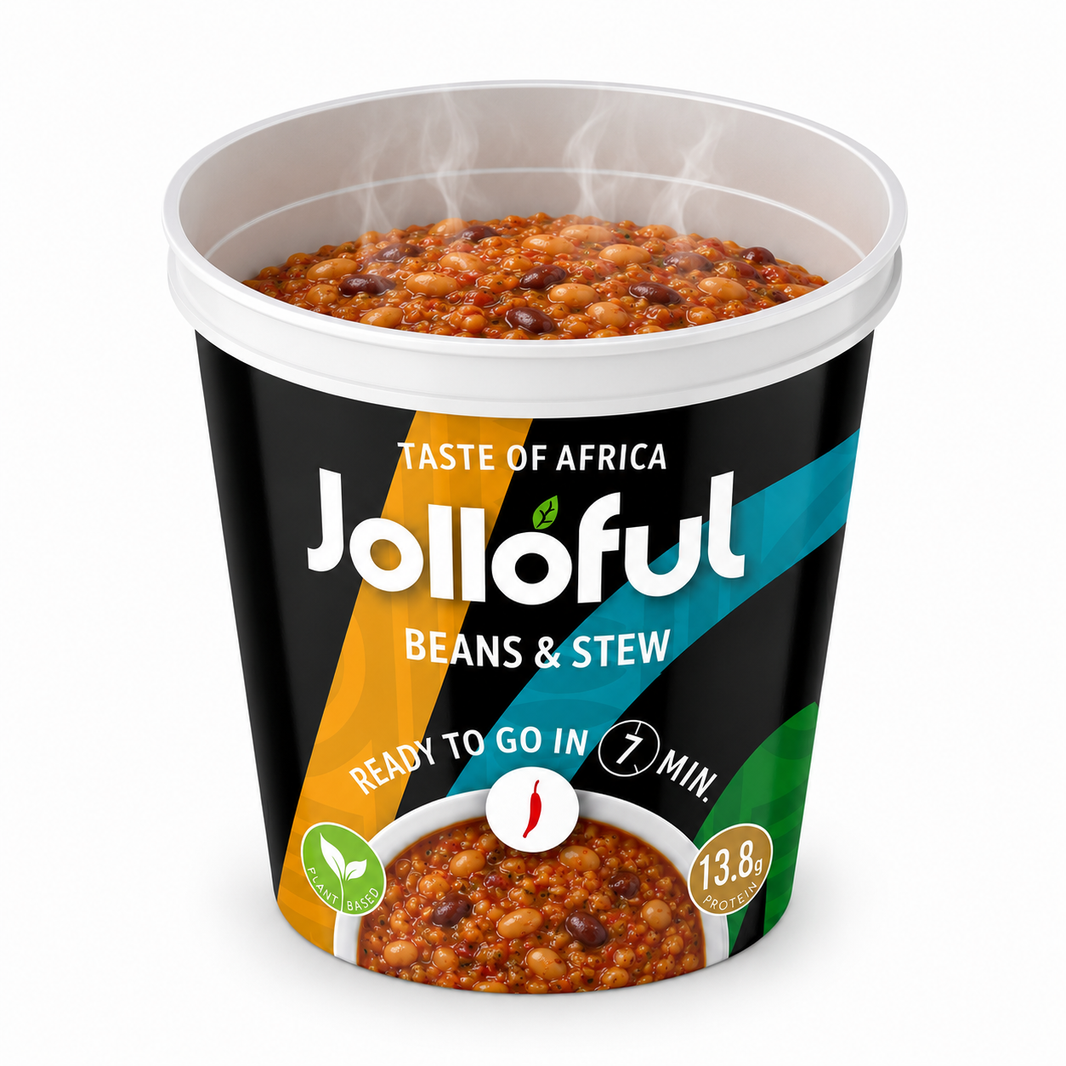
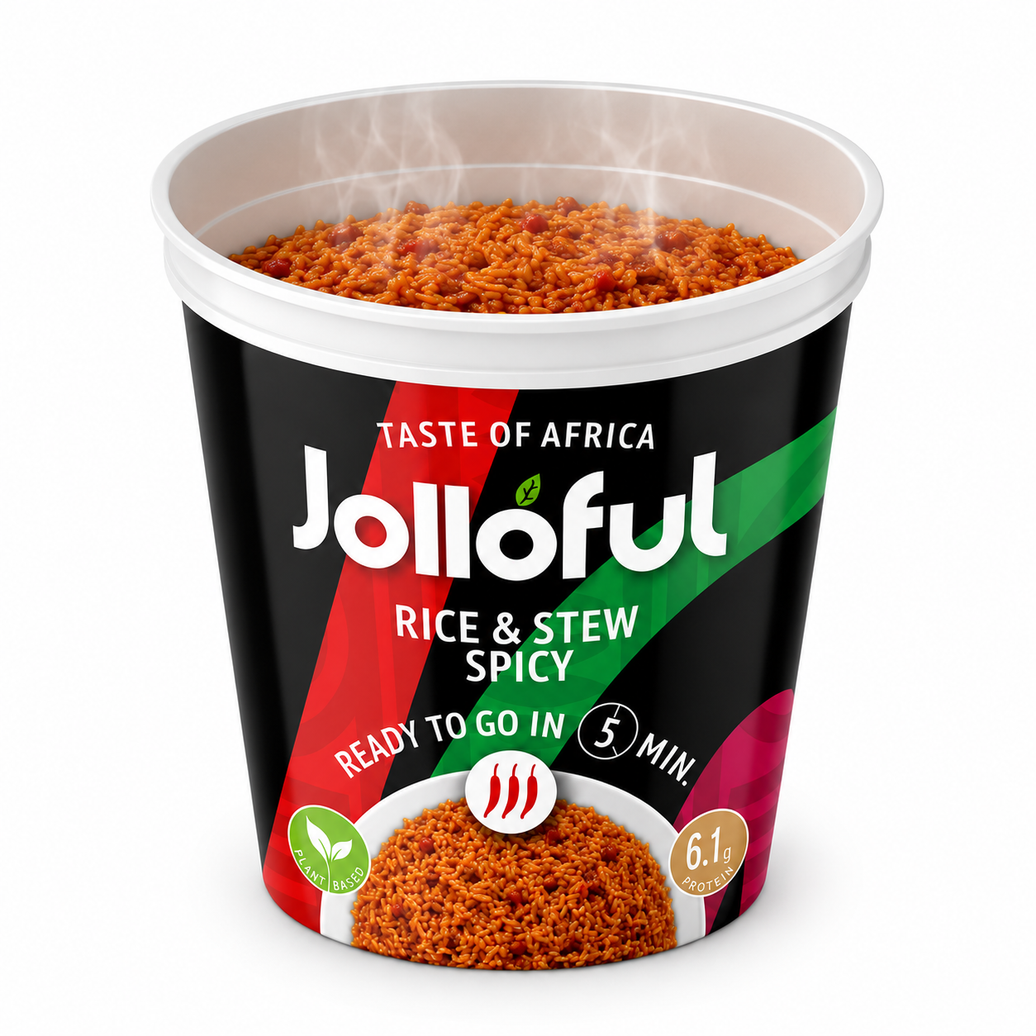
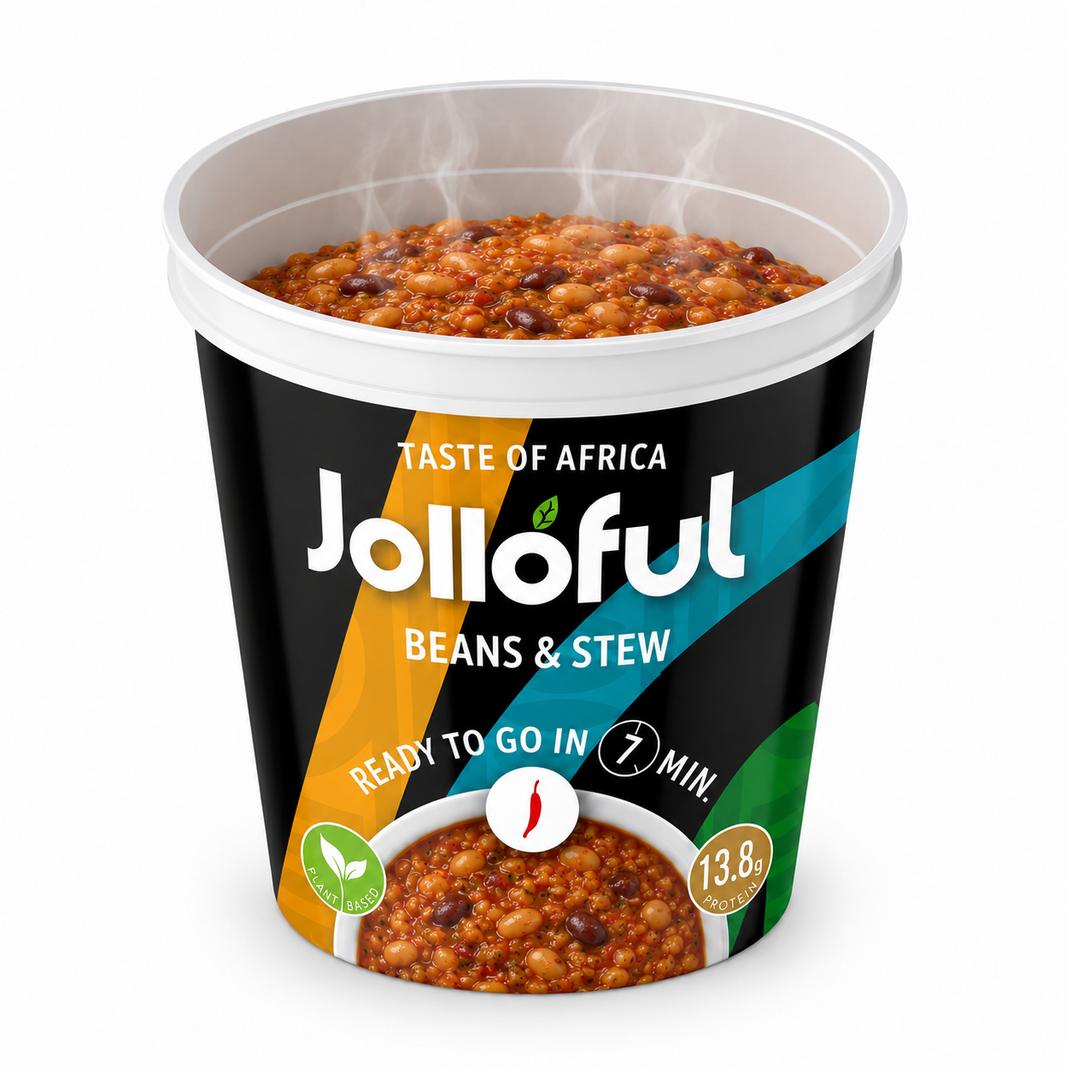
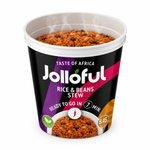
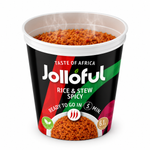
Jolloful is built for exactly that kind of moment: vibrant African meals that prepare in minutes with hot water, using real ingredients and recipes rooted in culture. It is convenience with more flavour, more intention and none of the tired assumptions people make about quick food.
Frozen meals may still be the better pick when you need larger portions, cook for several people or want ingredients ready for your own recipes. There is no need to turn a practical choice into a food identity. Build a kitchen that supports you.
Choose the format that makes eating well easier
If your freezer is reliable, spacious and central to how you cook, frozen meals can be a useful part of the plan. If you want meals that are ready anywhere hot water is available, shelf-stable options bring a level of freedom frozen food cannot match.
Keep a few cupboard meals for the moments when plans change. Choose ones with flavour worth looking forward to, ingredients you can stand behind and enough character to make a five-minute meal feel like a good decision.


Hinterlasse einen Kommentar