
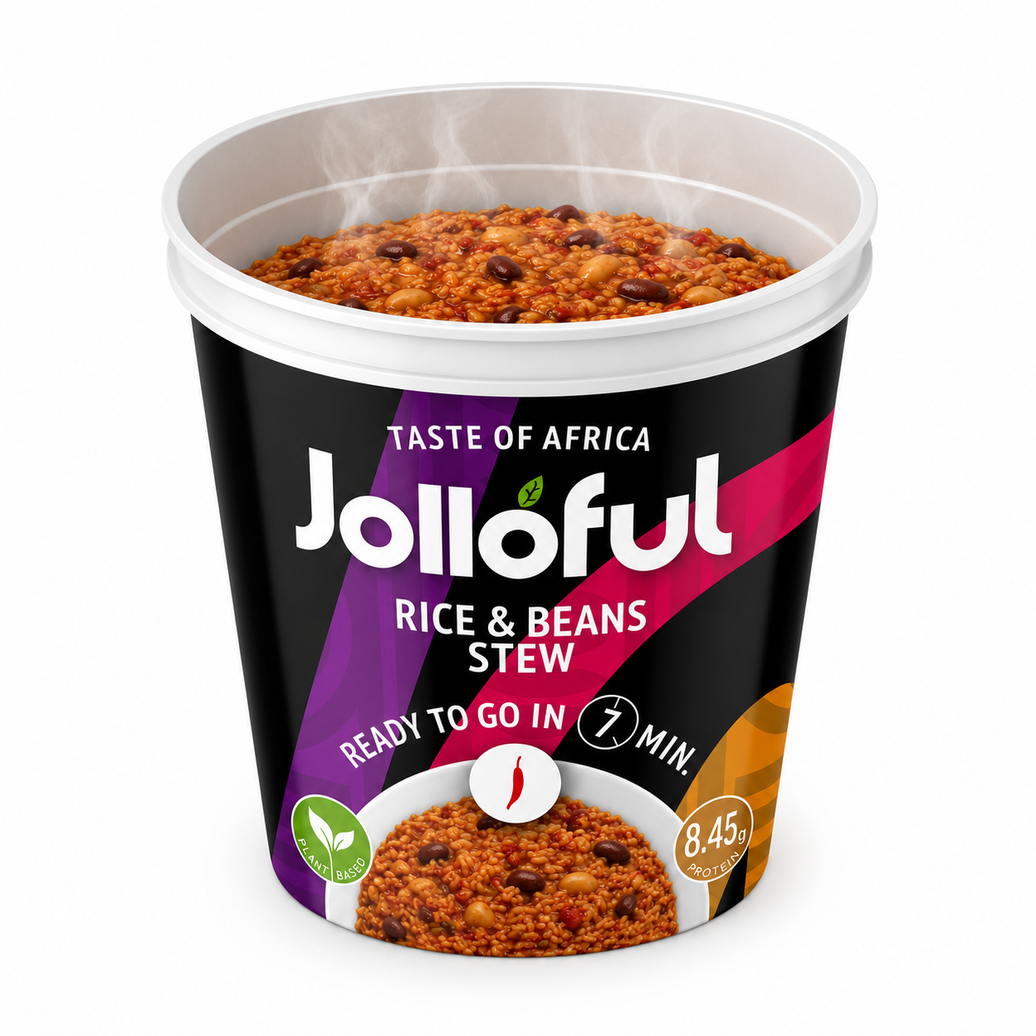
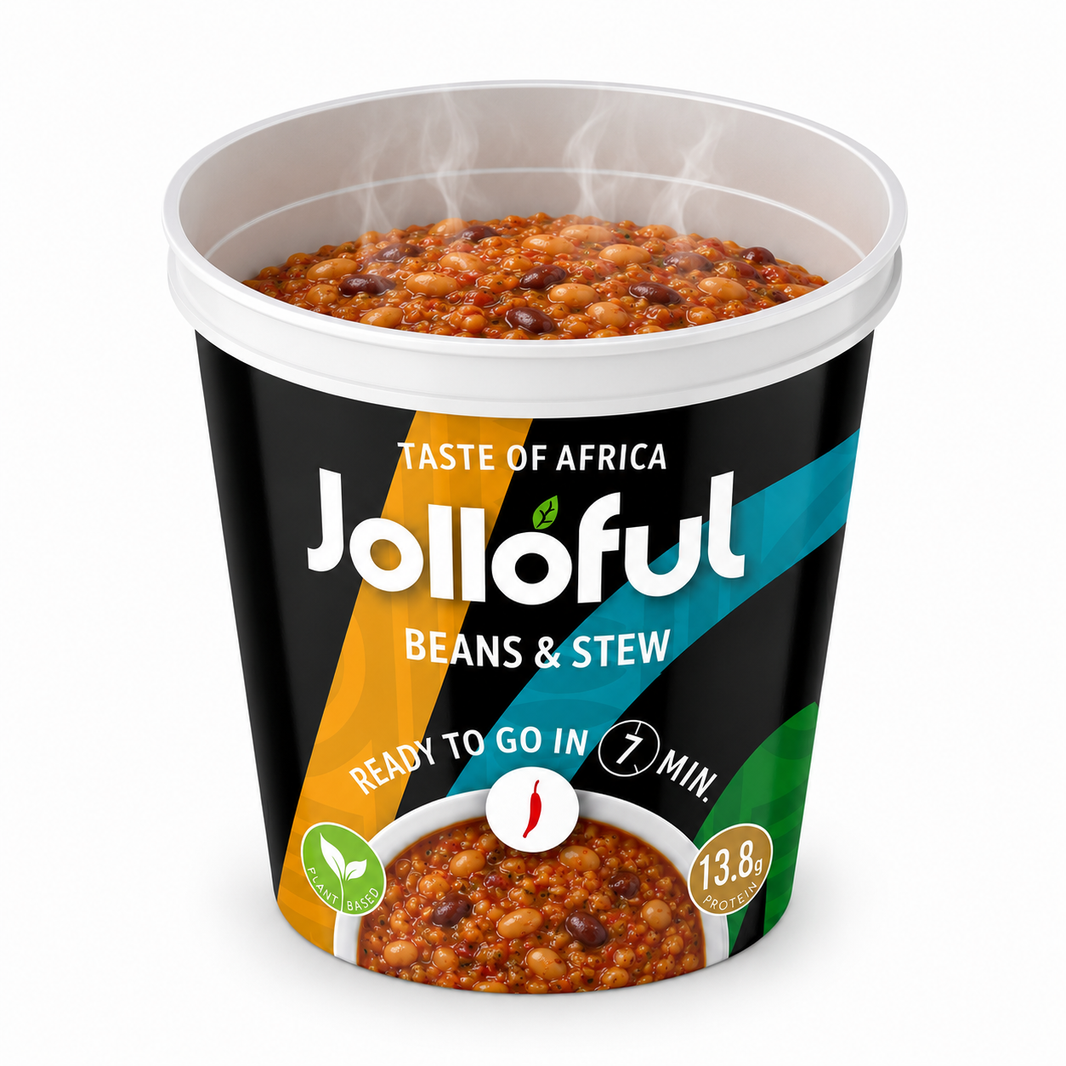
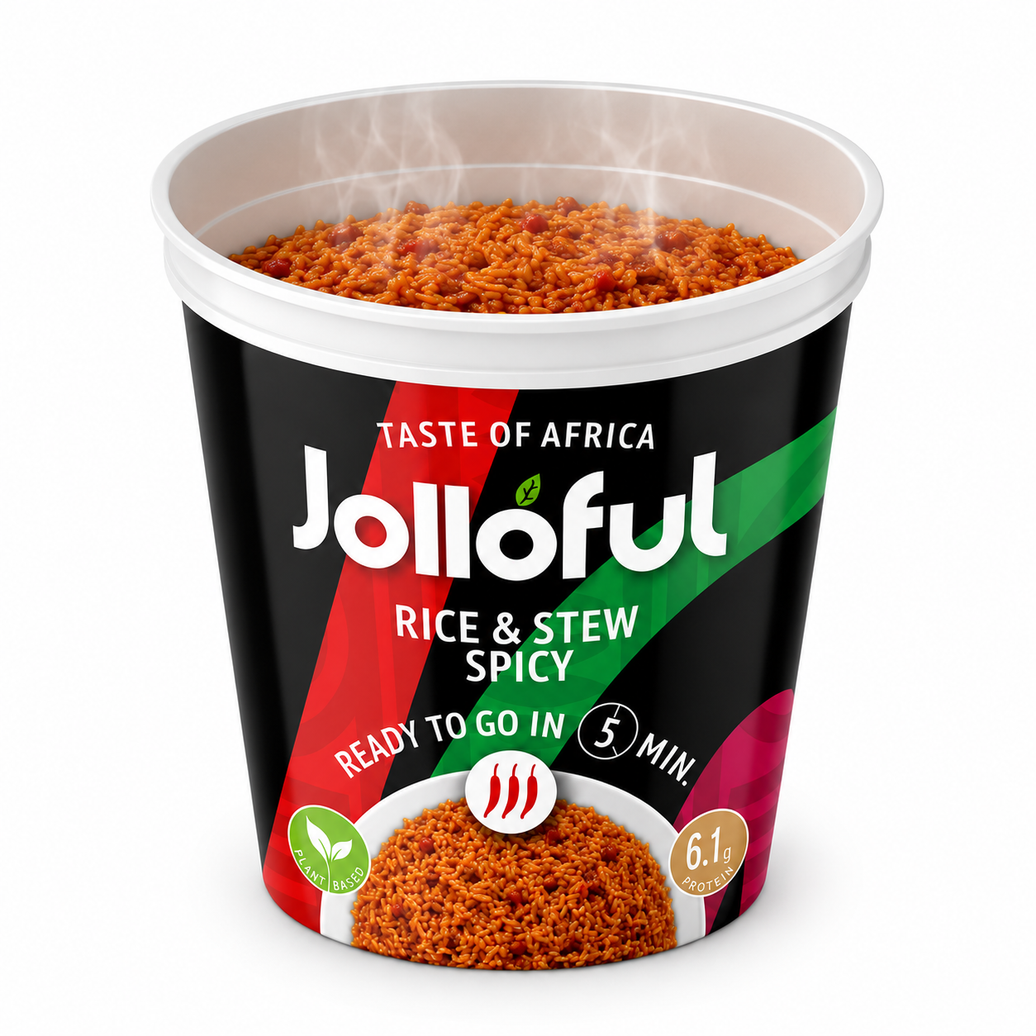
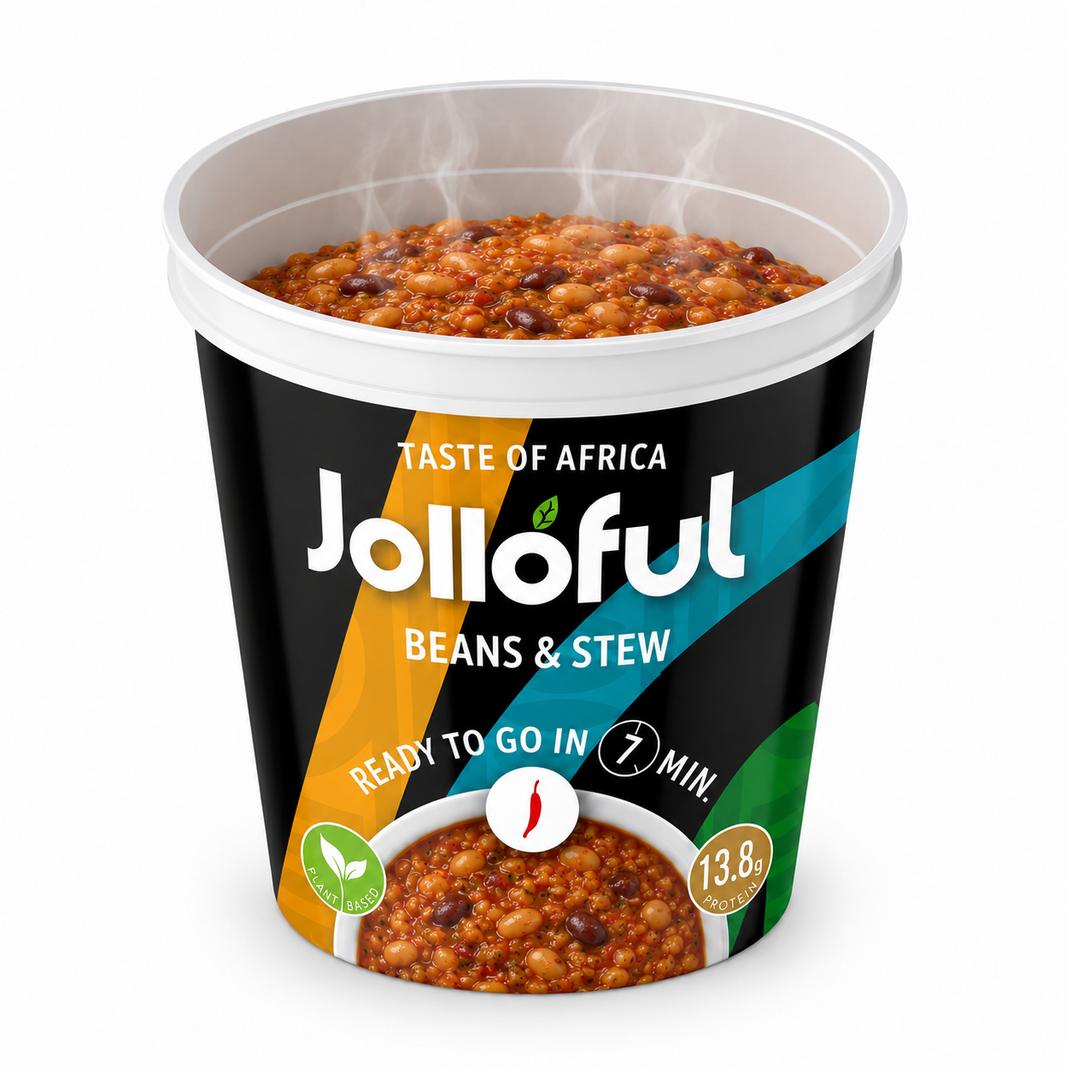
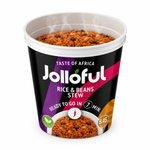
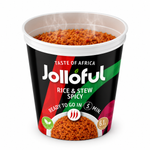
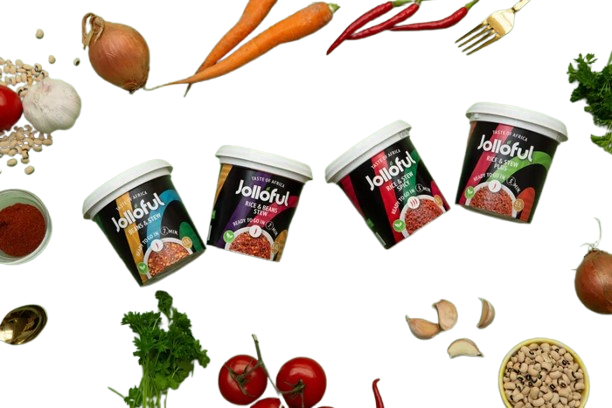
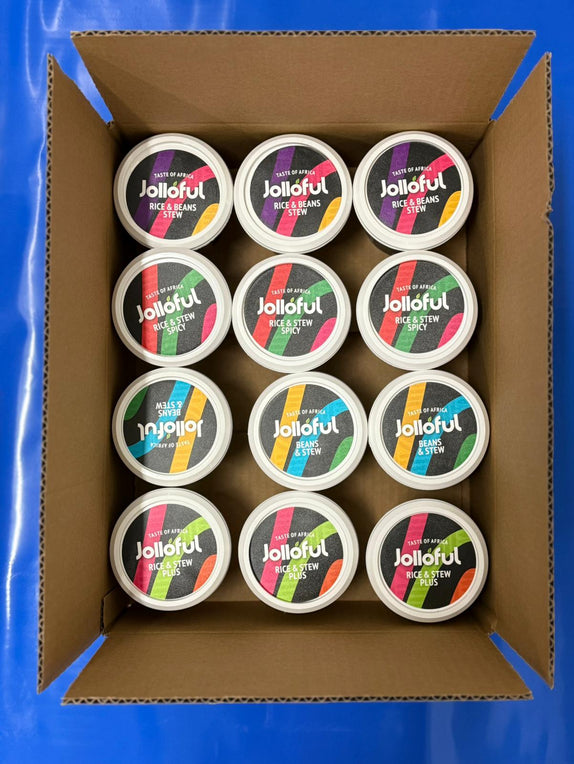
Order your 8-pack / 12 pack box today
The "kick" in your favorite Caribbean jerk chicken actually owes its soul to the ancient trade routes of the Atlantic. Many home cooks in Germany assume these two flavor profiles are interchangeable. They aren't. If you've ever felt your homemade stew was missing that "authentic" something, you're likely missing the foundational depth of West African spice blends.
It's frustrating when a dish tastes flat despite using plenty of peppers. You want a meal that restores your spirit, not just one that burns your tongue. Understanding the nuance between these regions is the secret to professional-grade home cooking. This isn't just about heat; it's about honoring a heritage that's becoming a premium staple in global kitchens.
In this 2026 flavor guide, you'll discover the deep-rooted connections and distinct differences between African and Caribbean spice profiles. We'll break down why African spices prioritize fermented umami while Caribbean blends lean into herbal sweetness. You will learn which ingredients are unique to each coast and how to achieve these complex results in minutes. Let's unlock the secrets to vibrant, soulful cooking that fits your modern lifestyle.
The Shared Roots and Distinct Souls of African vs Caribbean Spices
West African culinary traditions are the heartbeat of the Caribbean. When the diaspora moved across the Atlantic, they didn't arrive empty handed. They carried seeds, techniques, and memories of home. These foundational elements transformed the islands into a second home for African flavors, creating a culinary heritage that spans thousands of miles.
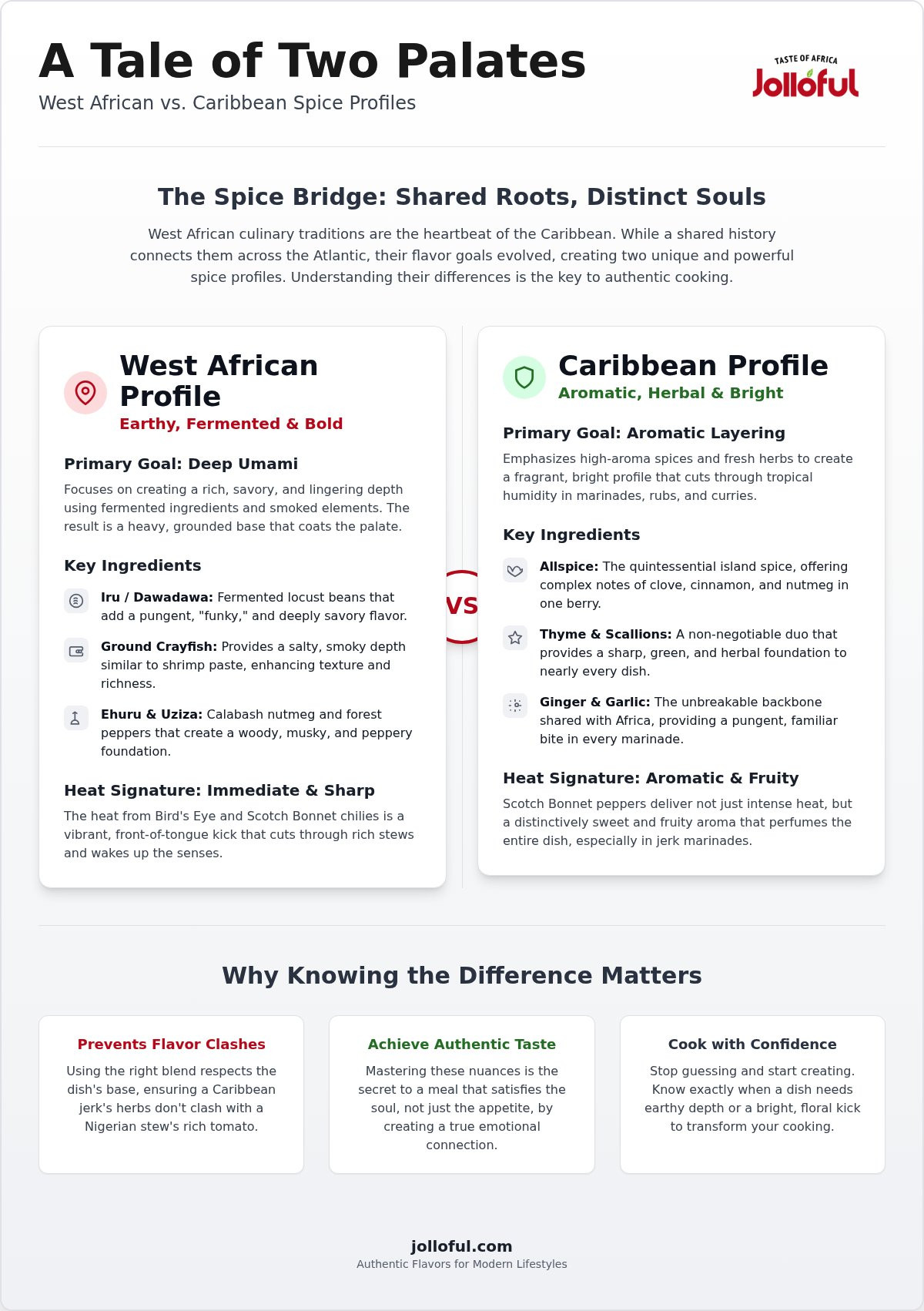
While they share a history, their goals in the pot are different. West African spice blends focus on deep, earthy umami. This involves using fermented locust beans, smoked crayfish, and forest spices that provide a heavy, grounded base. Caribbean spices often prioritize aromatic heat and bright, herbal notes like thyme, allspice, and scotch bonnet peppers.
The Spice Bridge is the historical and cultural link that connects the foundational ingredients of the African continent to the vibrant kitchens of the Caribbean islands.
The Evolution of Flavor Across the Atlantic
In the tropical heat of the islands, traditional stews shifted. Thicker, oil-based West African soups evolved into the coconut-infused curries and dry-rubbed jerks we love today. The local flora changed the recipes, but the soul remained the same. In the Caribbean, the abundance of allspice and scotch bonnets led to a shift toward high-aroma marinades that could withstand the humid climate.
Ginger and garlic stayed as the unbreakable backbone of both regions. These ingredients provided a familiar bite in a new world. You can trace the lineage of West African cuisine through the use of these pungent aromatics in almost every Caribbean marinade. They act as the bridge between the old world and the new, ensuring the flavors remain bold and restorative.
Why Understanding the Difference Matters for Your Kitchen
Knowing the difference prevents your Sunday dinner from tasting "off." If you use a Caribbean jerk seasoning for a Nigerian stew, the herbal brightness might clash with the rich tomato base. Authentic cooking requires you to respect these boundaries. It's the difference between a meal that just fills you up and one that truly satisfies your soul.
Understanding these profiles helps you balance heat and acidity like a pro. It's about more than just a recipe; it's an emotional connection. Using the right West African spice blends brings back the warmth of a Lagos kitchen, even if you're cooking in Berlin or Munich. We invite you to learn more about our story and how we bring these authentic flavors to your home in Germany.
When you master these nuances, you stop guessing and start creating. You'll know exactly when a dish needs the earthy depth of African spices or the floral kick of the Caribbean. This knowledge transforms your home cooking from a chore into a celebration of culture and heritage.
The West African Spice Cabinet: Earthy, Fermented, and Bold
West African cuisine isn't just about heat; it's built on a foundation of "deep umami." This savory core comes from ingredients like fermented locust beans and ground crayfish. While many kitchens rely on stock cubes, traditional West African spice blends use these natural powerhouses to create a lingering richness that coats the palate.
Ground crayfish is the secret weapon for texture and saltiness. It doesn't taste "fishy" once cooked. Instead, it provides a salty, smoky depth similar to high-quality shrimp paste. It transforms a simple tomato base into a complex, multi-layered sauce that feels restorative and indulgent.
The heat in these blends is immediate and sharp. Bird's eye chilies and Scotch Bonnets provide a bright, stinging kick that wakes up the senses. This isn't a slow burn. It's a vibrant, front-of-tongue heat that perfectly balances the heavier, earthy notes of the stews.
Imagine the scent of Suya spice hitting a hot grill. The nutty aroma of ground peanuts mingles with ginger and cayenne. It creates a smoky, savory cloud that pulls you in. This fragrance is a sensory signal of community, heritage, and a meal worth waiting for.
The Power of Fermentation: Iru and Dawadawa
Iru (fermented locust beans) has a pungent, nutty aroma that might surprise you. Think of it as the West African equivalent of miso or a very strong cheese. These beans act as natural flavor enhancers, bringing a "funk" that makes Nigerian stews taste truly authentic.
Beyond the incredible flavor, these traditional West African culinary techniques provide essential nutrients and probiotic benefits. Fermentation is a time-honored way to unlock deep flavors while supporting wellness. You can find these bold, traditional profiles in our ready-to-eat meal kits, delivered across Germany.
Earthy Foundations: Ehuru and Uziza
Ehuru, or Calabash Nutmeg (Monodora myristica), is a world away from the standard nutmeg in a German pantry. It's woodier, muskier, and much smokier. When toasted and ground, it releases an earthy fragrance that defines the base of an authentic pepper soup.
Uziza seeds and leaves add a peppery, slightly bitter profile to the pot. Unlike standard black pepper, Uziza has a complex, forest-like freshness. These spices create a grounded foundation that feels both medicinal and deeply satisfying. They are the essential building blocks for any cook looking to master the soul of the region.
The Caribbean Spice Rack: Aromatic, Sweet-Heat, and Herbal
Caribbean flavors are a masterclass in aromatic layering. While West African spice blends anchor dishes in earthy, fermented depth, island cooking reaches for the canopy. It is a profile defined by high-aroma spices that cut through tropical humidity. This creates a sensory experience that feels light, bright, and intensely fragrant.
Herbal brightness is the heartbeat of the islands. Fresh thyme and scallions are non-negotiable staples in every pot. They provide a green, sharp foundation that contrasts with the heavy proteins of the region. This is where the Caribbean differs most from the continent; it swaps the heavy umami of locust beans for the garden-fresh scent of green aromatics.
The "sweet-heat" balance is the region's most famous export. Imagine the fire of a Scotch Bonnet pepper tempered by the woody warmth of cinnamon and nutmeg. This pairing isn't for desserts. It’s the secret to making savory meats taste complex and restorative. It’s a sophisticated dance between heat and comfort.
| Feature | African Heat | Caribbean Heat |
|---|---|---|
| Primary Sensation | Sharp, immediate kick | Fruity, lingering burn |
| Foundation | Earthy, fermented, savory | Aromatic, sweet, herbal |
| Key Peppers | Bird's Eye, Scotch Bonnet | Scotch Bonnet, Habanero |
Allspice: The King of the Caribbean
Jamaicans call this "Pimento." It is the undisputed anchor of Jerk seasoning. The name "Allspice" comes from its unique profile; it tastes like a natural marriage of cinnamon, cloves, and nutmeg. It provides a pungent, peppery bite that defines island barbecue. It grounds heavy, savory meats but also warms up sweet holiday beverages like sorrel, making it the most versatile tool in the island cabinet.
The Indian Influence: Caribbean Curry Powder
Island curry is a distinct fusion of history. It is turmeric-heavy, giving it an iconic bright yellow look that differs from the deep red tomato bases of West African spice blends. Cumin and fenugreek provide a nutty, slightly bitter edge. Caribbean cooks often "burn" or toast the curry in hot oil first. This technique unlocks essential oils, creating a toasted depth that defines the region’s unique culinary soul.
Cross-Continental Cooking: How to Blend These Flavors in Bonn
Cooking authentic meals in Germany shouldn't mean compromising on soul. Whether you're in Bonn, Berlin, or Munich, finding specific ingredients for West African spice blends is becoming easier. Local Afro-shops are great, but many home cooks struggle with the time needed to toast and grind whole seeds from scratch.
You can create a vibrant fusion by mixing Caribbean aromatics into a Nigerian stew base. Try adding fresh thyme and allspice to your tomato and pepper mix. The herbal brightness lifts the heavy, earthy umami we discussed earlier. It's a modern way to respect both traditions while creating a unique, global flavor in your own kitchen.
If you're short on time, our ready-to-eat stews provide these complex profiles instantly. We've done the hard work of sourcing and blending, so you can enjoy restorative flavors without the long simmer. You can discover the best of African flavors in our shop and have them delivered right to your door in Germany.
Managing the Heat: Scotch Bonnet Tips
Scotch Bonnets are famous for their fruity, tropical aroma. To get this flavor without the intense burn, drop the pepper into your stew whole. Don't slice or pierce it. This allows the oils to infuse the sauce gently. If you want the full "kick," chop it finely or use a dried powder for an immediate, sharp heat.
Pairing heat with the right sides is essential for a balanced meal. Serving your spicy stew with plenty of white rice or beans helps neutralize the fire. In the Caribbean, coconut milk is often used to mellow out the peppers. In West Africa, the focus remains on the clean contrast of plain rice to let the West African spice blends shine.
Essential Pantry Swaps for European Home Cooks
Sometimes local shops in Germany run out of specific African seeds. In a pinch, you can substitute allspice berries for African pepper soup spices. While not identical, the warm, peppery notes of allspice provide a similar aromatic foundation. It's a practical way to keep the spirit of the dish alive when ingredients are scarce.
- Smoked Paprika: Use this to mimic the smokiness of traditional wood-fired cooking found in Lagos markets.
- Ginger and Garlic: These are your universal bridges. High-quality, fresh aromatics are non-negotiable for both regions.
- Black Peppercorns: These can stand in for Uziza seeds to provide that necessary back-of-the-throat bite.
Don't be afraid to experiment with what's available. The goal is a meal that feels healthy, premium, and deeply connected to heritage. By using these smart swaps, you ensure your cooking never tastes flat or uninspired, regardless of your location.
Authentic Flavors Made Simple: The Jolloful Approach
Capturing the soul of West African spice blends usually takes hours of simmering and a pantry full of hard-to-find seeds. At Jolloful, we've condensed that heritage into shelf-stable, ready-to-eat meals. You get the deep umami and sharp heat of traditional cooking without the logistical headache of sourcing rare ingredients in Germany.
Our secret lies in the balance. We use authentic recipes that respect the traditional "Spice Bridge" while fitting into your modern schedule. Whether you're craving a smoky stew or a peppery base, our process ensures every bite feels like a premium, home-cooked experience. We prioritize ingredient integrity so you never have to settle for nutritionally void alternatives.
Exploring these flavors shouldn't be intimidating. We offer both Mild and Spicy options across our stews to help you navigate the heat levels at your own pace. You still get the complex, earthy foundations of the region, but with a heat profile that suits your preference. It's the perfect way to participate in a shared cultural experience from your own dining room.
If you're ready to explore the full spectrum of our kitchen, we have the perfect starting point. You can try the Variety Pack to experience every spice level and find the profile that speaks to you.
Tradition Without the Wait
We use preservative-free dehydration technology to lock in every aromatic note. This means you get the genuine taste of fermented locust beans and bird's eye chilies without any artificial additives. It is a clean, healthy way to enjoy traditional cuisine anywhere in the United Kingdom or Germany. Our meals are designed for the fast-paced lifestyle of a modern cultural ambassador.
Imagine having an authentic Nigerian stew ready in minutes for a Bonn office lunch. You don't have to settle for flat-tasting convenience food anymore. Jolloful is the reliable choice for anyone craving the restorative taste of home while living or working abroad. We bridge the gap between traditional authenticity and modern food technology, ensuring quality in every pouch.
Your Journey into African Flavor Starts Here
Transforming your pantry is just a click away. We encourage you to start with the Jolloful Bundle for the full experience. It is the easiest way to stock up on premium, culturally aware meals that satisfy both your hunger and your curiosity. Our mission is to elevate traditional cuisine into a global, healthy staple for everyone.
Join our growing community of food lovers in Germany and share your spice discoveries with us. Whether you pair our stews with beans or rice, you're participating in a vibrant cultural movement. These spices do more than season food; they connect us to the rich, living heritage of Africa. We are proud to bring these authentic flavors to your table with speed, health, and soul.
Bring the Soul of the Continent to Your Kitchen
The journey from the West African coast to the Caribbean islands is a story of resilience told through flavor. You now understand how earthy umami and aromatic heat define these two distinct souls. Mastering these profiles transforms your cooking from a daily task into a vibrant cultural celebration.
You don't need to spend hours grinding seeds to enjoy authentic West African spice blends. Jolloful brings these complex recipes to your table with modern efficiency. Our stews are preservative-free and shelf-stable, ensuring you always have a restorative meal ready in minutes.
We prioritize ingredient integrity and fast shipping across Germany and the UK. It's about providing the taste of home with the convenience your fast-paced lifestyle demands. Stop settling for flat flavors and start experiencing the genuine depth of the diaspora.
Let the vibrant aromas of the continent fill your home today. Your next great culinary discovery is just one simmer away. We're excited to be part of your journey toward more soulful, healthy, and authentic meals.
Frequently Asked Questions
Is Caribbean food just a version of African food?
Caribbean cuisine is a distinct evolution rather than a simple version of African food. While the foundations were carried across the Atlantic by the diaspora, the islands added their own layers. Caribbean food incorporates Indian, French, and Spanish influences, resulting in an aromatic and herbal profile. West African cooking remains more focused on earthy, fermented umami and the deep richness of West African spice blends.
What is the spiciest spice in African cooking?
The sharpest heat typically comes from the Bird's Eye Chili, also known as Piri Piri. It provides an immediate, stinging kick that defines many regional sauces. Scotch Bonnets are also widely used for their fruity, lingering burn. While the heat is intense, it is always balanced by savory foundations like locust beans or smoked fish to ensure the dish feels restorative rather than just painful.
Can I use Jerk seasoning in an African stew?
You can use Jerk seasoning, but it will significantly change the flavor profile. Jerk is heavy on allspice, thyme, and cinnamon, which creates a sweet-heat herbal finish. Authentic West African stews rely on a savory, earthy base. If you use Jerk, you'll miss the foundational umami provided by ingredients like crayfish or iru. For a true taste of home, it's better to stick to traditional regional aromatics.
What is the difference between Allspice and African Nutmeg (Ehuru)?
Allspice tastes like a natural combination of cinnamon, cloves, and nutmeg. It is the aromatic king of the Caribbean. African Nutmeg, or Ehuru, is much woodier, muskier, and smokier. While they both provide warmth, Ehuru lacks the sweet floral notes of Allspice. Using Ehuru provides the specific forest-like depth required for authentic pepper soup, which Allspice cannot replicate on its own.
Why is Scotch Bonnet used in both African and Caribbean cuisines?
Scotch Bonnet peppers thrive in the tropical climates of both West Africa and the Caribbean. They became a shared culinary backbone due to historical trade routes and similar growing conditions. While the pepper is the same, the application differs. In the Caribbean, it's often paired with bright herbs for marinades. In Africa, it's blended into rich tomato and pepper bases to provide a vibrant, stinging heat.
Where can I buy authentic African spices in Germany or the UK?
You can find these ingredients at local Afro-shops in major cities like Berlin, Bonn, or London. However, sourcing individual seeds can be difficult and time-consuming. Jolloful makes it easier by incorporating authentic West African spice blends directly into our ready-to-eat stews. We ship these preservative-free meals across Germany and the UK, providing the taste of a Lagos kitchen without the prep time.
How do I make my stews taste more authentic and less flat?
The secret to avoiding flat-tasting stews is building layers of umami. Don't just rely on salt and bouillon cubes. Use traditional flavor enhancers like fermented locust beans (Iru) or ground crayfish to add savory depth. Toasting your dry spices in oil before adding liquids also unlocks essential oils. This process creates a complex, multi-dimensional flavor that mimics the long simmer times of traditional home cooking.
Are Jolloful meals as spicy as traditional home-cooked African food?
We offer options to suit every palate. Our "Spicy" stews are designed to match the authentic heat levels found in traditional Nigerian homes and street food. If you prefer the flavor without the intense fire, our "Mild" stews provide the same rich spice profile with a much gentler kick. Both versions are shelf-stable and made without artificial preservatives, ensuring a premium and healthy meal every time.




Hinterlasse einen Kommentar