
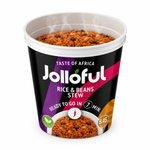
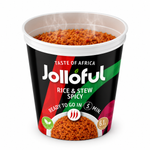

Order your 8-pack / 12 pack box today
A desk drawer dinner. A late train home. A kitchen with nothing fresh left in it. These are the moments when a dehydrated meal comparison becomes genuinely useful. The best option is not simply the one that is ready fastest. It is the one that gives you proper flavour, recognisable ingredients and enough satisfaction to feel like a meal rather than a compromise.
Shelf-stable food has moved well beyond bland packets and anonymous seasoning dust. There are now meals inspired by real culinary traditions, made for people who want speed without settling for food that tastes manufactured. Still, the category is broad. Two products can take the same five minutes to prepare and deliver completely different experiences.
Dehydrated Meal Comparison: Start With What You Want
Before comparing labels, be clear about the job the meal needs to do. A light lunch between meetings has different requirements from dinner after the gym or a back-up meal for a busy family week. Convenience matters, but so do portion size, flavour, nutrition and the small comfort of eating something with character.
For some shoppers, a shelf-stable meal needs to travel well for work, university or a weekend away. For others, it is about keeping the cupboard stocked with food that does not require another supermarket run. If you are introducing yourself to African flavours for the first time, accessibility may matter most. If you grew up with these flavours, the real test may be whether the seasoning feels familiar and full, not watered down for convenience.
A useful comparison asks a simple question: would you happily eat this when you have other options? If the answer is no, it is not a reliable cupboard staple.
Not All Shelf-Stable Meals Are Made the Same
The phrase ‘dehydrated meal’ covers several methods and formats. Understanding the difference helps you judge what you are buying, rather than being won over by a bright pack or a short preparation time.
Dehydrated meals
These meals have had moisture removed so they can last longer at room temperature. Add hot water, wait a few minutes and the ingredients rehydrate. When done well, dehydration preserves the core identity of a dish: grains can stay separate, vegetables can retain bite, and spices can bloom in the steam.
The trade-off is that quality depends heavily on recipe development. A poor version may rehydrate unevenly, leaving hard pieces alongside a thin sauce. A strong version is balanced for the water you add, so the final bowl tastes intentional rather than merely revived.
Freeze-dried meals
Freeze-drying removes water at very low temperatures and often creates a lighter product with a longer shelf life. It can preserve the shape of ingredients impressively, which is why it is common in outdoor and expedition food.
That does not automatically make it better for everyday eating. Freeze-dried meals can be expensive, and some feel designed primarily for endurance rather than pleasure. They may be ideal for hiking bags, but not necessarily for a weekday lunch you are excited about.
Retort cups and ready meals
Cups, tins and microwaveable trays are shelf-stable because they are heat-treated and sealed. They can offer a softer, more sauce-led texture because the food is already hydrated. They are useful where a microwave or hob is available, but they are heavier to carry and usually need longer preparation.
For commuters, students and anyone working from limited kitchen space, hot-water preparation can be the more practical choice. For a meal at home where texture is the priority, a cup or chilled meal may suit you better. It depends on the moment.
Meal powders and shakes
Powdered meals are built around speed and nutritional standardisation. They can be handy, particularly when eating is not the main event. But a drinkable or porridge-like format rarely delivers the sensory satisfaction of a bowl with distinct ingredients, spice and texture.
There is room for both. Just do not compare a meal powder and a culturally rooted, savoury dish as though they promise the same thing.
Read the Ingredients, Not Just the Front of Pack
Words such as ‘natural’, ‘high protein’ and ‘plant-based’ can be helpful signals, but the ingredients list tells the fuller story. Look for foods you recognise: grains, pulses, vegetables, herbs, spices and oils used with purpose. A shorter list is not always better, but it should make sense.
Pay attention to where flavour comes from. Does the meal rely mainly on salt, sugar and vague flavourings, or does it name spices and ingredients that reflect the dish? Deep flavour should not require a chemistry lesson. African cooking has always known how to build warmth, heat and richness through thoughtful seasoning.
Also check for artificial colours and unnecessary preservatives if clean-label choices matter to you. Shelf stability does not have to mean treating every meal like a science project. Removing water is already a practical preservation method.
Flavour Is More Than Heat
Spicy food is not one-note food. A good meal can bring chilli heat while still giving you savoury depth, aromatic spices, sweetness from vegetables or a gentle tang. When comparing products, consider whether the flavour description sounds specific. ‘Hot and spicy’ tells you very little. A clear picture of the ingredients and flavour profile tells you more.
Think about balance, too. Some meals are designed to be broadly mild, while others keep the vibrant seasoning that gives a regional dish its personality. Neither approach is wrong, but blandness should not be mistaken for accessibility. A welcoming meal can still be bold.
If you are new to African food, start with a flavour profile that sounds familiar in structure, such as a tomato-rich grain dish, a savoury bean-based meal or a gently spiced stew. The preparation may be easy, but the experience should still take you somewhere.
Compare Nutrition in Context
Calories alone do not tell you whether a meal will keep you going. Look at protein, fibre, carbohydrate content and portion size together. A meal with pulses, grains and vegetables may offer more lasting satisfaction than one built mostly from refined starch and salty seasoning.
Protein needs vary. If you are choosing lunch before a long afternoon, a more substantial serving may matter. If the meal is a late-night option or part of a larger spread, a lighter bowl can be exactly right. Rather than chasing the highest number on the label, choose a meal that fits how you actually eat.
Salt deserves a sensible look as well. Convenience meals can be high in salt because it boosts impact quickly. That does not mean you must avoid every savoury option, but it is worth comparing serving sizes honestly. Check whether the nutrition panel refers to the prepared meal, and whether one pack is truly one portion.
Prep Time Should Include Real Life
‘Ready in five minutes’ sounds straightforward, yet preparation is not equal across every product. Does it need only boiling water, or a microwave, saucepan, draining, stirring halfway through and extra washing up? Does it work with a kettle at work? Is the container suitable for eating from, or will you need a separate bowl?
The best fast meals remove friction without asking you to accept less flavour. That is where thoughtfully designed meal cups earn their place. Hot water, a short wait and a proper meal is a stronger proposition than a complicated recipe wearing a convenience badge.
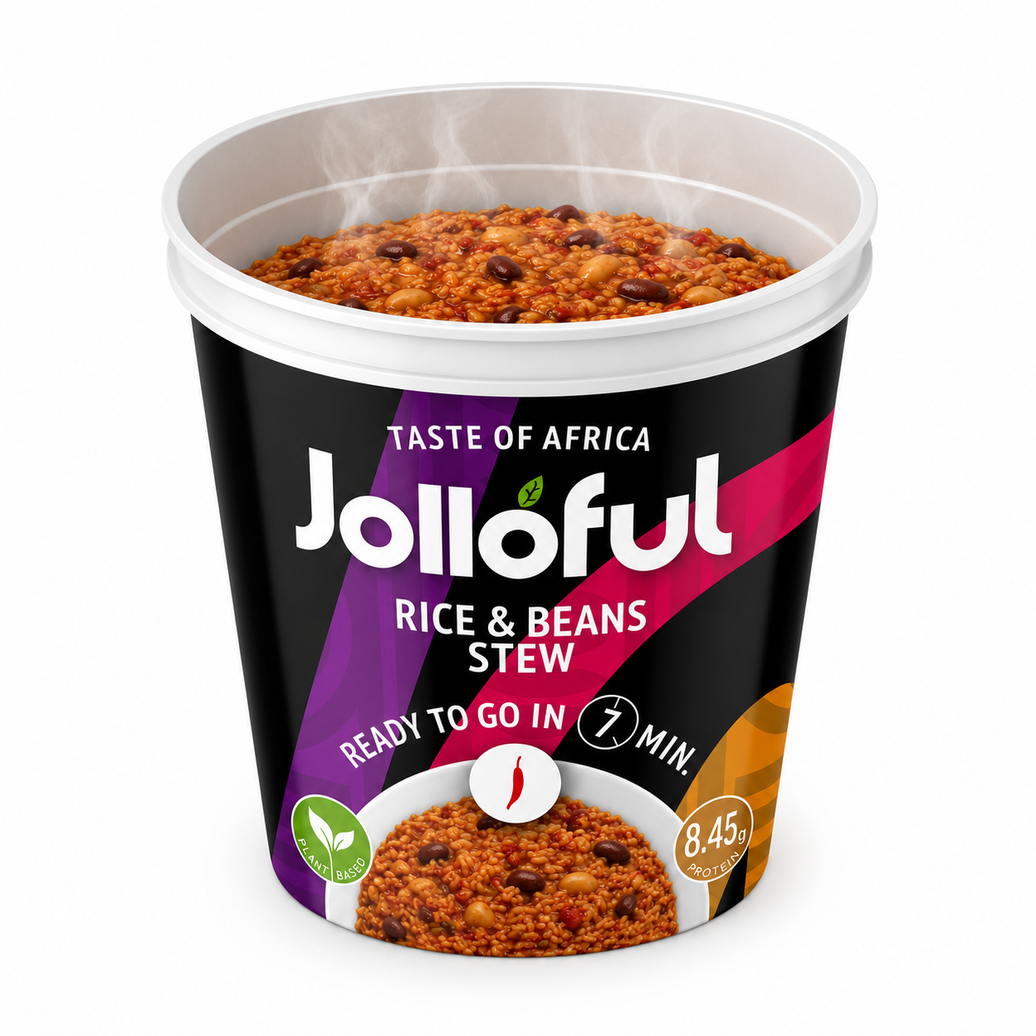
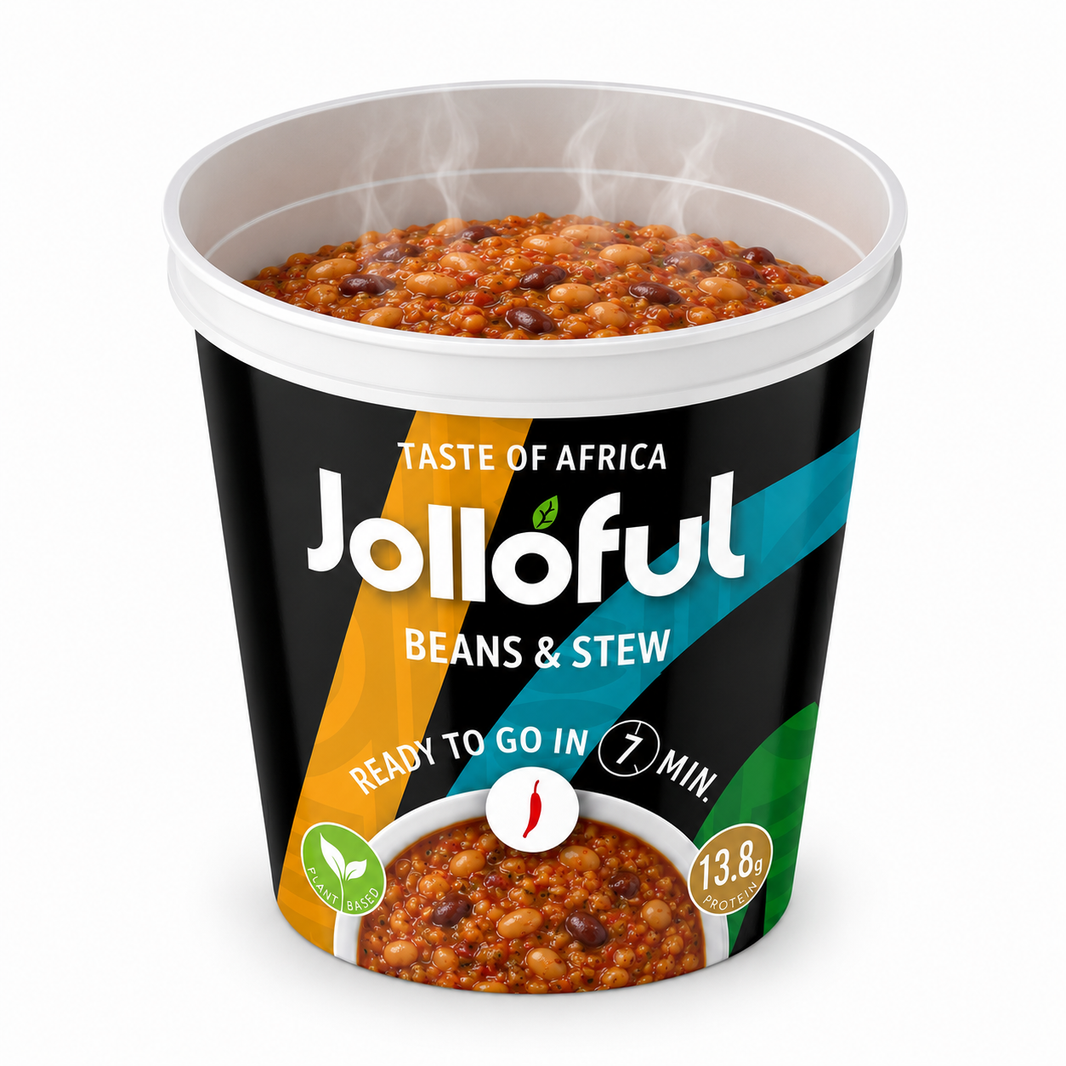
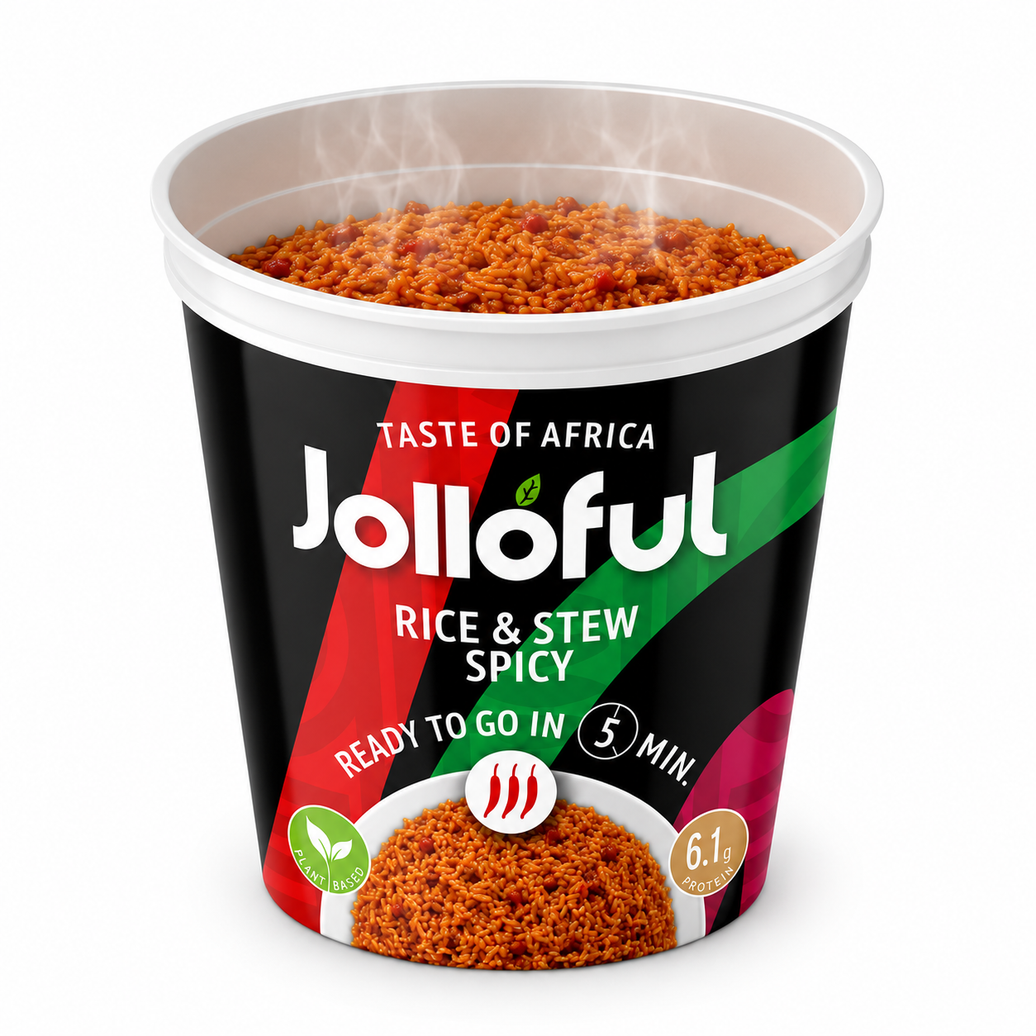
Jolloful is built around that idea: real African-inspired meals with a fast, shelf-stable format for days when cooking from scratch is not realistic, but eating well still matters.
Price Means More Than the Shelf Tag
A cheap meal that leaves you hungry an hour later is not always good value. Equally, a premium price needs to be justified by ingredient quality, portion size, flavour and practicality. Compare cost per meal, not just the pack price, especially when variety packs or multipacks are involved.
Consider waste, too. A cupboard meal that lasts can prevent an expensive takeaway when plans change. It can also reduce the chance of fresh ingredients being forgotten at the back of the fridge. That practical value is easy to overlook until a busy week arrives.
The sweet spot is a meal you can keep on hand, enjoy without doctoring it with extra ingredients and feel good about buying again.
How to Choose Your Everyday Cupboard Meal
Choose based on your non-negotiables. If flavour comes first, prioritise clear seasoning, a defined cuisine and reviews that mention taste rather than just convenience. If nutrition is your focus, look for satisfying protein and fibre alongside a realistic serving size. If portability is essential, choose a format that needs only hot water and minimal equipment.
Then give yourself permission to be selective. Fast food does not have to be forgettable food. Your cupboard can hold meals that respect your time and reflect the breadth of the flavours you want at your table.
Keep one or two options you genuinely look forward to eating. On the busiest days, that small decision turns ‘nothing in’ into something worth sitting down for.


Hinterlasse einen Kommentar