
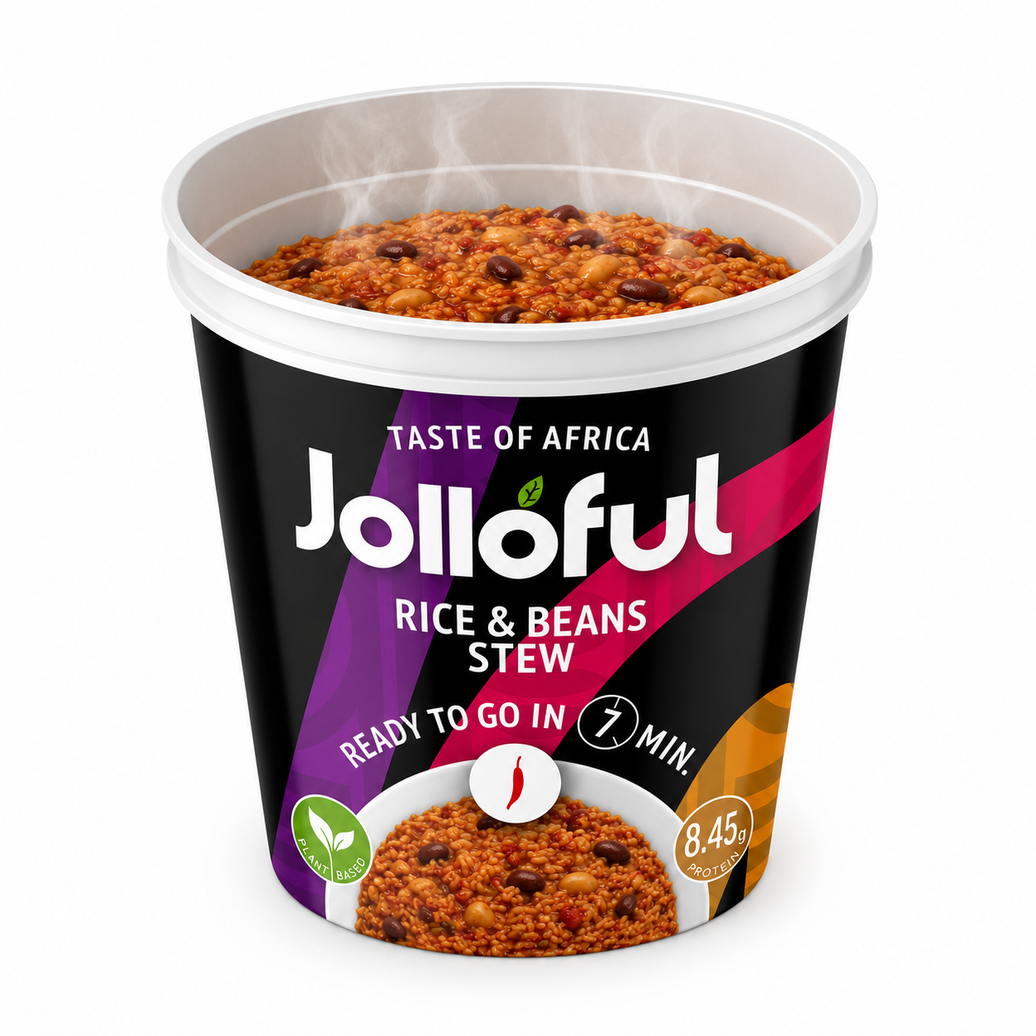
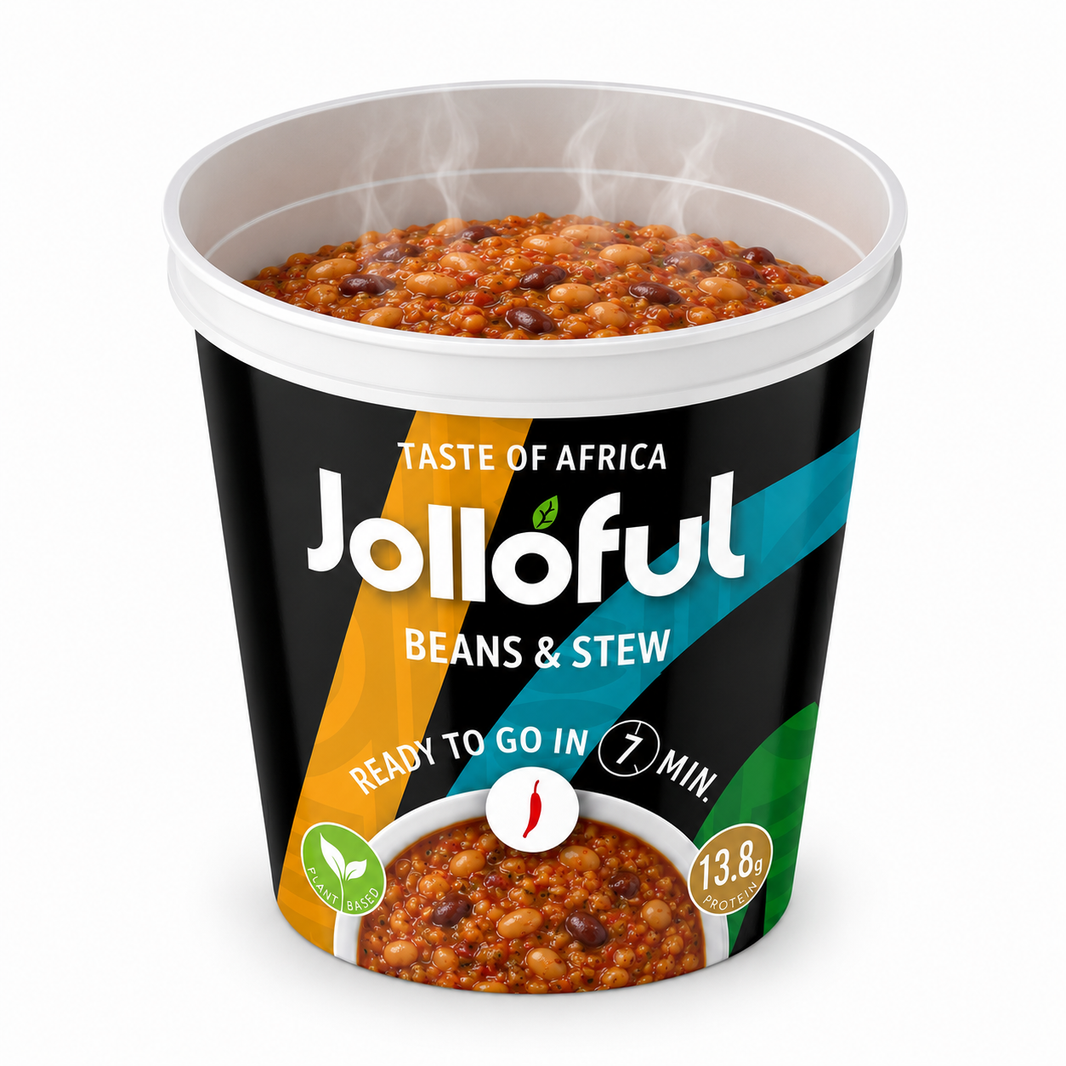
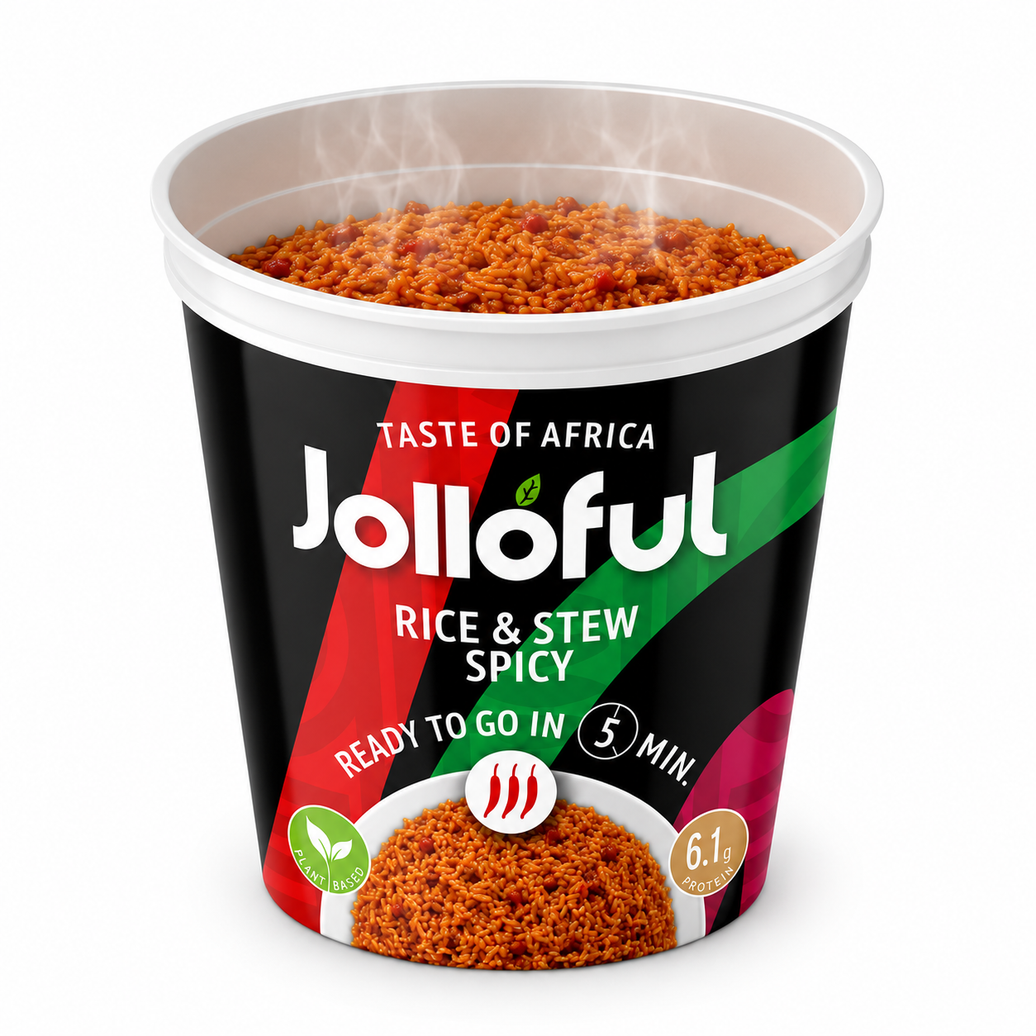

Order your 8-pack / 12 pack box today
A five-minute meal can mean two very different things. In the clean label meals vs instant debate, the real question is not whether a meal is quick. It is what that speed asks you to compromise on.
For years, “instant” has been shorthand for bland, overly salty, brightly coloured food with an ingredient list that needs a chemistry lesson. But convenience itself is not the problem. Busy people deserve food that fits between meetings, school runs, late trains and packed evenings - without tasting like an afterthought.
Clean label meals offer a different standard: recognisable ingredients, clear labelling and flavours that come from food, spices and proper recipe development. The best ones prove that fast can still feel considered.
Clean label meals vs instant food: the key difference
Instant food describes how a product is prepared. Add hot water, heat it up or open the pack, and it is ready quickly. That can be genuinely useful, especially when you need lunch at your desk or dinner after a long day.
Clean label describes what is in the product and how plainly it is presented. There is no single legal definition that applies everywhere, so it is worth looking beyond a front-of-pack claim. In practice, shoppers usually expect ingredients they can recognise, no artificial colours, no added preservatives and less reliance on unnecessary additives.
The two ideas are not opposites. A meal can be instant and made with care. Equally, a product with a wholesome-looking package may still contain a long list of fillers or flavour shortcuts. Preparation time tells you one thing. The ingredient list tells you another.
That distinction matters because convenience meals have become part of real life, not an occasional emergency. If you eat them regularly, the quality of what is inside matters more than clever packaging.
Why the old instant-food reputation lingers
The instant category earned its reputation for a reason. Many products were designed around low cost, maximum shelf life and intense flavour systems that could make a basic base taste exciting. The result was often quick, but not always satisfying.
That experience has shaped how people think about all shelf-stable food. If it lasts in the cupboard, surely it cannot be real food? Not necessarily. Shelf stability can come from thoughtful product development, carefully chosen dry ingredients and protective packaging. It does not automatically require artificial preservatives or a dull, stripped-back meal.
The better question is whether a product has been built around ingredients and flavour first, or whether it has been engineered to imitate them. You can usually taste the difference. One feels flat after a few bites. The other has texture, spice, aroma and enough character to make you pause before going back for another spoonful.
A clean label is not a magic badge
Ingredient transparency is a strong starting point, but it should not become a reason to switch off your judgement. “Clean” does not mean every product will suit every person or every moment.
A meal can have a short ingredient list and still be high in salt. It can use familiar ingredients but offer little protein or fibre. It can be made with care and still not match your dietary needs, spice preference or appetite. If you are managing an allergy or following a specific eating plan, the label is still the place to check, not just the marketing claim.
There is also a practical trade-off. Meals made without certain additives may have a different texture, preparation method or price point than the cheapest instant options. That is not a flaw. It reflects a different set of priorities: real ingredients, better flavour and a meal you can feel good about keeping in the cupboard.
For many households, the goal is not perfection at every meal. It is making the easier choice a better one.
Flavour should not be sacrificed for speed
A quick meal should still taste like someone cared. That is where culturally rooted food changes the conversation.
African cuisines are not built on timid flavour. They are layered, generous and shaped by spices, slow-cooked traditions, regional ingredients and the joy of sharing food. Bringing those flavours into a shelf-stable format takes intention. It is not enough to add heat and call it bold. The balance has to be there: savoury depth, warmth, aroma and a finish that keeps the meal memorable.
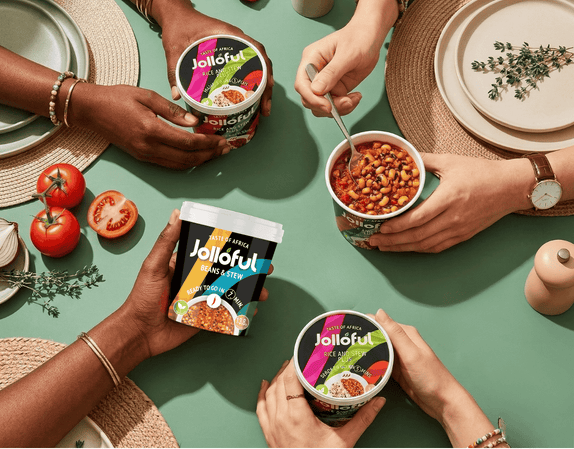
For people in the African diaspora, that can mean a familiar taste on a difficult day, in a student flat or during a rushed week. For curious first-time eaters, it is an easy way in - no specialist shopping trip, no complicated recipe and no need to pretend that flavour has to be watered down to be approachable.
This is why “instant” should not be treated as a food identity. It is simply a format. Real Food. Rooted in Culture. That can be ready in minutes.
What to look for when choosing a fast meal
Start with the ingredient list. You do not need every ingredient to be something sitting in your own pantry, but the list should make sense. Look for foods, grains, vegetables, pulses, herbs and spices that sound like they belong in the dish.
Then check how the flavour is built. A good ready meal may include seasoning, but it should not depend entirely on vague flavour descriptions, artificial colour or a long chain of additives to create its personality. If a meal claims to be inspired by a rich food culture, it should offer more than a generic base with a louder packet.
Think about satisfaction too. A quick lunch that leaves you rummaging through the biscuit tin 20 minutes later may be cheap, but it is not necessarily good value. Consider portion size, protein, fibre and whether you can easily pair the meal with fresh veg, yoghurt, a salad or leftovers to make it more substantial.
Finally, be honest about your routine. The perfect meal that takes an hour to cook is not always the meal you can make on a Wednesday night. A quality shelf-stable option can reduce takeaways, prevent skipped lunches and make eating something flavourful far more realistic.
The value of a cupboard meal you actually want
There is a quiet freedom in having food at home that is both practical and exciting. It means your backup dinner does not have to be sad toast, another expensive delivery or the same bland option you promised yourself you would stop buying.
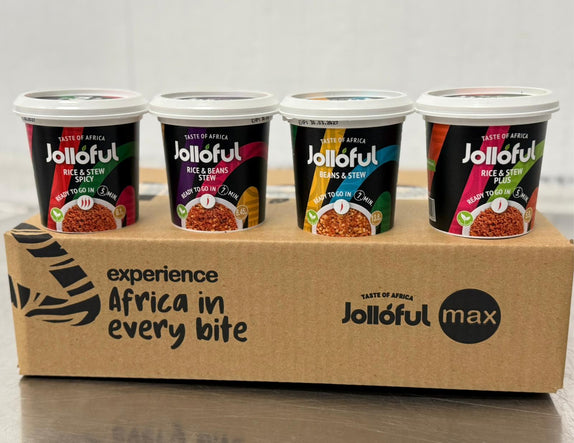
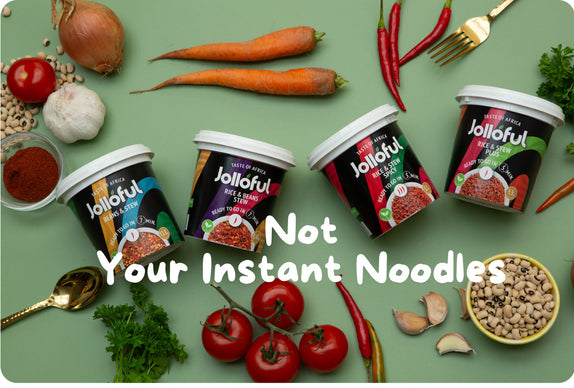
This is where Jolloful belongs: authentic African meals made for modern schedules, with bold flavour and a clear commitment to no artificial colour or added preservatives. They are designed for the days when you need speed, not a compromise on culture.
That does not mean every meal needs to come from a packet. Fresh cooking, family recipes and time around the table will always matter. But convenience can support those moments rather than replace them. It can carry you through the busy bits, leaving more energy for the meals you want to make slowly.
Choose the kind of instant that respects your time
The clean label meals vs instant choice is not really a choice between fast food and “proper” food. It is a choice between convenience that merely fills a gap and convenience that brings something worthwhile to your day.
Read the back of the pack. Choose flavour with a point of view. Keep options on hand that respect your schedule and your standards. When hunger arrives with no warning, your quickest meal can still be one you are genuinely glad to eat.



Hinterlasse einen Kommentar