
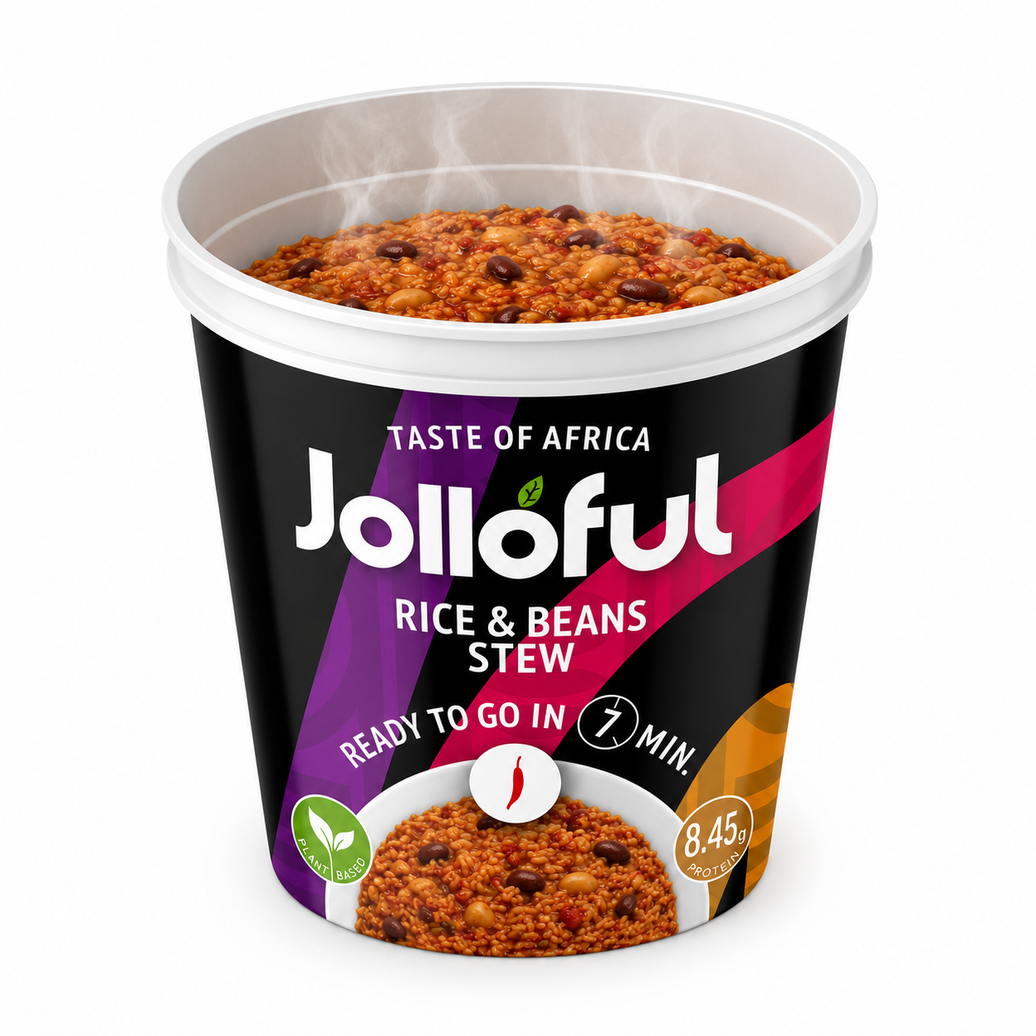
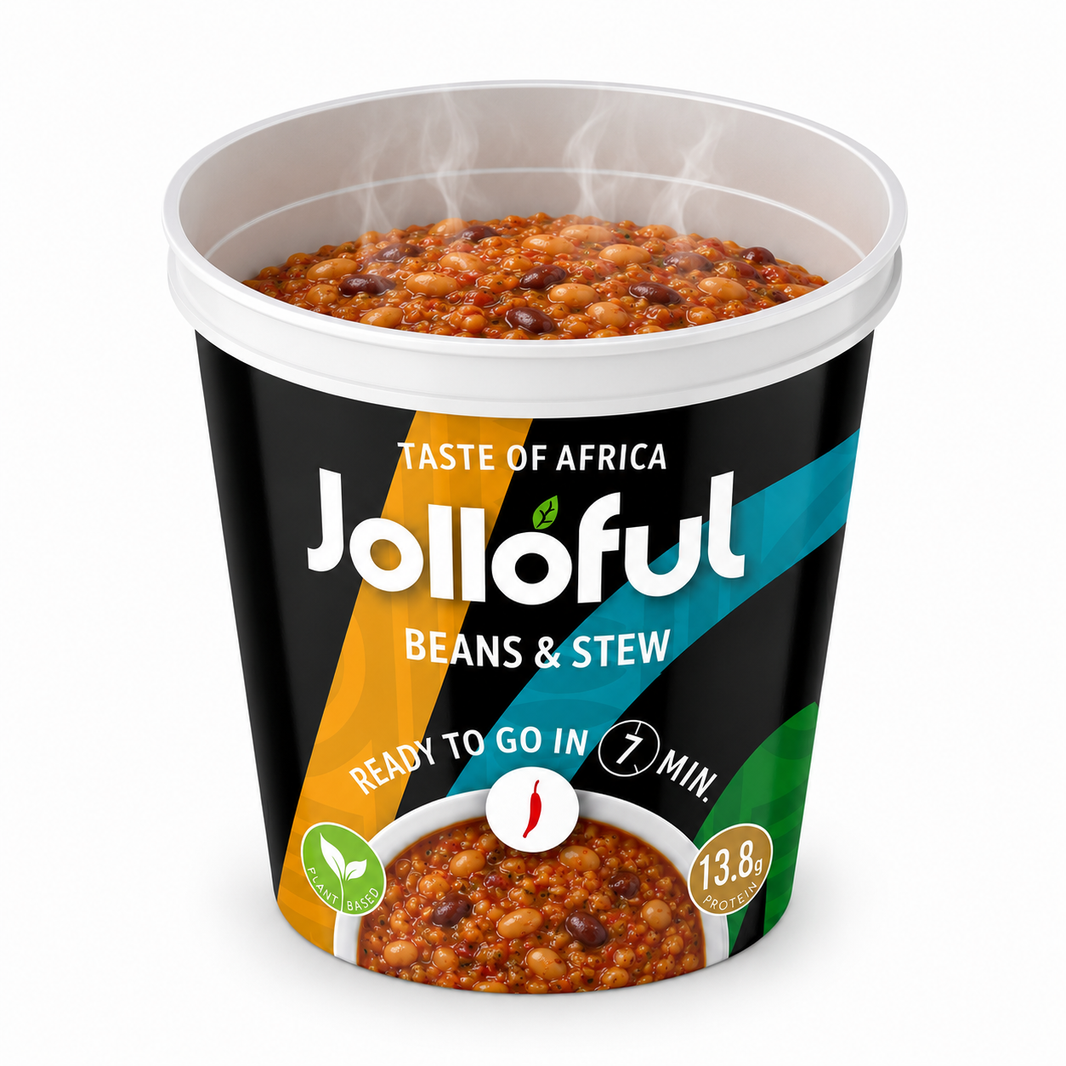
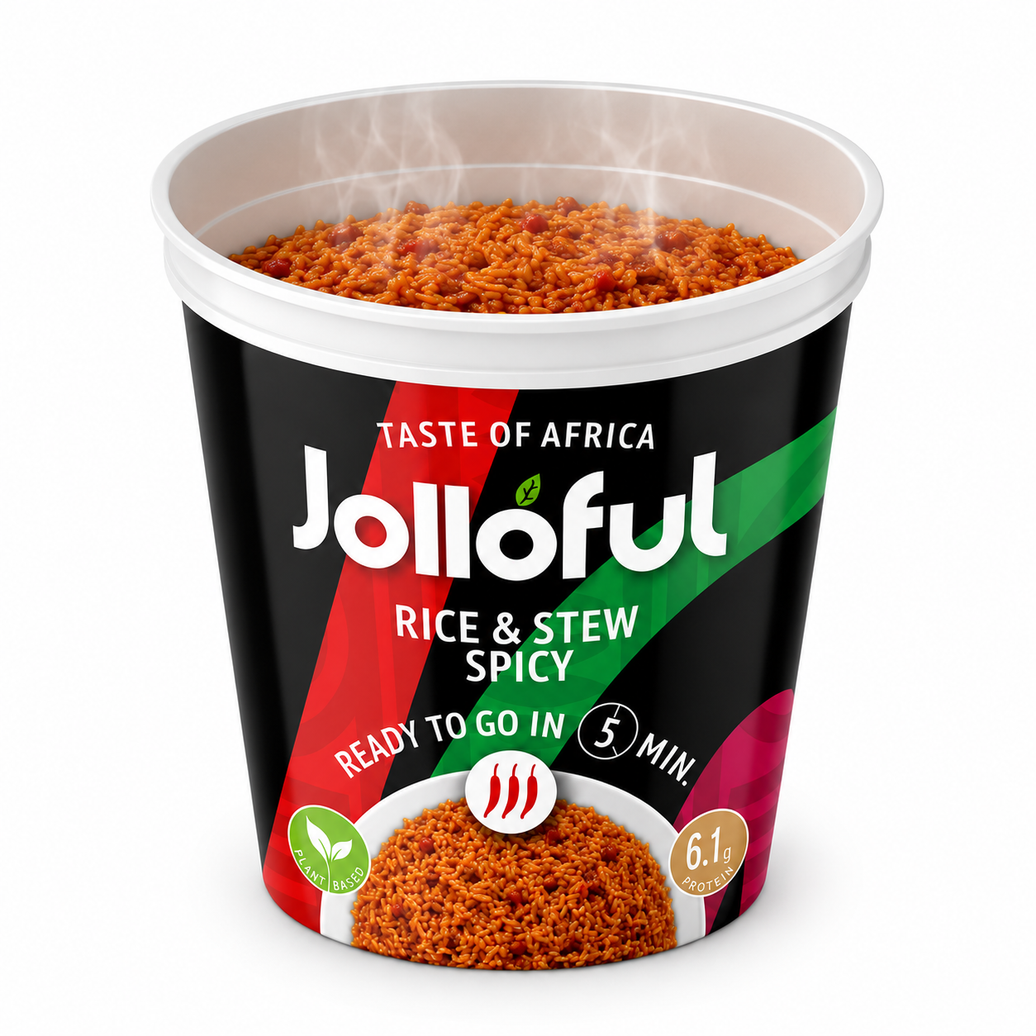
Order your 8-pack / 12 pack box today
At 7pm, the question is rarely whether people in Germany want flavour. It is whether flavour can fit between the commute, the nursery pick-up, the gym, the assignment deadline and everything else that refuses to wait. For too long, convenience food has answered that question with blandness. African food deserves a better answer.
This is not about turning heritage into a passing trend or asking anyone to settle for a watered-down version of the dishes they know and love. It is about making proper, deeply flavoured African meals easier to enjoy on an ordinary Tuesday. Fast food can still have character. Shelf-stable food can still feel like real food. And a meal made in minutes can still bring genuine comfort.
Why Germany Is Ready for More African Food
Germany’s food culture has room for both tradition and curiosity. Across its cities and neighbourhoods, people are already building dinner tables that are shaped by family histories, global travel, student life and a desire to eat beyond the same predictable choices. African cuisine belongs in that picture not as an occasional novelty, but as a regular, delicious option.
For many African and diaspora households, familiar flavour is more than a preference. It can be a connection to childhood kitchens, family celebrations and the people who taught us what a meal should taste like. Yet busy lives do not always leave space for long cooking sessions, specialist shopping trips or a fridge full of fresh ingredients that need using immediately.
For people discovering African food for the first time, the barrier is often different. They may be curious but unsure where to start, how much heat to expect or which ingredients to buy. A straightforward meal that is quick to prepare removes the pressure. It lets flavour do the introduction.
That is why accessible African convenience food matters. It meets people where they are, without asking culture to shrink itself to fit the shelf.
Convenience Should Not Mean Compromise
There is a tired idea that quick meals must be overly processed, forgettable and eaten only because there is no other option. We reject that idea. Speed is useful, but it is not a flavour. A good convenient meal should earn its place in the cupboard through taste, ingredient quality and the way it makes a hectic day feel more manageable.
The difference is in the standard. Rich spices should taste layered, not merely hot. Ingredients should be recognisable. A meal should leave you satisfied, rather than wondering why you bothered. And preparation should be simple enough for a desk lunch, a late supper or the moment you return home too tired to cook from scratch.
There is a trade-off, of course. Nothing replaces the slow rhythm of cooking a big family meal, with time to chop, stir, taste and talk. Nor should it. But not every meal needs to carry that job. A well-made shelf-stable option is not trying to replace home cooking. It is there for the days when life is moving quickly and you still want food with depth.
The Cupboard Is Part of Modern Life
A useful cupboard is a quiet form of self-care. It saves the last-minute scramble, makes lunch less expensive than another takeaway and gives you a dependable option when the fridge is looking bare. For students, it can mean a proper meal after a long day. For working parents, it can mean one less decision at the end of a packed evening. For anyone living in a shared flat, it can mean keeping something personal and satisfying on hand.
Shelf-stable meals are especially practical because they do not demand perfect planning. You do not need to use them immediately. You do not need to make room in a crowded freezer. You simply keep them nearby until the day calls for them.
That practicality should not come with a cultural apology. African flavours are not too complex for everyday eating. They are exactly what can make everyday eating more exciting. Smoky notes, warming spices, savoury depth and a satisfying kick are not extras. They are the point.
A Better First Taste
For newcomers, the best introduction is not a lecture on what they should enjoy. It is a meal that tastes good from the first spoonful. Clear preparation, familiar formats and honest descriptions help, but flavour builds the real relationship.
Heat is one area where personal taste matters. Some people want a serious chilli kick; others want warmth without a full blast. Neither preference is wrong. What matters is that the flavour remains balanced, so the spices work together rather than compete for attention. A great meal should have more to say than just “spicy”.
Familiar Food, Without the Fuss
For diaspora consumers, convenience can carry a different kind of value. It is not only about saving time. It can be about having something that feels culturally familiar when work, study or distance has made regular home cooking harder. That is a meaningful need, not a niche one.
The goal is not to claim that every ready meal can recreate every family recipe. Food memories are specific, and people rightly have high standards. The goal is to offer a credible option: bold, rooted in African cooking traditions and ready when the day does not give you much time.
What Better African Convenience Food Looks Like
The best options do not hide behind vague promises. They make the everyday benefits clear: real ingredients, no artificial colours, no added preservatives, a sensible preparation time and flavour that stands up without needing a cupboard full of extras.
They also respect the person eating them. That means portioning that works for lunch or a quick supper, packaging that travels well and instructions that do not turn a five-minute meal into a kitchen project. The experience should feel easy, but never generic.
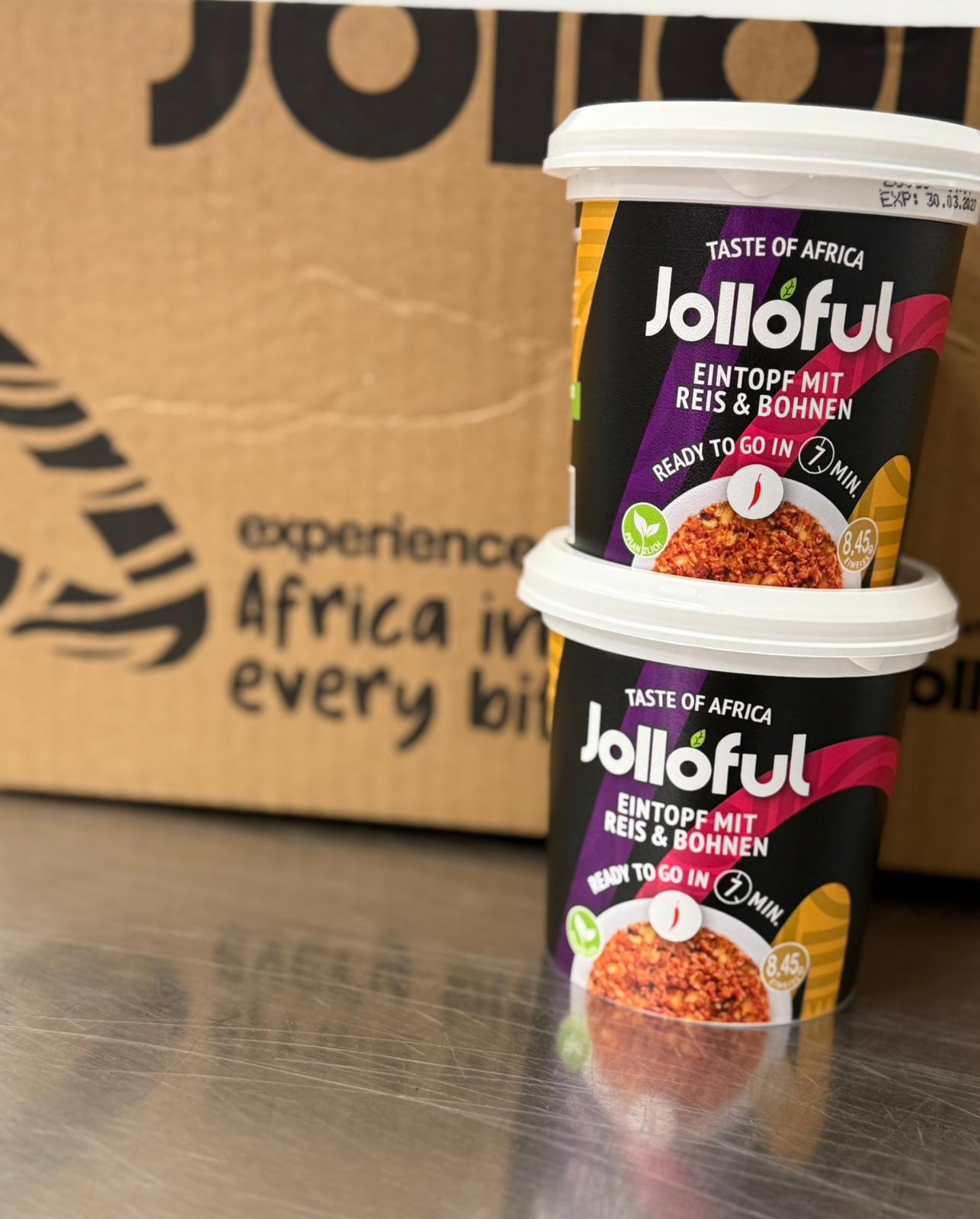
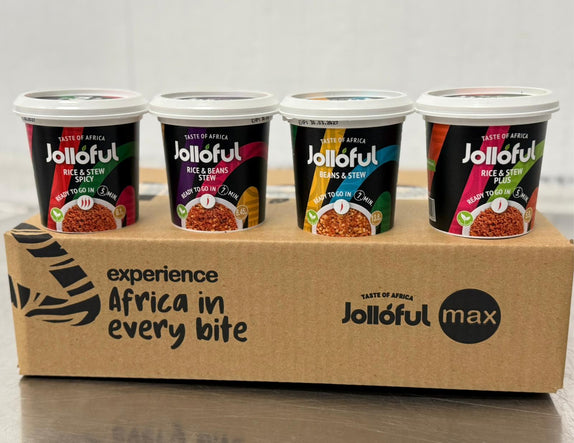
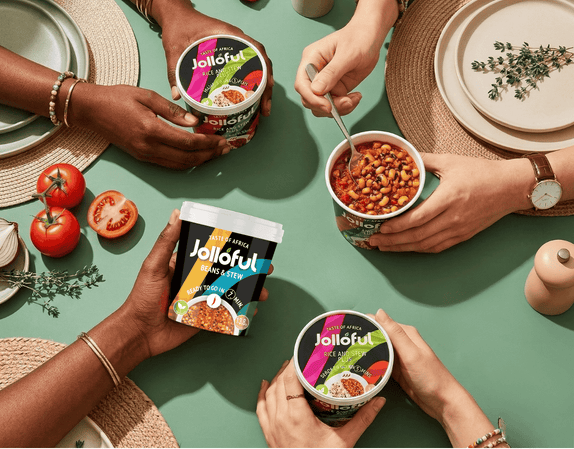
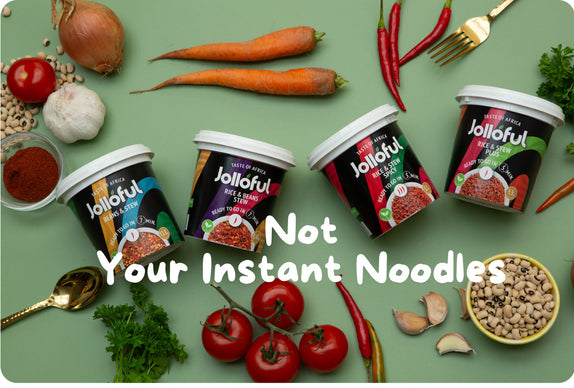
Jolloful was built around that belief: African food can be fast, shelf-stable and full of pride at the same time. It is food for people who need convenience but refuse to make blandness the price of it.
There is also value in being selective. Not every product with a colourful label delivers cultural care. Look beyond buzzwords. Check whether the ingredients make sense, whether the flavour description sounds specific and whether the brand speaks about African food with confidence rather than treating it as a costume. Good food should feel considered from the first glance to the last bite.
Germany’s Table Is Bigger Than One Tradition
A modern food culture is not built by replacing one cuisine with another. It grows when more people can bring their own tastes to the table and when others are invited to try them with openness. African meals have always carried generosity, celebration and serious flavour. Making them easier to access is simply a better reflection of the way people already live.
That matters in a country where time is valuable, kitchens vary in size and dinner plans change quickly. The answer is not another beige backup meal. It is choice with substance: food that is quick enough for real life and distinctive enough to remember.
Next time the evening gets busy, keep one thing in the cupboard that does more than fill a gap. Choose something with heat, history and enough flavour to make five minutes feel well spent.



Hinterlasse einen Kommentar