
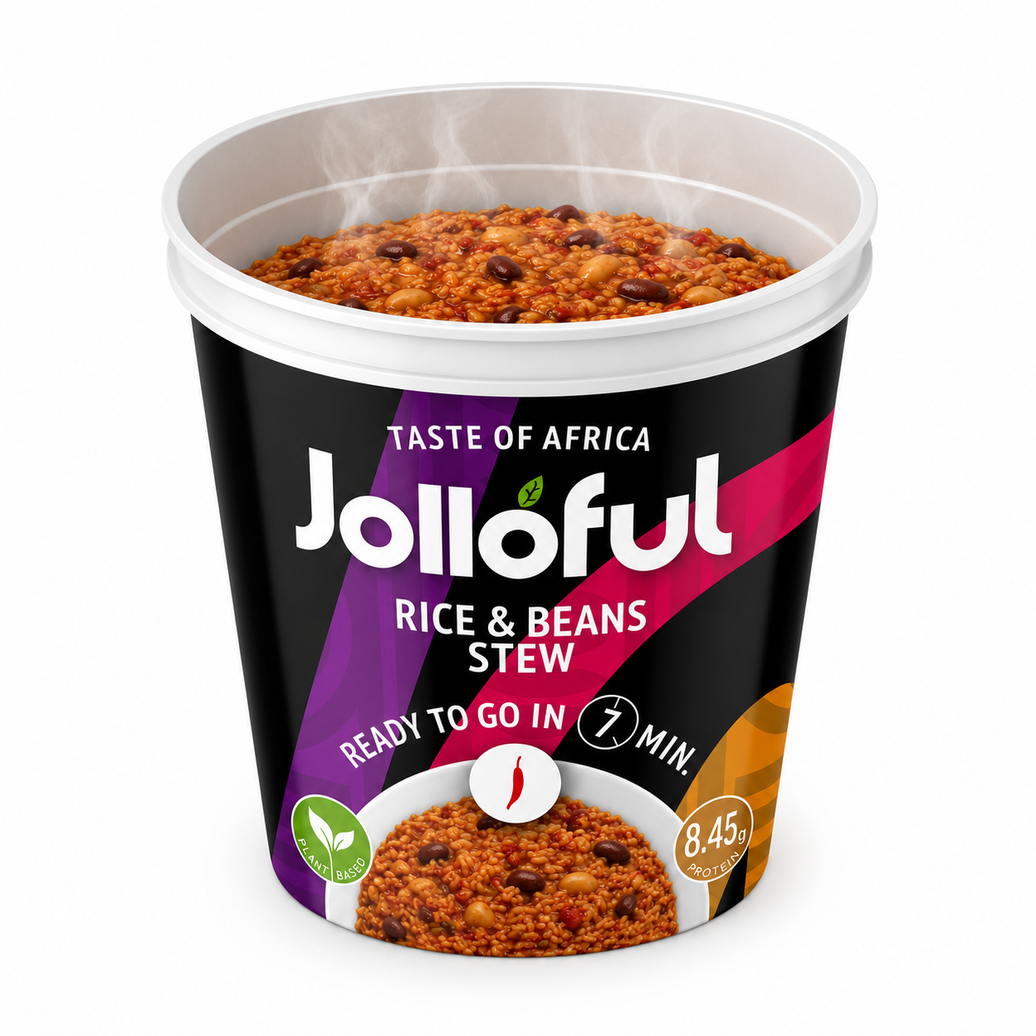
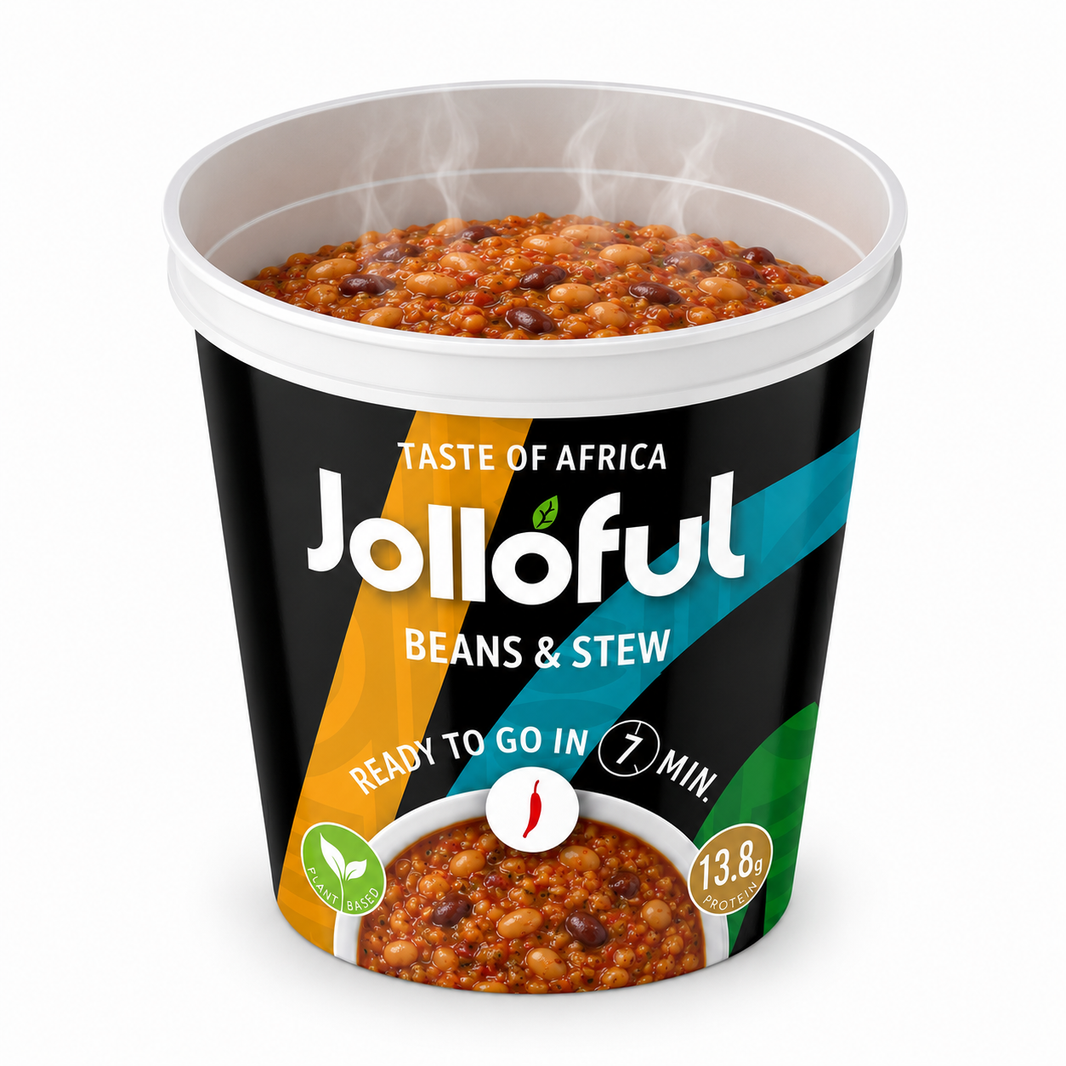
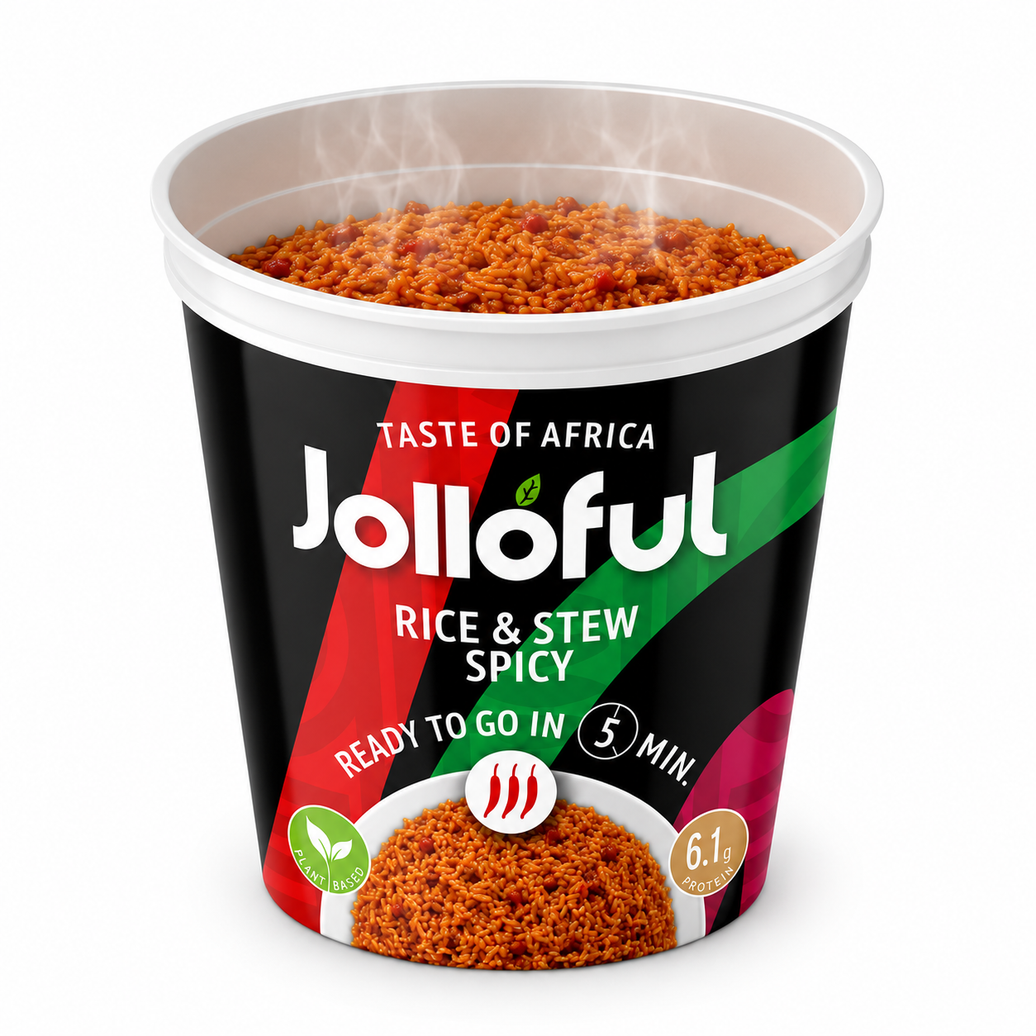
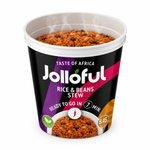
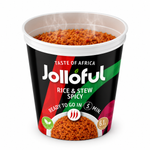
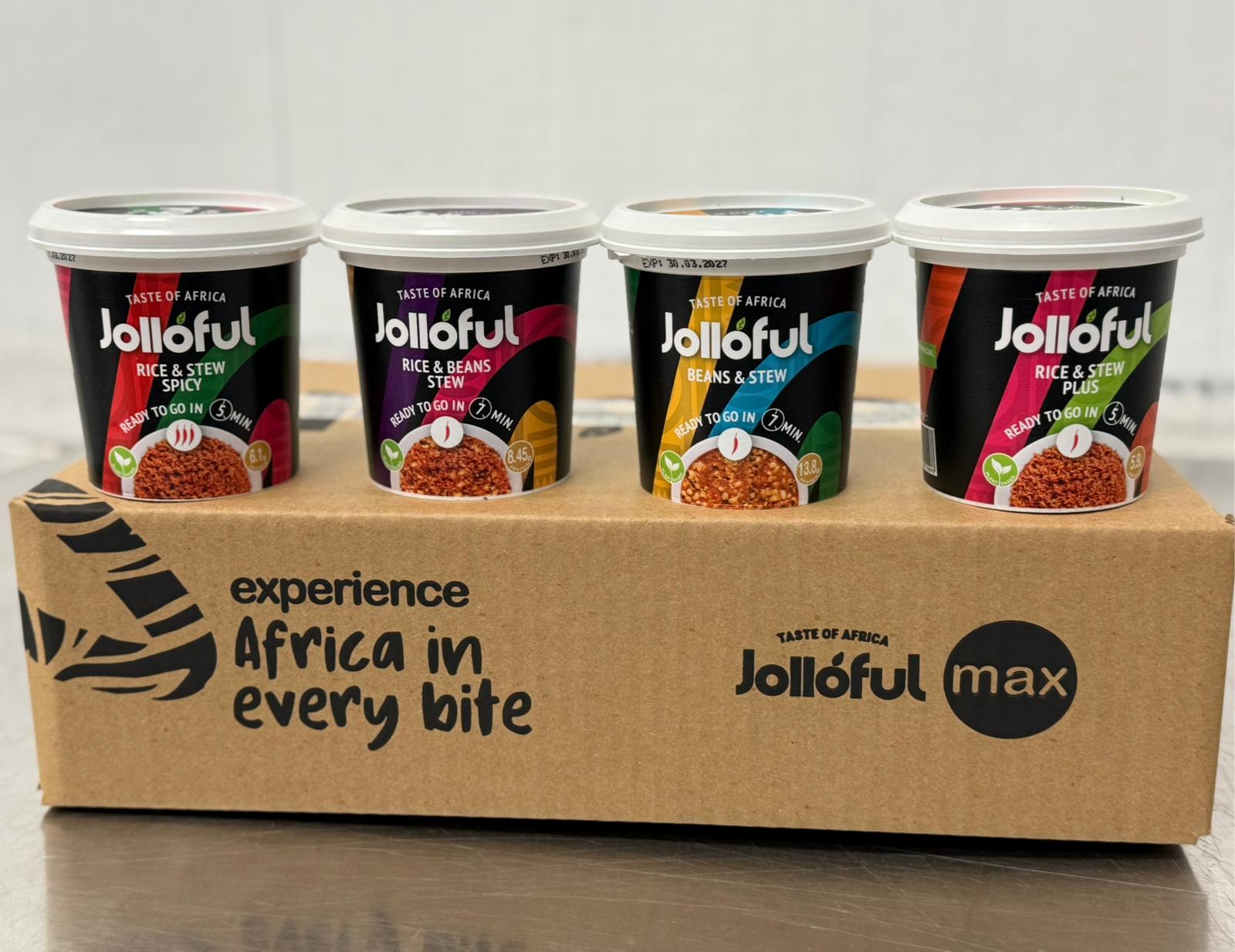
Order your 8-pack / 12 pack box today
A proper lunch in the middle of a packed day should not depend on a kitchen, a saucepan or a compromise. So, how do meal cups work? They use carefully prepared, shelf-stable ingredients that wake back up with hot water, turning a compact cup into a warming, flavour-led meal in around five to seven minutes.
That simplicity can look suspiciously easy. But a well-made meal cup is not just dry food in clever packaging. The result depends on recipe development, ingredient quality, the right drying method and enough time for everything to rehydrate properly. Done well, it is real food built for real life - from office desks and university libraries to train journeys and late finishes.
How Do Meal Cups Work in Five to Seven Minutes?
The core idea is rehydration. Fresh ingredients naturally contain water. When that moisture is removed under controlled conditions, the ingredients become lighter, stable at room temperature and far less likely to spoil. Add hot water later, and they absorb moisture again, soften and release the flavour held within the dried spices, vegetables, grains and sauces.
The work happens long before the kettle boils. Ingredients are cooked or prepared as part of a complete recipe, then dried so they can keep their character without needing a fridge. Each element has to be considered: grains need to become tender without turning mushy, vegetables need bite, and spices need to stay vivid rather than disappearing into the background.
At home, the process is straightforward. Open the cup, pour in boiling water to the fill line, stir well, close the lid and wait. A second stir partway through helps distribute the heat and makes sure the ingredients at the bottom get their share of water. The wait is not filler. It is the point when dry ingredients absorb water, sauces thicken and separate flavours come together.
Some meal cups ask for slightly more or less water, so the pack instructions always matter. Too little water can leave grains firm and seasoning overly concentrated. Too much can dilute the sauce and soften the texture more than intended. A measured cup is designed to take the guesswork out of it.
Why hot water makes such a difference
Boiling water does more than make a meal warm. Heat speeds up rehydration, helping starches soften and dried ingredients take on water evenly. It also helps fats and aromatic compounds in the seasoning bloom, which is why the flavour becomes fuller after a few minutes under the lid.
A microwave may be useful for heating water where one is available, but it is not the meal cup itself doing the cooking from scratch. The recipe has already been prepared. The hot water finishes the job by restoring the texture and temperature that make the meal satisfying.
The science behind a shelf-stable meal
Shelf stability is about controlling moisture. Microorganisms need available water to grow, which is why many fresh foods need chilling and have a short life once opened. By reducing the available moisture in a prepared meal, producers create a product that can stay safely in the cupboard for much longer when unopened.
That does not require a long list of artificial additions. A thoughtfully made meal cup can rely on drying, secure sealing and recipe balance rather than added preservatives or artificial colour. The best versions still begin with ingredients you recognise: grains, pulses, vegetables, herbs, spices and carefully built sauces.
The packaging matters too. The cup protects its contents from moisture and air during storage, while the lid traps heat during preparation. It is a small piece of food engineering, but it has a big practical benefit: a meal that can live in your desk drawer, kitchen cupboard or travel bag until you need it.
There is a trade-off. Because water has been removed, a shelf-stable meal will not behave exactly like something freshly simmered on the hob. Texture is the hardest thing to preserve. A great recipe accounts for that reality, choosing ingredients and cooking methods that return well with hot water rather than pretending every dish is suited to the format.
What makes a meal cup taste like a meal?
Convenience is easy to promise. Depth of flavour is harder. The difference usually starts with the recipe itself. If the seasoning is flat before drying, it will be flat after rehydration. If the spices, chilli, aromatics and savoury elements are layered with intention, five minutes can deliver a meal with real presence.
African food has never needed to be toned down to be convenient. Big flavours, warming spice and recipes rooted in regional cooking traditions deserve the same everyday accessibility as any other global cuisine. A meal cup should make that possible without reducing the food to a vague, generic idea of “ethnic flavour”.
At Jolloful, that means treating speed as the format, not the identity. The food should still feel generous, expressive and culturally grounded. You are not choosing between a busy schedule and a meal with character. You are choosing a smarter way to make room for both.
Texture plays its part as well. A satisfying cup usually has contrast: a hearty base, vegetables that retain some shape, and a sauce that carries seasoning through every spoonful. This is why stirring properly and allowing the full standing time matters. It is the difference between merely warm food and a meal that has had time to come together.
When meal cups make the most sense
Meal cups are particularly useful when your problem is not a lack of appetite but a lack of time, equipment or planning. Keep a few where hunger tends to catch you off guard: at work, in a student room, in a holiday rental or at home for the evenings when cooking from scratch feels unrealistic.
They also work well as a flexible part of your food routine rather than an all-or-nothing replacement for home cooking. Add a side salad when you have one. Pair a cup with fruit. Eat it on its own when the day is moving fast. The value is in having a good option ready before convenience pushes you towards something bland and forgettable.
For households, variety can matter. One person may want more heat, another may prefer a milder option, and different days call for different levels of hunger. Meal cups offer portioned ease, though anyone with a particularly big appetite may want to add a side or choose a more substantial meal later. Fast does not always mean one size fits all.
A quick preparation check
For the best result, start with freshly boiled water, fill only to the indicated line and stir right down to the base of the cup. Keep the lid closed while it stands, then taste before adding anything extra. If you like more fire, add chilli after preparation rather than disrupting the water ratio at the start.
Take care with the steam when opening the lid, especially in a cramped office kitchen or on the move. The cup can be hot too, so hold it from the outside rather than gripping near the rim.
More than a shortcut
A meal cup is a quiet answer to a very modern problem: how to eat something exciting when time, space and energy are limited. Its strength is not that it copies home cooking perfectly. Its strength is that it respects flavour, culture and your calendar at the same time.
Keep one close for the day when lunch needs to happen fast, but boring food is not on the agenda.


Hinterlasse einen Kommentar