
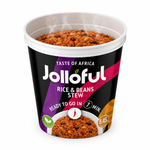
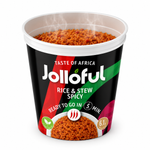
Order your 8-pack / 12 pack box today
A meal sitting happily in your cupboard can make some people suspicious. Fair enough. For years, shelf-stable food has been treated as a last resort: bland, overly salty and built around ingredients nobody can pronounce. But are ambient meals nutritious? They can be. The real answer is in the recipe, the portion and what the meal is designed to do for you.
Ambient simply means food that is safe to store at room temperature until opened. It does not automatically mean heavily processed, low quality or lacking in nourishment. A well-made ambient meal can bring together grains, pulses, vegetables, herbs and spices in a format that works around actual life: the late train, the packed lunch gap, the long meeting, the evening when cooking from scratch is not realistic.
Convenience should not require you to settle for flavourless food or a label full of compromises. Real food, rooted in culture, can belong in the cupboard too.
Are ambient meals nutritious? Start with the recipe
Shelf life comes from more than one method. Some foods are heat-treated, dried, sealed in protective packaging or made with naturally stable ingredients. None of those approaches tells you, on its own, whether the food is nourishing. What matters is what went into it before it was packed.
A strong ambient meal starts with recognisable building blocks. Think rice or other grains for energy, beans or lentils for fibre and plant protein, vegetables for variety, and spices that bring depth without needing artificial colour. These are familiar foods, not a nutritional trick.
Processing is also not a simple good-or-bad test. Chopping, cooking, drying and packing ingredients are forms of processing. They make food safer, practical and easier to prepare. The useful question is whether that processing has stripped the meal back to refined starch, excess salt and additives - or preserved a satisfying recipe with a sensible balance of ingredients.
That distinction matters for busy people. If an ambient meal helps you eat a proper lunch rather than skip it, rely on snacks or order the same uninspiring takeaway again, it can be a genuinely useful part of a balanced week.
What nutrition looks like in a shelf-stable meal
There is no single number that makes a meal “healthy”. Calories matter, but they only tell part of the story. A meal needs enough energy to satisfy you, plus nutrients that help it do more than fill a gap.
Fibre and protein help a meal go further
Fibre supports normal digestion and helps meals feel more satisfying. Pulses, whole grains and vegetables are particularly helpful sources. Many convenience foods are low in fibre because they lean heavily on refined starch, so this is one of the first things worth checking on a label.
Protein matters too, especially at lunch or after a busy day when you need food that will keep you going. Plant-based protein from beans, peas, lentils and grains can contribute meaningfully, although the amount varies widely between recipes. A meal does not need to chase extreme protein numbers to be worthwhile. It should simply have enough substance that hunger is not back in an hour.
The combination is often more useful than either nutrient alone. A meal with both fibre and protein usually has more staying power than one based mostly on white flour, starch or sugar.
Salt deserves context, not panic
Salt is common in packaged food because it supports flavour and preservation. That does not mean every ambient meal is high in salt, but it does mean you should compare products rather than assume.
Look at salt per serving and consider the whole day. If your breakfast, lunch and snacks are also heavily salted, a high-salt evening meal can push things up quickly. If you choose a flavourful meal with a moderate salt level and pair it with fresh fruit, vegetables or unsalted sides elsewhere, the picture is different.
Spices, aromatics and carefully built sauces can create big flavour without depending entirely on salt. African cooking has always understood that flavour has range: heat, smokiness, tang, earthiness and depth all have a place.
Portion size changes the answer
A compact meal is not necessarily a complete meal for every person. Your needs change with your body size, activity level, appetite and what else you are eating that day. Someone grabbing lunch between lectures may need more than someone looking for a light supper.
Read the serving information, then trust your hunger as well. If the meal is smaller than you need, build it out simply: add a side salad, fruit, yoghurt, extra vegetables or a protein source that suits your diet. There is no prize for pretending one portion works identically for everyone.
How to read the label without turning lunch into homework
You do not need a nutrition degree to choose better ambient meals. Start with the ingredients list. Ingredients are generally listed from the greatest amount to the least, so the first few tell a useful story about the recipe.
Look for foods you recognise: grains, legumes, vegetables, oils, herbs, spices and seasonings. A shorter list can be reassuring, but length is not the only measure of quality. A culturally rich recipe may need several spices and ingredients to taste right. The concern is not a long list full stop. It is whether the list is dominated by cheap fillers, excessive sugar, artificial colours or ingredients that add little beyond imitation flavour.
Then scan the nutrition panel for fibre, protein, salt and energy. Compare like with like. Two meals may look similar on the shelf but have very different amounts of salt, fibre or protein. Use labels to spot patterns, not to chase perfection.
Finally, check for allergens and dietary needs. An ambient meal can be convenient, but it still has to work for your body and your household.
The trade-off behind long shelf life
Ambient food earns its place because it reduces pressure. It can sit in the cupboard until you need it, travel easily, and make a good meal possible when your fridge is empty. That can also help reduce food waste, because you are less likely to throw away ingredients before you get round to cooking them.
There are trade-offs. Fresh produce can offer textures and nutrients that are hard to replicate in a shelf-stable format. Some vitamins are sensitive to heat and storage. And even a well-balanced ambient meal should not replace the colour and variety of fresh foods across every meal of the week.
But “not identical to freshly cooked” is not the same as “not nutritious”. The better standard is whether a product makes it easier to eat well consistently. A cupboard meal with pulses, grains and real seasoning can be a far better choice than a rushed meal built around little more than refined carbohydrates and salt.
A practical way to make ambient meals part of a good week
Think of ambient meals as one reliable tool, not your entire food plan. Keep a few for the moments when time disappears, then use them alongside fresh and frozen foods when you can. Frozen vegetables, for example, are quick, economical and easy to add on the side.
If you are choosing for work, travel or university, prioritise meals that feel satisfying after preparation, not just convenient before it. Flavour matters here. Food that tastes exciting is food you are more likely to reach for instead of defaulting to a less nourishing option.
That is where culturally grounded convenience makes a difference. A properly seasoned West African-inspired meal should not be reduced to a novelty or a compromise. It should taste like a meal with a point of view: generous, vibrant and made to meet the day as it is.
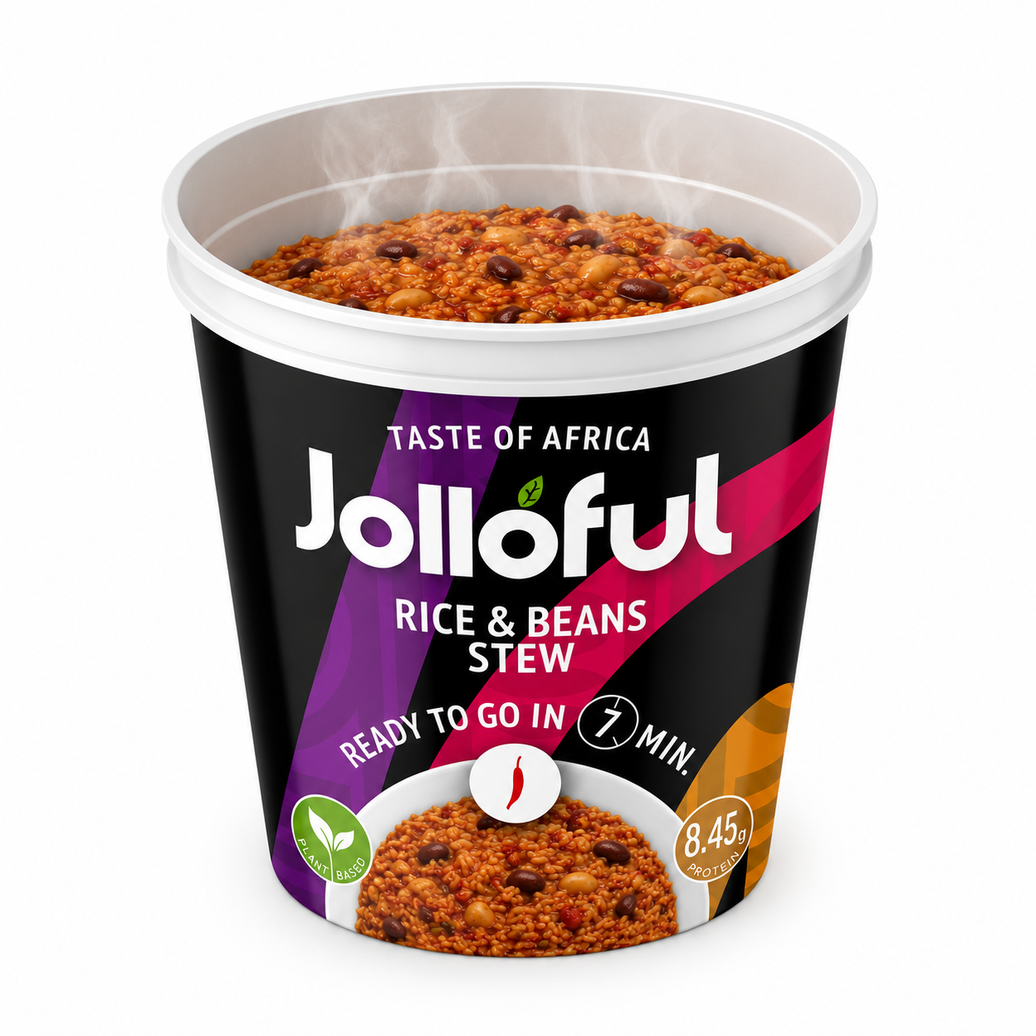
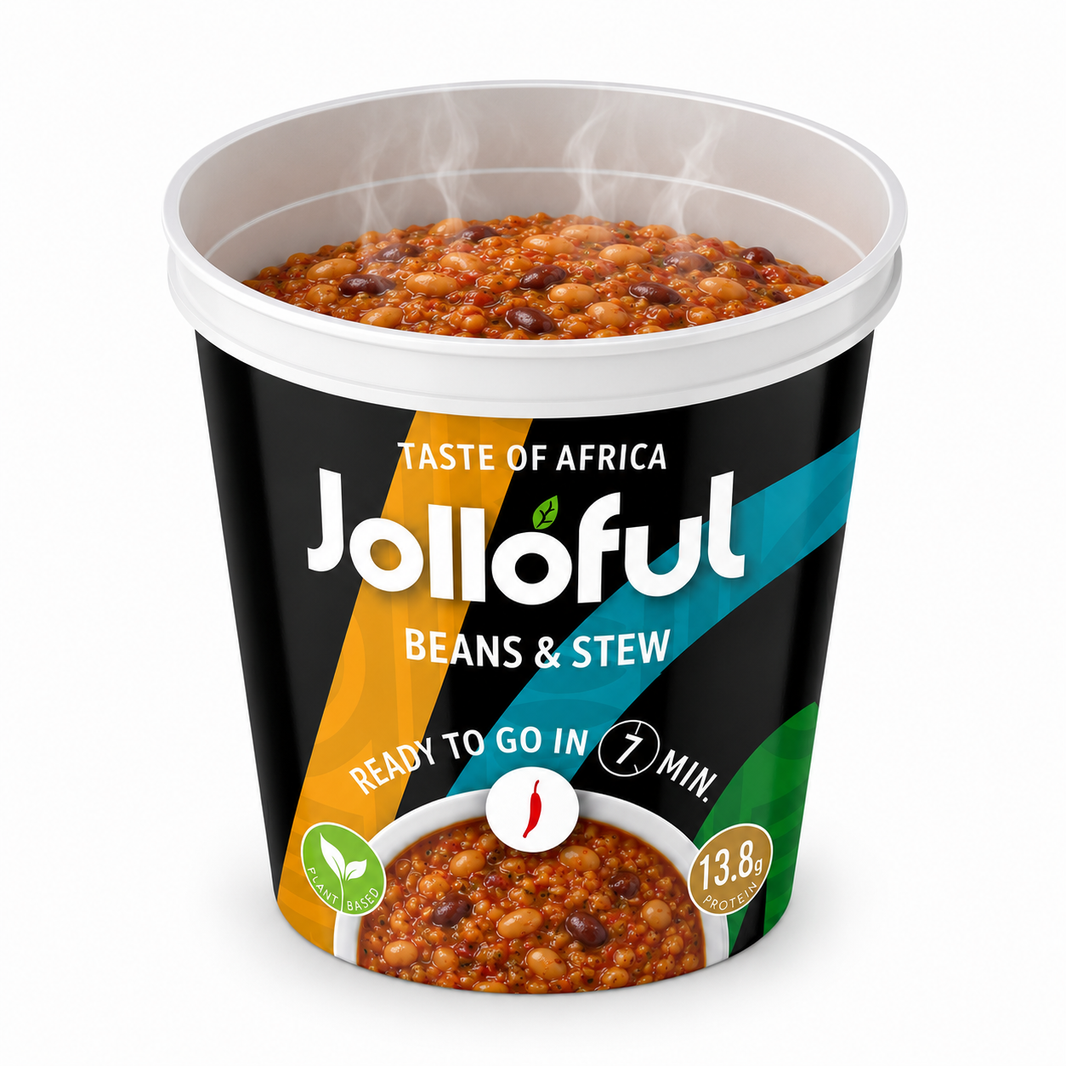
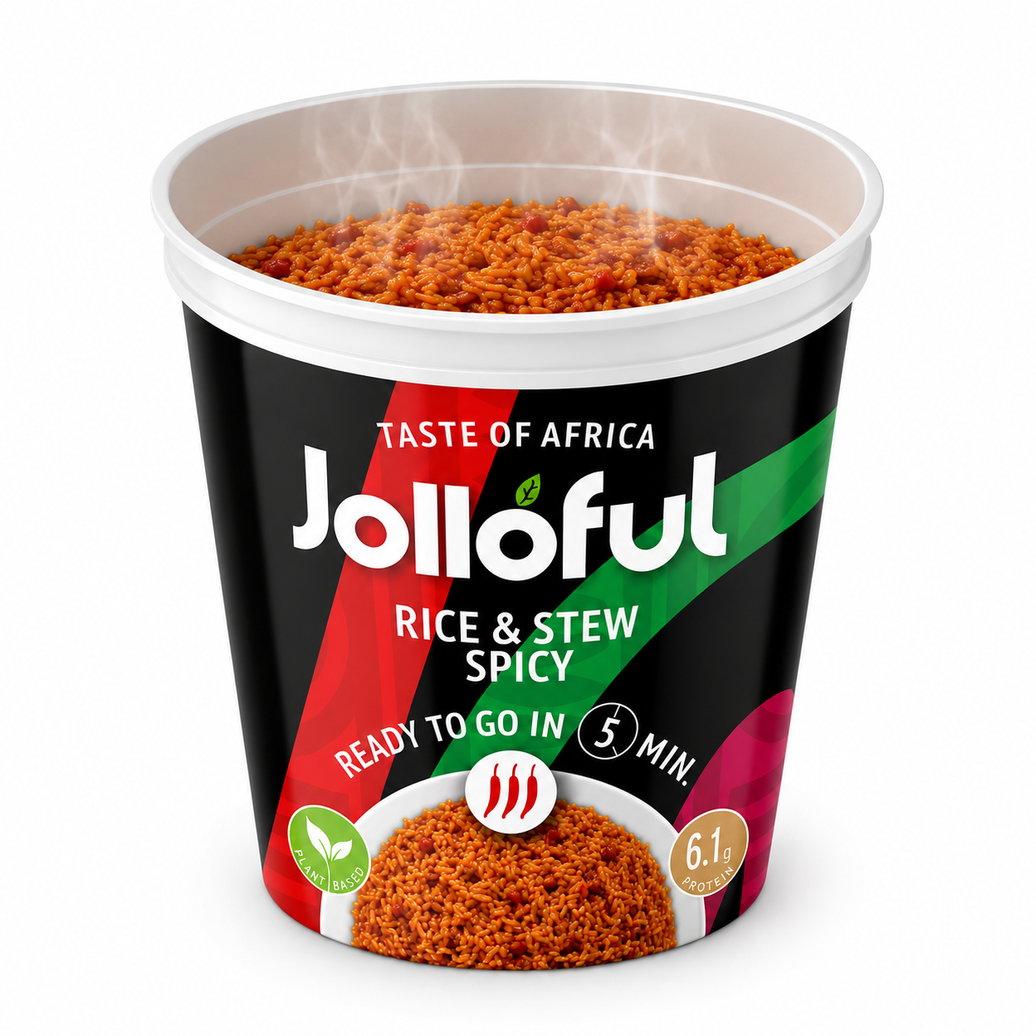
Jolloful is built around that expectation - shelf-stable African meals made with real ingredients, bold flavour and no artificial colour or added preservatives. The goal is not to make cupboard food feel worthy of apology. It is to make it something you are glad to have on hand.
A nutritious routine is rarely about cooking perfectly every day. It is about having better choices ready when life is moving fast. Choose ambient meals with ingredients that make sense, fibre and protein that satisfy, and flavour that reminds you convenience can still carry culture.


Hinterlasse einen Kommentar