
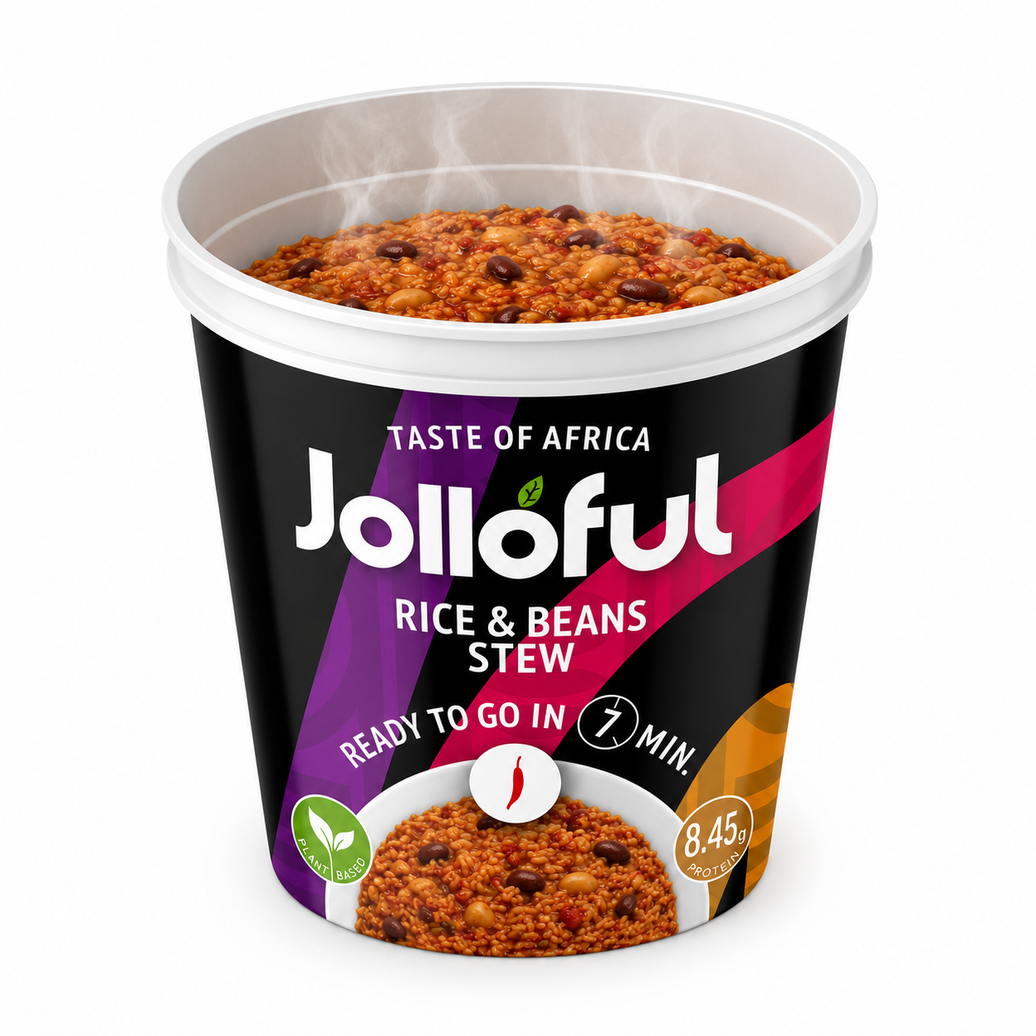
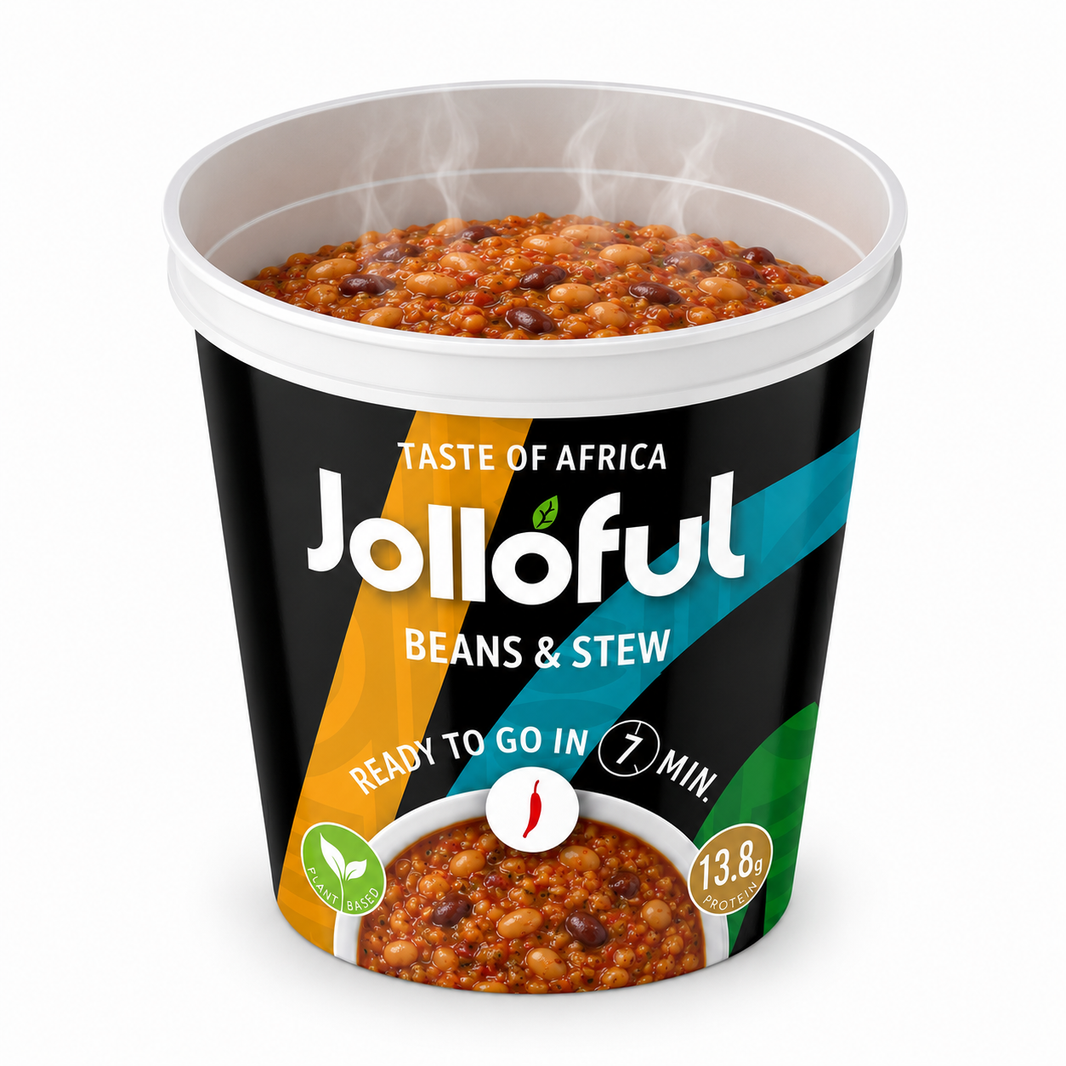
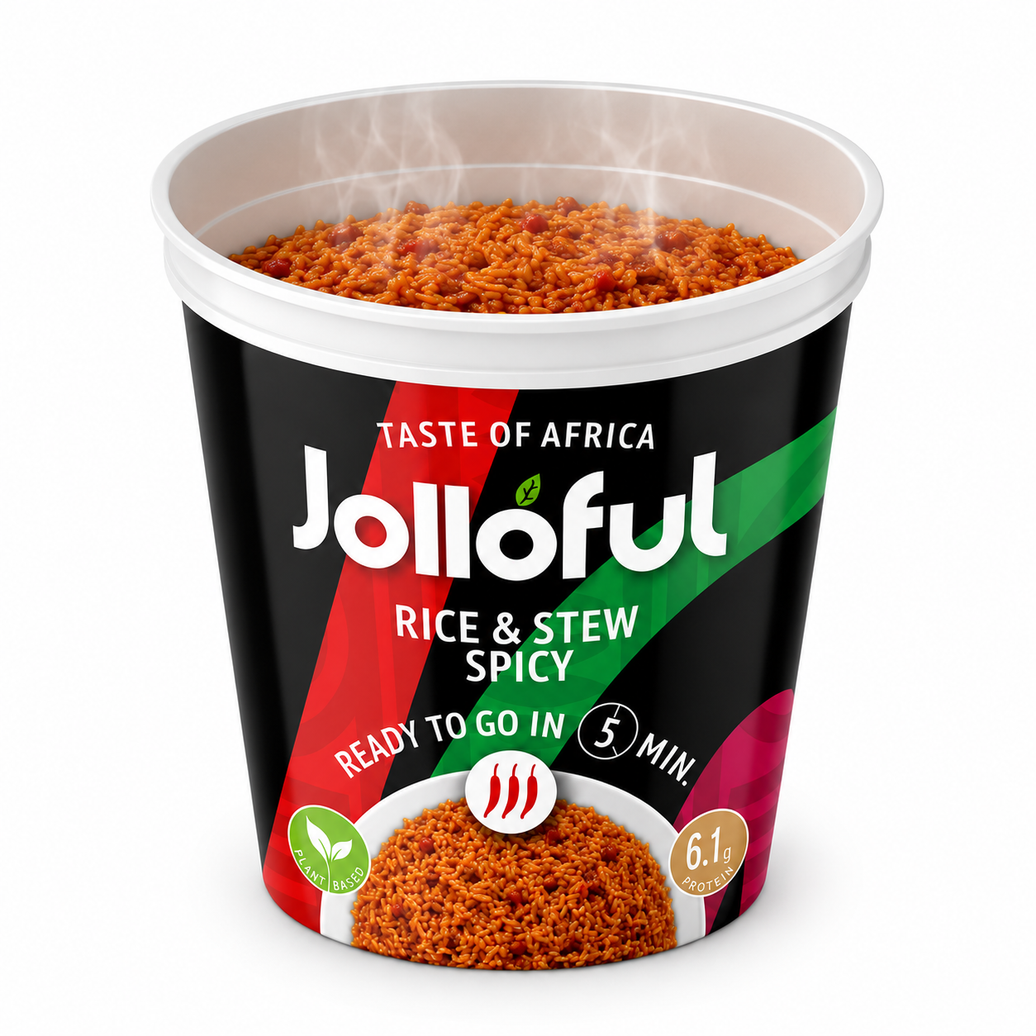
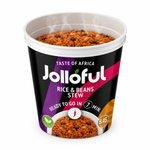
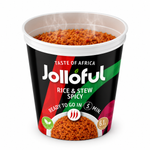
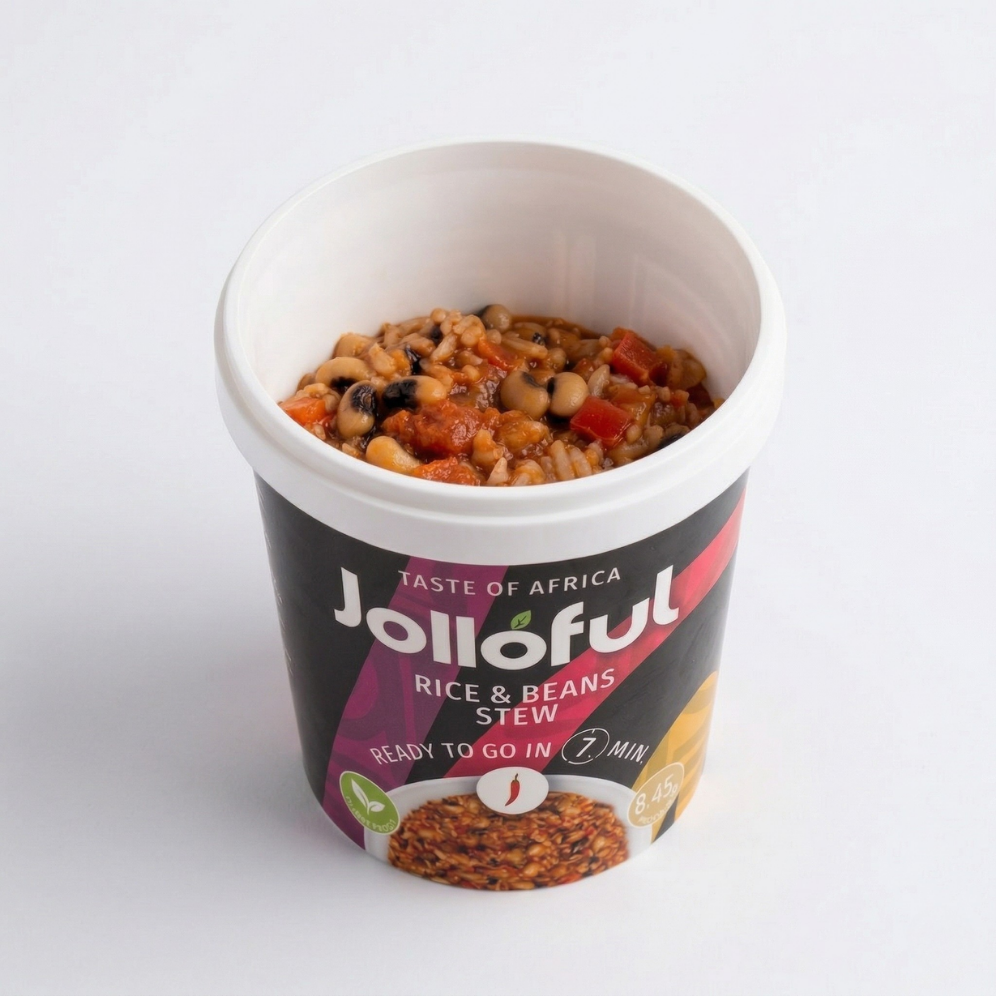
A great meal cup should not taste like a compromise you made between meetings. It should taste like a proper moment of flavour. Knowing how to enjoy African meal cups starts with giving them the same attention you would give any good meal: enough hot water, a few quiet minutes to hydrate, and a pairing that suits your appetite.
African meal cups are built for real life - the work lunch with no time to queue, the late study session, the train journey, the cupboard that needs more than plain noodles. But quick does not have to mean bland. With rich spices, satisfying grains and ingredients rooted in African food traditions, a meal cup can bring far more character to your day than the average convenience option.
Start with the water, not guesswork
The instructions on the cup are your best guide. Use the stated amount of freshly boiled water, rather than filling the cup to the brim. Too much water can dilute the seasoning and leave the texture loose. Too little can leave parts of the meal underhydrated and firmer than intended.
Pour the water in slowly so it reaches the ingredients evenly, then stir properly from the bottom. This is the small step people rush, and it makes a real difference. Spices and sauces often settle, so a thorough stir gives every mouthful the flavour it is meant to have.
If you are preparing your cup at work, use a kettle where possible. Hot tap water rarely reaches the temperature needed for the best texture. At home, a freshly boiled kettle does the job. On the move, a well-filled flask of boiling water can turn a travel day into a better lunch break.
Give it time to become a meal
Five to seven minutes may sound simple, but it is not optional. Put the lid back on after stirring and let the steam do its work. That resting time allows the ingredients to soften, absorb the spices and develop the fuller texture that makes the cup feel like food, not just a snack.
Resist eating it straight away. Stir once more after the resting time, then check the consistency. If you prefer a softer meal, add a small splash of hot water, stir and wait another minute. If you like a thicker, heartier texture, use a touch less water next time rather than trying to fix it after preparation.
This is where convenience gets personal. There is no single perfect texture for everyone. Some people want a spoonable, comforting bowl; others prefer something firmer and more substantial. A couple of preparations will help you find your favourite balance.
How to enjoy African meal cups with more flavour
The cup is designed to stand on its own, especially when time is tight. Still, a few familiar additions can turn a quick meal into a fuller plate without creating more washing-up than the meal is worth.
For a satisfying lunch, add a boiled egg, leftover roast chicken, grilled fish or tofu. These pair especially well when you want more protein after the gym, during a long office day or before an evening out. For freshness, try sliced cucumber, chopped tomatoes, spring onions or a handful of salad leaves on the side.
If you enjoy heat, use chilli with confidence but start small. African food carries a wide range of spice traditions, and heat should lift the flavour rather than hide it. A spoonful of yoghurt or a squeeze of lemon can soften a fiery bite while adding brightness.
At home, serve your meal cup alongside plantain, a simple green salad or steamed vegetables. At the office, fruit and a yoghurt pot make an easy companion. The aim is not to overcomplicate a fast meal. It is to give yourself options when you have a little more time or a bigger appetite.
Make the cup fit the moment
African meal cups work best when you stop treating them as an emergency-only food. Keep a few in your desk drawer, kitchen cupboard, uni room or travel bag. Their shelf-stable format means you can have a flavourful option ready without relying on a last-minute shop run or another bland sandwich.
For busy mornings, prepare one as a late breakfast when cereal will not carry you through to lunch. For work, make it your reliable backup on days when meetings spill over or the fridge is empty. For evenings, it can be a smart small meal before a class, after commuting or when you want something warming without cooking from scratch.
A meal cup can also make a thoughtful introduction for friends who are curious about African food but do not know where to begin. There is no need for a complicated recipe, specialist equipment or a long list of ingredients. They can taste a bold, culturally rooted meal in minutes, on their own terms.
Build your own better cupboard
The best convenience is the kind you have planned before you need it. Keep meal cups somewhere visible, not buried behind tins you forgot you owned. When your choices are easy to see, you are less likely to default to a takeaway or a packet that offers little beyond salt and nostalgia.
A well-stocked cupboard might include meal cups alongside a few useful extras: eggs, tinned fish, yoghurt, fresh herbs, lemons and a favourite chilli sauce. You do not need all of these every time. They simply give you room to choose between the fastest possible meal and something a little more dressed up.
This matters for households too. One person may want their cup exactly as it comes; another may add chicken, vegetables or extra heat. The base meal keeps preparation quick, while the toppings let everyone eat in a way that suits them. That flexibility is valuable when schedules are different and hunger levels are not the same.
Do not judge a meal cup by old instant-food rules
For years, instant food has often meant low expectations: artificial colours, overly salty seasoning and a meal that fills a gap but does not feel worth eating. African meal cups can offer a different standard. The point is speed without leaving flavour, ingredient quality or cultural identity behind.
Look for clear ingredient information and recipes that respect the foods they are inspired by. A good cup should make you feel looked after, whether you are familiar with the flavours or trying them for the first time. It should not flatten African cuisine into a vague “spicy” category.
That is the thinking behind Jolloful: real food, rooted in culture, made practical for modern routines. The cup format is convenient, but the flavours should still feel intentional, generous and proud.
A few mistakes worth avoiding
Do not prepare it with lukewarm water, skip the stir or eat it before the hydration time is up. These are the quickest ways to miss what the meal was designed to deliver. Also avoid adding lots of salt before tasting. Seasoning levels vary by recipe, and the spices may become more pronounced as the meal rests.
Be thoughtful with toppings too. Heavy sauces can drown out the flavours already in the cup, while too many cold ingredients can cool the meal down quickly. Choose one or two additions that bring contrast: protein for staying power, something crisp for freshness, or a little heat for those who want it.
And if your first cup feels hotter than expected, do not write off the entire range. Spice preferences are personal. Pair it with yoghurt, add a cooling side, or choose a gentler flavour next time. The pleasure is in finding the combination that works for you.
A quick meal can still be a proper meal. Boil the kettle, stir with purpose, let the flavours settle, and give yourself five minutes that taste like more than convenience.


Hinterlasse einen Kommentar