
A plate of Rice with stew, beans, plantain and grilled fish does not need a wellness rebrand to earn its place at the table. If you have ever wondered, is west african food healthy, the honest answer is yes, often very much so - but like any cuisine, it depends on the dish, the ingredients and how often you eat the richer bits.
That matters because West African food is still too often judged through lazy clichés. People see rice, cassava or fried plantain and assume "heavy". They miss the bigger picture: deeply spiced stews, beans, leafy greens, okra, tomatoes, peppers, onions, fish, fermented foods and slow-cooked meals built from real ingredients. This is not ultra-processed convenience pretending to be food. At its best, it is real food rooted in culture.
Is West African food healthy in general?
In general, yes. Traditional West African cooking has a lot going for it nutritionally. Many everyday meals are built around fibre-rich staples, legumes, vegetables and protein, with flavour coming from peppers, herbs, onions, ginger, garlic and fermented ingredients rather than artificial additives.
You will also find a strong culture of cooking from scratch. That changes the health conversation straight away. A home-style pot of bean stew, kontomire, egusi with vegetables, or fish pepper soup is a very different thing from a heavily engineered ready meal with a long ingredient list.
Still, "healthy" is not a badge you pin on an entire region's cuisine. West African food includes light soups and grilled fish, but it also includes celebratory dishes that are richer in oil, salt or refined starch. The same cuisine can support a balanced weekly routine and a full-on feast. Both are part of the story.
What makes West African food nutritious?
One of the biggest strengths of West African food is ingredient diversity. A single meal often combines carbohydrates, protein, fat and vegetables in a way that feels satisfying rather than sparse. That matters if you want food that keeps you full and does not send you hunting for snacks an hour later.
Beans are a clear example. Dishes built around black-eyed beans, honey beans or bean flour can deliver fibre, plant protein and slow-release energy. Moi moi and beans porridge can be nutrient-dense choices, especially when they are not overloaded with oil. They fill you up properly.
Then there are the vegetables. West African cooking uses tomatoes, onions, peppers, aubergine, okra, spinach, bitter leaf, pumpkin leaves and other greens generously. Soups and stews often carry far more veg than outsiders expect. Okra in particular brings fibre, while leafy greens contribute vitamins and minerals.
Fish is another strong point, especially in coastal food traditions. Sardines, mackerel, tilapia and smoked fish appear across many dishes, bringing protein and beneficial fats. Even where meat is used, it is often there to build flavour rather than dominate the whole plate.
Spices and aromatics also do more than make food exciting. Ginger, garlic, chilli and fermented seasonings create depth without relying on sugar-heavy sauces or synthetic flavour boosters. West African food is bold because the ingredients are bold.
The part people get wrong about carbs
A lot of the "is west african food healthy" debate gets stuck on starch. Rice, yam, cassava, fufu, plantain and other staples are easy to point at, especially if you are viewing health through a low-carb lens. But carbs are not the problem by default. Portion size, balance and preparation matter more.
Starchy foods are central to many food cultures because they provide energy and satisfaction. In West African meals, they are usually paired with soups, stews or sauces that bring protein, fats and vegetables. That is very different from eating a bowl of plain refined carbs on its own.
There is also a difference between staples. Boiled yam, boiled plantain and beans-based dishes tend to land differently from heavily fried options or oversized portions of white rice with very little else. Cassava-based foods can be part of a balanced meal, but they are usually better supported by nutrient-rich soups and sensible serving sizes.
So yes, West African food includes carbs. So do most satisfying cuisines. The better question is whether the meal is balanced, varied and made from recognisable ingredients.
Where West African food can become less healthy
Pride and honesty can live in the same sentence. Not every West African dish is automatically a health food, and not every version of a traditional meal is equally balanced.
Oil is one variable. Some stews are rich, glossy and absolutely worth it, but frequent large portions can push calories up quickly. Palm oil, groundnut oil and other fats have a place in the cuisine, yet the amount used changes the nutrition profile a lot.
Frying is another factor. Fried plantain is delicious. Puff-puff is delicious. Fried yam is delicious. They are also not the same thing as a lightly cooked bean stew or grilled fish with pepper sauce. Celebration food and everyday food are not always identical, and that distinction is worth keeping.
Salt can creep up too, especially in modern packaged foods, stock cubes, smoked meats or highly seasoned stews. If someone is managing blood pressure, that matters. And some urban eating habits now mirror global convenience culture, with more processed snacks and sugary drinks alongside traditional meals. That is not a West African issue alone, but it does shape how people experience the cuisine.
Healthy choices within the cuisine are easy to make
The good news is that you do not need to strip West African food of its identity to make it work for a health-conscious lifestyle. In fact, the best choices usually look like the cuisine itself, not a watered-down imitation.
Choose more beans, fish and vegetable-led dishes during the week. Let soups and stews do the heavy lifting. Think efo-style greens, okra soups, bean dishes, pepper soups and tomato-based stews with sensible amounts of oil. Pair starches with meals that have structure and depth, rather than making the carb the whole event.
Portion awareness helps without turning dinner into maths. You can enjoy jollof rice, but it lands better as part of a plate with protein and vegetables than as a mountain of rice on its own. The same goes for plantain - great alongside beans or grilled fish, less ideal as the main character every time.
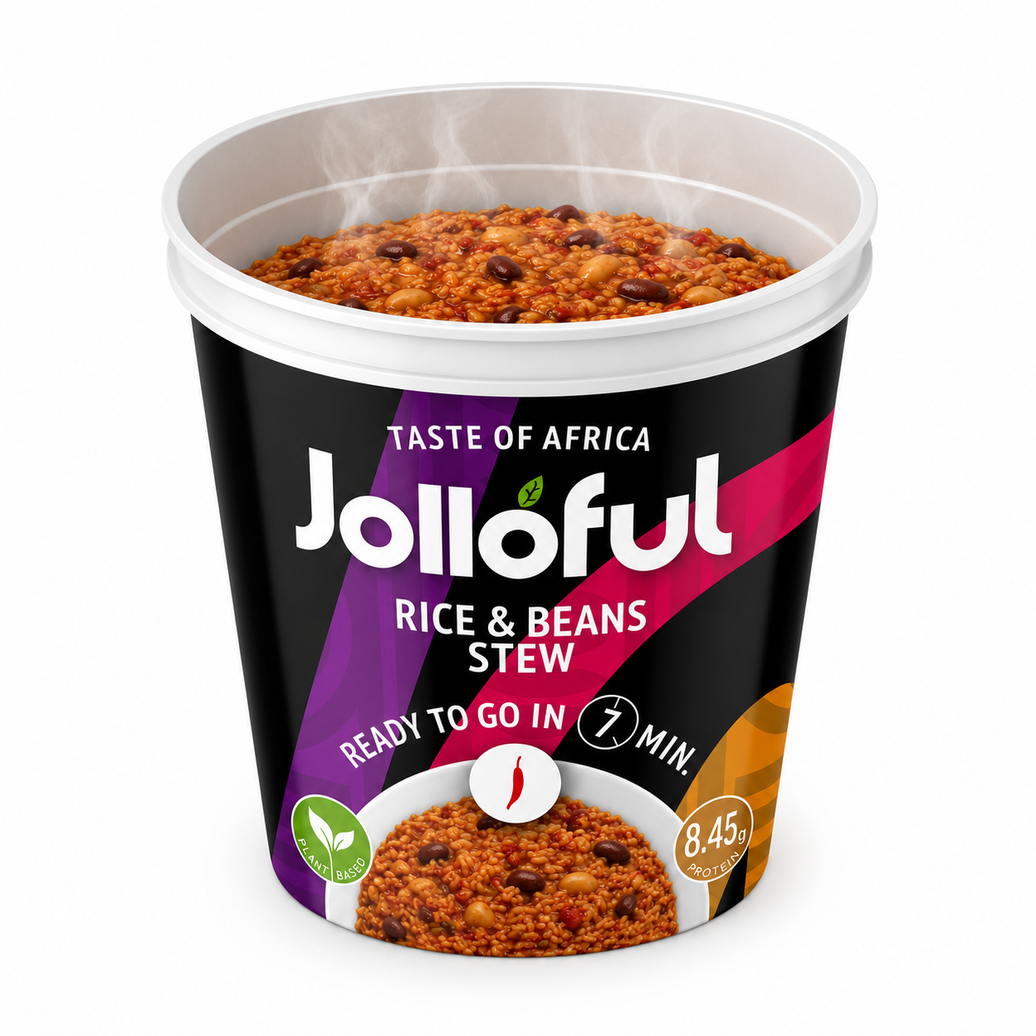
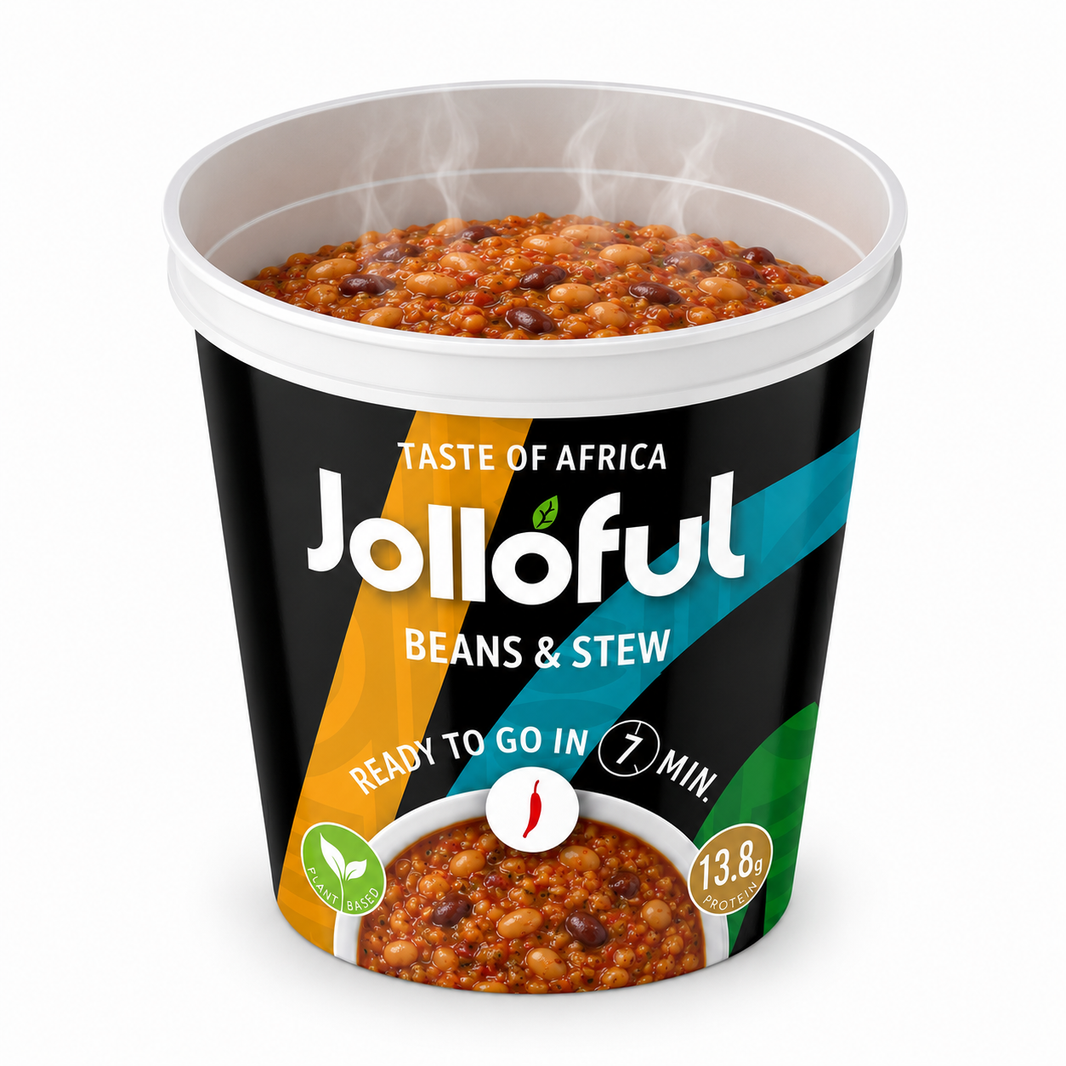
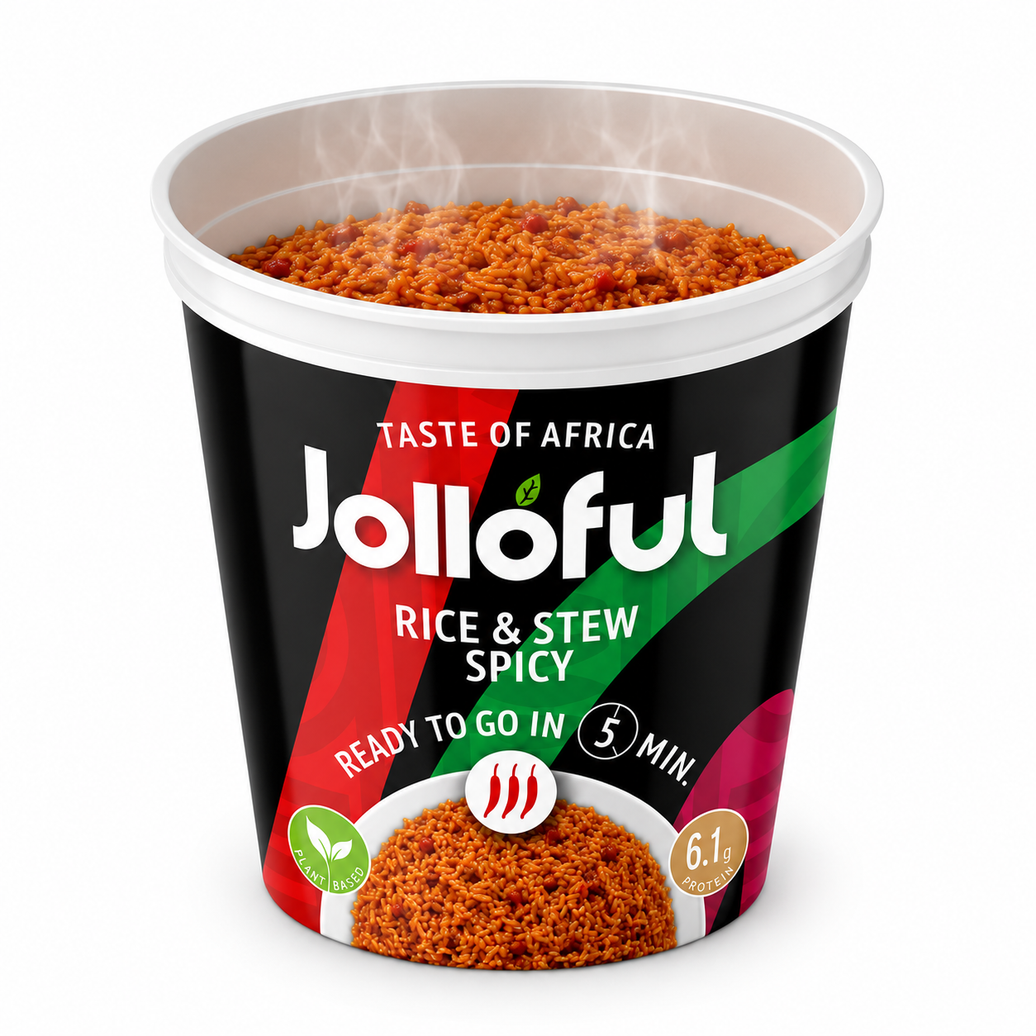
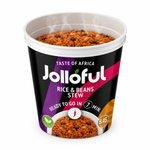
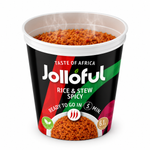
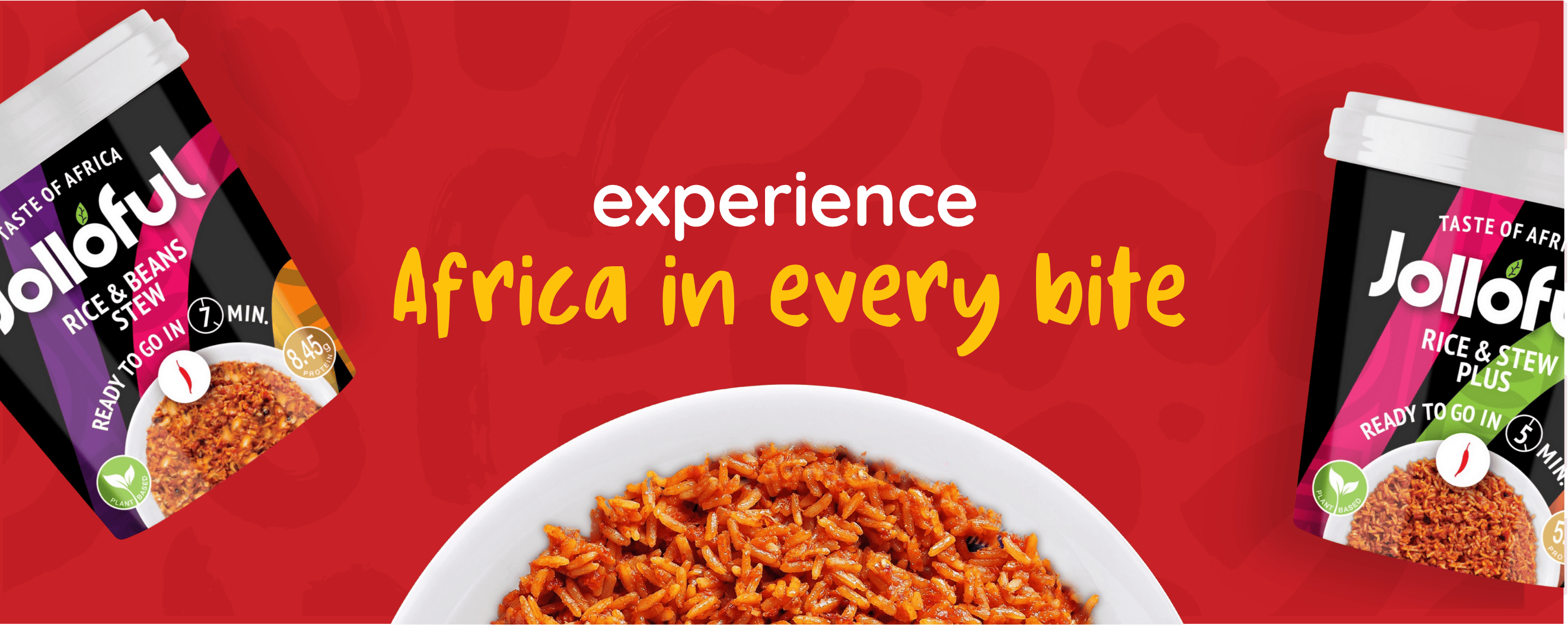
Preparation matters too. Grilling, steaming, boiling and simmering all preserve the character of the food while keeping things lighter than deep frying. And if you are buying shelf-stable or convenience meals, the ingredient list matters. Real ingredients, no artificial colour and no added preservatives is a very different proposition from the usual instant aisle. That is exactly why brands like Jolloful resonate with people who want speed without settling for bland, overprocessed shortcuts.
Is West African food healthy for modern lifestyles?
Yes, especially when you stop treating convenience and quality as opposites. Busy professionals, students and parents often fall into the trap of thinking healthy eating must mean salads at lunch and joyless meal prep on Sundays. West African food offers another route: flavour-first meals that can still be balanced, filling and made with integrity.
That is particularly relevant in the UK and across Europe, where many shoppers are reading labels more closely and questioning what "quick food" is actually made of. A meal can be shelf-stable and still feel real. It can be fast and still carry cultural depth. Health is not only about macros. It is also about whether your everyday food is satisfying enough to stick with.
For diaspora households, there is another layer. Familiar food can support consistency because it is food you genuinely want to eat. For first-time eaters, West African meals can be an easy upgrade from tired convenience staples - more flavour, more texture, often more nutritional value too.
The real answer to “is west african food healthy”
West African food can be very healthy, and often is, because it starts from a strong foundation: beans, grains, vegetables, fish, spices and cooking traditions that know how to make real ingredients sing. It can also be rich, indulgent and celebratory. That is not a flaw. That is how living cuisines work.
The smartest way to judge it is not by stereotypes about rice or spice, but by looking at the actual plate in front of you. Is it built from real food? Does it offer balance? Is it satisfying enough to support your everyday routine? If the answer is yes, you do not need anyone's permission to call it a good meal.
West African food has never needed to become something else to belong in a modern, health-conscious kitchen. It already does.
SHOP NOW: Https://www.jolloful.com


Hinterlasse einen Kommentar