
Ask two people whether West African food is spicy and you might get two very different answers. One will say, absolutely. The other will say, not necessarily. Both can be right. If you are wondering is West African food spicy, the shortest honest answer is this: it often has heat, but the real signature is flavour depth, not chilli for chilli’s sake.
That matters, especially if your only reference point for African food is a vague idea that it is all “hot”. West African cooking is far more interesting than that. It is bold, layered, savoury, aromatic and, yes, often spicy - but the spice is there to build character, not to flatten everything else on the plate.
Is West African food spicy in general?
In many West African cuisines, chillies are a familiar and much-loved ingredient. You will find fresh peppers, dried peppers and pepper-based sauces used across everyday cooking. In that sense, yes, West African food can be spicy.
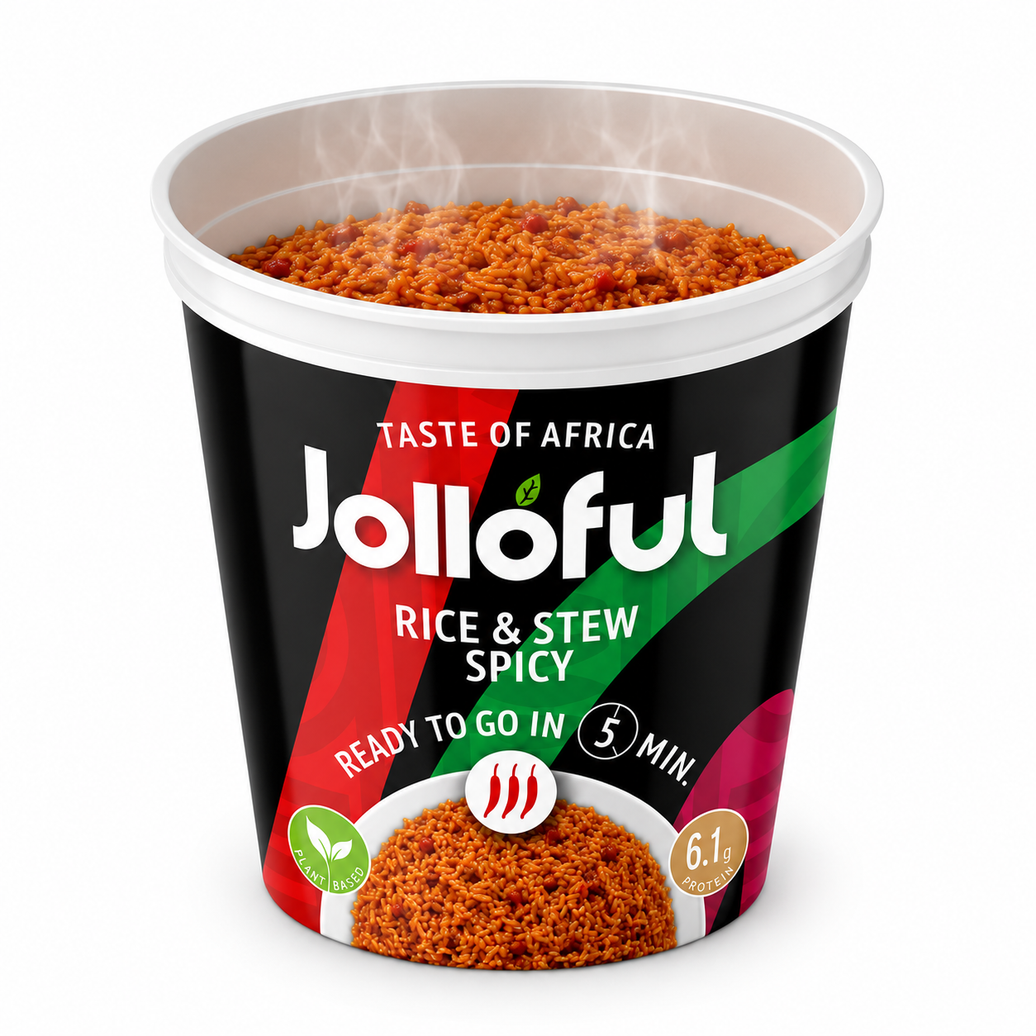
But “spicy” is also a blunt word. It tends to reduce a whole food culture to one sensation. A pot of jollof rice, for example, may carry warmth from pepper, but it is also built on tomatoes, onions, stock, herbs and slow-cooked flavour. A stew may bring noticeable heat, yet still lean more heavily on smokiness, umami or richness than on fire.
The better question is not just whether the food is spicy. It is how spice is used. In West African cooking, heat is usually part of a wider balance. It works alongside sweetness from caramelised onions, acidity from tomato, depth from palm oil or stock, and richness from proteins, beans or ground seeds.
Heat levels vary by country, dish and cook
West Africa is not one kitchen. It covers multiple countries, languages, ingredients and cooking traditions. So while spice is common, it is not uniform.
In Ghanaian, Nigerian, Senegalese, Sierra Leonean and other West African food cultures, chilli peppers often appear in stews, soups, rice dishes and sauces. Yet the intensity can vary a lot. One home cook may make a pepper soup that clears your sinuses. Another may prepare a rice dish with only a gentle background warmth.
That variation is normal. It reflects family preference, region, occasion and who is eating. Food made for children may be milder. Food made for guests who love pepper may be much hotter. A celebratory dish might be more assertive than an everyday lunch.
This is one reason newcomers can get confused. They try one dish, often one version of one dish, and assume they now understand the whole cuisine. West African food does not work like that.
Some dishes are naturally hotter than others
Pepper soup is the obvious example. It is designed to bring heat, fragrance and intensity. Suya can also carry a real kick, depending on the spice blend and the cook’s hand with chilli. Certain stews and pepper sauces are meant to announce themselves.
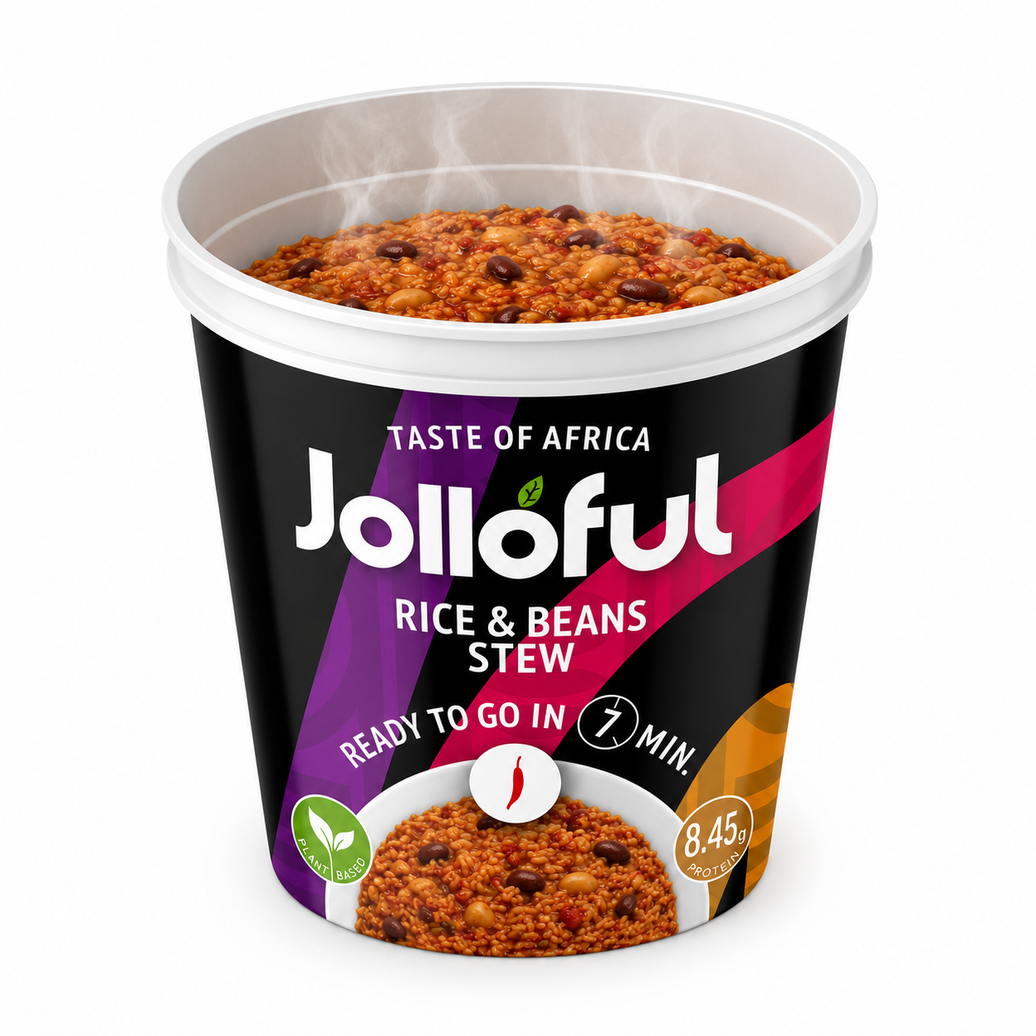
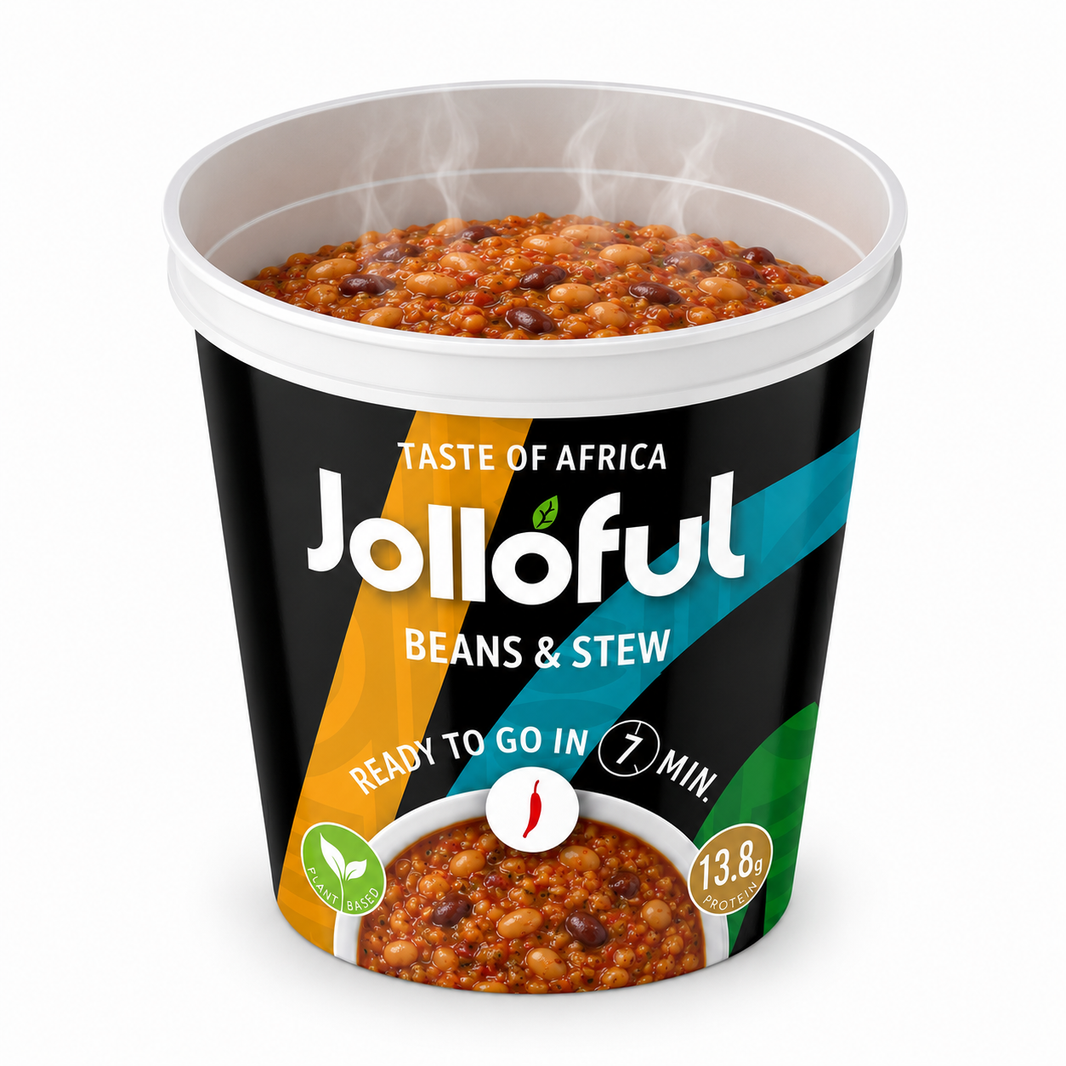
Other dishes may be much gentler. Waakye, rice and beans combinations, bean stews, fried plantain, moi moi or groundnut-based dishes can be warmly seasoned without being aggressively hot. Even jollof rice, which people love to debate, ranges from mild to fiery depending on who makes it.
Spice tolerance changes the experience
What counts as spicy depends on the eater too. If you grew up with Scotch bonnet in the kitchen, a dish might feel balanced and lively. If you are used to very mild food, the same dish may feel intense.
That does not mean one person is right and the other is wrong. It just means spice is personal. Heat lands differently depending on habit, palate and expectation.
Why people think all West African food is very hot
Part of it is stereotype. African cuisines are often described too broadly, as if one label can cover an entire continent. Another part is that chilli-forward dishes do make a strong first impression. People remember heat.
But flavour memory can be misleading. A dish with one noticeable hit of pepper may get labelled “super spicy”, even if its overall profile is deeply rounded. West African cooking often uses strong, confident seasoning. That can read as “spicy” even when the chilli level is moderate.
There is also a difference between spicy and well-seasoned. These get confused all the time. Food can be rich in ginger, garlic, onion, thyme, fermented ingredients or stock and still not be particularly hot. West African food rarely aims for blandness, so people sometimes mistake boldness for pure chilli heat.
Spice in West African food is about flavour, not punishment
This is the part many people miss. In great West African cooking, chilli is not there to show off. It is there to support the dish.
A good pepper blend can brighten tomatoes, sharpen a stew, lift grilled meat or deepen a broth. It can make food feel alive. Used well, it should not erase every other ingredient. You should still taste the rice, the fish, the beans, the smoke, the herbs and the slow-cooked base underneath.
That is why the best answer to is West African food spicy is not a dramatic yes or no. It is: often, but with purpose.
What to expect if you are trying West African food for the first time
If you are curious but cautious, there is good news. You do not need to start with the hottest dish in the room to appreciate the cuisine.
Begin with foods that showcase core flavours without pushing heat too far. Tomato-based rice dishes, bean dishes, plantain, savoury stews with balanced seasoning or milder soups can be a smart entry point. These dishes let you understand the style of cooking before you test your chilli limits.
It also helps to ask how the dish has been prepared. That is not playing it safe. It is just sensible. Since spice levels vary so much by cook and brand, a quick question can save you from guessing.
If you enjoy some warmth, you may find West African food very easy to love. If you prefer things mild, you are not excluded. You just need the right starting point.
Is West African food spicy compared with other cuisines?
Sometimes yes, sometimes no. It depends what you are comparing it with.
Compared with many standard British ready meals, West African food often tastes much bolder and hotter. Compared with some regional Indian, Thai or Sichuan dishes, certain West African meals may feel moderate. The comparison shifts with the dish in front of you.
What tends to stand out more than raw heat is confidence. West African food does not whisper. It is built to taste like something. That is part of its appeal, especially for people who are tired of convenience food that promises flavour and delivers very little.
Can West African food be mild?
Yes. Absolutely. A dish does not stop being authentic because the heat is dialled down.
Authenticity is not measured by how much pain a pepper causes. It is measured by whether the flavours, ingredients and cooking logic still make sense. A well-made dish with restrained chilli can still be true to its roots. At the same time, some recipes are meant to carry noticeable heat, and muting that too much can change the experience.
That is the trade-off. If you reduce chilli completely, you may lose part of the dish’s intended character. If you keep every traditional heat level unchanged, some first-time eaters may feel shut out. The best approach is not one fixed rule. It is respect for the dish and some awareness of who is eating it.
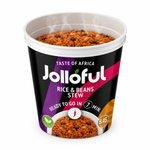
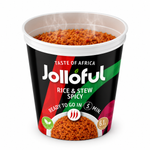
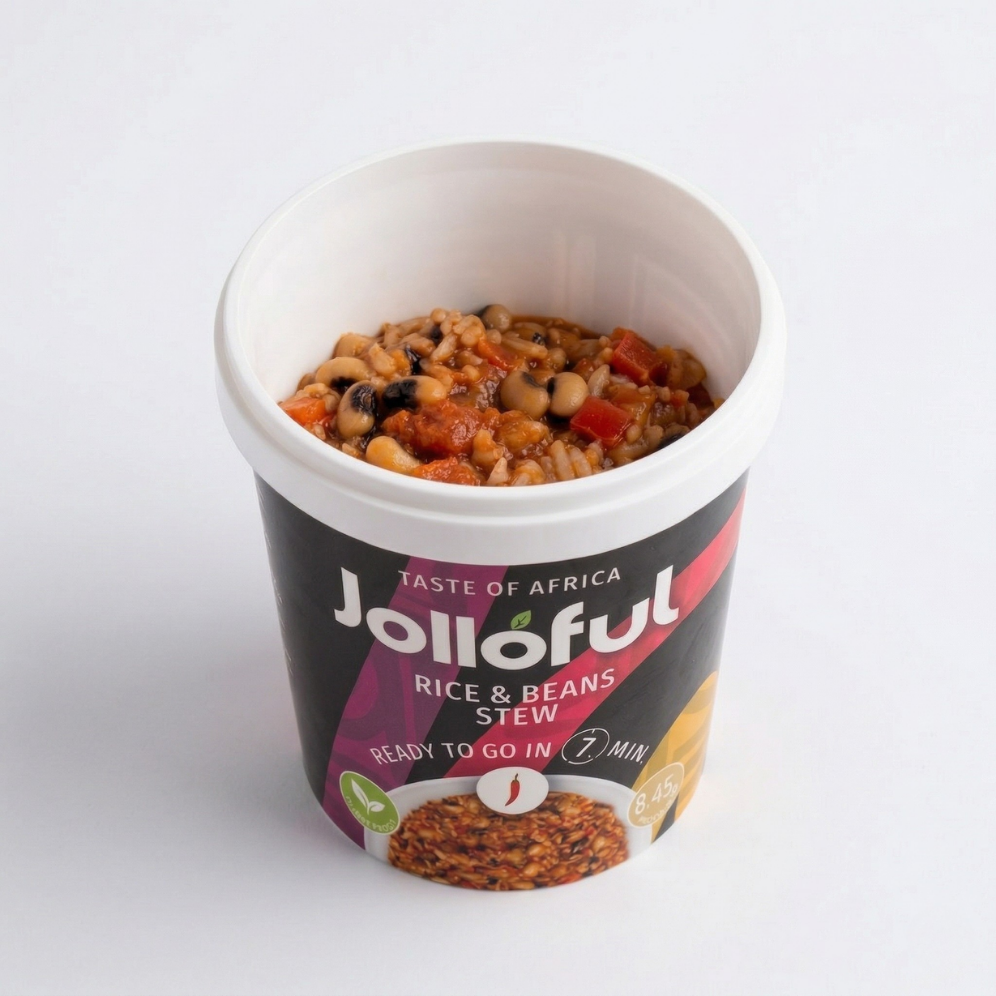
For modern eaters, that flexibility matters. People want real food, rooted in culture, but they also want a point of entry. That is one reason brands like Jolloful matter. They make West African flavour easier to access without reducing it to something bland and generic.
So, is West African food spicy?
Yes, often. But that answer on its own is too small for the food.
West African cuisine is spicy in the way a great soundtrack is loud enough to move you - not loud for the sake of noise. Heat is one part of the experience, not the whole story. The bigger story is flavour: layered, soulful, vivid and built with intent.
If you are new to it, do not let the question of spice put you off. Start where you are, choose a dish that suits your comfort level, and pay attention to everything happening beyond the chilli. That is where West African food really wins people over.


Hinterlasse einen Kommentar