
It is 8.47 pm, your seminar notes are still open, and the idea of cooking from scratch feels wildly optimistic. That is exactly why quick meals for students matter so much. You need food that is fast, affordable and genuinely satisfying - not another sad bowl of something beige that leaves you hungry an hour later.
Student life has a way of making meals feel like an afterthought. Between lectures, part-time work, deadlines and trying to maintain something close to a social life, food often gets squeezed into whatever gap is left. The problem is that convenience usually comes with a trade-off: either it is cheap but dull, or quick but poor quality. There is a better middle ground.
What makes quick meals for students actually work?
A good student meal is not just about speed. It needs to do three jobs at once. It should fill you up, keep your costs under control and taste like real food. If one of those things is missing, it stops being practical very quickly.
That is where many common student staples fall short. Toast is fast, but not exactly a proper meal. Instant noodles are cheap, but often rely on salt and artificial flavouring more than actual substance. A supermarket ready meal can do the job in a pinch, but it is not always great value, and the flavour can feel flat. Fast should not mean forgettable.
The strongest option is usually a meal with a simple base, enough texture to feel satisfying, and bold seasoning that makes it worth eating. Rice dishes, grain bowls, eggs, beans, soups and noodles can all work well, but only when they are built with intention. The difference between surviving on convenience food and eating well often comes down to what you keep in the cupboard.
Build your kitchen around speed, not fantasy
Many students buy groceries as if they are about to become extremely organised overnight. Then real life happens. The fresh herbs wilt, the ambitious veg box gets ignored, and dinner becomes crisps followed by regret.
A more realistic approach is to stock foods that can hold their own during a chaotic week. Shelf-stable ingredients are underrated for this reason. Tinned beans, chopped tomatoes, couscous, rice, oats, nut butter and long-life meal options give you room to eat well without needing a perfect routine.
The key is to keep ingredients that solve different problems. Eggs are good when you want protein quickly. Wraps are useful when there is not much in the fridge. Frozen vegetables save time and waste. Shelf-stable meals are ideal when you need something proper with almost no effort. That last category matters more than people admit, especially in student housing where time, equipment and fridge space are limited.
Five student meals worth repeating
The best quick meals are the ones you will actually make again. Not because they are trendy, but because they fit your life.
Egg fried rice from leftovers
If you have leftover rice, this is one of the fastest dinners going. Fry spring onions or frozen peas if you have them, add an egg or two, then toss in the rice with soy sauce and a bit of chilli. It is cheap, filling and takes about ten minutes.
The trade-off is that it depends on leftovers and a hob. If your kitchen setup is basic or shared with six other people, that can be more hassle than it sounds.
Beans on toast, upgraded
There is nothing wrong with beans on toast. The issue is when it becomes your entire personality. Add grated cheddar, black pepper, chilli flakes or a fried egg and suddenly it feels like a real meal rather than a backup plan.
This works because it is reliable. It is also one of the cheapest options available. The downside is that it can get repetitive very quickly if you are leaning on it three times a week.
Couscous bowls with whatever is around
Couscous is one of the most useful student ingredients because it cooks in minutes with just hot water. Add chickpeas, chopped cucumber, olive oil and some spice, and you have lunch. Add roast veg or leftover chicken, and it turns into dinner.
It is flexible, but that flexibility can backfire. If your seasoning is weak, the whole thing tastes like an obligation. Couscous needs confidence.
Jacket potatoes with proper toppings
A microwave jacket potato is low effort and surprisingly versatile. Beans and cheese work, but so do tuna mayo, spiced lentils or leftover stew. It is warm, filling and usually cheaper than ordering food.
The only catch is timing. Even in a microwave, it is not as immediate as some people want when they are already starving.
Shelf-stable meal cups that deliver real flavour
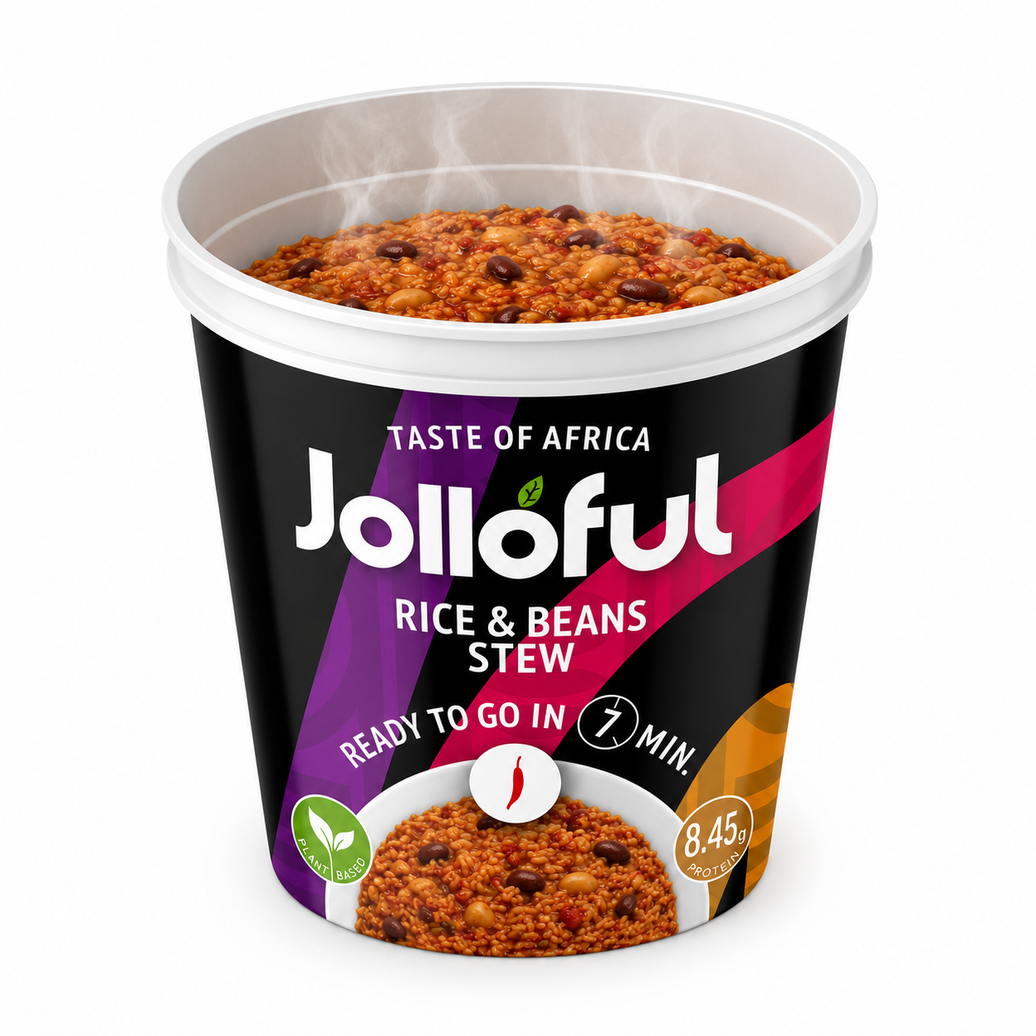
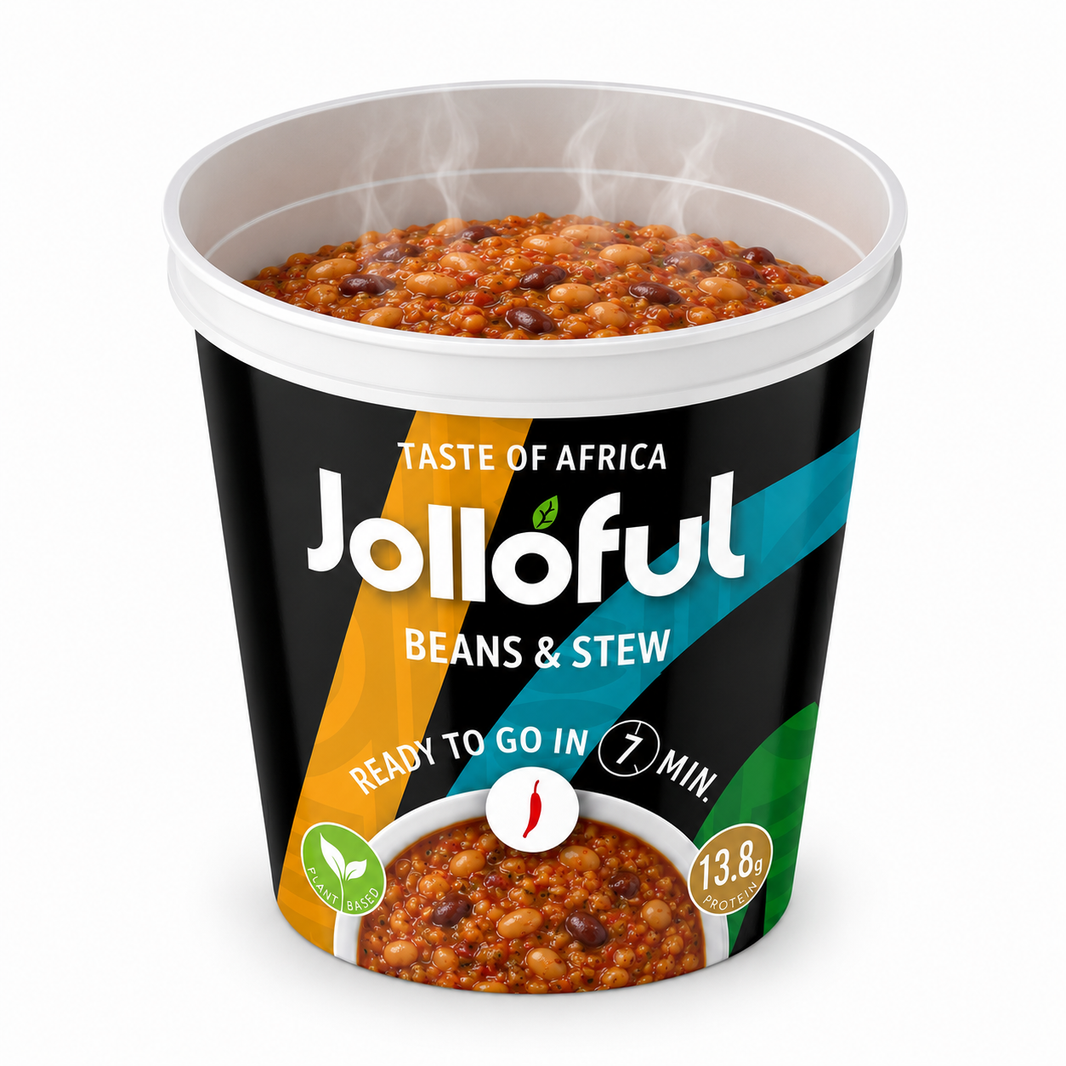
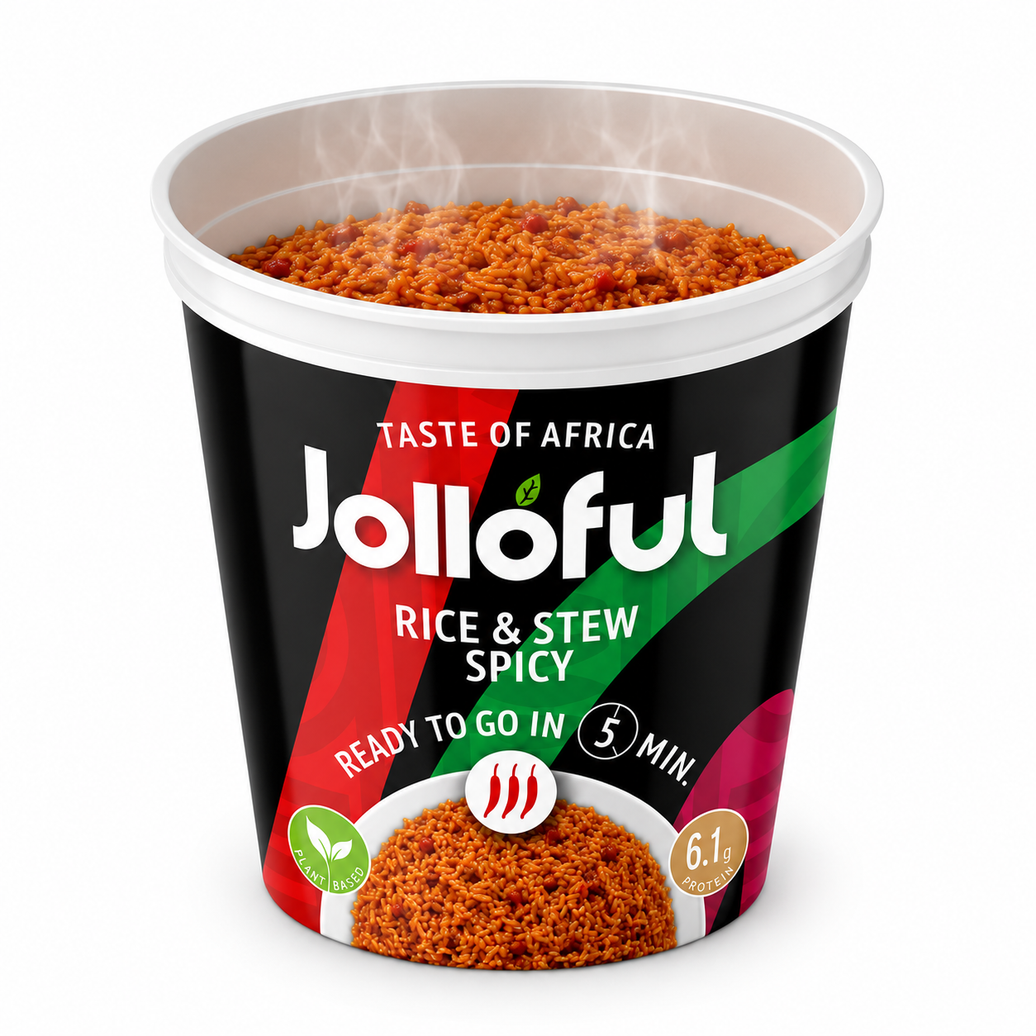
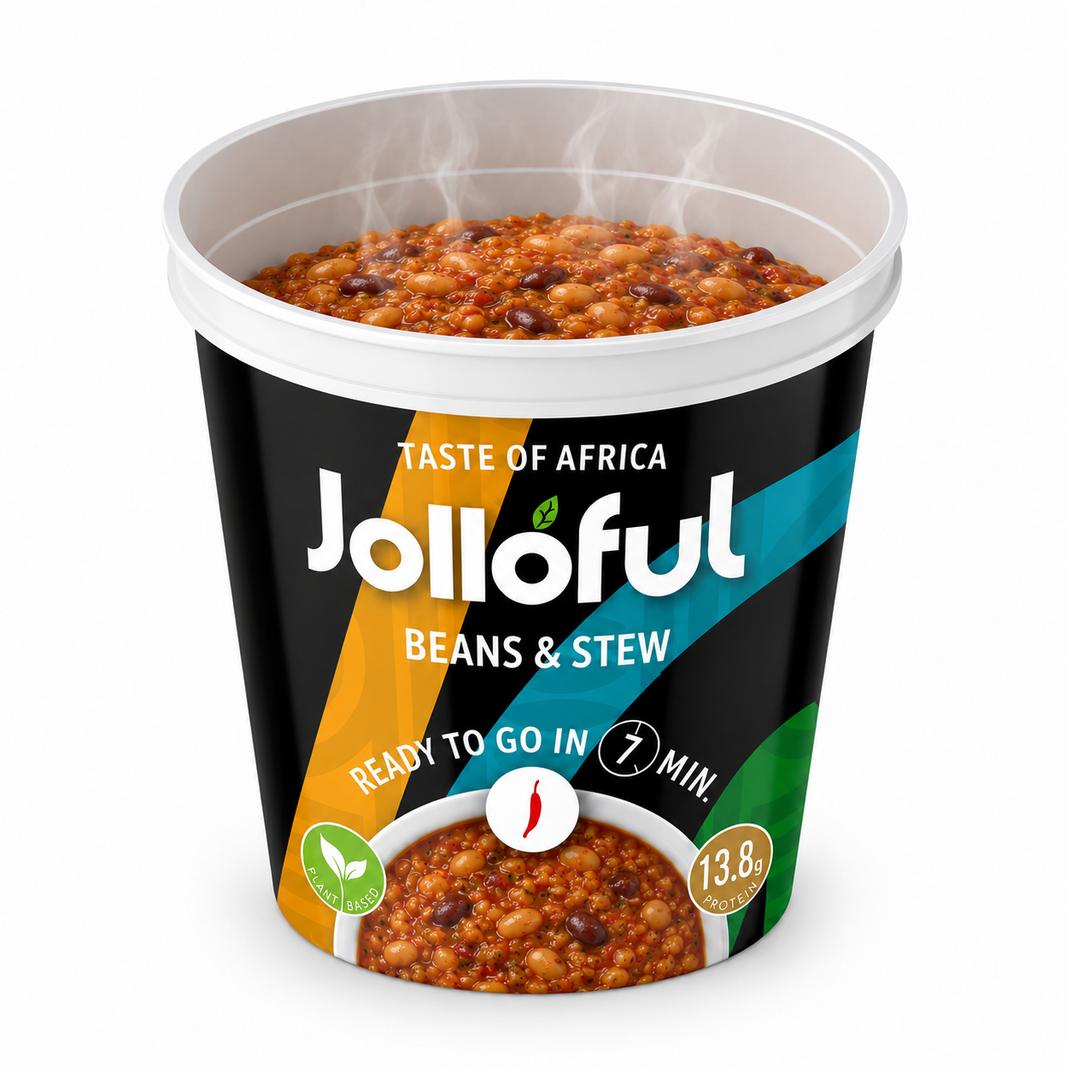
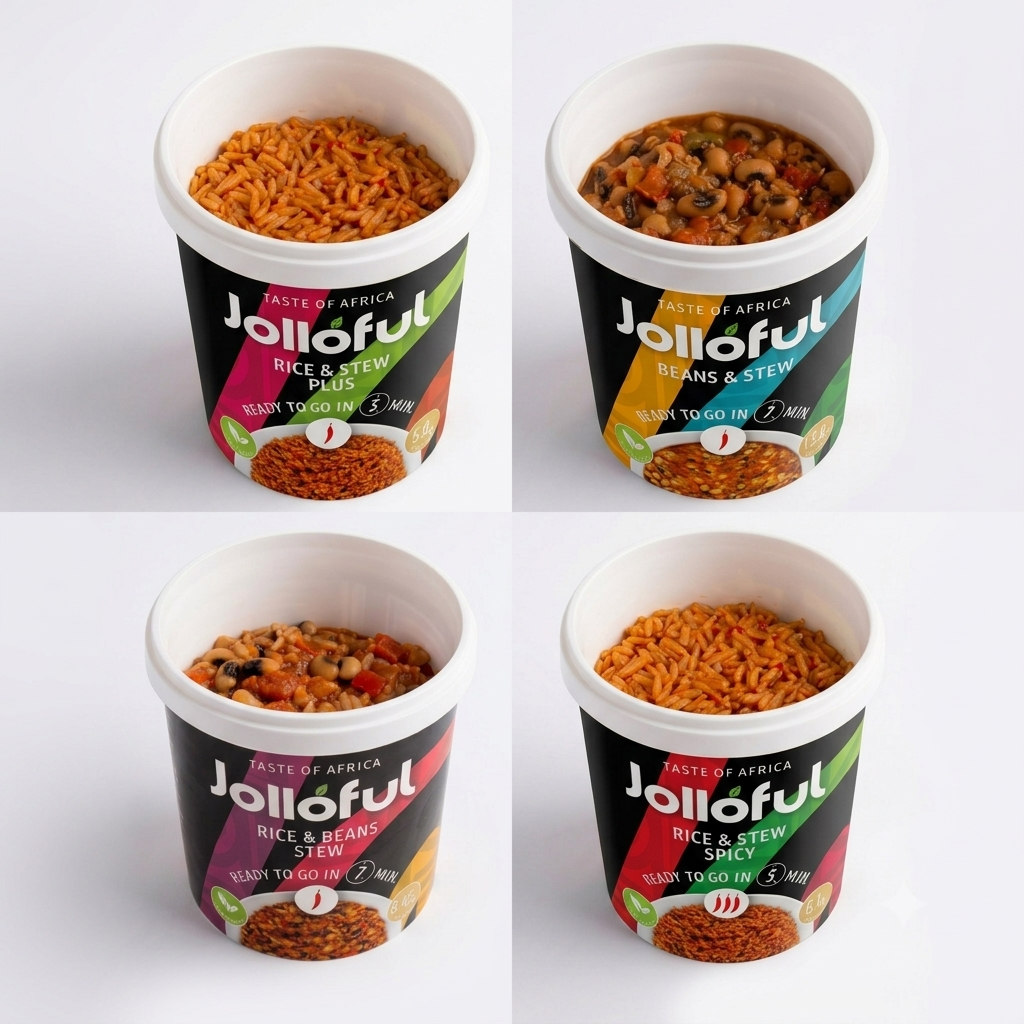
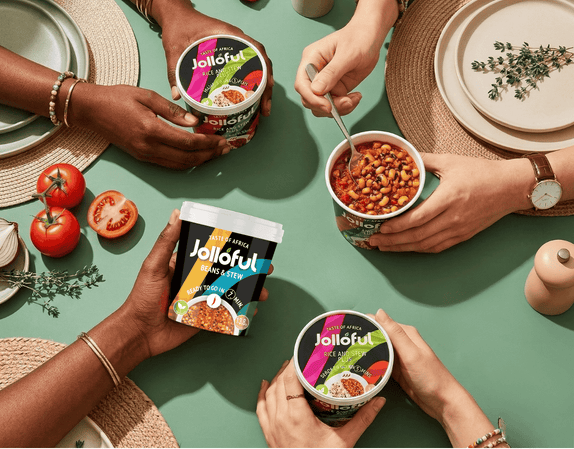
This is where convenience gets more interesting. A strong shelf-stable meal cup can give you speed without the usual compromise on flavour. For students, that matters. You get long shelf life, easy storage and fast prep, but the better ones also bring proper texture, spice and ingredient quality.
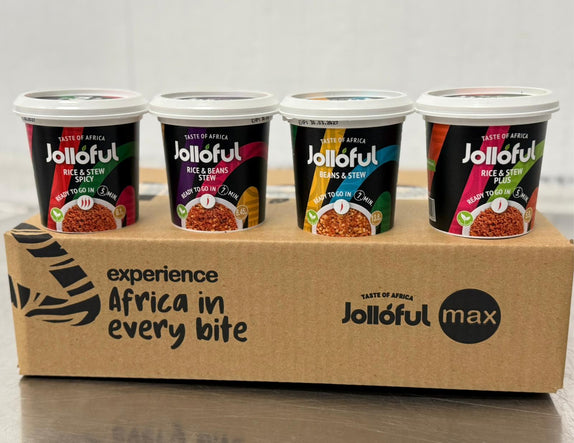
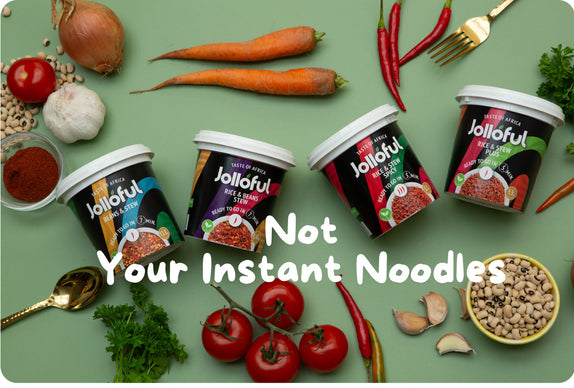
That is exactly why brands like Jolloful stand out. Instead of treating convenience food as something bland and disposable, they bring real African flavour into a format that suits modern life. For students who want quick meals without defaulting to low-effort instant noodles, that shift is big. It means your fastest option can still feel like real food.
Why flavour matters more than people think
When money is tight, there is a temptation to treat taste as a luxury. It is not. If your meals are boring, you are far more likely to overspend on takeaway, snacks or late-night food runs because your cupboard food never feels satisfying enough.
That is why seasoning is not an extra. It is part of the meal working properly. Chilli, curry powder, stock, garlic granules, smoked paprika and pepper can do a lot of heavy lifting in a student kitchen. Strong flavours also help stretch simple ingredients further. Rice and beans can be basic or brilliant depending on how they are built.
This is one reason African meals work so well in a convenience format when they are done properly. West African cooking is not about flat, one-note flavour. It is layered, bold and deeply comforting. For students who are tired of convenience food that tastes engineered rather than cooked, that difference lands immediately.
How to save money without eating badly
Budget advice for students often swings between two extremes: spend nothing, or meal prep like a full-time athlete. Most people live somewhere in the middle.
A smarter approach is to mix low-cost staples with a few stronger convenience options. Use rice, pasta, eggs and beans as your foundation. Then keep a handful of fast meals for the busiest days, when cooking from scratch is not going to happen. That combination usually works better than pretending every meal will be home-cooked.
It also helps to think in cost per satisfying meal, not just cost per item. Something very cheap that leaves you hungry again in an hour is not always good value. A slightly better meal that keeps you full and stops you ordering takeaway later can be the cheaper choice overall.
The student kitchen reality check
Not every student has access to a spotless kitchen with matching pans and endless storage. Some are cooking in tiny halls kitchens. Some are sharing with people who treat washing up as a philosophical issue. Some barely have freezer space for ice cubes.
That reality changes what counts as practical. Meals that need six ingredients, two pans and perfect timing may look easy online, but they are not always realistic on a Tuesday night in term time. Quick meals for students need to respect the setup as much as the budget.
That is why low-fuss options matter. One-bowl meals, kettle-friendly foods, microwaveable bases and shelf-stable packs all earn their place. Convenience is not laziness. Sometimes it is just good planning.
A better standard for student food
Students should not have to choose between speed and food that feels worth eating. The old idea that student meals must be bland, repetitive and nutritionally questionable is tired. Fast food at home can still have character. It can still reflect culture. It can still taste like someone cared.
If you are building a student meal routine, aim for food that is easy to keep, quick to make and full of flavour. That might mean eggs and toast one day, couscous the next, and a bold shelf-stable meal when time is tight. The point is not perfection. It is having options that meet the moment.
And when your day is packed, your budget is stretched and your energy is gone, a quick meal should still feel like a proper meal - not a compromise you have to apologise for.


Hinterlasse einen Kommentar